Oliver


Although born in Adelaide, Jack Oliver grew up in Port Pirie where his father was a carpenter. He left school at the end of grade 6 and went to work with his father where he no doubt learnt wood working skills. In addition, he was a competent sportsman and also also excelled as a painter winning many art prizes for his oil and water colour paintings. He was one of a handful of motor cycle enthusiasts who formed the Port Pirie Motor Cycle Club in the early 1920’s and went on to ride in the speedway in Adelaide.

By the late 20’s the family had returned to Adelaide and Jack opened a Sports Store on Henley Beach Road at Mile End near the corner of South Road, with tennis and fishing equipment (which he had grown up to enjoy in Port Pirie) his two major sales lines.

Jack played tennis for the Goodwood Tennis Club while living in Adelaide.

With the onset of the depression in the late 1920’s and early 1930’s, Jack was finding it difficulty to survive against the then 26 Tennis Racket Makers in Australia who would sell direct to the public at wholesale prices. (A clue for much research ahead)

And so, it was in the 1930’s Jack began “playing around” making his own rackets in his fathers carpenters shed at Grassmere Street at Grassmere (the now site of the K-Mart Complex on Anzac Highway at Kurralta Park).

The holes for the strings were drilled with a belly brace and bit, the rackets shaped with spoke shave and rasps and sprayed with the use of a Breager hand pump. The formers (what gave the rackets head shape) were of wood and the laminations which made up of the racket were all steam bent, wired to shape and left to dry before gluing.

At this stage his only outlet for these rackets was his own Sports Store located at Mile End.

In 1934 Jack married Marjory Gibbs and it was around this time that he bought at an engineering company’s bankruptcy sale a quantity of metal formers (racket head shape) and bands (to hold the laminations together). These had been ordered by a tennis racket maker who could not afford to pay for them at the time.

The Oliver tennis racquet company had begun.

By the mid 1930’s he was also making Table Tennis Bats and had bought a copying lathe (also at a bankruptcy sale) and started making Axe and other tool handles.

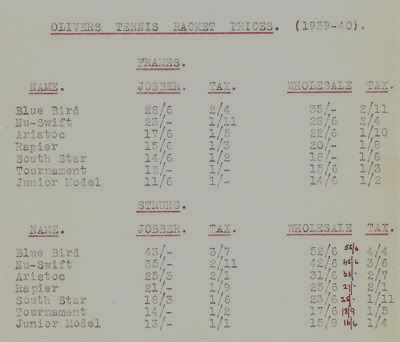
His early tennis rackets carried the name ‘Olivers’ which became just ‘Oliver’ by the late 1930’s (so anyone who has and ‘Olivers’ tennis racket knows its one of Jacks first Tennis Rackets). Jack at this time had purchased his fathers carpentry building and had commenced manufacturing tennis rackets full time.


By the late 1930’s Jack had established sales outlets for his tennis rackets in Melbourne, Sydney, Brisbane and Perth and had commenced exporting to Taylor’s (later to become Lord and Taylor) in New York. Post war, investment in new buildings at Grassmere and equipment led to a  capacity five times greater than pre-war. Export sales had blossomed to include many European countries as well as Canada/ USA. Much of the equipment had been designed and built by Oliver company in house to ensure uniformity. It was mentioned that there were 78 processes required to construct and finish a racquet.

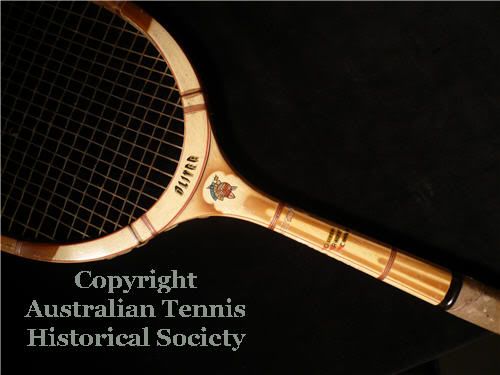
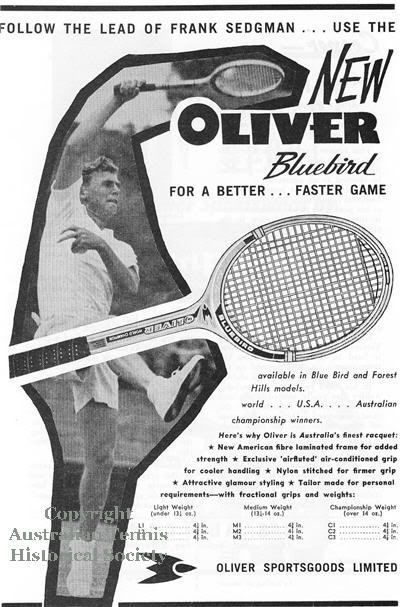
A Perth based department store (Boans later to become a Myer Store) who bought Jack’s rackets had registered the Trade Mark ‘Blue Bird’ which Jack purchased from them and thus the ‘ Blue Bird’ became the flagship model of the Oliver range of Tennis Rackets. The “Bluebird” model was named in honour of the 1930’s speed record holder, Malcolm Campbell’s famous car.

Wooden sporting goods manufacturing lasted 50 years until in 1984 the company could no longer justify local production as metal and graphite racquets produced in Asia began to dominate. In the mid 1970’s the factory was producing 50,000 + racquets a year, which by 1984 had fallen to fewer than 5,000.

Key highlights for Oliver included Frank Sedgman winning Wimbledon in 1952 playing with an Oliver racquet and you will today still find examples of his signature models. In addition, another key Australian player to have a signature Oliver racquet was Mal Anderson.

By the time Oliver’s had made the decision to close all of the other major Australian makers had already ceased manufacturing here, making them the last. Indeed, much of Slazenger’s equipment went to Oliver’s when they closed their Sydney operation.

Despite the decline in Wood racquet production, the Oliver name did continue on with various metal and graphite models and they also were also involved with a merge/takeover of the local ARCO stainless Steel racquet business. (See Arco heading). Today Oliver squash racquets are still sold under a license agreement predominantly in Europe.

Jack’s son’s Bob and David were actively involved in the business and we have been fortunate enough to contact Bob who has kindly supplied the above information.

The Oliver business was sold to a US Firm in 1974 called ATO from Ohio. Sales were reported at the  time of $17 million.


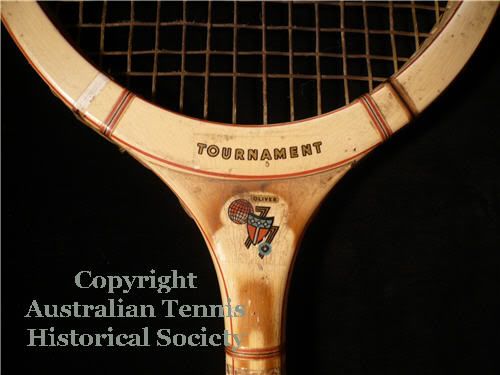
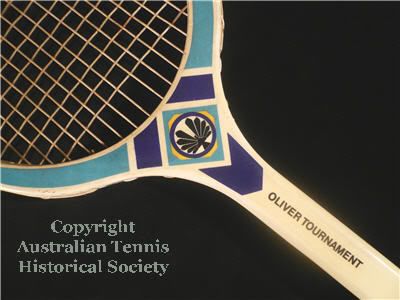
Tournament Model c late 1930-s 1940’s
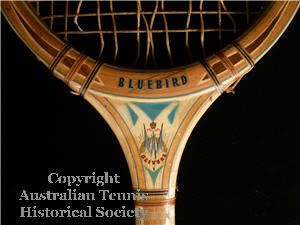
The Frank Sedgman Bluebird Model c 1949 1950 (Frank used Oliver to win Australian and Wimbledon Championships.
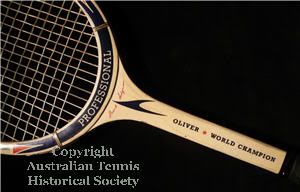
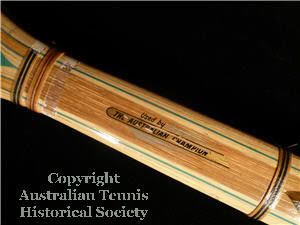
Frank Sedgman Professional Model
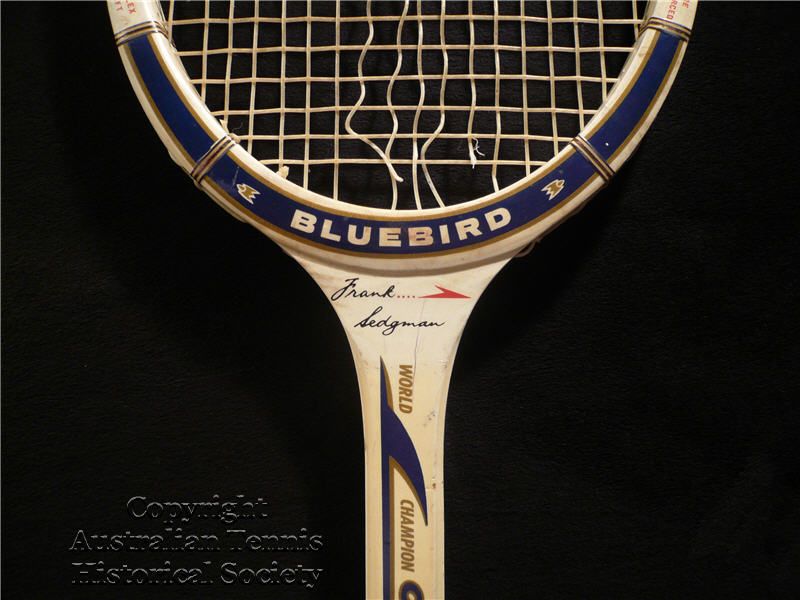
The Frank Sedgman Bluebird 30th anniversary model
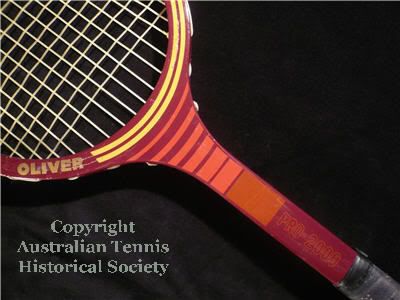
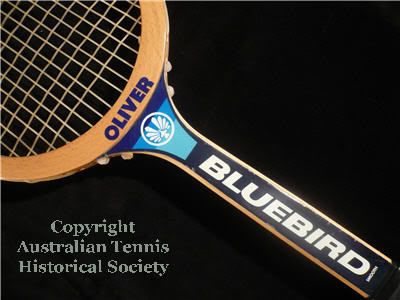
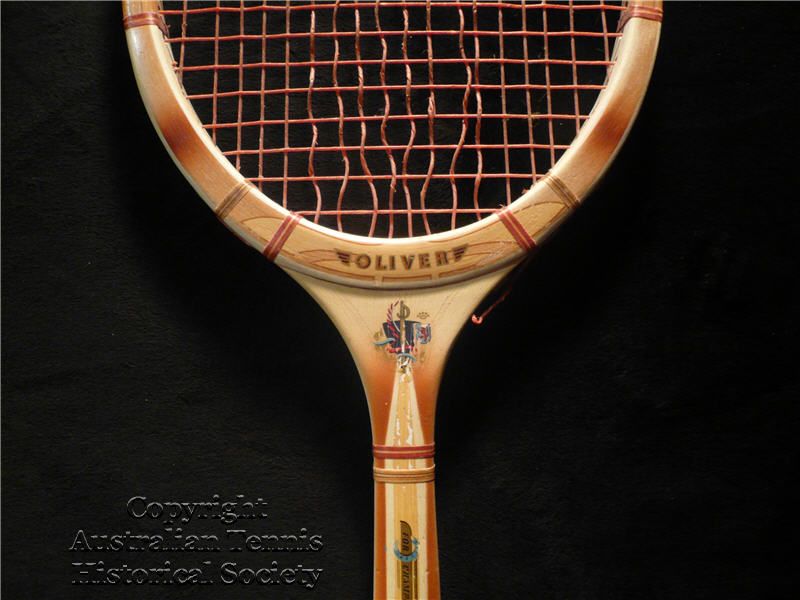
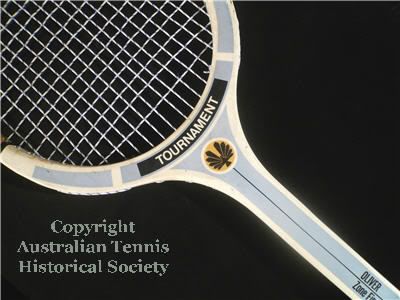
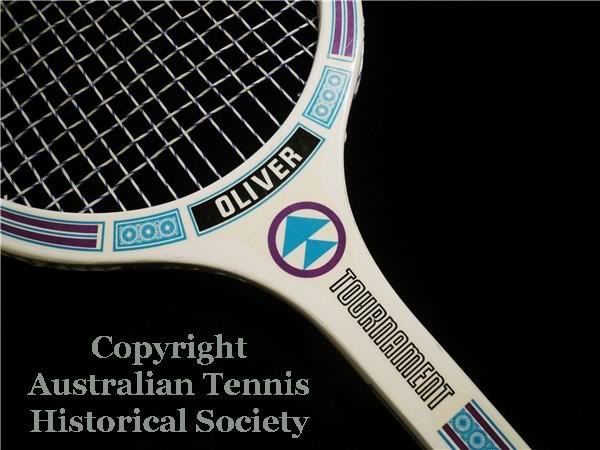
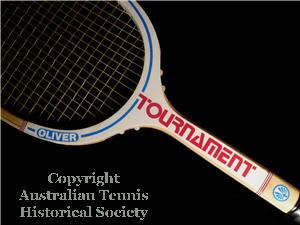
Oliver tournament


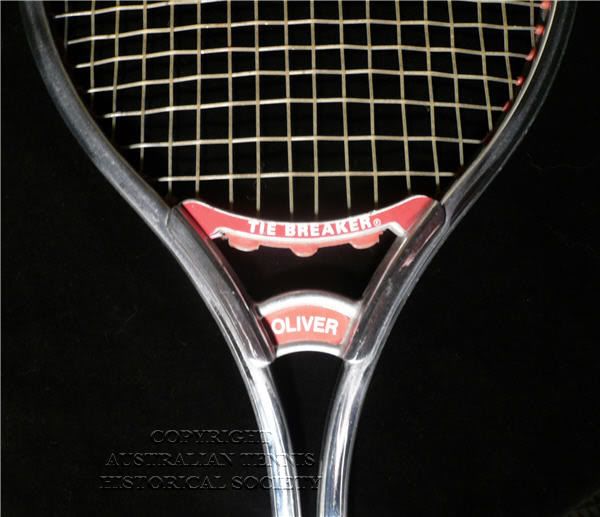
Aluminium Tie Breaker model, identical to Rawlings (USA) models including the John Newcombe signature version.
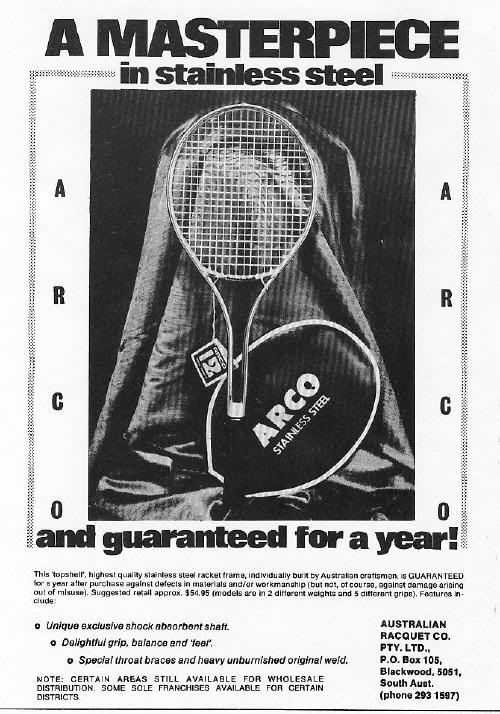
ARCO

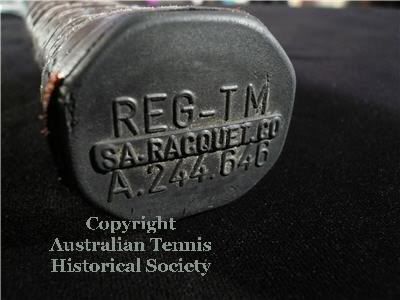
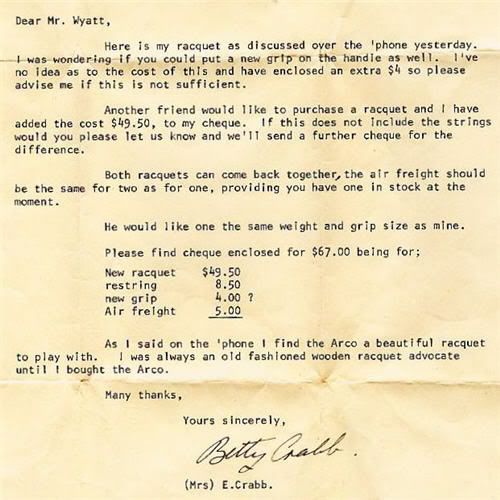
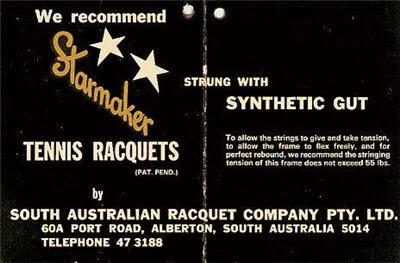
The South Australian Racquet Company began in South Australia in the early 1970’s as the Wilson T-2000 (Lacoste design), Yonex and other metal racquets were starting to gather momentum in the marketplace. The business was started and owned by Charlie Wyatt and he produced the SA Racquet & ARCO racquets at home in “the shed” with assistance from his son Gary.

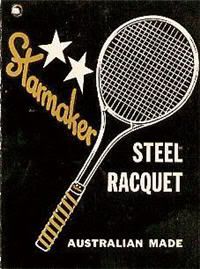
The decision to make racquets came from a conversation with a mate who owned a local squash centre and the first prototypes were squash racquets. These were not successful and so tennis racquets were tried. The very first models, called the Starmaker, were made from carbon steel like the Wilson’s but there were structual issues and so Charlie decided to try stainless steel. Stainless steel was not an easy material to work with and ARCO racquets may well have been a world first in this area, although we do have a photo of a Samuel Fox combination stainless steel/wood racquet, believed to be made in the 1930’s. Certainly, we have no additional knowledge of a full frame stainless steel racquet.

Charlie was an expert in Stainless Steel. He already had a business supplying stainless steel hospital trolleys and equipment and he was one of the pioneers in the development of stainless steel car exhaust systems, security doors and had worldwide patents on the construction of stainless steel yacht masts. His technology and skill included the creation of masts for the famous Australian yacht entered in the America’s Cup, Gretel 2.


Starmaker racquet South Australian Racquet Company

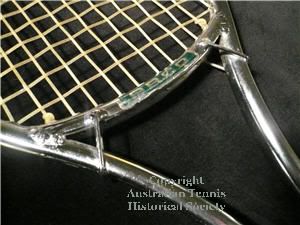
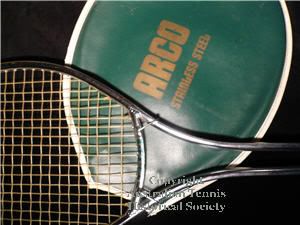
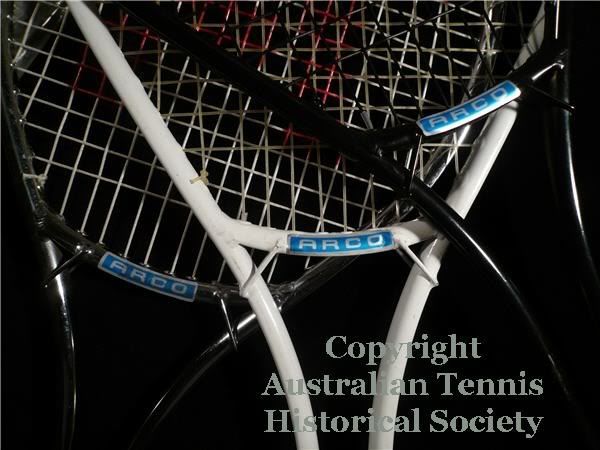
The only Australian made all steel racquet called the STARMAKER c 1970’s. Both the carbon and stainless steel models were of a similar design.  The pics below are of the stainless steel version branded ARCO.


In collaboration with Tubemakers (a large Australia-wide metal fabrication business), Charlie had stainless steel tubing made in the right widths and lengths to create his racquets. The process involved pressing a groove on one side of the tube to create the indentations for the string holes and then the bending process to create the head shape and bringing the end pieces together to from part of the handle. As welding point strength at the throat was an issue in both the carbon steel and stainless steel designs, two support clips were also welded in place. Despite the clips not being overly attractive they made the racquet almost unbreakable. Customers often requested the clips be left off custom orders but they were essential to avoid some of the issues being faced by the likes of Yonex OPS, Spalding Smasher etc who experienced painfully high numbers of welding fracture warranty claims. Charlie was very secretive about the processes and techniques needed to work with stainless steel and guarded his production techniques closely. The racquets had quite a good deal of flex and were very strong, and after exhaustive testing using various string tensions typical for the era, 19lbs mains and 16lb cross tensions were recommended which gave the racquet excellent feel without the loss of power and control.


The very early ARCO’s came with a green cover, gold ARCO logo whereas later models came with blue covers, white ARCO logo and blue/white nylon strings. There were two weights medium M 4 3/8, 4 1/2, 4 5/8, 4 3/4 and Light 4 1/4, 4 3/8, 4 1/2.

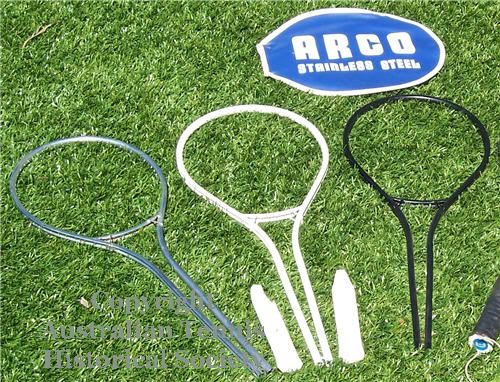
As the mid 70’s saw the arrival of oversize racquets, ARCO developed a version in stainless steel and these proved to be even better than the traditional size versions. Charlie also introduced white and black powder coated variations.

While the initial Starmakers were sold in retail stores, the later stainless steel racquets never really made it into the mainstream retail store network and they were also sold via a Sydney distributor, LINC International. There was an attempt to merge with the Oliver Sporting Goods Company who were closing their wooden racquet production facility in 1984, but this JV did not proceed.

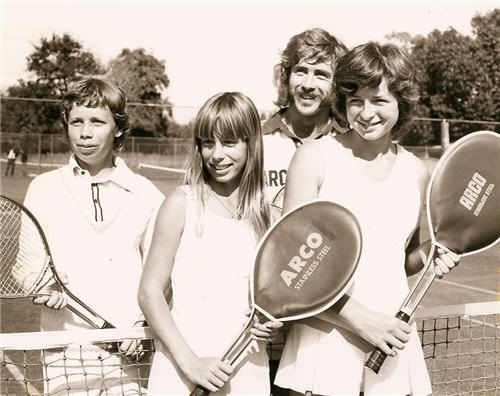
Most sales occurred due to Charlie’s own efforts building a very strong club and coach network which led to sales in the thousands. While most sales were in South Australia, racquets were sold to players throughout Australia and overseas. Charlie even sent a few over to the Wilson T-2000 legend Jimmy Connors but never heard back. Jimmy don’t hesitate to contact us if you recall a very powerful racquet from Oz landing on your doorstep.  In 1977 performance survey showed that in the last 3 state age titles (boys and girls up to U19) ARCO racquets had featured in 50 finals and won 38. Not a bad record.

Small original frame size on the left with powder coated oversize in white/black
in pre-finished stages


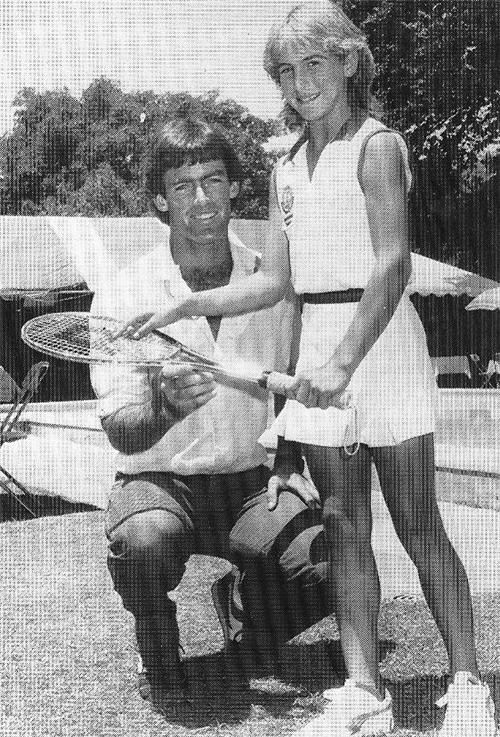
Juniors and Adults loved the racquet and below John Fitzgerald offers support.


ARCO tennis racquet

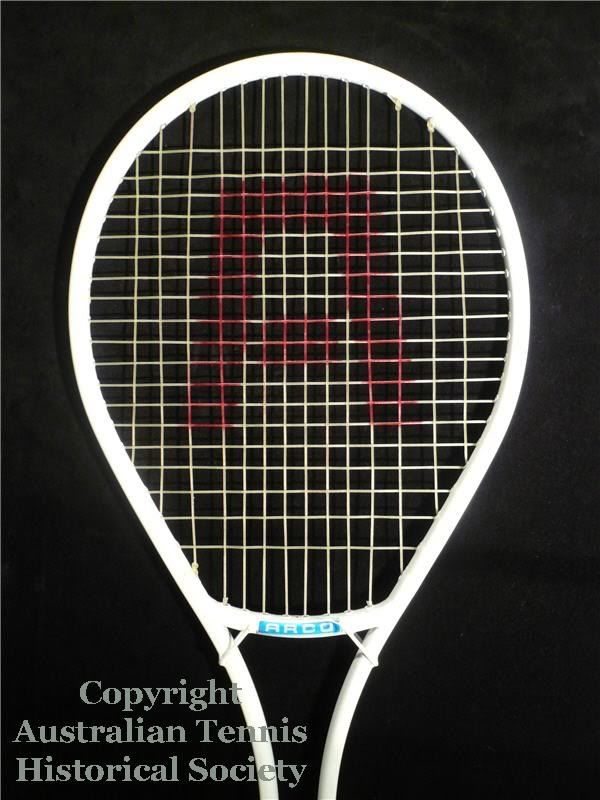
The finished over sized product in black and below in white.

ARCO tennis racquet


Charlie made a good living from racquet sales and was still making them when he passed away 20 years after starting production.

Here is a wonderful tribute to Charlie from a very happy customer:

For Charlie:

I know a man called Charlie whose skills are unsurpassed

He made my ARCO racquet which is another class

Some shots fly off my racquet that make me squeal with delight

While my opponents, beaten, just cringe in fright

Some may think I have a new invention

But no, my racquet is strung to a perfect tension

This ARCO of mine has given me pleasure

And hours of fun too many to measure

So sometime Charlie when you hear your name

It’s me saying thankyou for another game.

Alison November 1987


We thank Charlie’s wife Jean, son Gary and long time mate Ray Bastian for supplying this valuable information about ARCO. A wonderful tennis story about an ingenious Australian inventor.