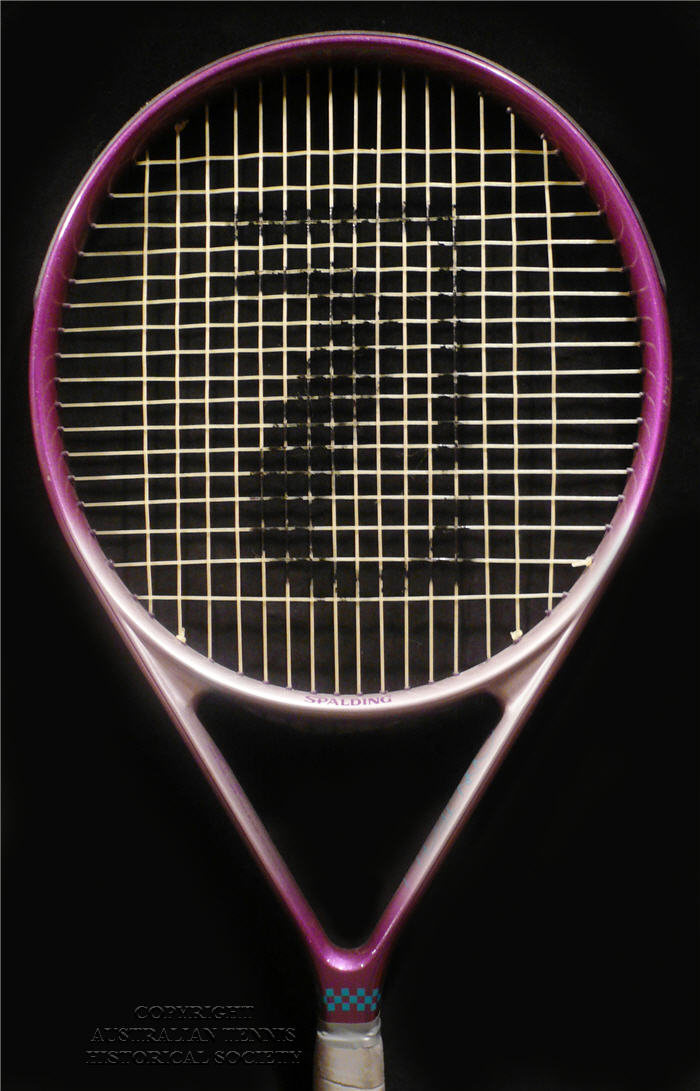
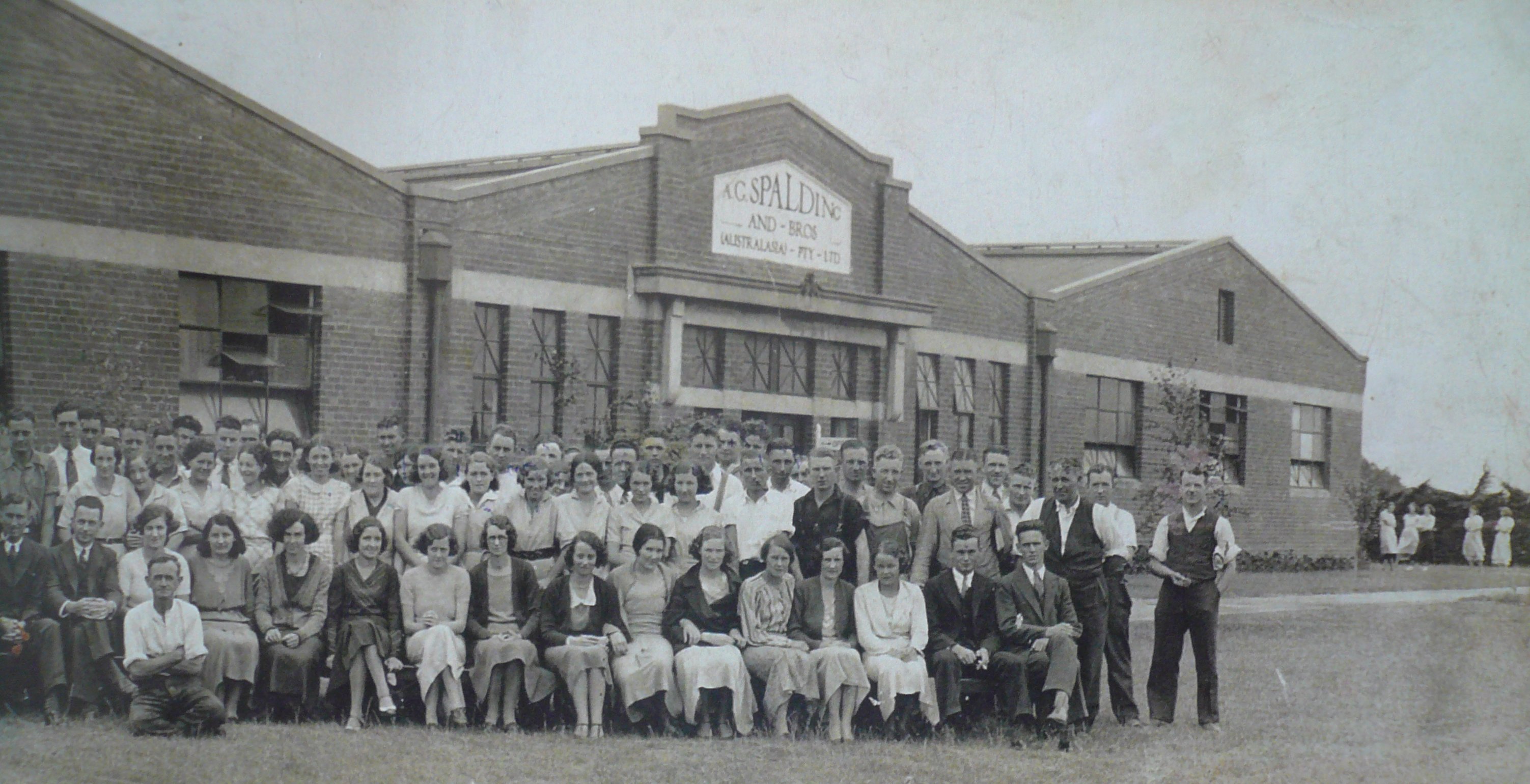
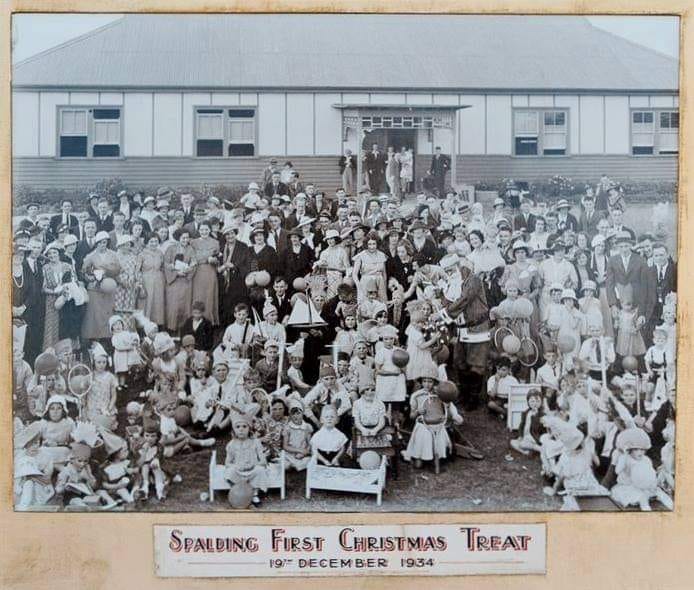
USA Company A.G.Spalding was founded in 1876 by Albert Goodwill Spalding a successful baseball player. While the business was based on baseball the company expanded into a variety of sports, tennis included and sold the famous name “Slocum Tennis Racket” after Henry Slocum who was the second US singles champion in 1888/1889. This racquet was made in Belgium. In 1925, Spalding made the decision to open their fifth plant globally in Australia, adding to those which already existed in the USA, Canada, UK and France. Melbourne was their preferred city and the suburb in which the new plant was constructed was Sunshine. Their decision to set up in Australia was based on the very protective trade tariff conditions which added quite considerably to the retail cost of imported racquets plus the growing popularity of tennis and golf in this country. Companies such as Alexanders and Chesterfield were taking advantage of local production and gearing up for growing demand. The plant was purpose built to make tennis racquets, tennis balls and golf balls. The tennis balls were the new two piece plugless and stitchless type which Spalding had invented. One of the first employees and Victorian Sales Manager was Gerald Patterson a famous Australian player of the era, known for his wins at Wimbledon in (1919 & 1922), the Australian Championship in 1927 and numerous Davis Cup teams. Tennis racquets were imported from the USA in a rough state and then on special machinery they were shaped to the various designs. They did however use Queensland maple and cedar woods for the handles. Projections in the first year were to produce 40,000 racquets. Key 1926 brands were the top of the range Kro-Bat, Gold Medal OS, Gold Medal HIC, Vantage, Greenwood, Crescent and the local (assumed) Sunshine models. Players of the era endorsing Spalding at the time in local advertising were W.Tilden, Bill Johnston and Australians Jack Hawkes, Pat O’Hara Wood and Gerald Patterson. By 1927, the famous Top Flite split throat made an appearance and given Spalding’s global marketing stance, racquets produced in the USA which are in more plentiful supply closely resemble designs made locally. In 1929, there was the Davis-Cup-De-Luxe and by 1930 models included the Peerless and the Endura.

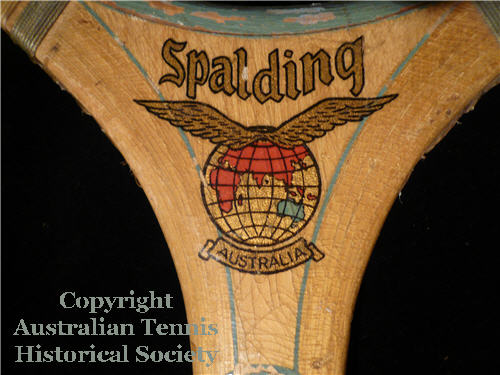
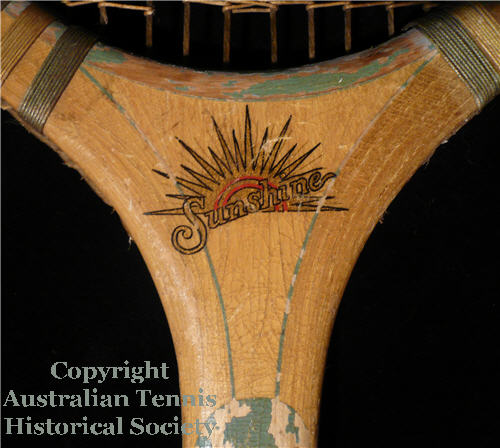
9th Sept. 1926 This is a very early truly Australian Spalding racquet featuring the suburb of “Sunshine” in the logo. Note Australia is highlighted in green which matched the paint colouring on the shaft.
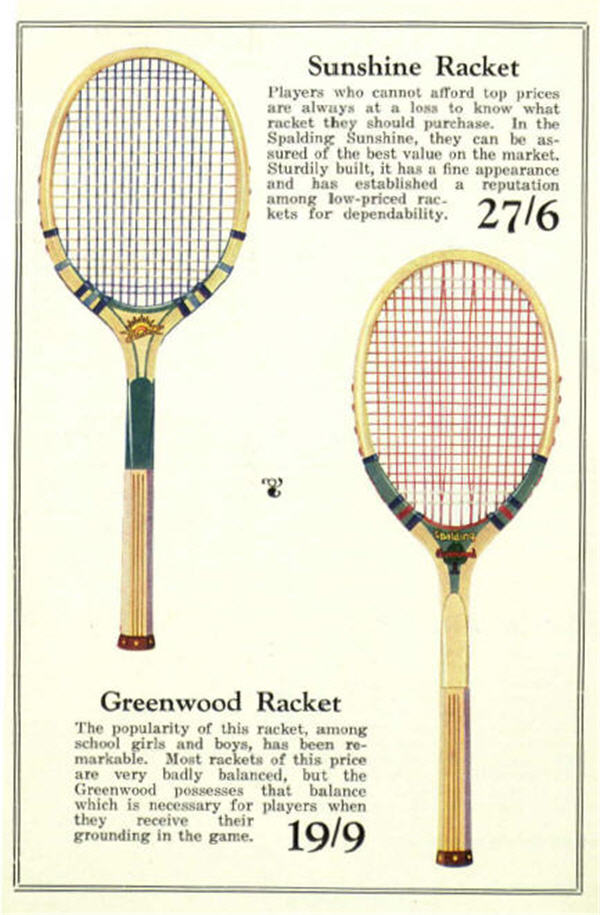
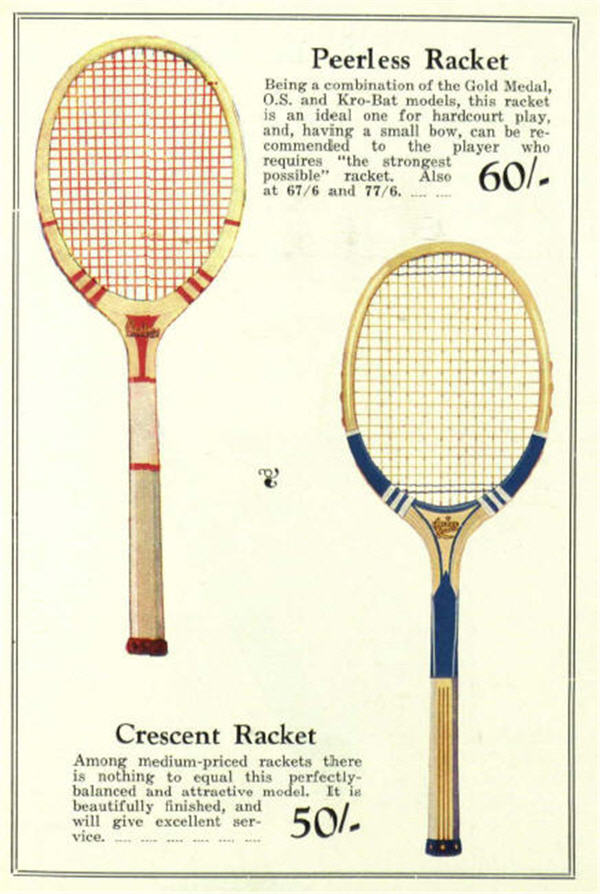
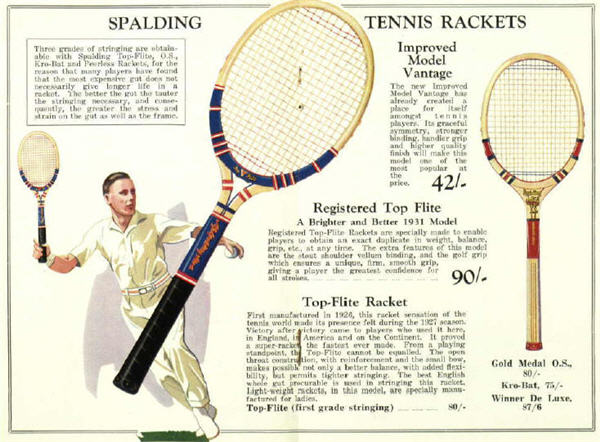
These colourful images were part of the Hartley Retail product catalogue 1930-1931.
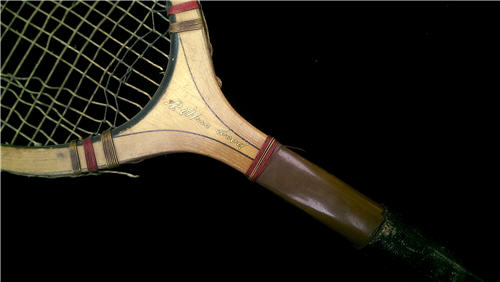
The real model below. The registered number indicates all the racquets were weighed and balanced at the factory allowing a store to order identical racquets for a customer.
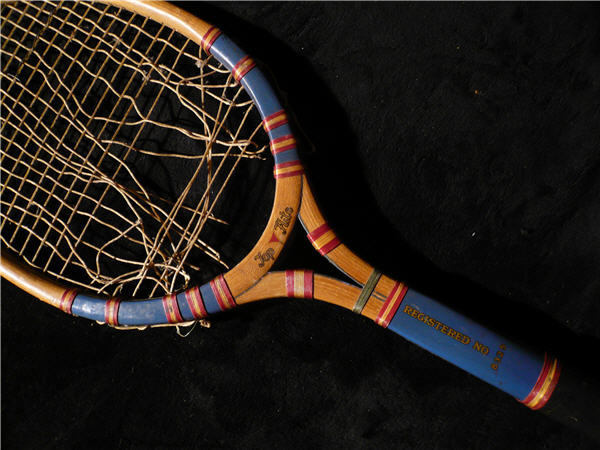
Courtesy of State Library of Victoria. Note the Sunshine model.
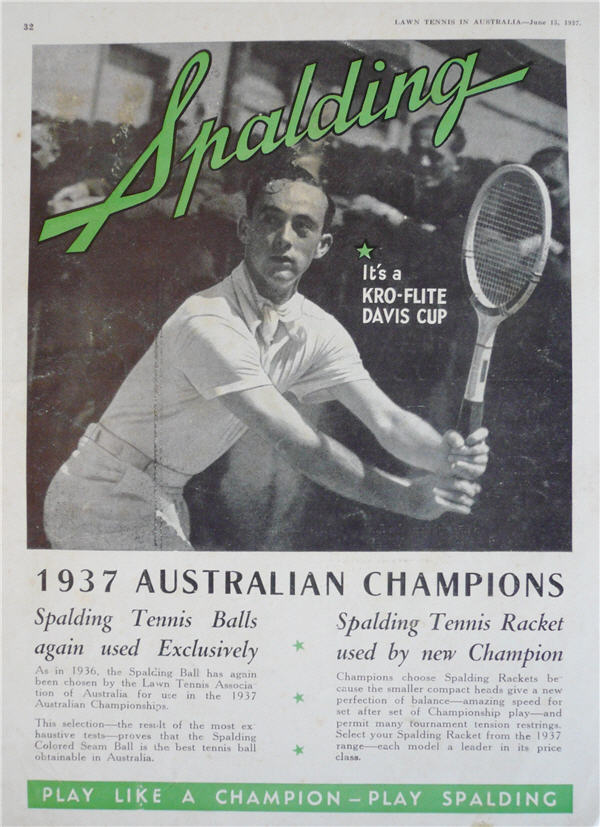
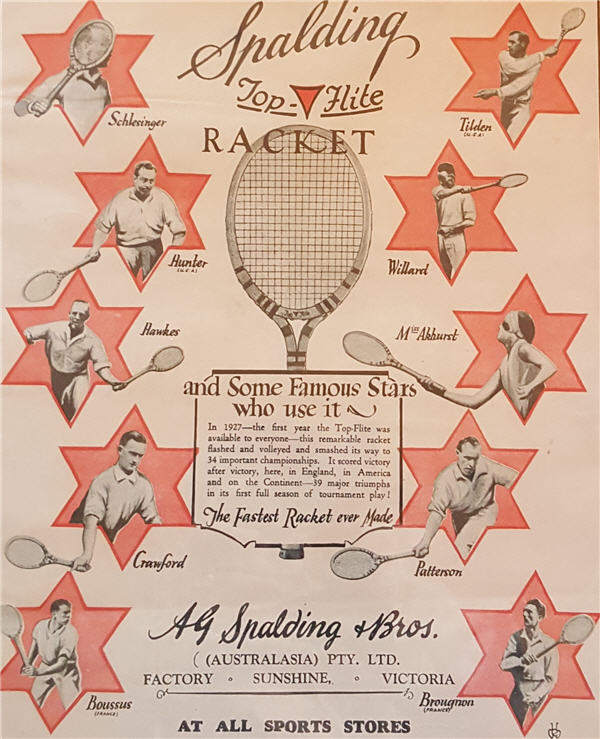
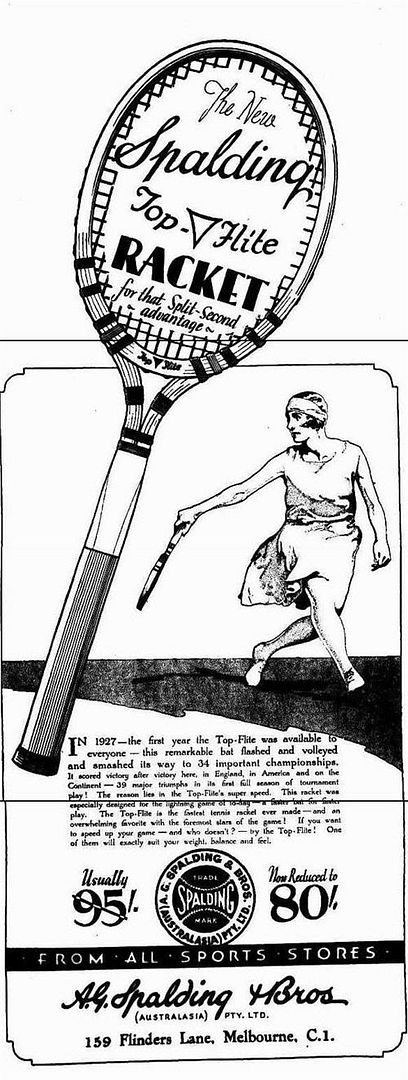
The relationship between Pat O’Hara Wood and Spalding also saw an early signature racquet model being produced.
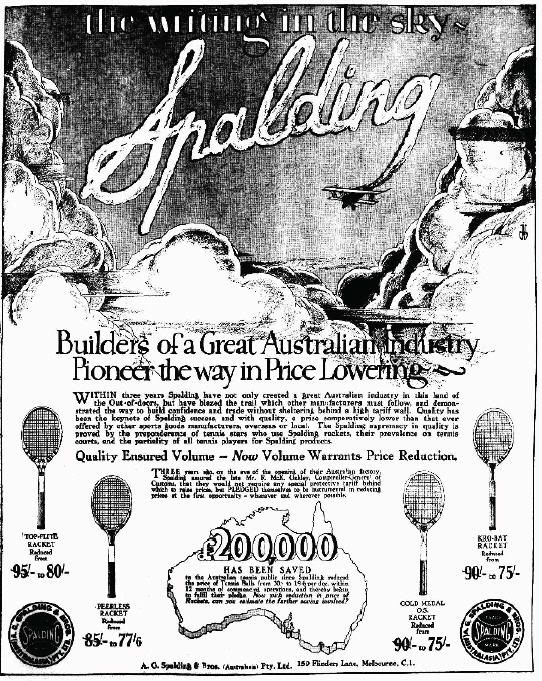
7th September1929
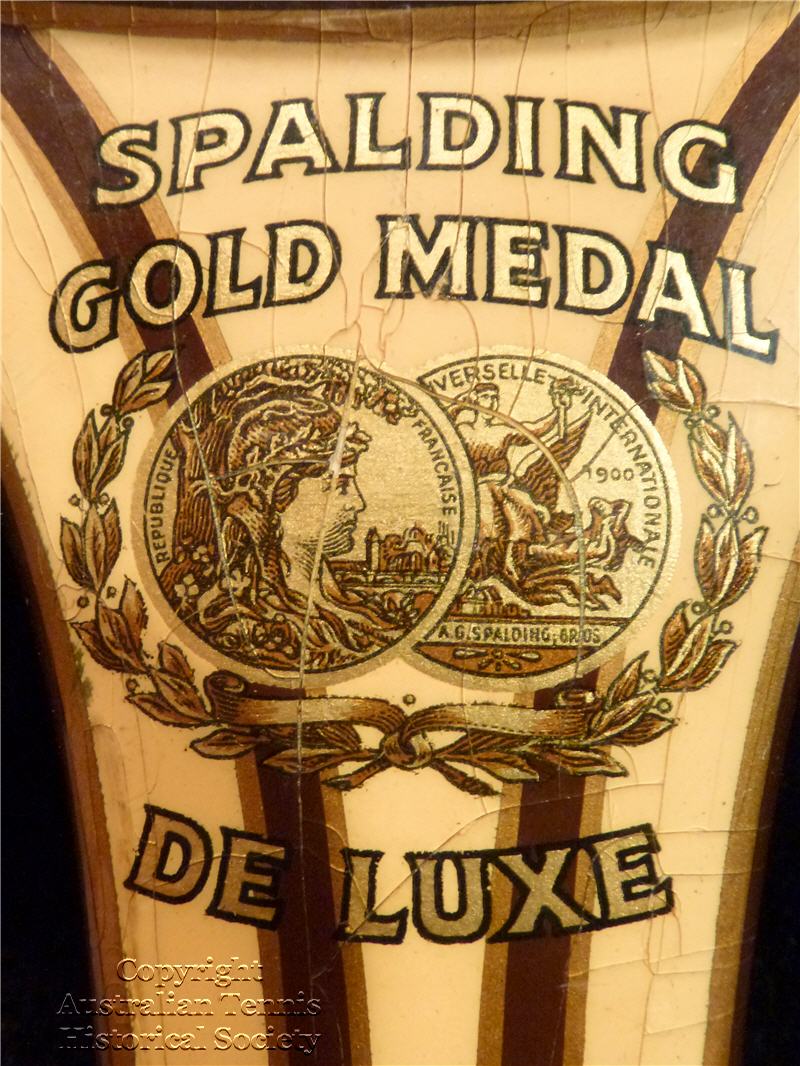
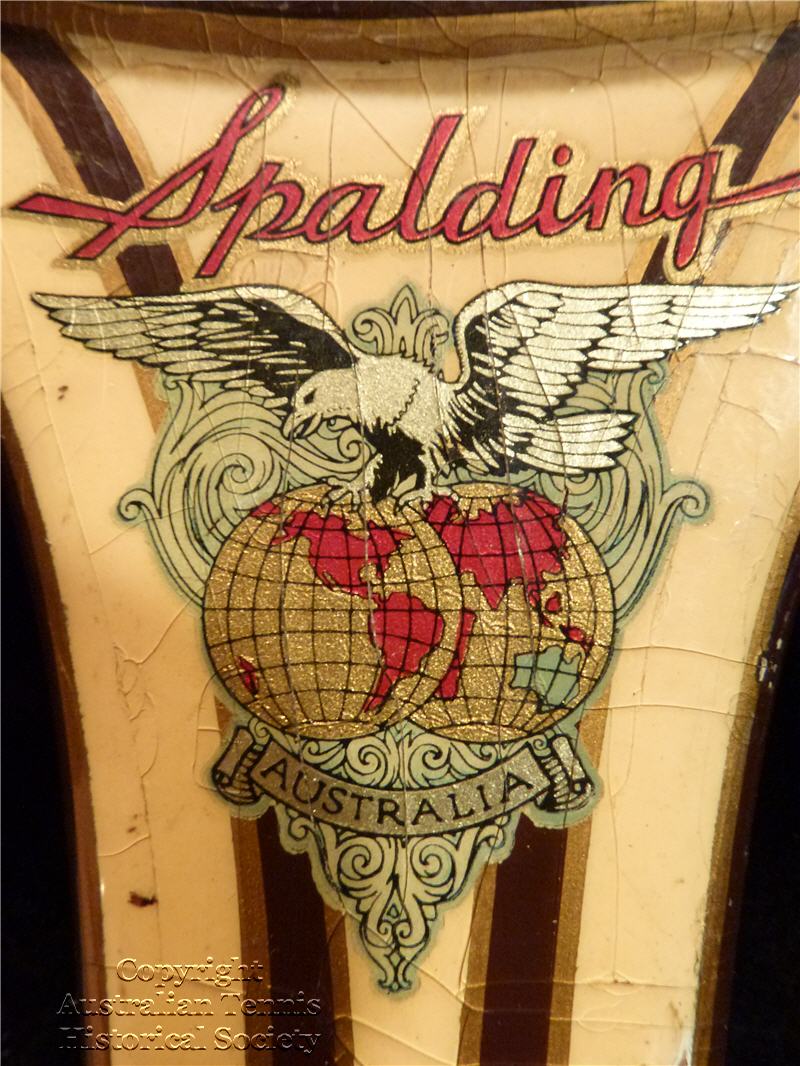
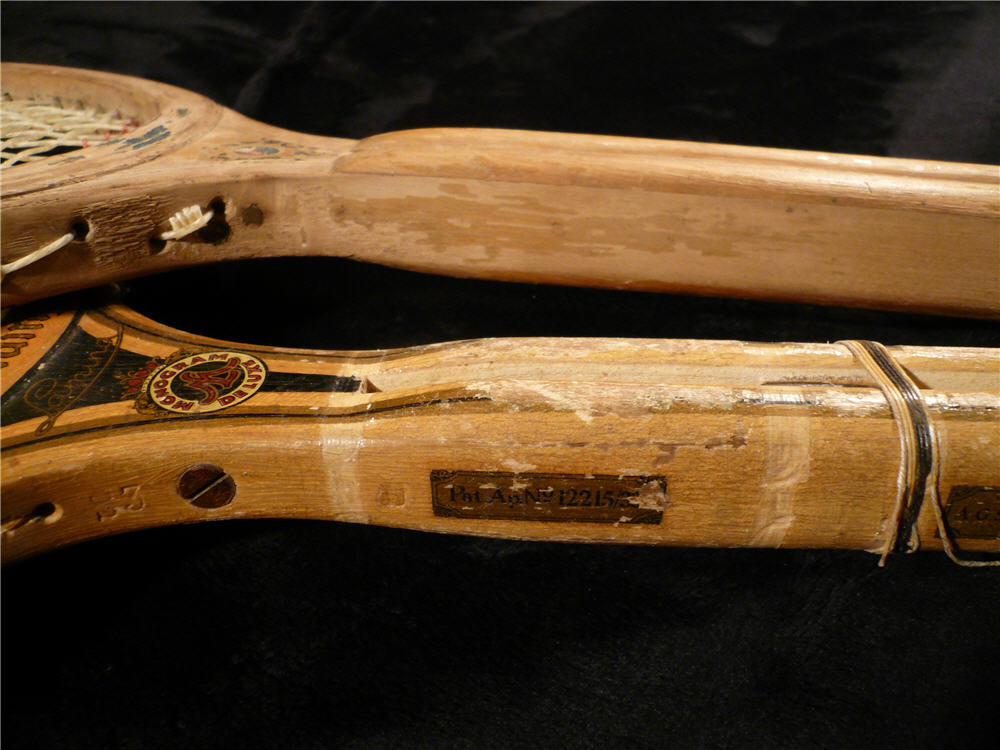
In the mid 1930’s Spalding introduced a range of split shaft models against some of the other competitor innovations including balance weight adjustment and semi flat top models. We discovered this new design was invented by a Queenslander, Hector Donald Adams (pic) and patented here in Australia in 1933/1934 patent number 12215/33.
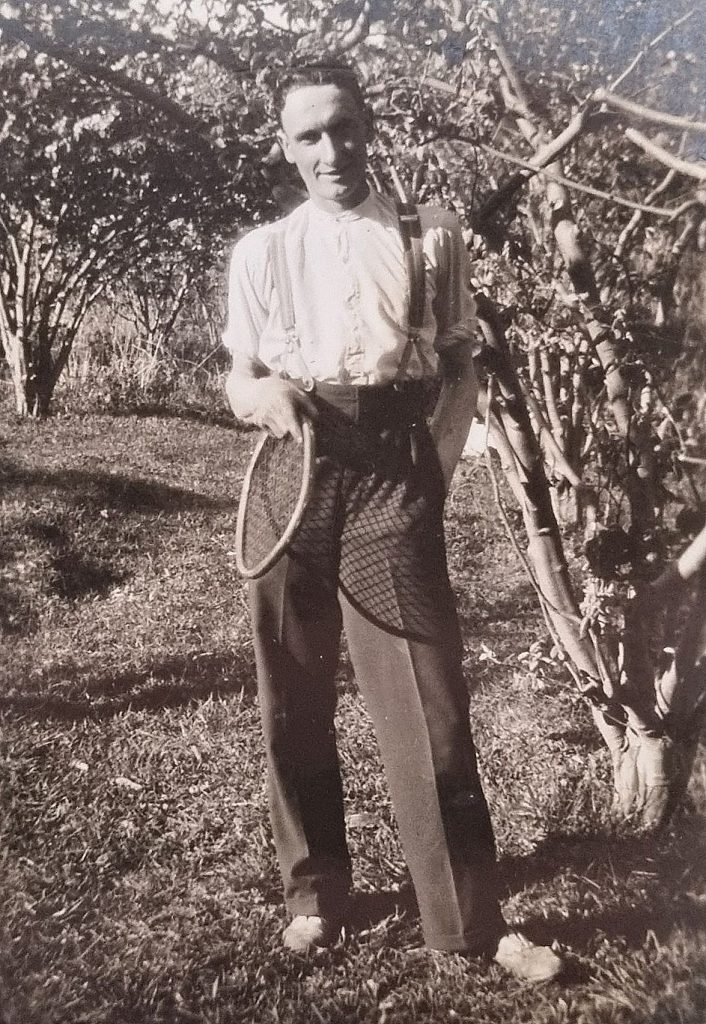
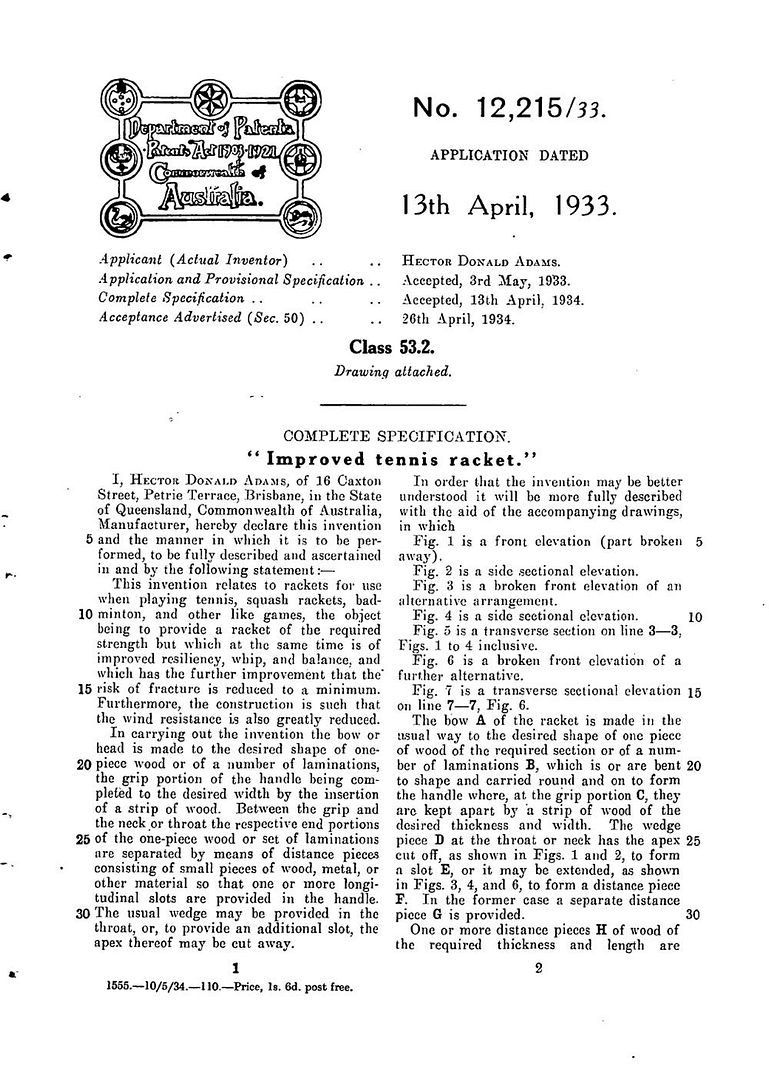
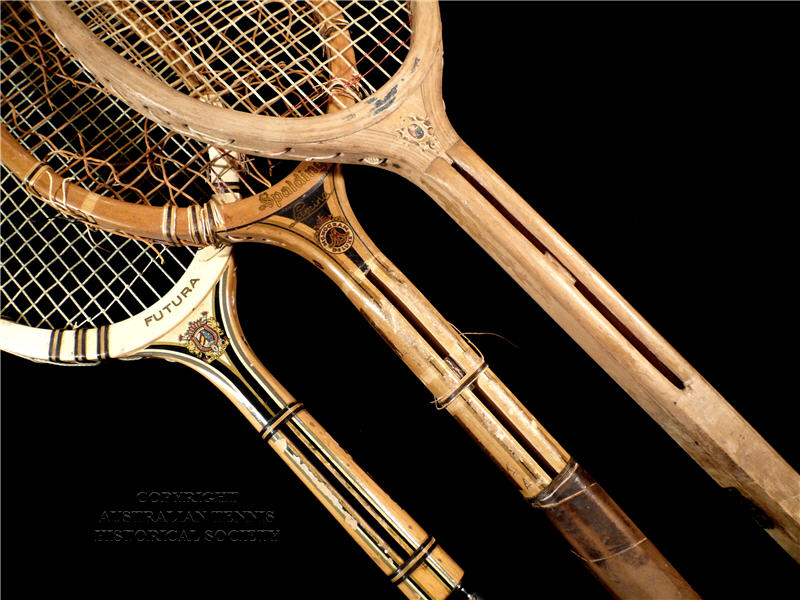
Bluebird proto-type design, below, presumed made in Qld by inventor, Hector Adams.
Another nice uncovering this year was this mid 1930′s Spalding retail store display stand used to hold 5 racquets
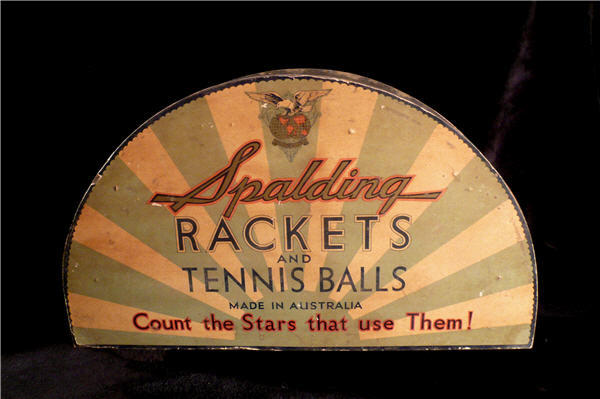
Below we have a shot of the first Grands Slam winner Don Budge who was used extensively as a Worldwide endorsed player. Racquets from the top are Vines Personal, Wightman Cup Ladies Model,Kro-bat Veri Ply, Silver Stream, Hercules (4 star), Vines Autograph (3 star). The first were 5 star as used by the Davis Cup Team.
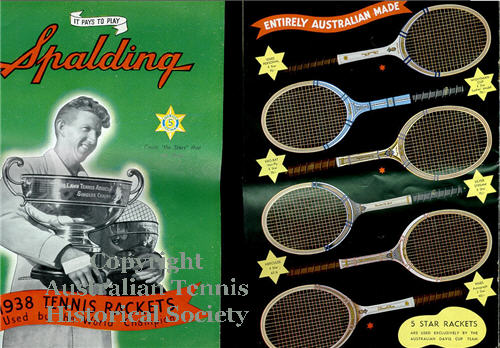
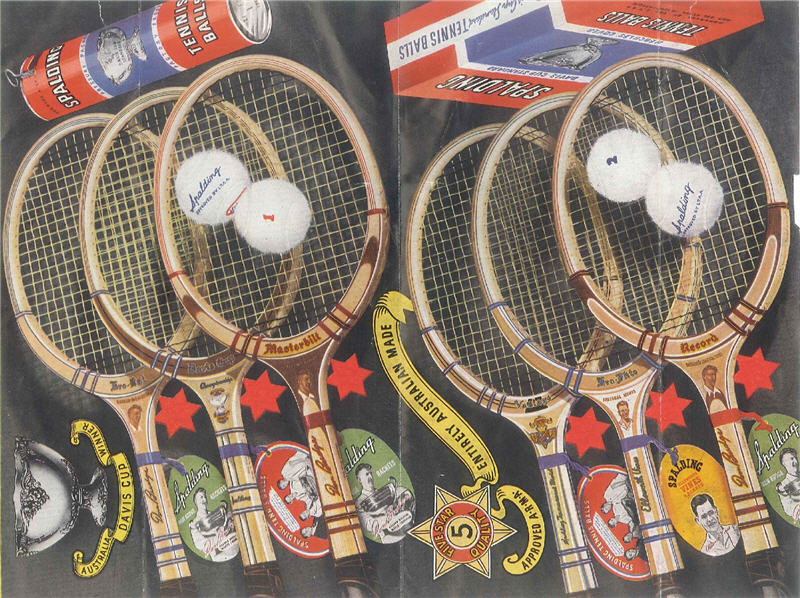
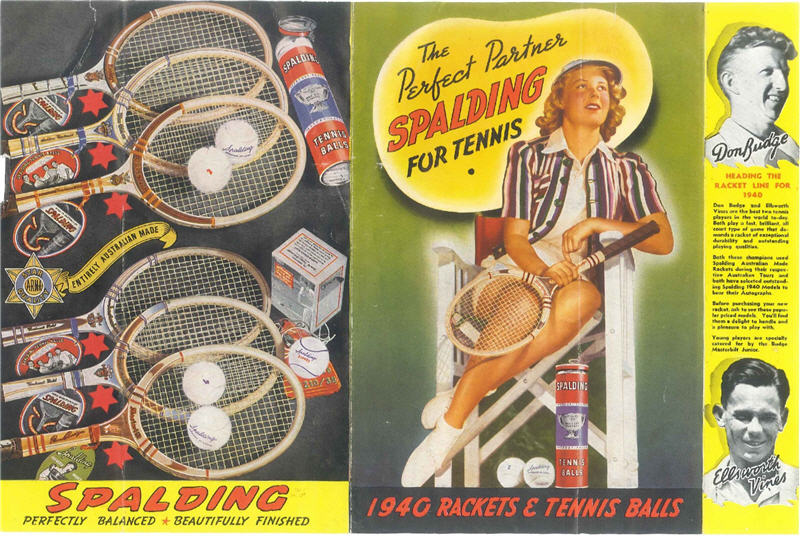
1940 Catalogue featuring the Don Budge model
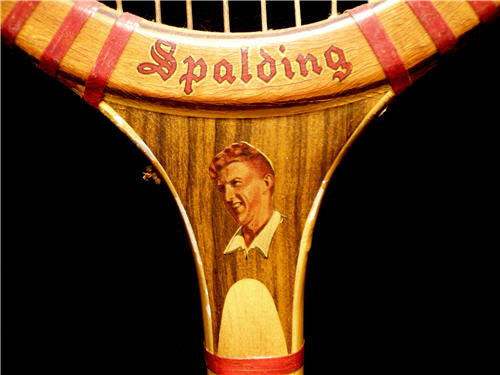
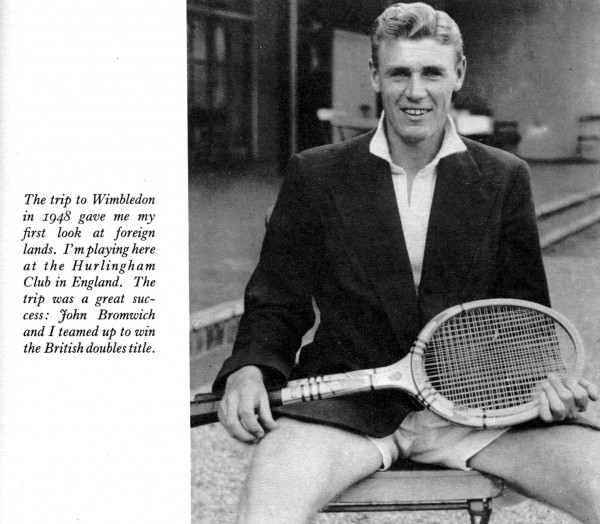
Frank Sedgman used the Spalding Don Budge model to win his first Australian title.
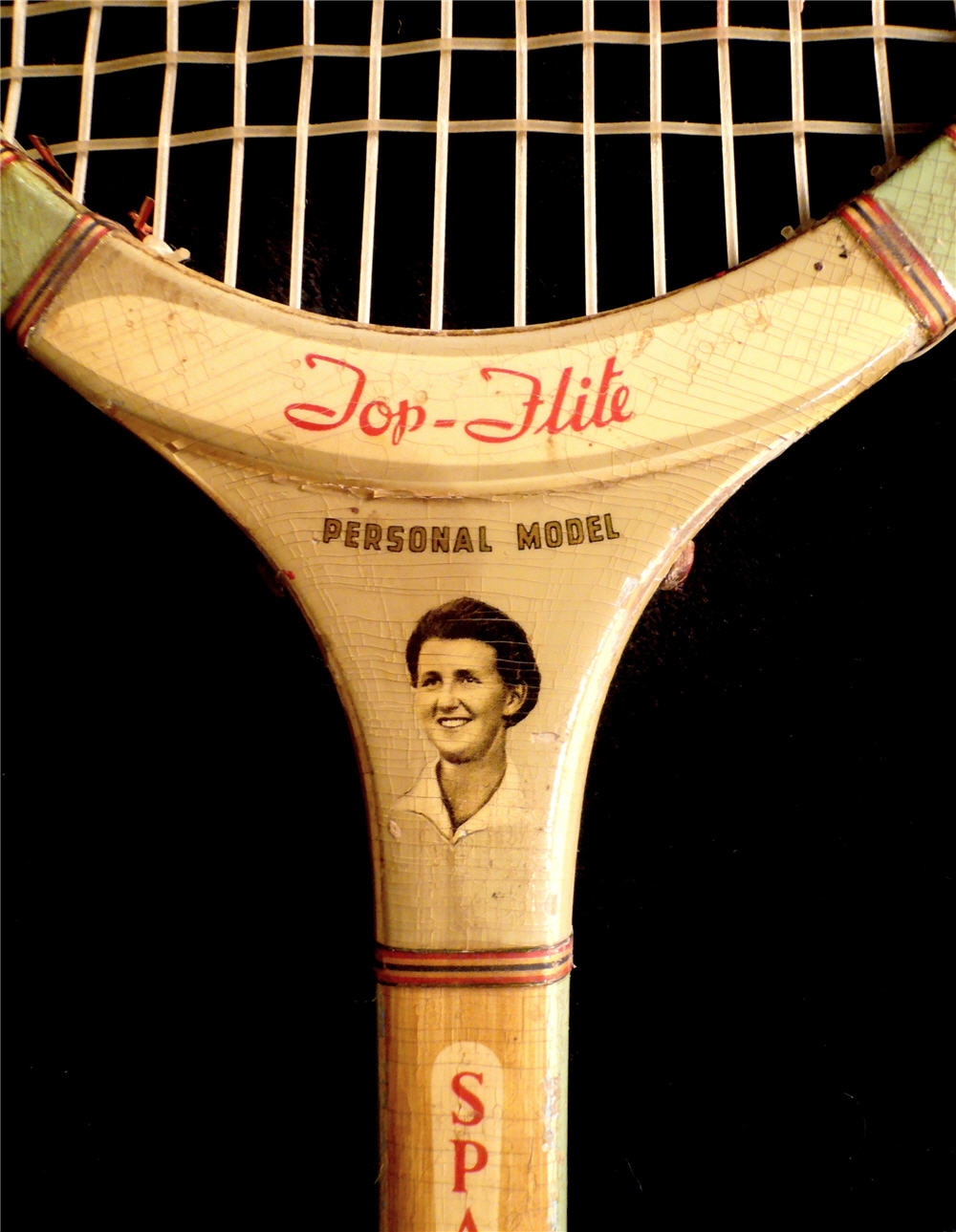
This locally made racquet from the late 1930-1940’s shows champion player Nancye Bolton (Wynne). She won the Australian Open in 1937, 1940, 1946, 1947, 1948, 1951, RU 1936, 1949 Spalding acquired Alexander Tennis Racquets over a period from 1957 to 1961 and integrated the machinery into the Sunshine plant. They even attempted to continue the ‘Cressy’ name with a Spalding model.
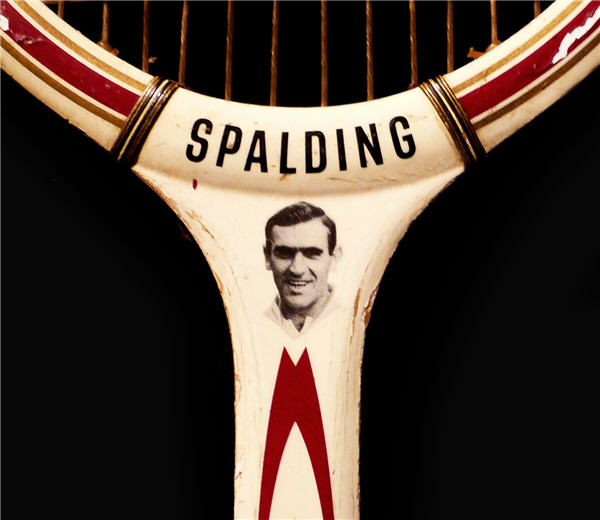
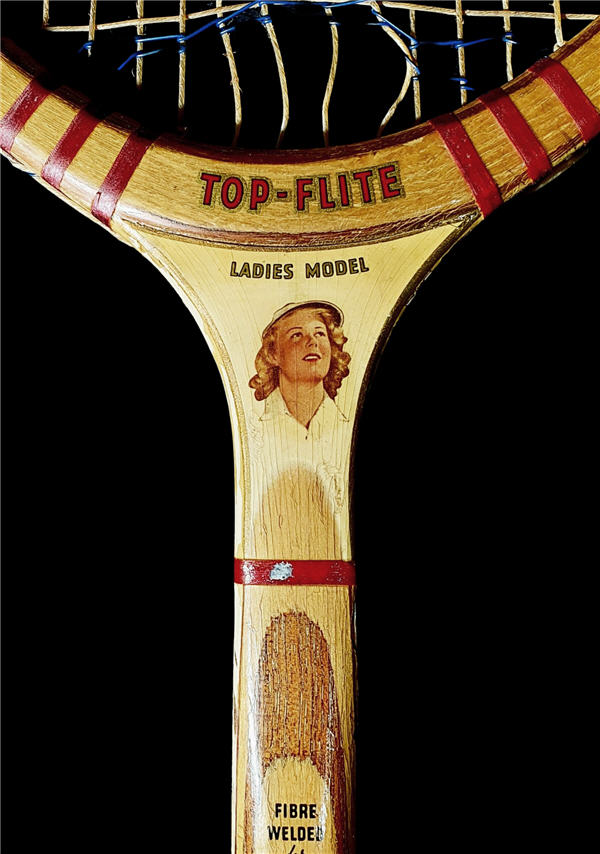
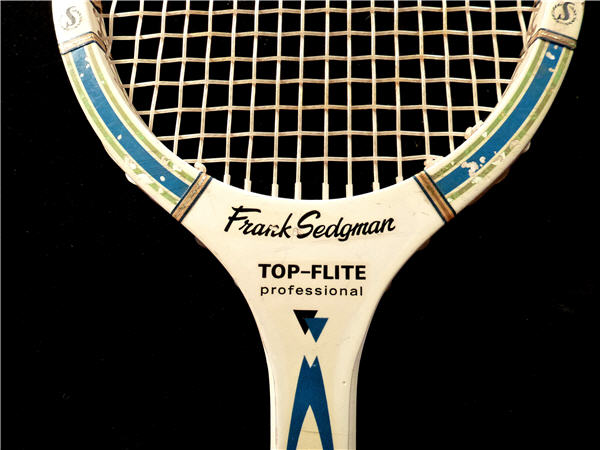
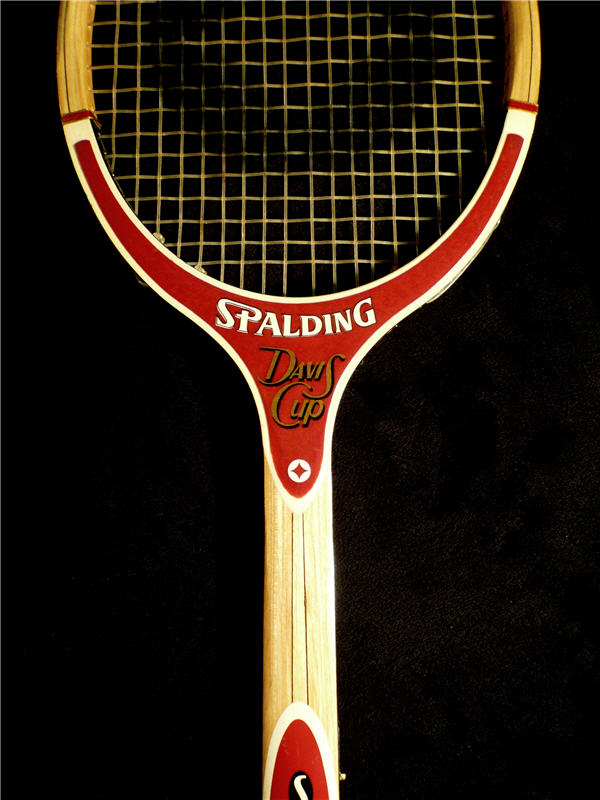
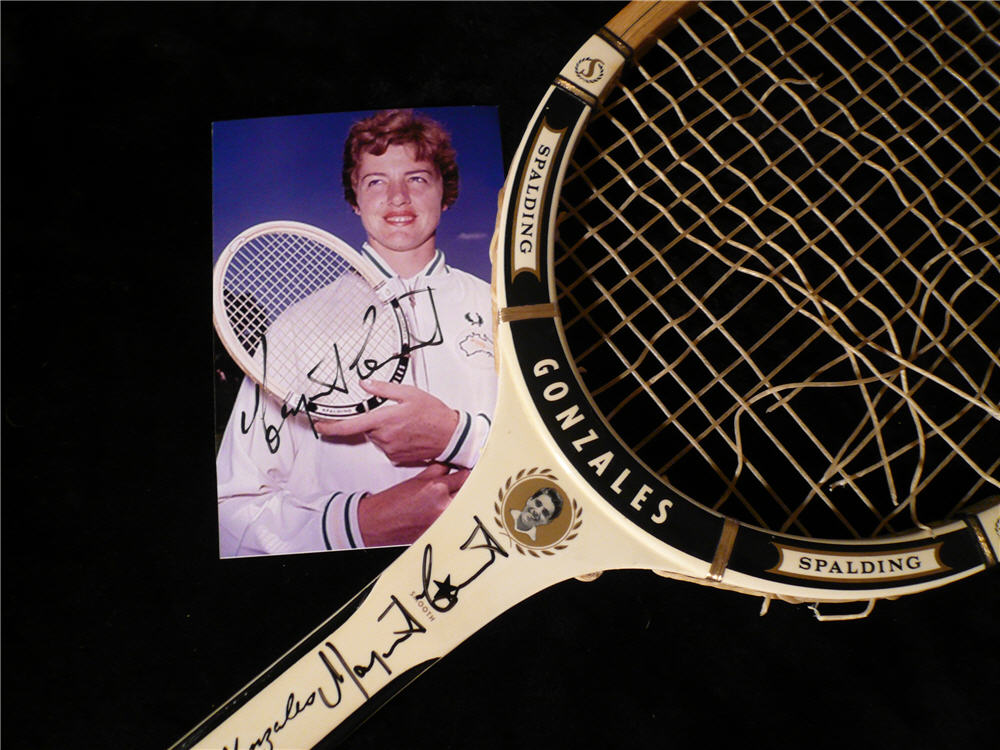
Margaret Smith (Court) won her first Australian Major singles title with an Oliver model but switched to Spalding Gonzales model. She switched to Slazenger for most of her career owing to a dispute over playing exhibition matches in Australia instead of letting her travel overseas.
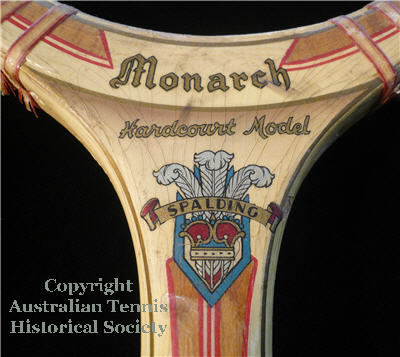
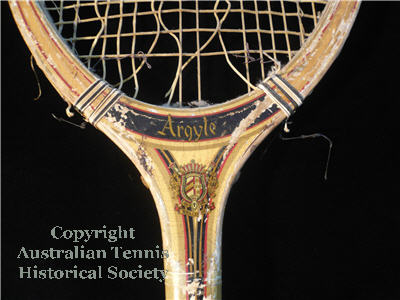
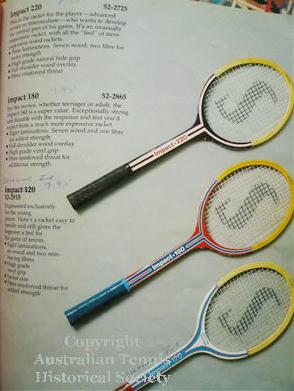
The 1975 Australian line up
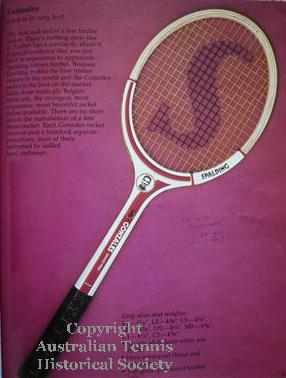
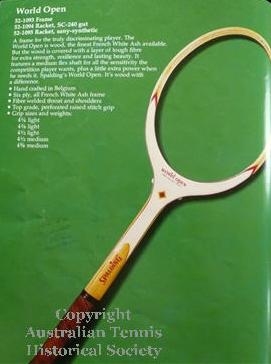
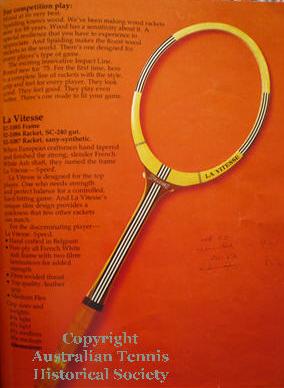
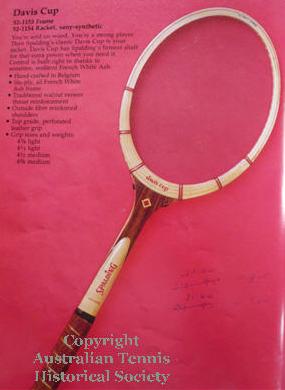
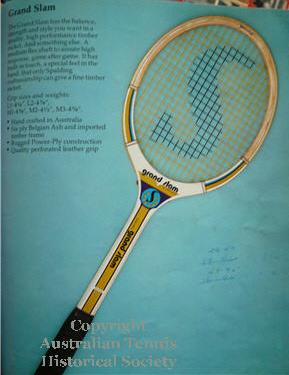
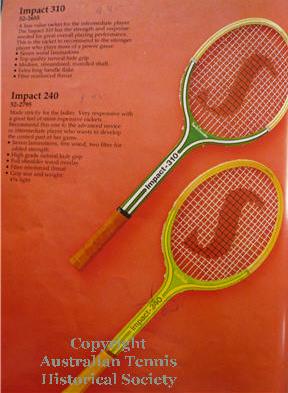
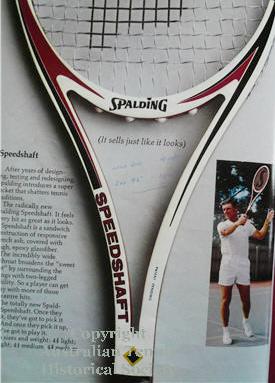
The very attractive Speedshaft racquets were made by Snauwaert in Belgium.
Frank Sedgman as a retired Masters player endorsed Spalding.