Unusual Vintage Tennis Racquets 3


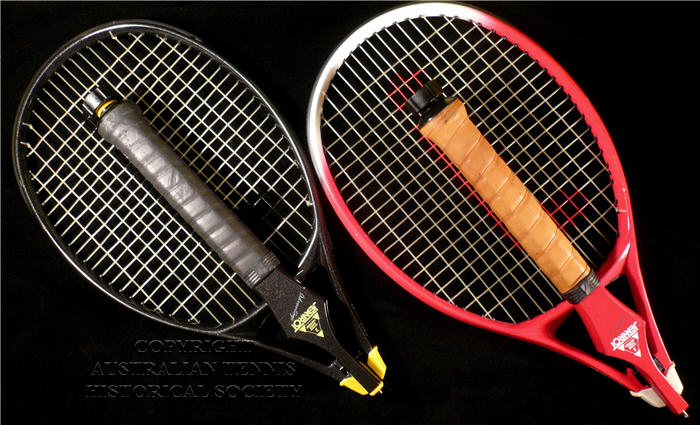
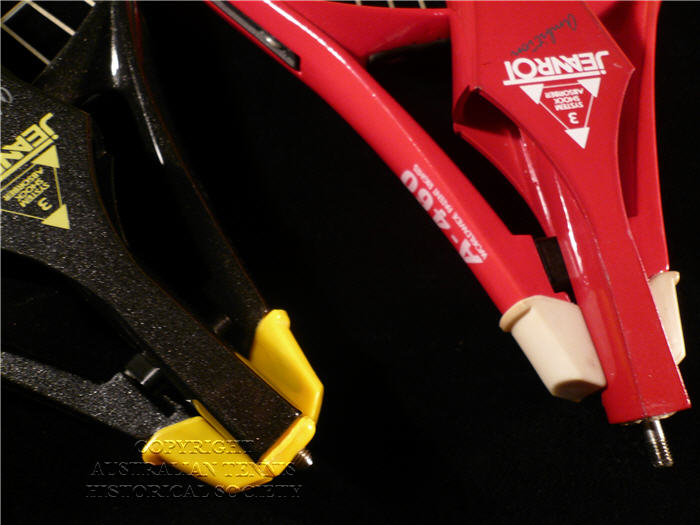
 The Jeanrot Foldable  Racquet c 1985

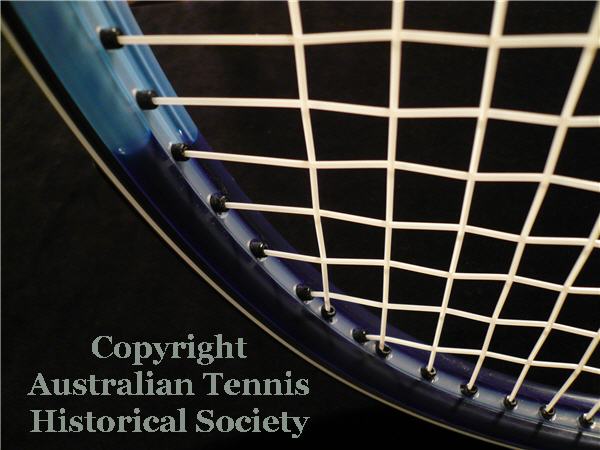
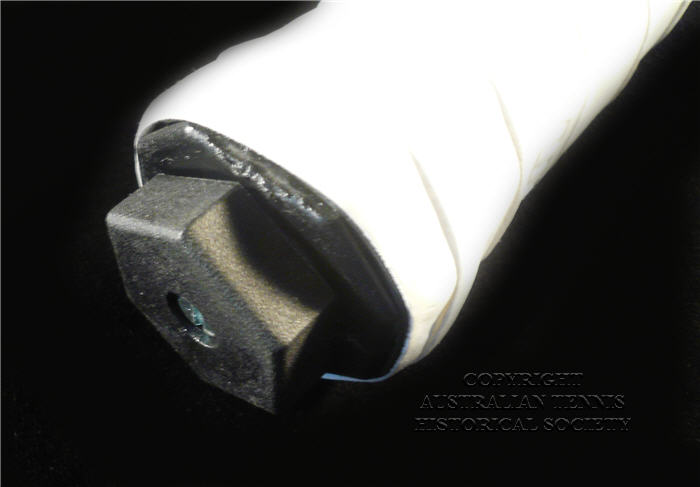
A butt cap unwind system untightens the screw section in the throat allowing the racquet to pivot apart.

In 2007 a reincarnation emerged called the JENRO which came apart completely for compact packing.
This is shown in the Modern Unusual section.
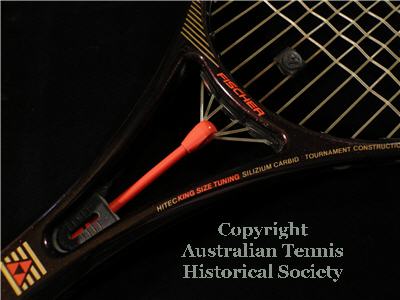
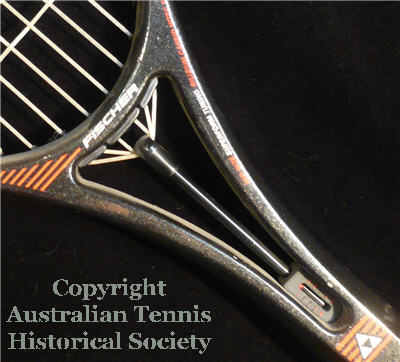


Fischer Superform Tuning c1985

Just like the 1928 Craven racquet above, the rod like device is tightened from the handle and the string tension is adjusted.

The red/deep purple version is the rarer of the two.
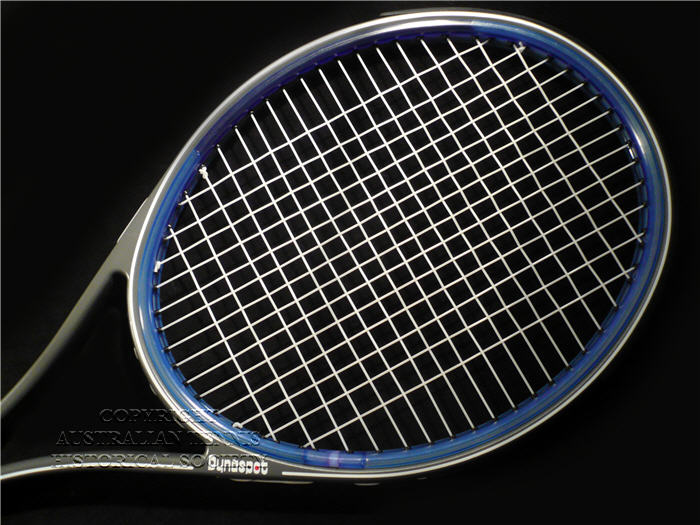
 

Dynaspot (USA)

c mid 1990’s

Fluid filled tube adjusts weight in the racquet head to counter offset hitting and vibration.

Banned under ITF rules.
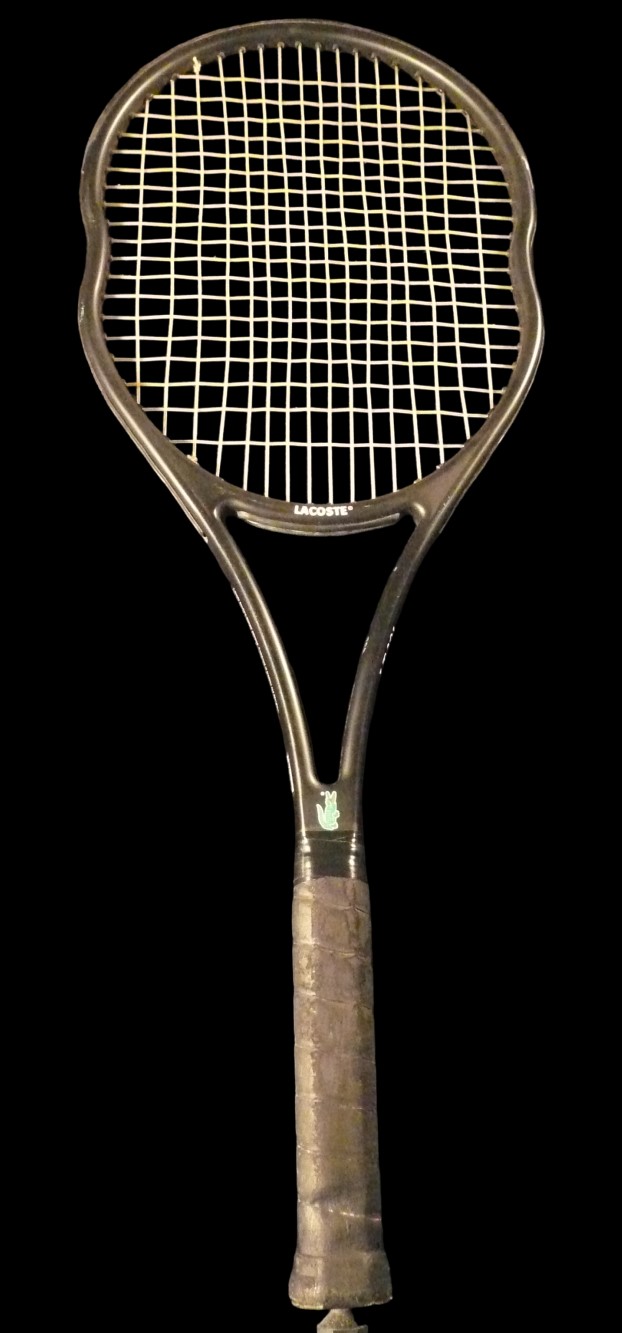
 Lacoste Equijet mid 80’s

Used by Guy Forget.

No it isn’t sun damaged! Another interesting Lacoste design which aims to change the sweet spot via altered string tensions. It has a unique Vibration system in the butt cap which carried through to the Wilson T5000 model
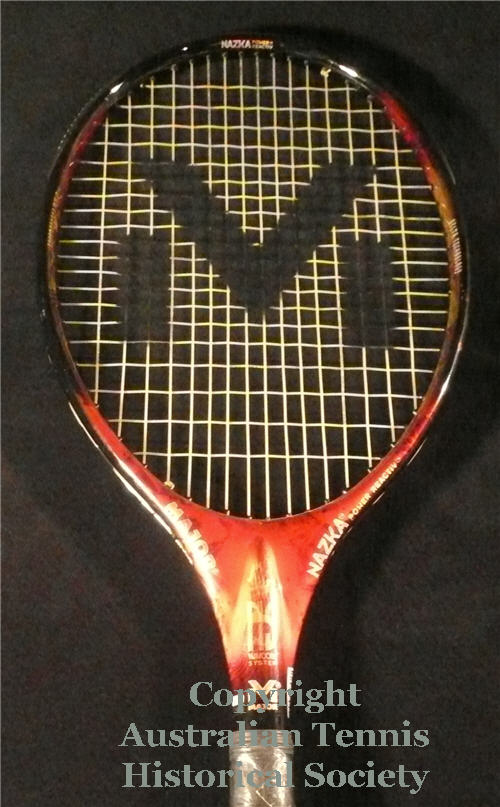
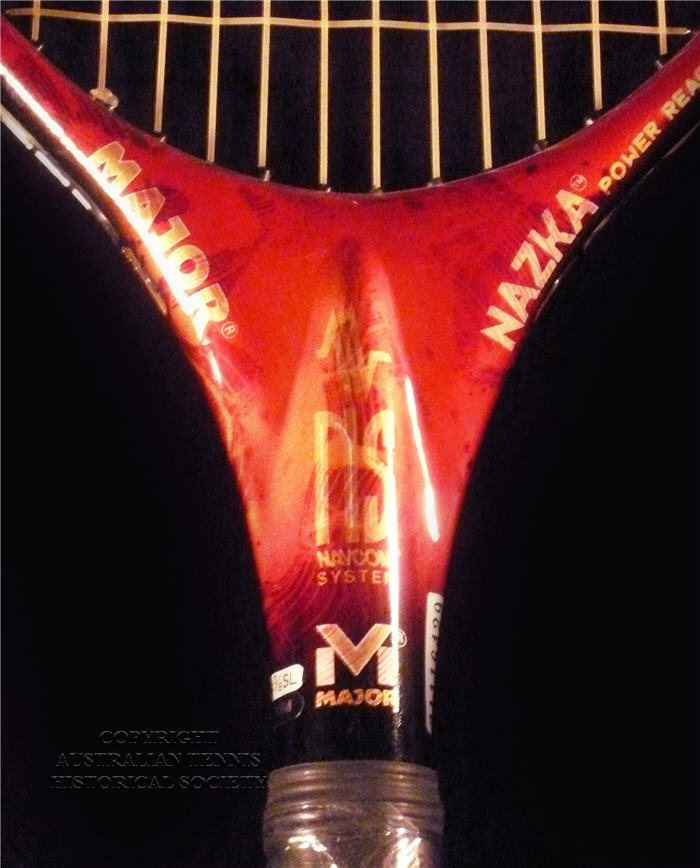
Major Nazka 1990’s

Retro design with vibration dampening system in the middle of the shaft. Graphics and shape are just great
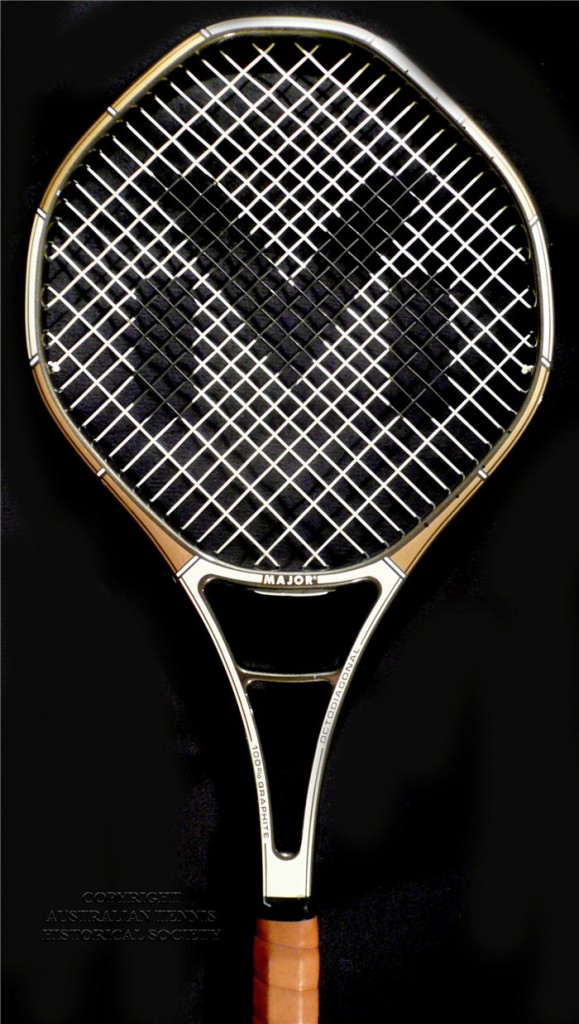
Major Octodiagonal

Terrific shape aka Macgregor Bergelin style.
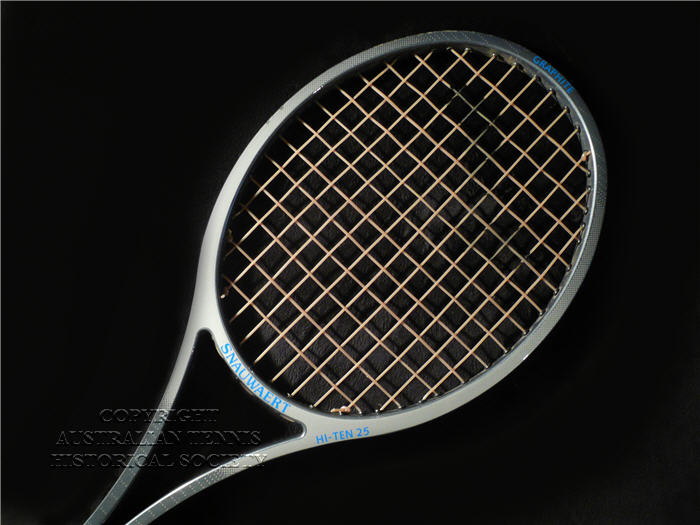
Snauwaert Hi Ten 25 (early 1990’s)

From a 3 range 25,30,50 using open pattern and 1.7mm strings. Designed by Australian player, Barry Phillips-Moore.

This one is a 12 main x 13 crosses. Other models  16 x 12 etc. as the heads get larger.

Mark Woodforde apparently enjoyed these racquets for the huge spin capabilities of the stringing pattern. He went on to use a version of this in a Wilson model. Barry licensed this idea to Josan ( a Yonex Distributor connected brand from Sydney)
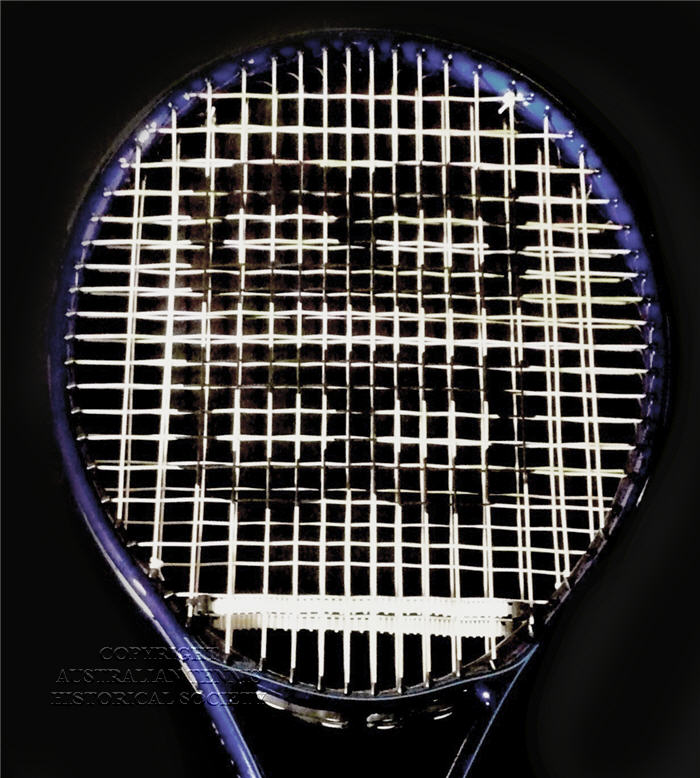
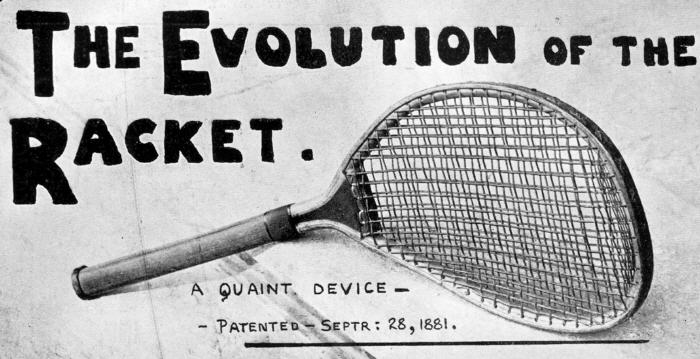
Blackburne Double String Late 1990’s

Racquet with two sets of strings about 2mm from the lip of the frame designed to reduce frame hits. The racquet warps when being strung due to the string pressures on one side and then reverts to shape as the second set is fitted.

The earliest evidence if a similar comes from 1881 as printed in the UK Lawn Tennis and Badminton Magazine in 1914.
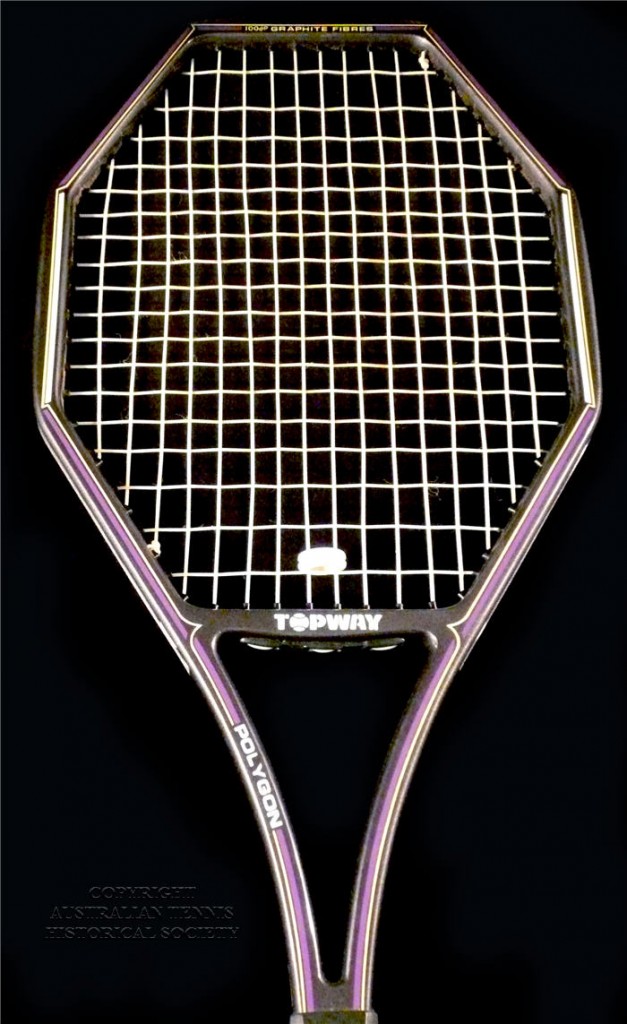
Topway Hexangonal

Very unusual shape made in Taiwan.

Dunlop Japan also marketed this design as their the Polygon model.
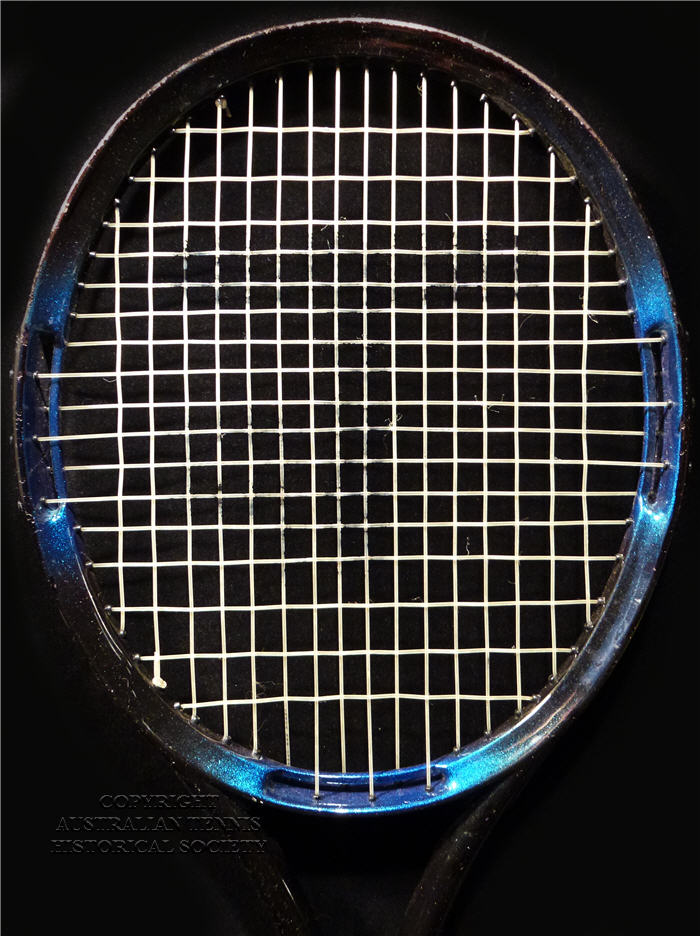
Tour Pro (nothing else known) great frame shape dividing the strings on all four sides.
Similar concept to a Bjorn Borg signature, Black Crystal racquet.
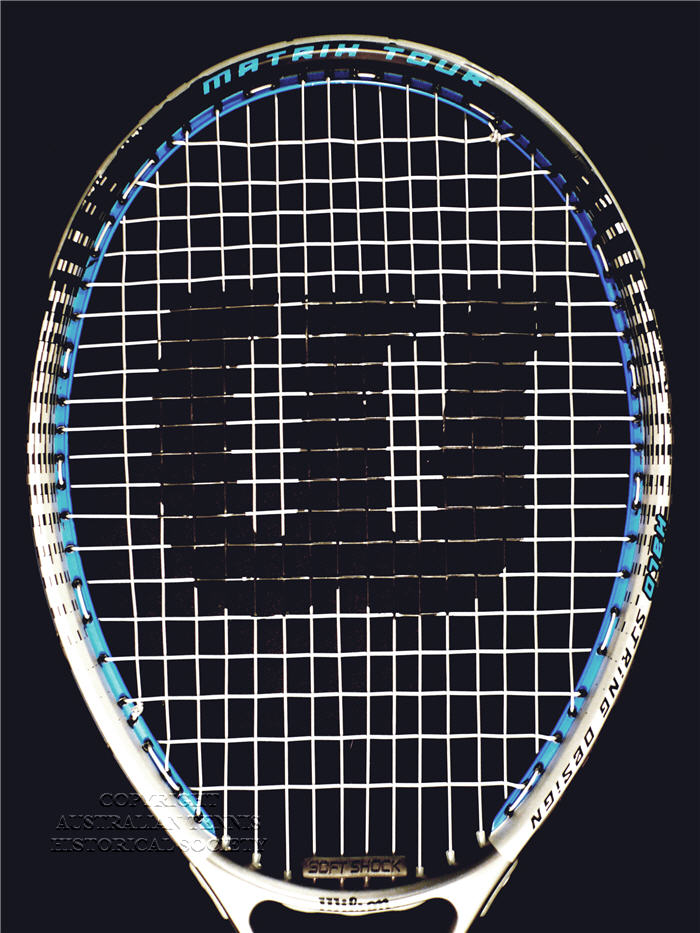
Wilson Matrix internal stringing system along the lines of the Seamco / Seamless model from the mid 1970’s
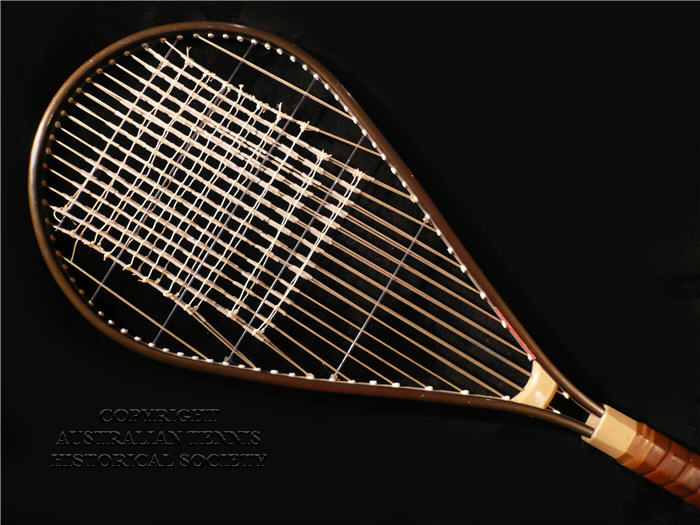
The Kuebler Phillps Moore c 1980 in Germany

Named after South Australian player and journeyman, Barry Phillips Moore.

This sample has been strung using a stringing technique called ‘spaghetti’ stringing.
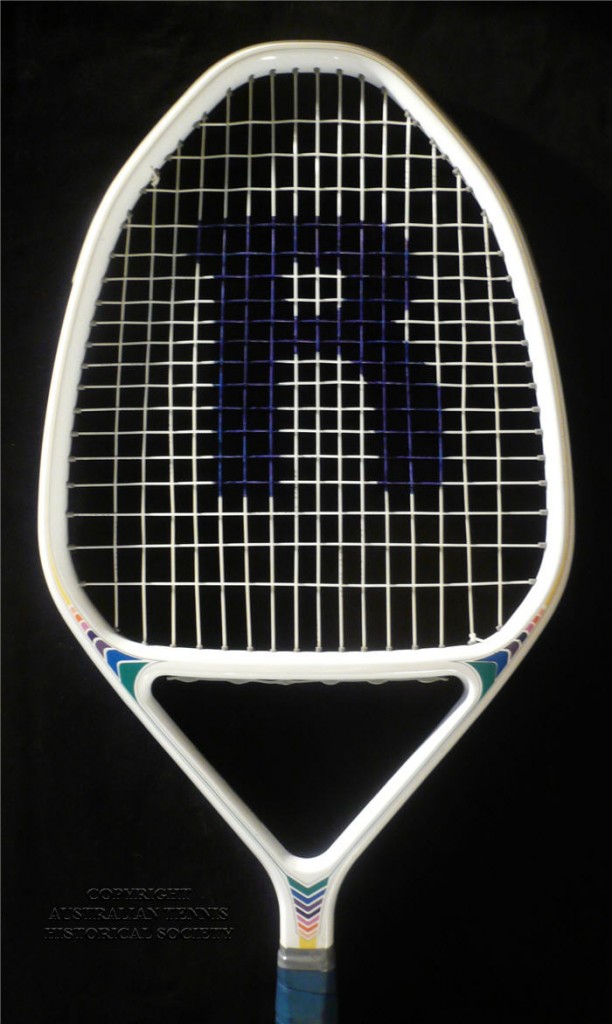
Rival AU 700

Ceramic Composition c1993

The premise behind the shape was that it represented an open hand and was designed to deliver greater feel and control plus bring the sweet spot closer to the bottom of the frame.

There were quite a few models:

AU 100, AU 300MS, AU 400, AU 500 from 1989-1993 and were sold mainly in the USA
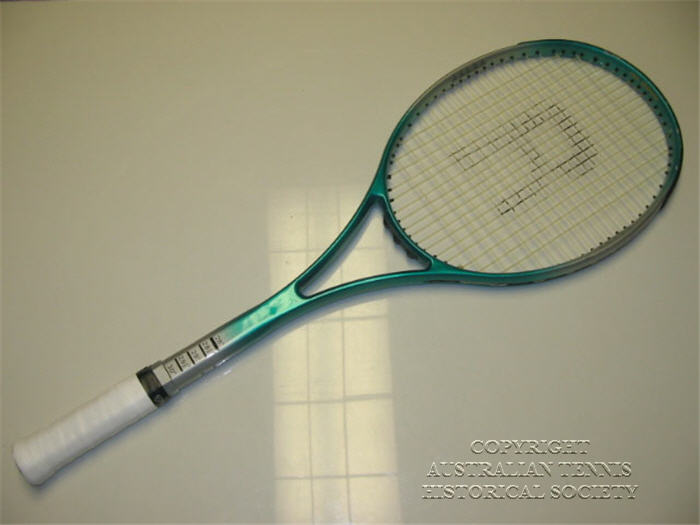
         

Rayco Ruler c 1980’s?

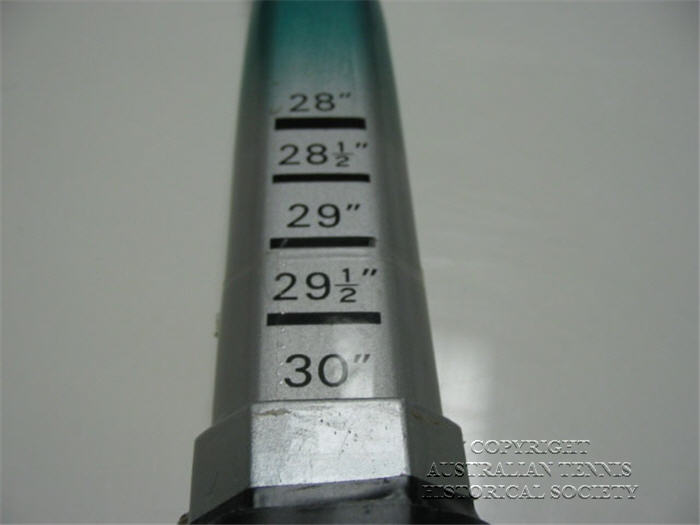
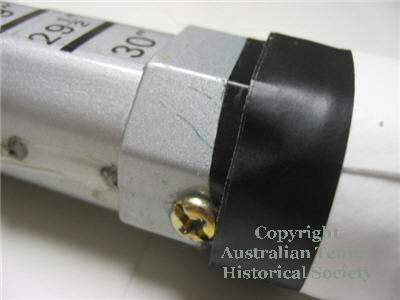
Adjustable racquet length from 28″ to 30″ via an in-handle extension. Just a screwdriver away from extra reach.

Very rare. Not sure how practical or what would happened if the screw broke, net players beware.

Apparently, this was a low cost Kmart style racquet
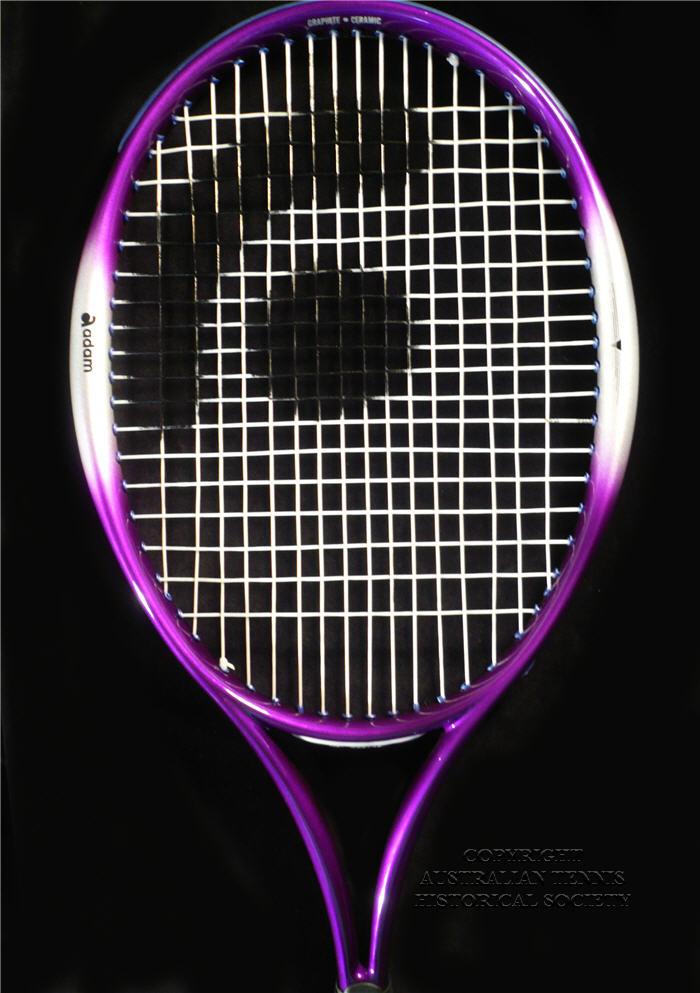
ADAM 4edit

 Adam Pro Turbo adjustable length c1989

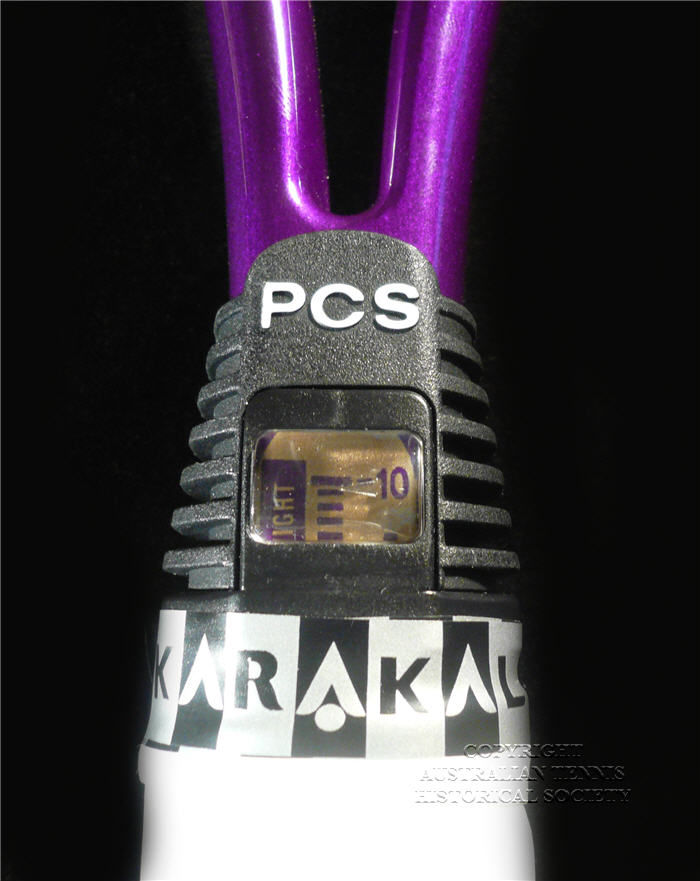
Adam Gunther was the head designer at Volkl before joining Puma where he designed the Boris Becker PCS. After Puma exited the market, Adams created his own modified version of the PCS with a knob winding system.

The knob in the handle turns to change the length of the racquet and therefore swing weight. The two pics left show the variation.

It is a beautifully balanced racquet with an excellent sweet spot. Notice the wider head areas on the sides.
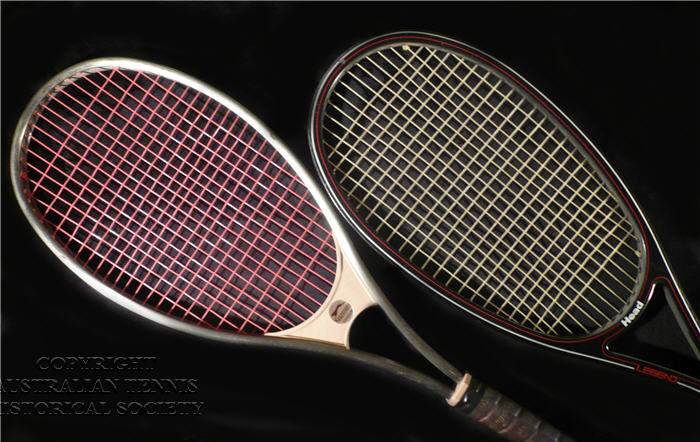
Head Legend c mid 80’s with Slazenger Omega Long head shape models

The elongated head shape really is quite fascinating and totally unique compared with the 65 sq in oval shapes typically seen in the day.

In the 1980’s 1900’s there were also long frame models.
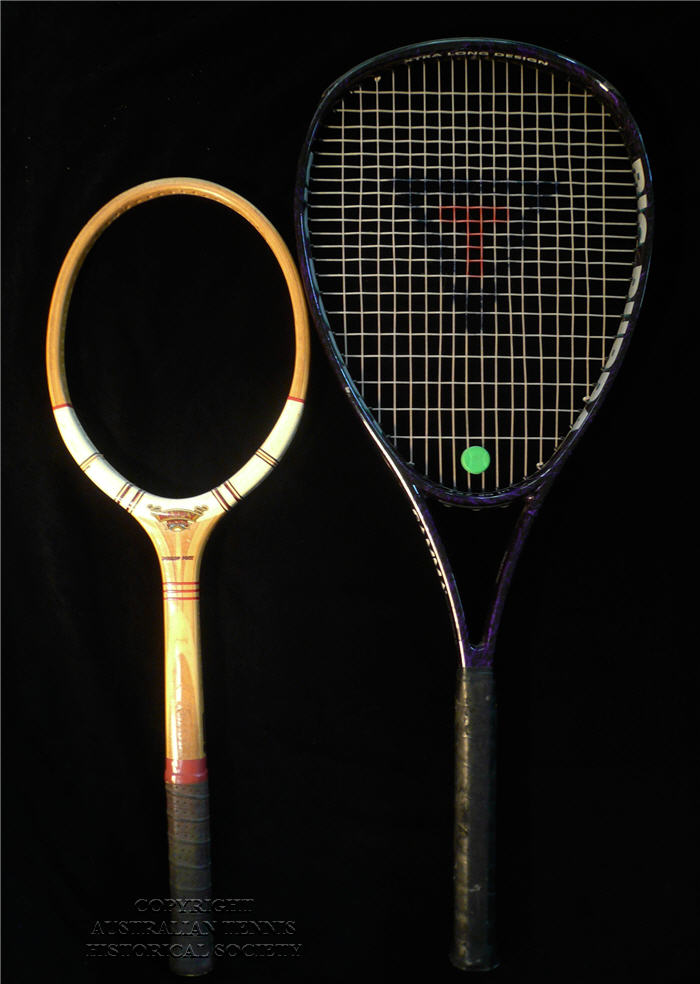
Gamma Big Bubba

32″ tall and 137sq.in head.

An amazing weapon which was banned in 1997 after being approved. Ultimately they simply chopped 4″ off to make it 28″.

Banned because it was thought that the game would end up being all serve and not much else. Our Aussie scud put these to a test against woodies.

Read the story under BLOG ARTICLES and scroll through a few others as well.
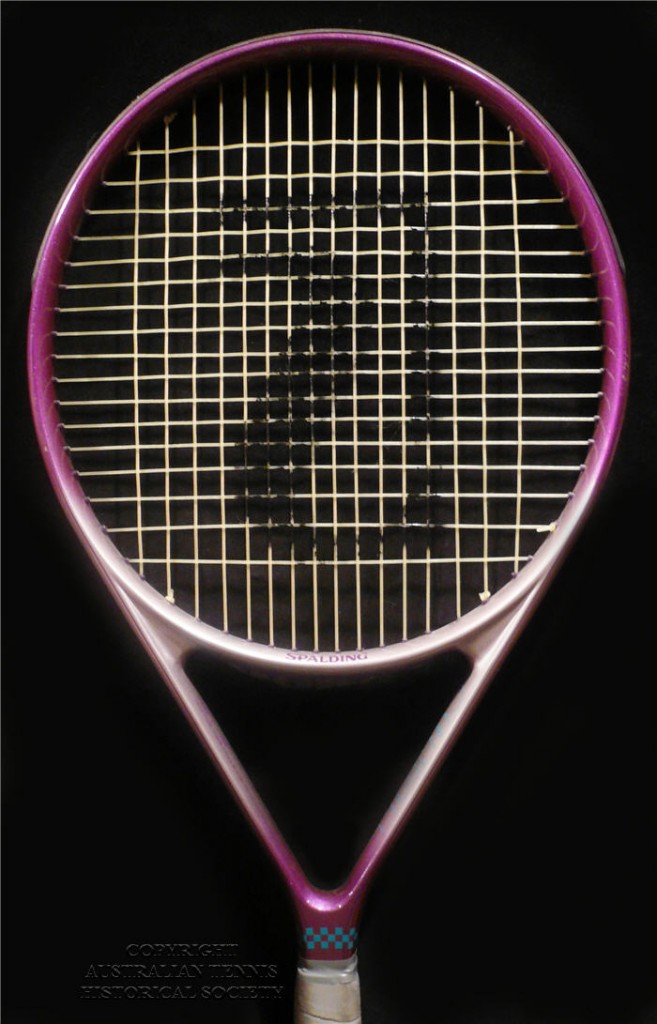
Spalding’s Orbitech was a given a big push in the early 1990’s

This is the XL-105.

Sold in the USA for $190 so an OK mid price racquet for the social players
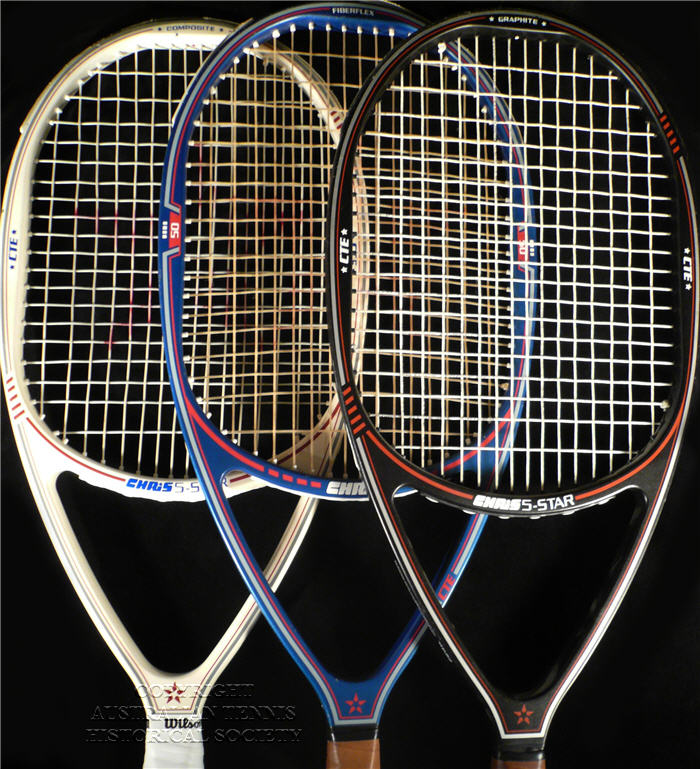
The Chris 5 Star USA mid 1980’s

Another wide bow racquet design.

Grey: Power G model 100% Graphite

White: Competition Composite

Blue: Avenger Fiberflex

Very well balanced and stable due to the wide bow and collectors still really enjoy playing with them even compared to current designs
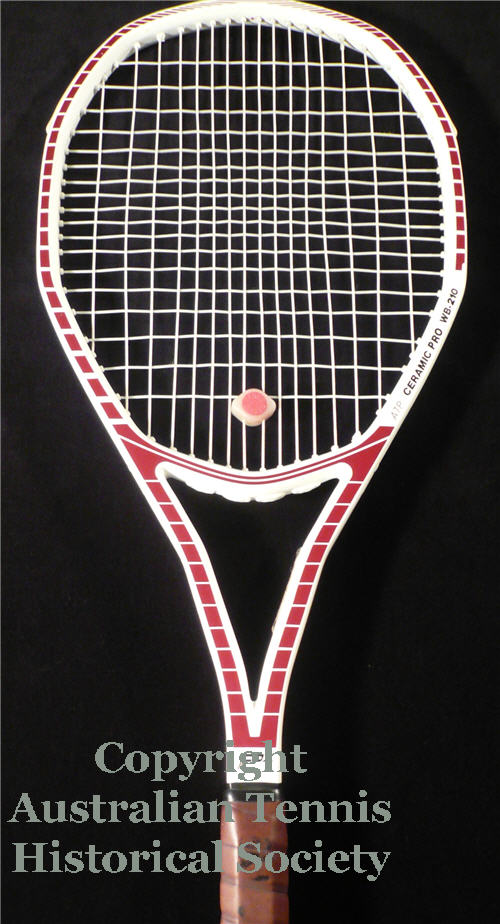
Fox Ceramic Pro WB-210 c 1985

Warren Bosworth was a highly regarded stringer to many professionals and was heavily involved in the design of these and many other Fox racquets. We recently found an Australian branded version of this racquet called CERAMIC PRO of which only 300 or so were made for promotional purposes.

This series are unusual due to their 10 sided shape.

Fox also produced a version model WB-215 traditional head shape long string model.
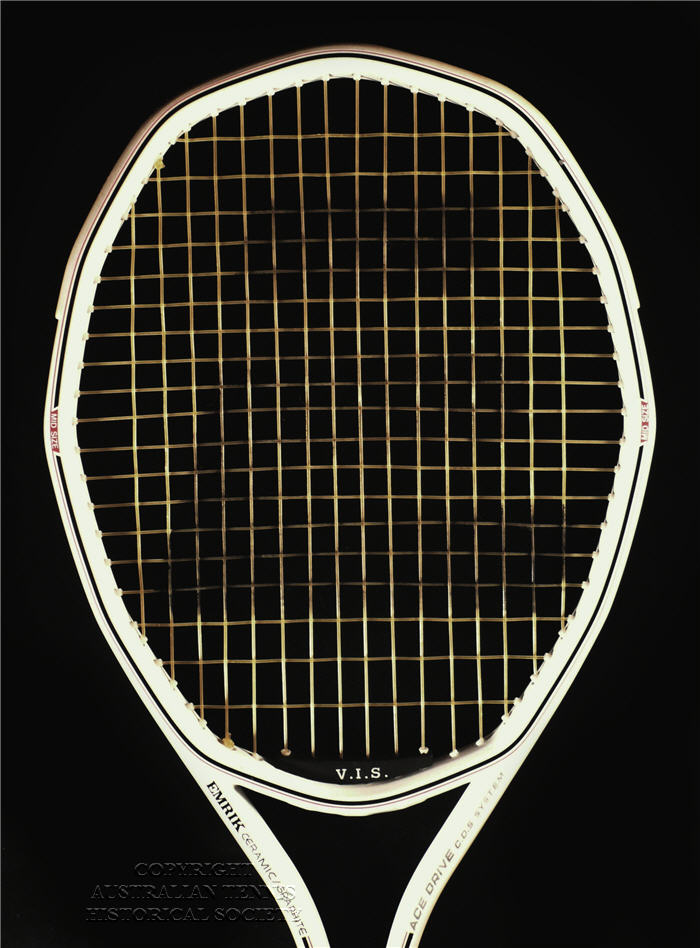
Emrik (Australia) Ace Drive Angular finish

Very rare multi angle model.
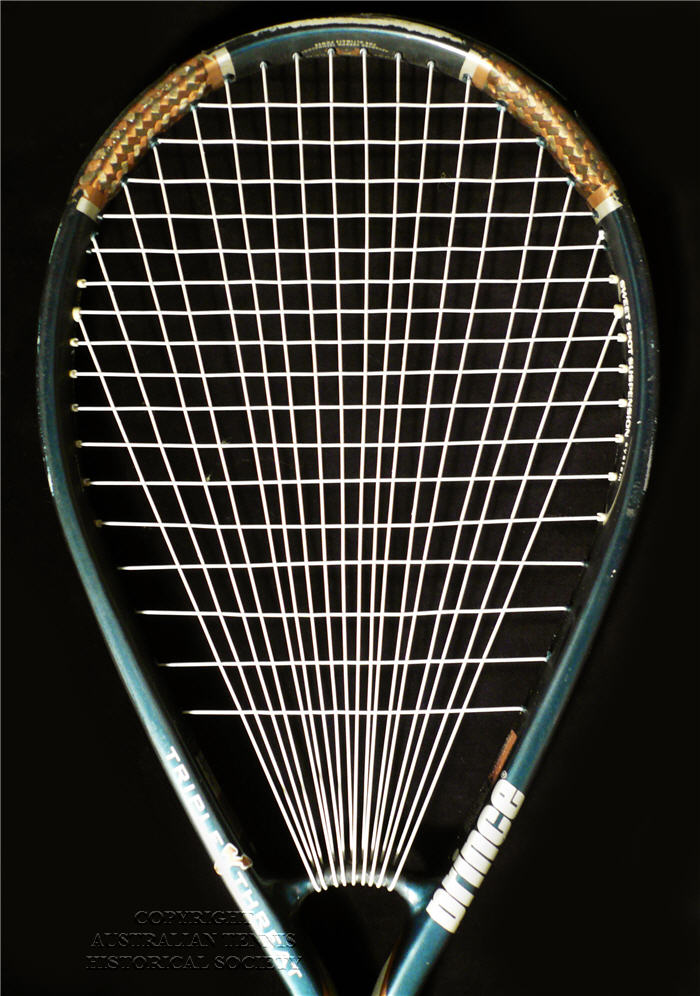
Apart from the SPIN racquet above, other makers have experimented with long string designs.

Pictured is the Prince Triple Threat Ring (1300 power level) and the Wilson Radius with Power Strings Technology.
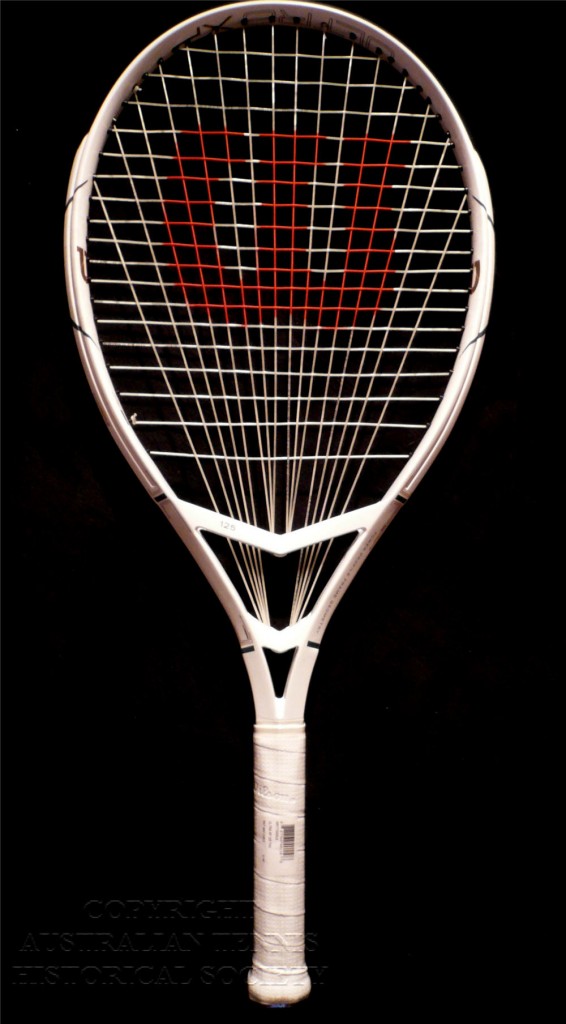
In 2015 Wilson introduced this ULTRA 125 Long string model which featured an outer long string and central throat stringing.
We believe it was withdrawn possibly due to breakage at the throat where considerable tension is applied to the one point.
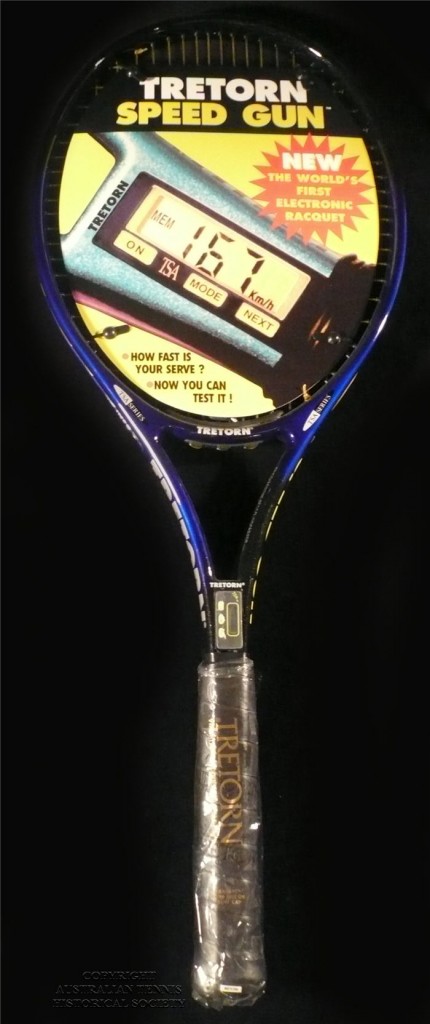
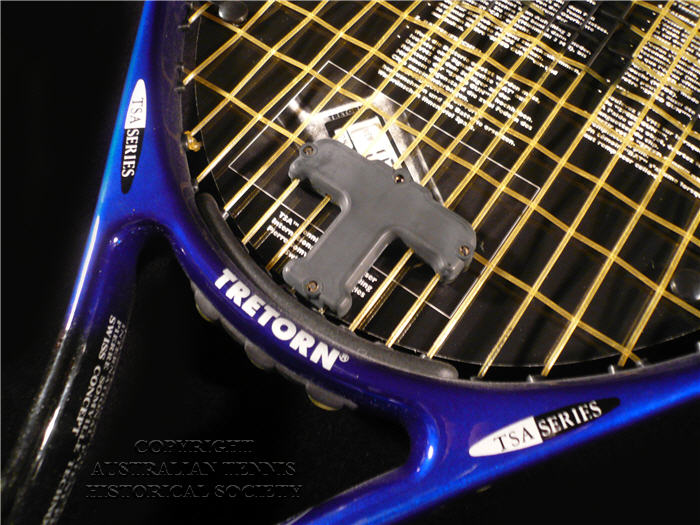
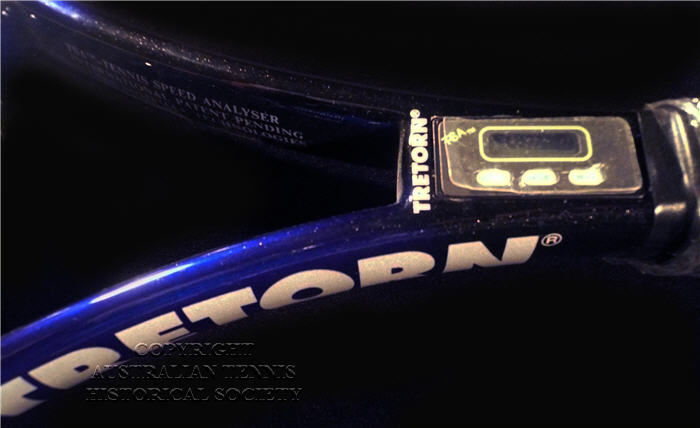
Tretorn Speedgun (Concept racquet) 2005

Computers meet tennis.

A string sensor picks up movement to determine shot speed to within +- 2.5kmh. Play a rally and see the last 10 shots on a screen built into the handle.

Only 1000 were made and they never achieved retail distribution. A rare find indeed and a great tennis brand name. Current ITF rules prevent information being relayed to a player during play.
Unususal Vintage Tennis Racquets 2

santor s pro (6)

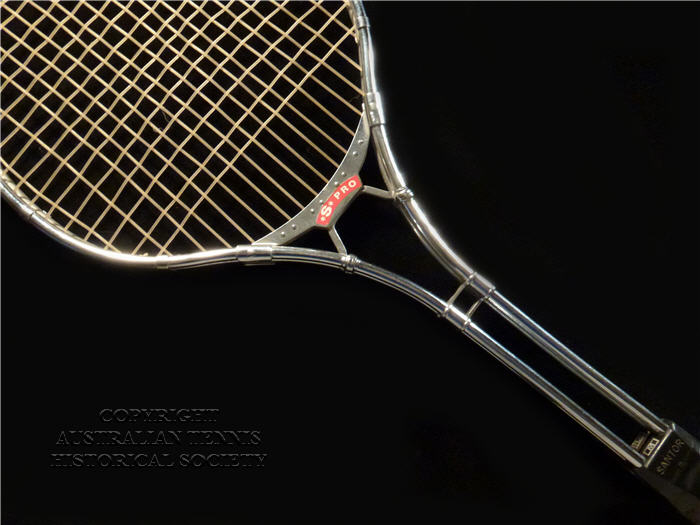
Santor S Pro

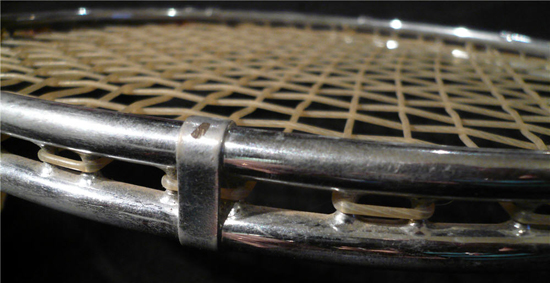
Santor S-Pro Steel racquet with really lovely industrial design cues.

It is essentially two frames joined together with welded or soldered pins.

SEAMKENR11

SEAMKENR5

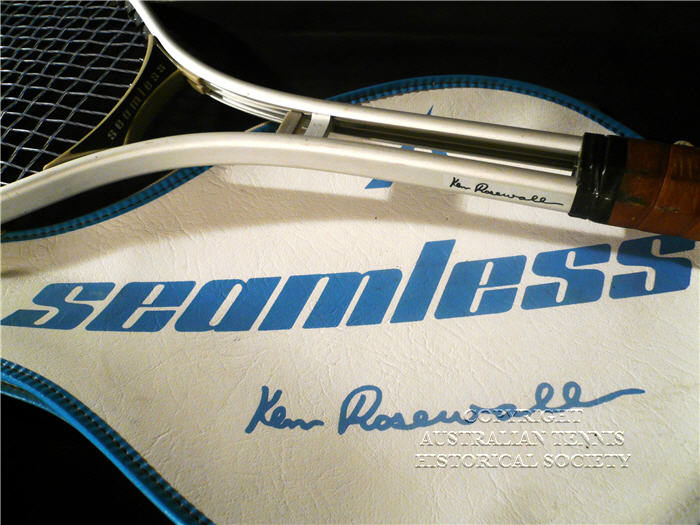
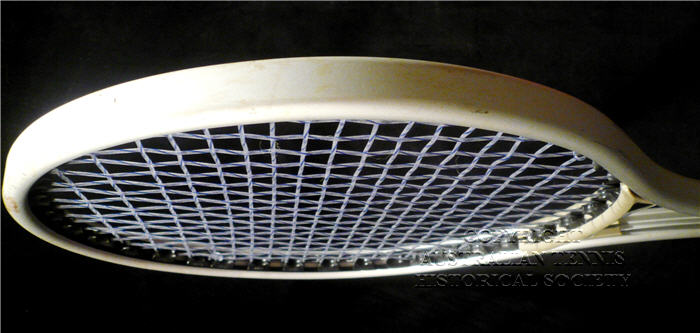
The “Ken Rosewall” Seamless (Seamco) c 1971

As you can see the string supports are located inside the extruded aluminium

frame leaving a very unusual smooth finish.

Ken was a consultant to the firm hence the interest to Australia.

If you like this smooth look out for a Wilson TX 6000 c1978 which has a smooth finish unlike the channeled look of the T2000.

STEEL SHAFT RANGE

Steel Shaft Models (late 1960’s and 1970’s)

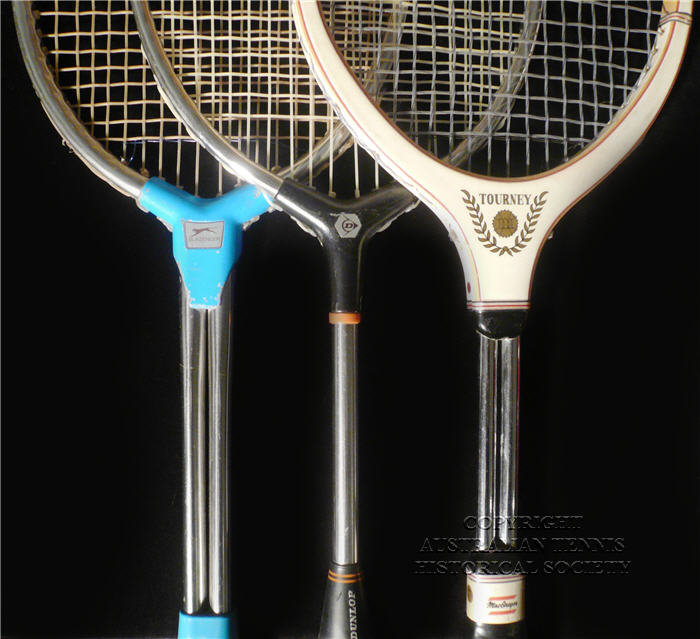
Slazenger twin shaft, Dunlop Monoshaft UK 1972, MacGregor Tourney USA

As the Wilson/Lacoste T2000 was booming, Dunlop produced these very nice looking racquets, often confused for squash racquets.

grays steelmaster (2)

Grays Silver Gray estimated 1954-1974 era (UK)

Steel Shaft with wooden head

tretorn demountable 2

tretorn demountable

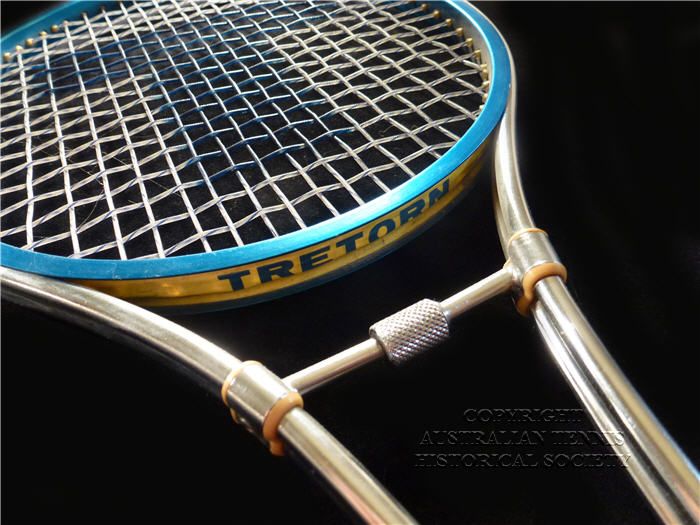
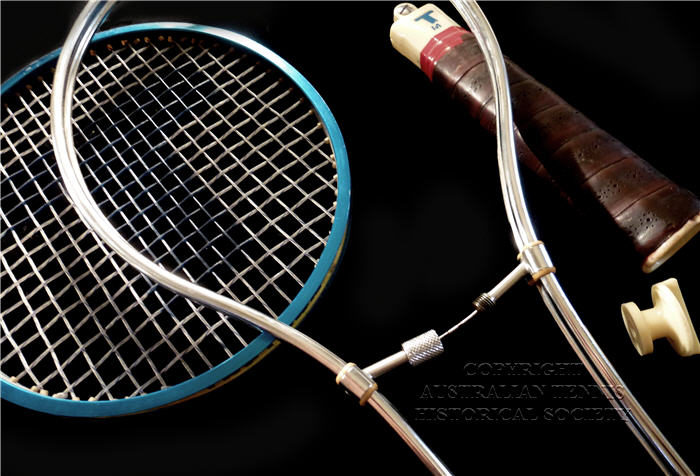
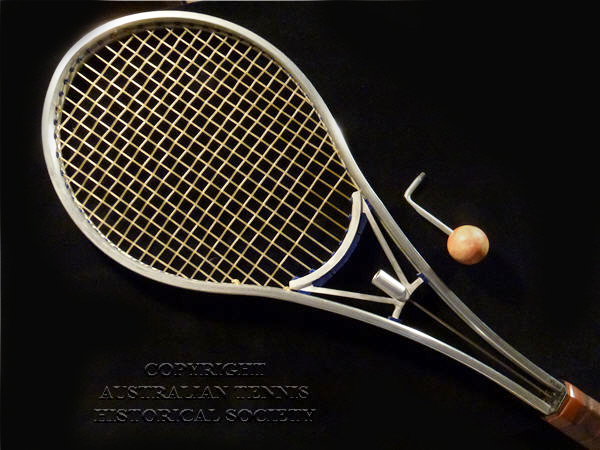
Tretorn ( Demountable) Sweden 1968

String set in the blue aluminium frame can be removed from the racquet frame by undoing the butt cap, sliding off the handle and undoing the spindle in the centre of the cross bar (pictured). This allows the frame to spring open so a new string set can be inserted. Takes a few minutes only.

They often came with 2-3 different string sets with different tensions or as back ups for breakage.

See the Maynard below for another string set removal option.

MAYNARD AIR RACQUET 5

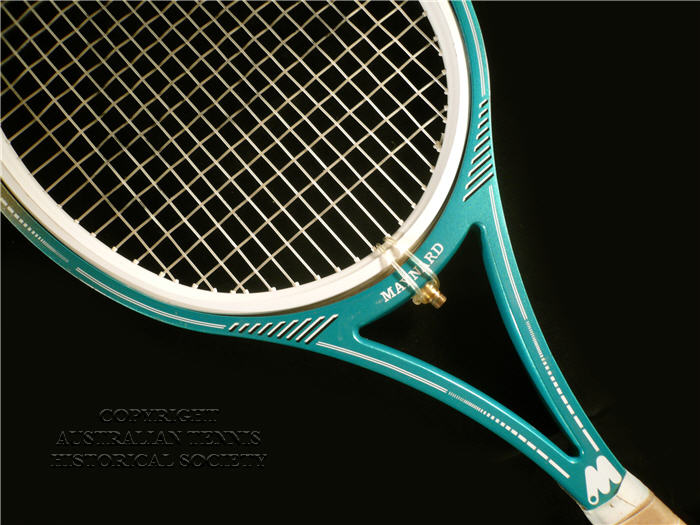
Maynard AirPower Racquet c late 1980’s

USA designed, the string set comes on a separate frame which is held in place by a tube filled with air.

Patent filed 1986 # 4 772 021  Michael Maynard

IMG_5652

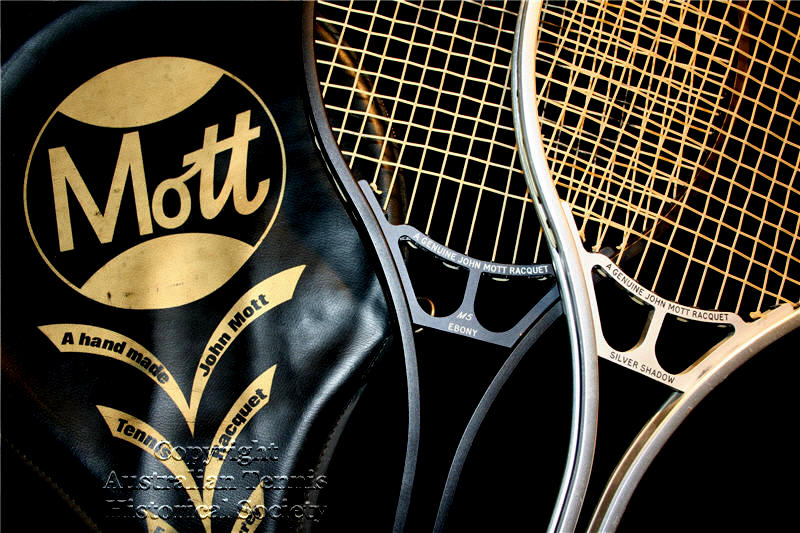
John Mott, Silver Shadow, UK (1980’s)

Hand made in Farnham Surrey.

The factory made tennis and squash racquets for a short time then sold the patents and left the industry.

The finish is superb with no visible rivets and the fit between the throat piece and frame is sheer precision.

We would like to learn more about this company.

wilson legacy

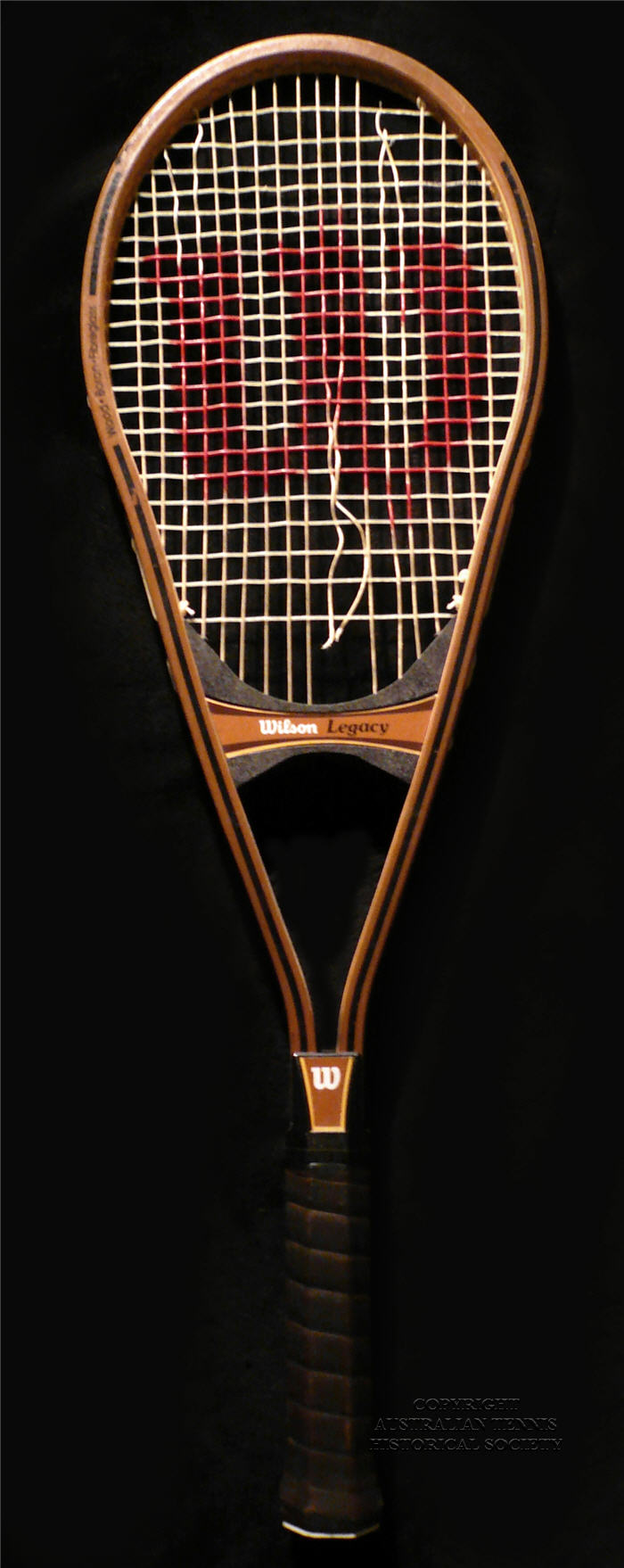
Wilson Legacy 1983

Rare shape. Wood with plastic throat.

A bit weird, but that’s interesting

wilson sting

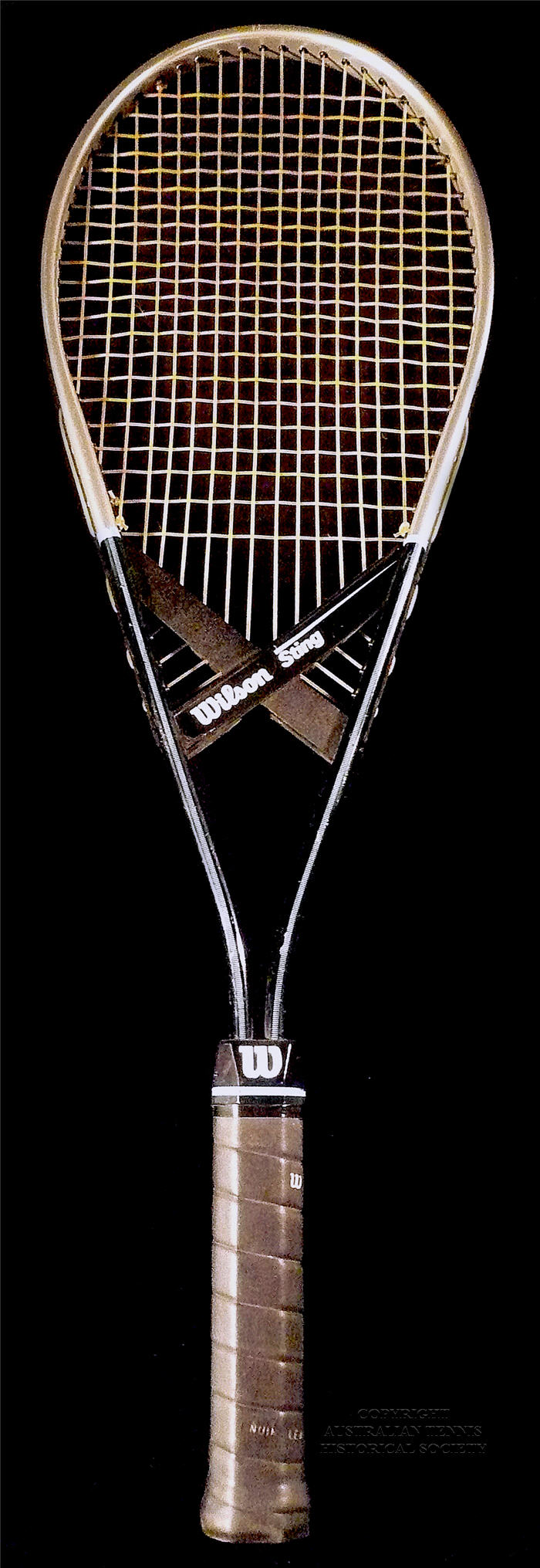
Wilson Sting 1985

Aluminium frame with nice string treatment at the throat.

You can tell they are from the same family as the Legacy above

Bancroft Slingshot

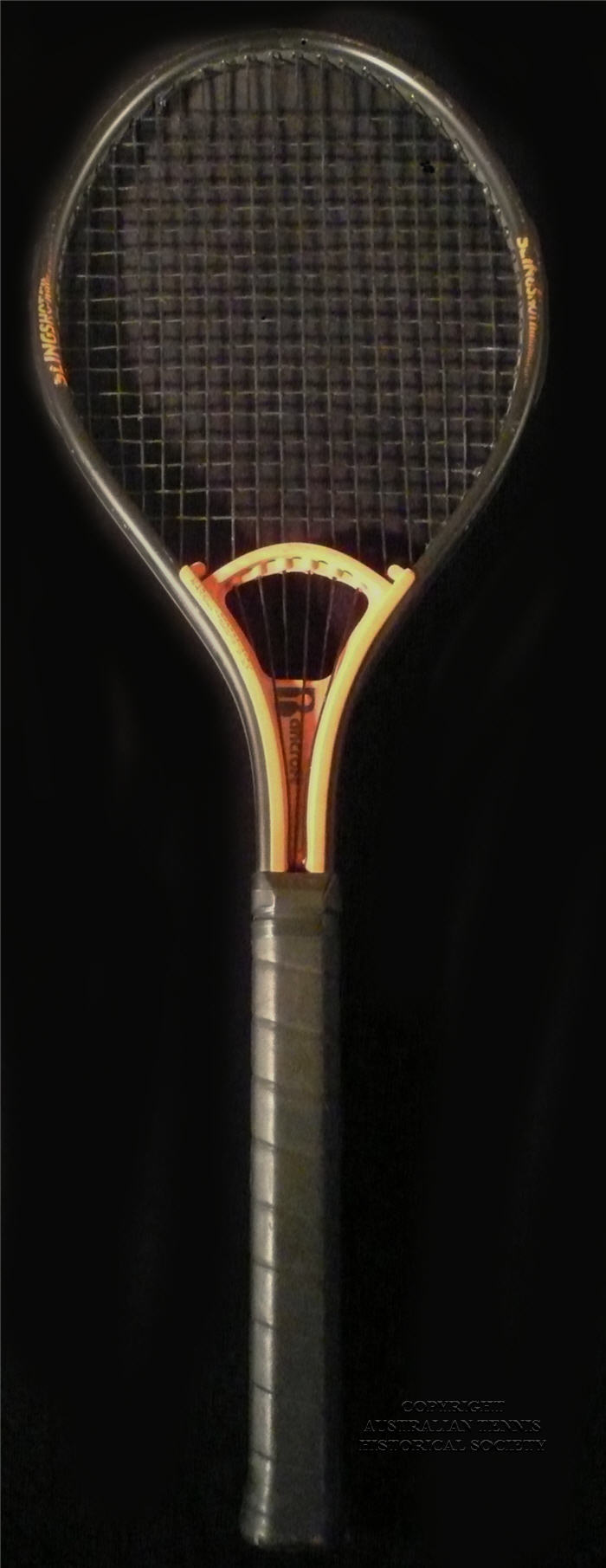
Bancroft Slingshot USA 1983

Made in Germany under license by Markhill.

Great extended string pattern to the top of the very long handle

BIO SPORTS GRIPPER

Bio sports The Gripper 1984

A curved grip.

You might think you have seen everything but this is meant to help with tennis elbow by keeping the racquet face up in line with the ball.

erge2

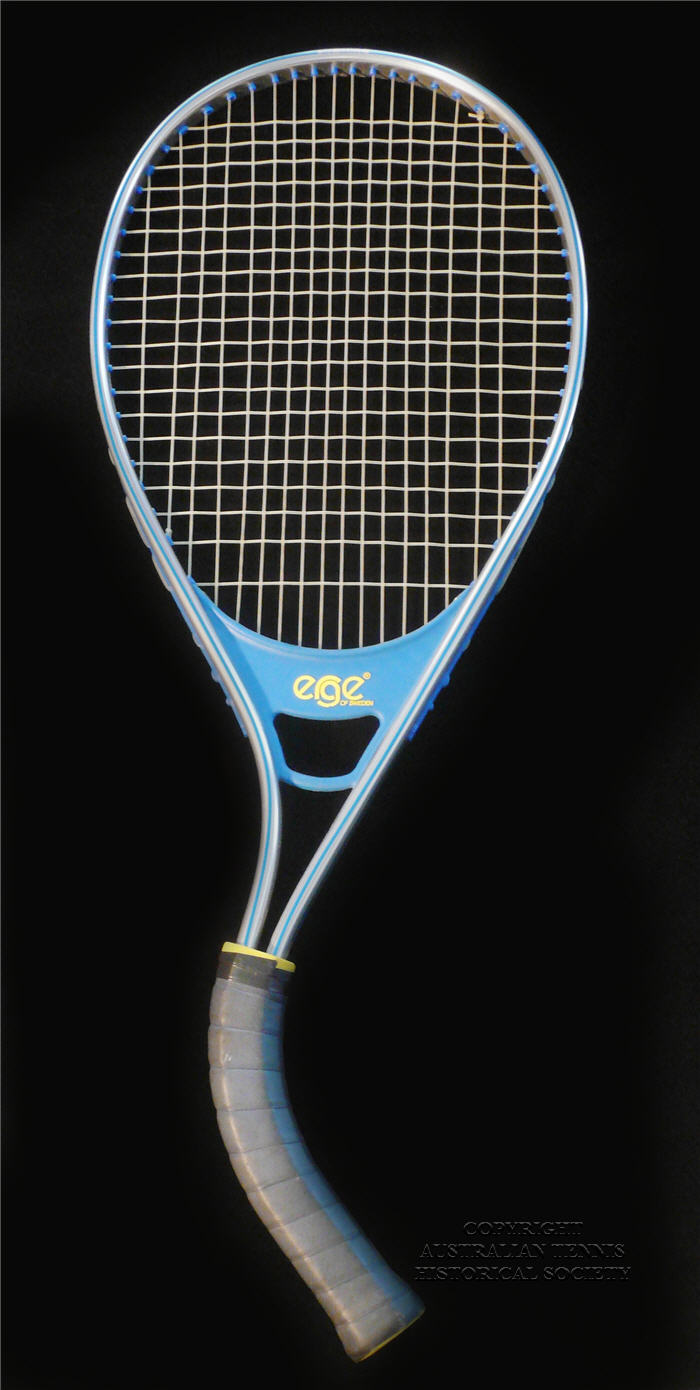
The Erge (Sweden 1983)

Ergonomic Curved Grip racquet.

Far more pronounced and clearly inspiration for the Neoxxline Range (listed under modern unusual).

Aluminium model came in 1983 followed by a graphite version in 1984

wilson javellin

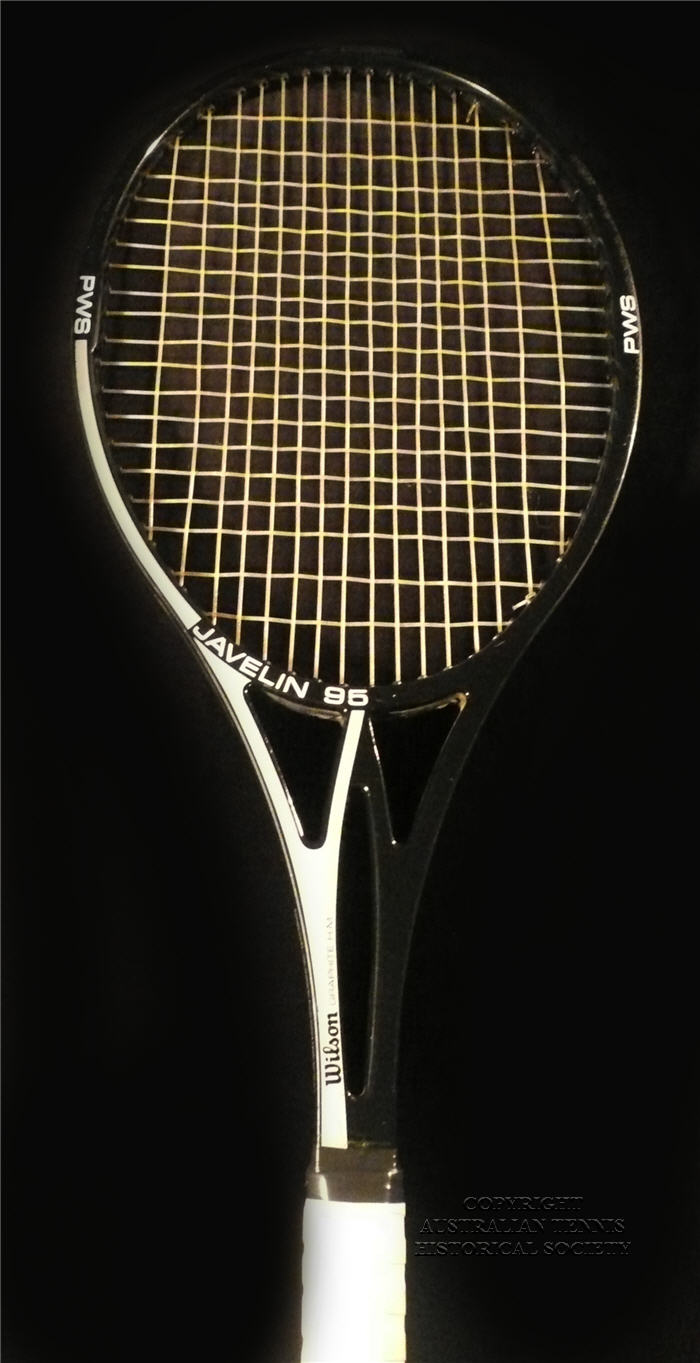
Wilson Javelin mid 1980’s

A very interesting twin throat design highly sought after by collectors.

acro adjuster (4)

Acro Adjustable mid 1970’s (also s0ld under Hart name)

Two versions this one adjustable via throat piece which pulls the throat down the frame.

Later version moved tightening mechanism to butt cap as per below.

MACGREGOR BERGELIN

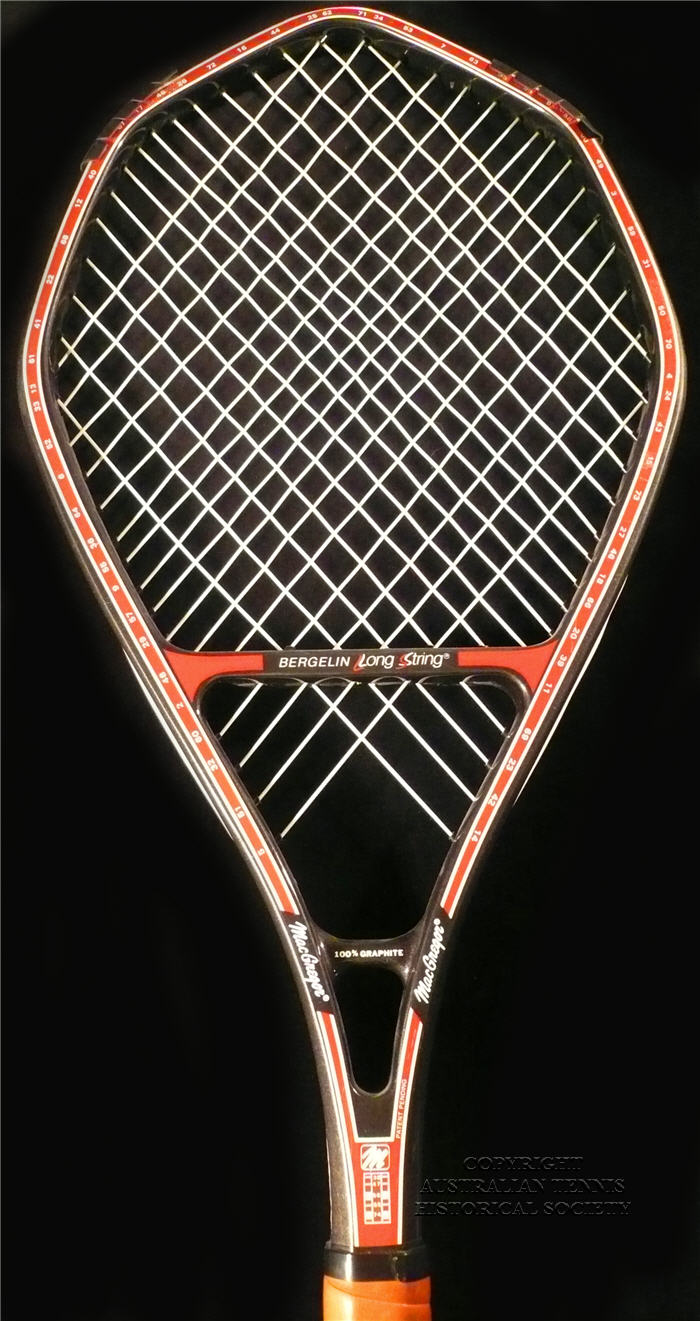
Macgregor Bergelin Longstring c 1985

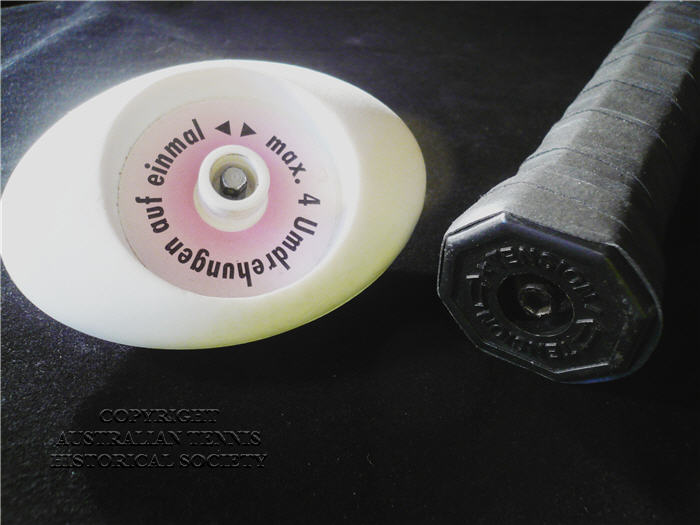
German idea designed by Herwig Fisher (Protagon Sportproukte) and endorsed by Bjorn Borg’s coach Lennart Bergelin. Sold in the USA under license as the MacGregor Bergelin Longstring. Owners can string themselves and then adjust tension via a tightening control system inside the handle. An allen key device connects into the butt cap allowing the owner to adjust tension at any point during a game. Racquet comes with a tension adjustment knob and stringing instructions.

After MacGregor went broke and lost the rights to sell the technology, Protagon went onto launch oval versions called Tension Master and Hi-Con.(page 293-295 Kuebler Book)

protagon (1)

protagon (2)

Protagon TM500 with tension adjustment.

The white knob has an allen key insert which is visible. The MacGregor design was similar.

Great diamond stringing also.

Mizuno Sirius

Mizuno Sirius +10 also incorporates an in handle system but not for tension adjustment.
Inside the handle is a movable weight which enables a change to balance and feel.

Rox Pro Space T 1 (1)edit

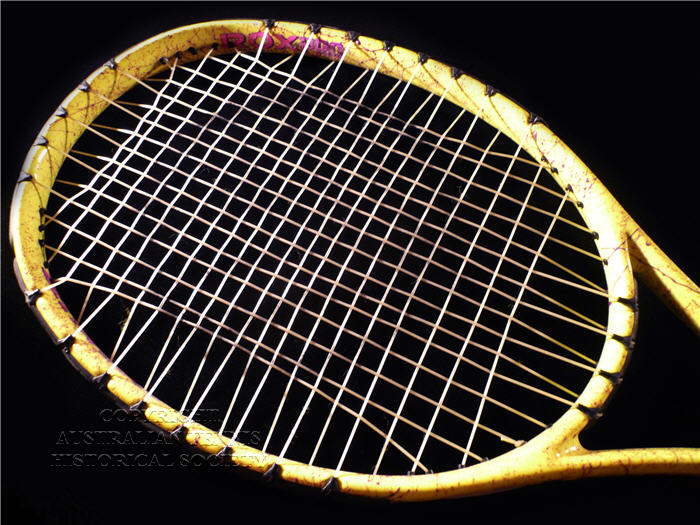
Rox Pro Space T1

Arms and fan stringing create an unusual combination.

SPIN OMNI LONG STRING

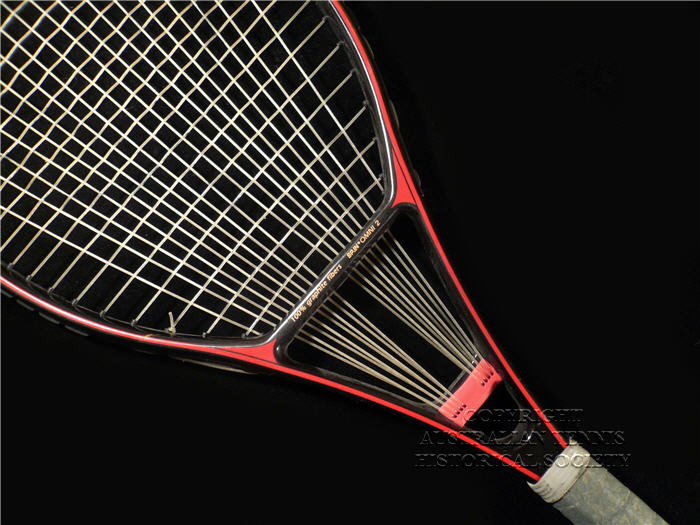
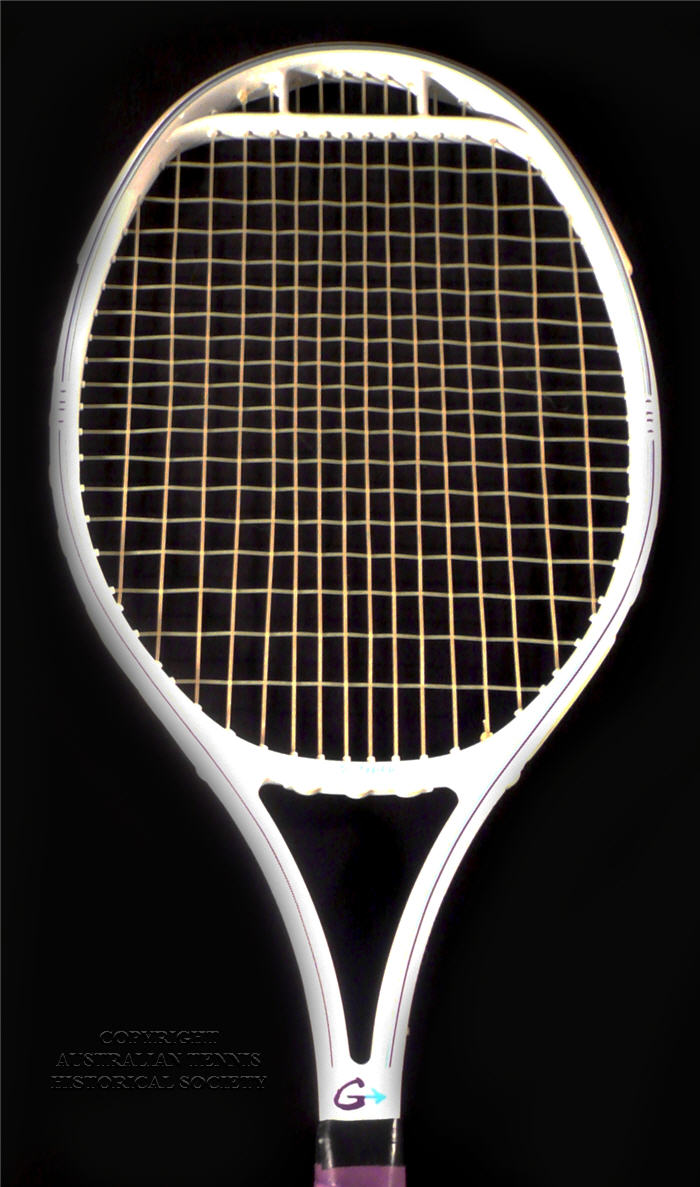
Spin Omni 2 (also G-300 USA & RoxPro Aust.) c 1987

Fancy stringing system with long vertical strings to improve sweet spot performance. Was not within ITF rules but may have received a positive ruling. Also produced a squash racquet with a similar design.

Sold in Australia by Lewis Sports.

rox pro delta 2000 2011 (10)edit

rox pro delta 2000 2011 (7)edit

Rox Pro Delta 2000

(Also Estusa AmerPro American Pro Jimmy Connors model)

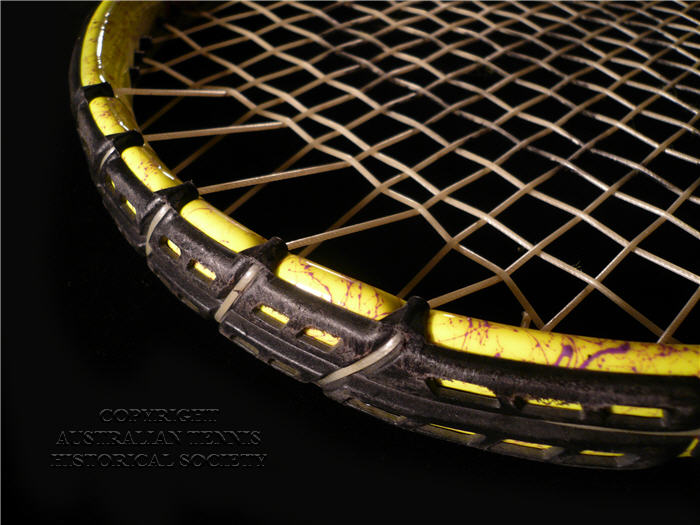
Loop Stringing around the frame not through holes. The added tenison and change to frame dyamics when striking a ball, keeps these strings super tight.

Not a bad idea!

deesse (16)

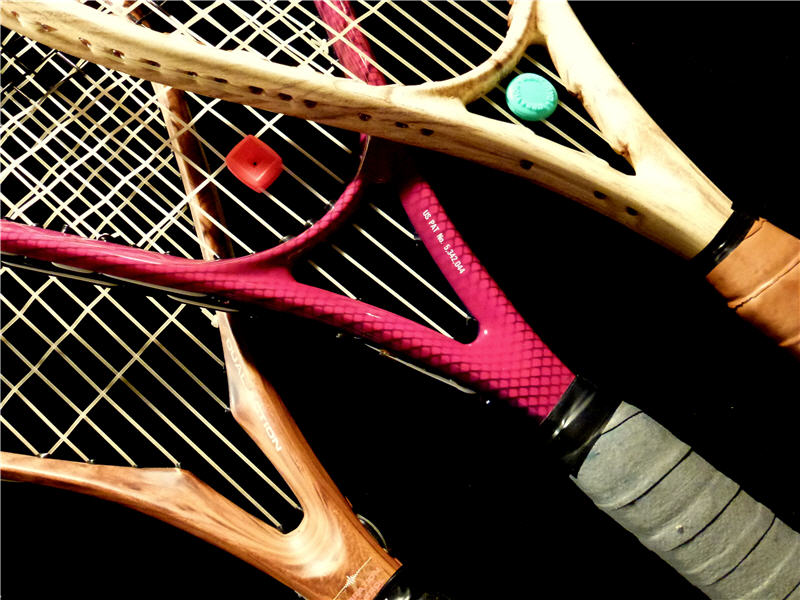
Swiss DEESSE (pronounced Dayus) Wizard Woody Graphite. (made in Korea)

There are 3 versions of this design under brands including ADVANCE SVS & ESQUIRE NT1 both sold in Asia.

The woody walnut burl type finish is really attractive. The whole concept was created by Australian, Barry Todd.

Seen Fin/Deesse story.

the natural handler 2014 (25) edit

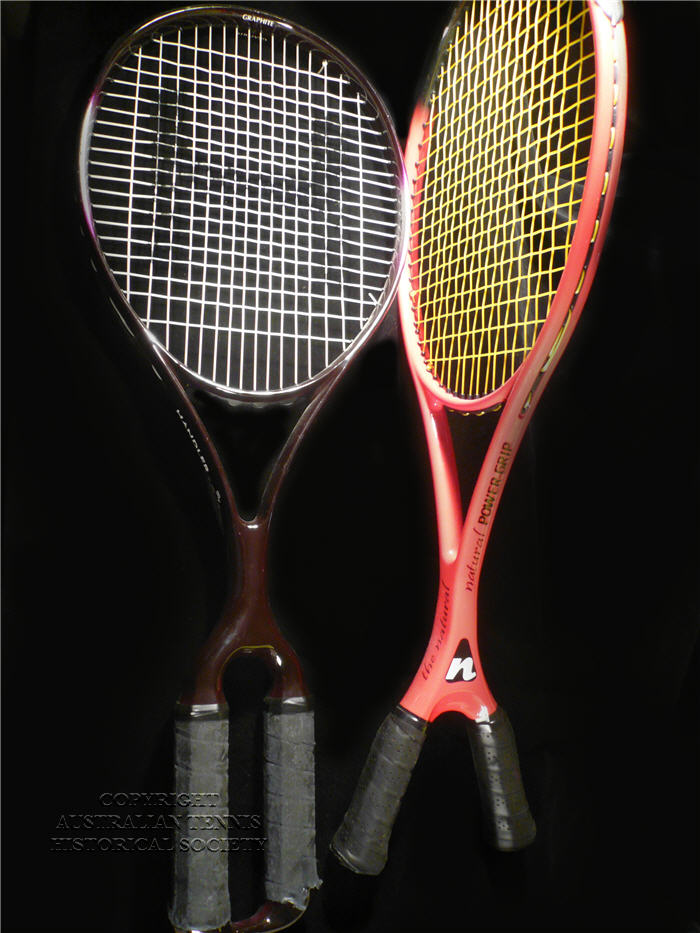
Double Handles:  The Handler c 1992 and The Natural (2007)

Two handled racquet to pick up on the latest teaching techniques for double handed players. Much harder to volley and serve due to single hand play being off centre so you might want be a solid baseline player that can run to shots.

This is just one of 3 different versions we have seen trying this concept.

In March 1995 from Tennis Magazine the male designer, Elie Ban-Kheir claimed to have sold about 2000.

The Natural takes a completely different angle along with an offer to customise your existing racquet if you wish.  Watching video of Brian Battistone serving with a volley ball style is recommended viewing.

Gauthier G De G

Gauthier G of G

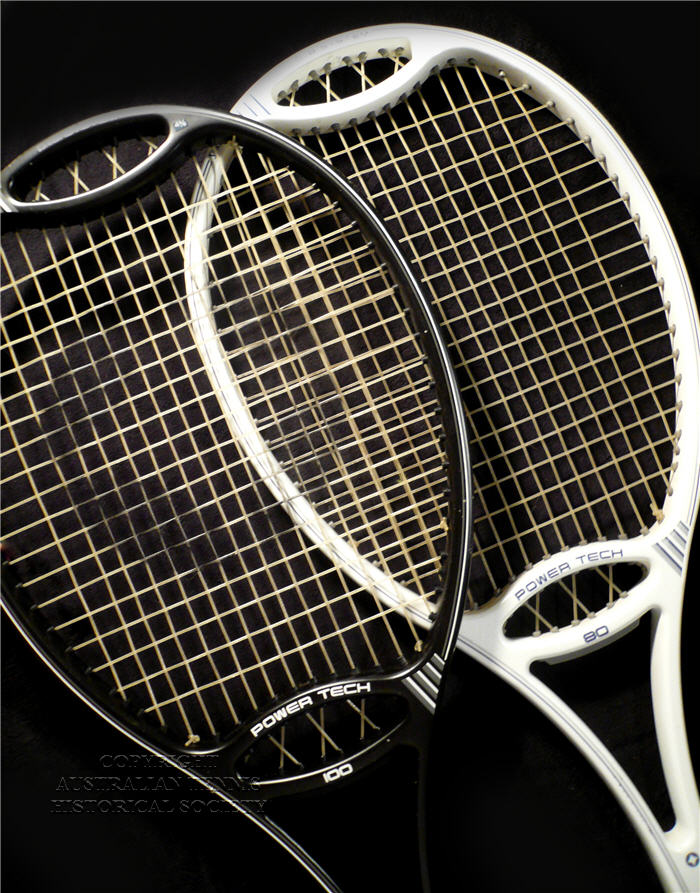
Bridge design attempts to alter string tension at sweet spot. Very similar to the Spalding Powertech which has two bridges top and bottom. See below.

Gauthier are a recognised French brand, but little is known about this model.

spalding power tech 2015 (11)

Spalding Powertech 80 & 100

Double Inverted Bridge.

Mid 1980’s made in Taiwan.

winsport 2015 (2)

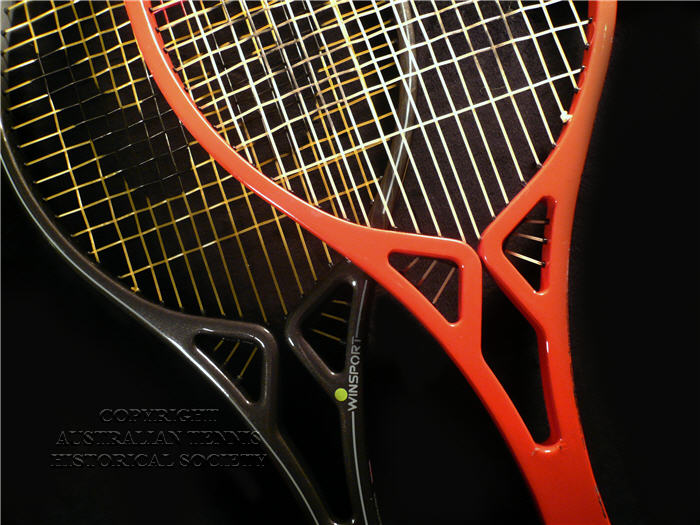
Winsport UK c 1985

Very unusual split throat design.

The Volkl Power Arm is another quite interesting throat treatment that will become collectable in the future.

snauwaert ergonom

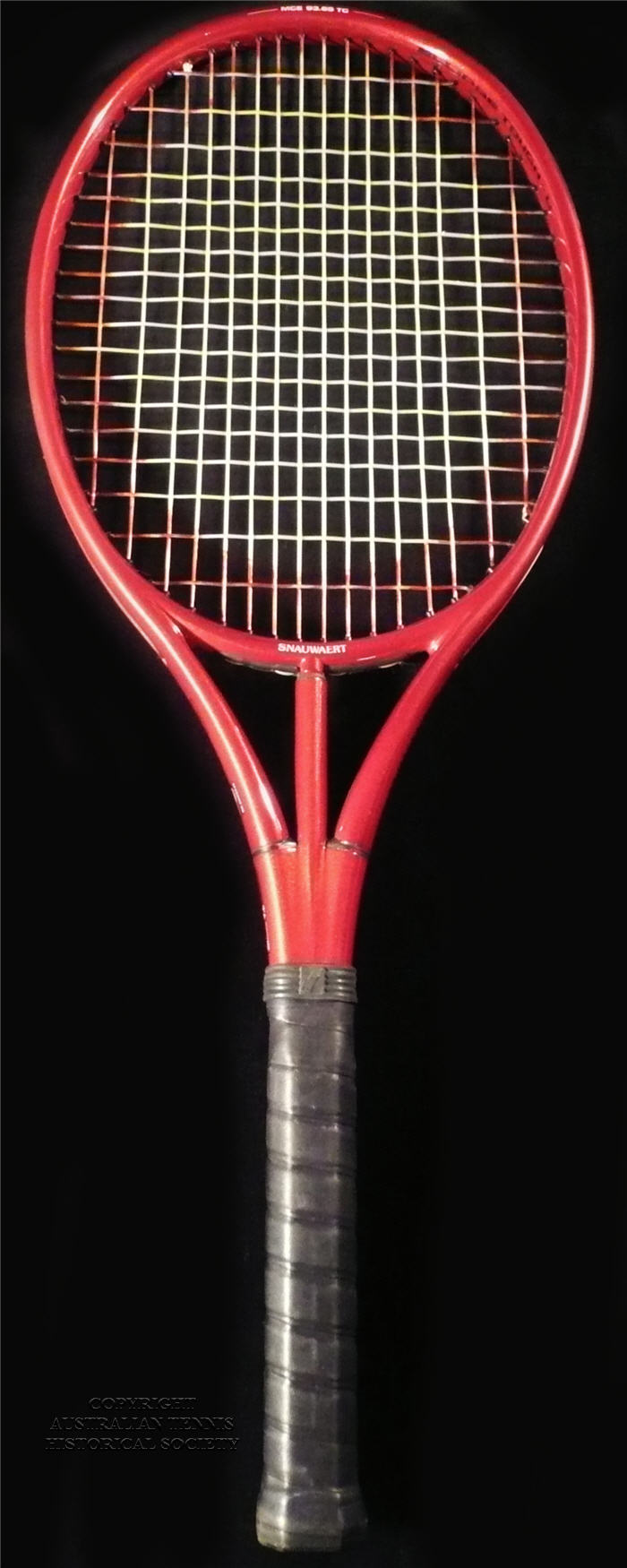
Snauwaert Ergonom 1984 Belgium

Offset head to help players with a tendency to drop the racquet head to still keep the racquet in line with the flight of the ball.

There are a stack of these on ebay and since no-one bought them most are new. If you find a used one it will become a bigger collectors item. Or, I suppose you could buy a new one and try it out for a season.

The local tennis shop advises that being offset the string pattern which hits the ball as diagonal strings would, actually gives a serve that extra bit of top spin for a great kicker.

See the Neoxxline under modern unusual section.

snauwaert ellipse

Snauwaert Ellipse early 1990’s

Tri shaft racquet like the Hazell Streamline.

Head can be removed at the central shaft point but loathe to try this since this one is brand new. The company warranty was void if dismantling occurred so they weren’t designed to be interchangeable like the JENRO (modern unusual section)

Also of interest in this area are the French, Le Coq Sportif tri-shaft racquets made from 1987 and endorsed by pro player Yannick Noah

Unusual Vintage Tennis Racquets 1

Collecting vintage Tennis racquets (rackets) is a wonderful hobby which has been expanded considerably thanks to Ebay. Racquets never seen in Australia can now be purchased and the array of brands and designs is quite staggering. To appreciate the subject we recommend you find a copy of Siegfried Kuebler’s book “The Book of Tennis Rackets”. It is a wonderful testament to the first racquet makers through to the 1990’s. More updates are planned, and presented here are some unusual designs that have broadened the horizon of shape, function, stringing and look. One of the most significant developments in tennis racquet design has occurred due to the new construction materials such as graphite. This has allowed designers to explore a variety of shapes and string surface areas, the latest being 137sq in. 32 inch, (then reduced to 28″ Gamma BIG BUBBA) that earlier wood materials could not withstand.
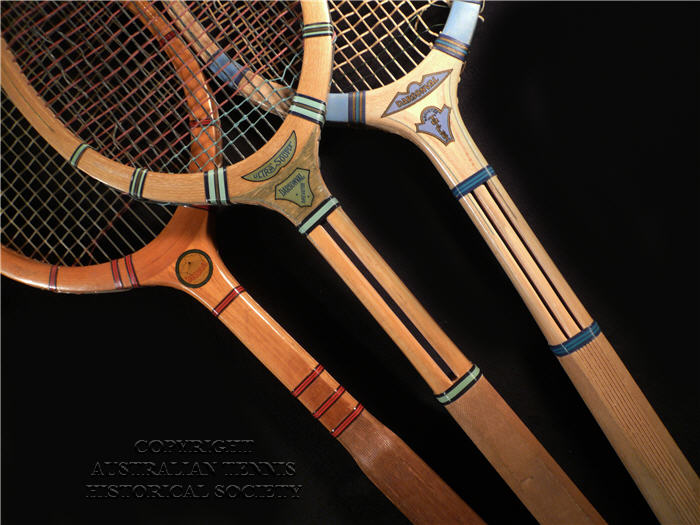
Some people like paintings, racquet collectors enjoy the skill of fine workmanship in wood, unusual designs and special effects in the very same way and artistically, look sensational along any wall.

This gallery includes racquets made all round the world from the early 1920’s to 2005. Please also see some modern unusual racquets under a separate heading and you will see more unusual designs, such as the variety of wooden handles under other sections devoted to very early and other style wood racquets, strings etc.

lillywhite hazell shoot (3)

grays streamline version 2 (1)

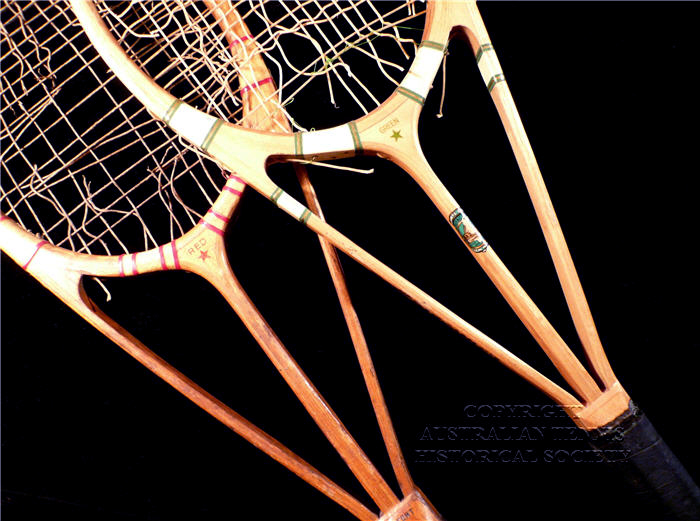
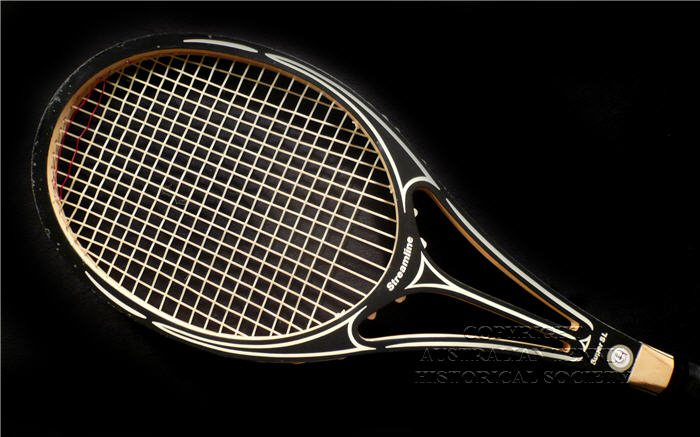
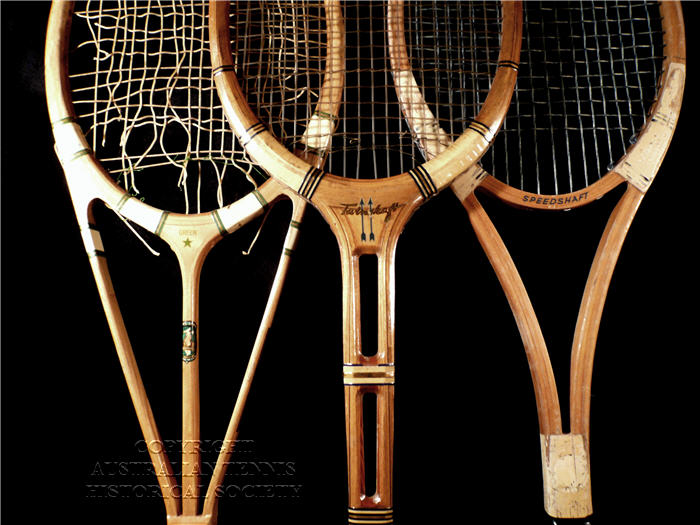
Hazell Streamline UK 1930’s

Made popular by Henry Wilfred “Bunny” Austin who played with these at Wimbledon.

Way ahead of their time, models were also produced for squash and badminton. Models were differentiated by coloured star logos and you may well find green, red, blue and white star examples all of which are very expensive.

Grays, famous even today for their Royal Tennis racquets acquired Hazell and produced a STREAMLINE version themselves in the 1970’s, also shown above.

In 1937, at around the same time, a very similar looking Snauwaert Triumph model hit the market in possible contravention of Hazell’s patent. Donnay made one in this style in the 1950’s called the Court King.

andreef hazell lillywhite 2016 (9)

Lillywhite & Frowd TwinShaft (1935) Andreef Open Throat (1950’s)

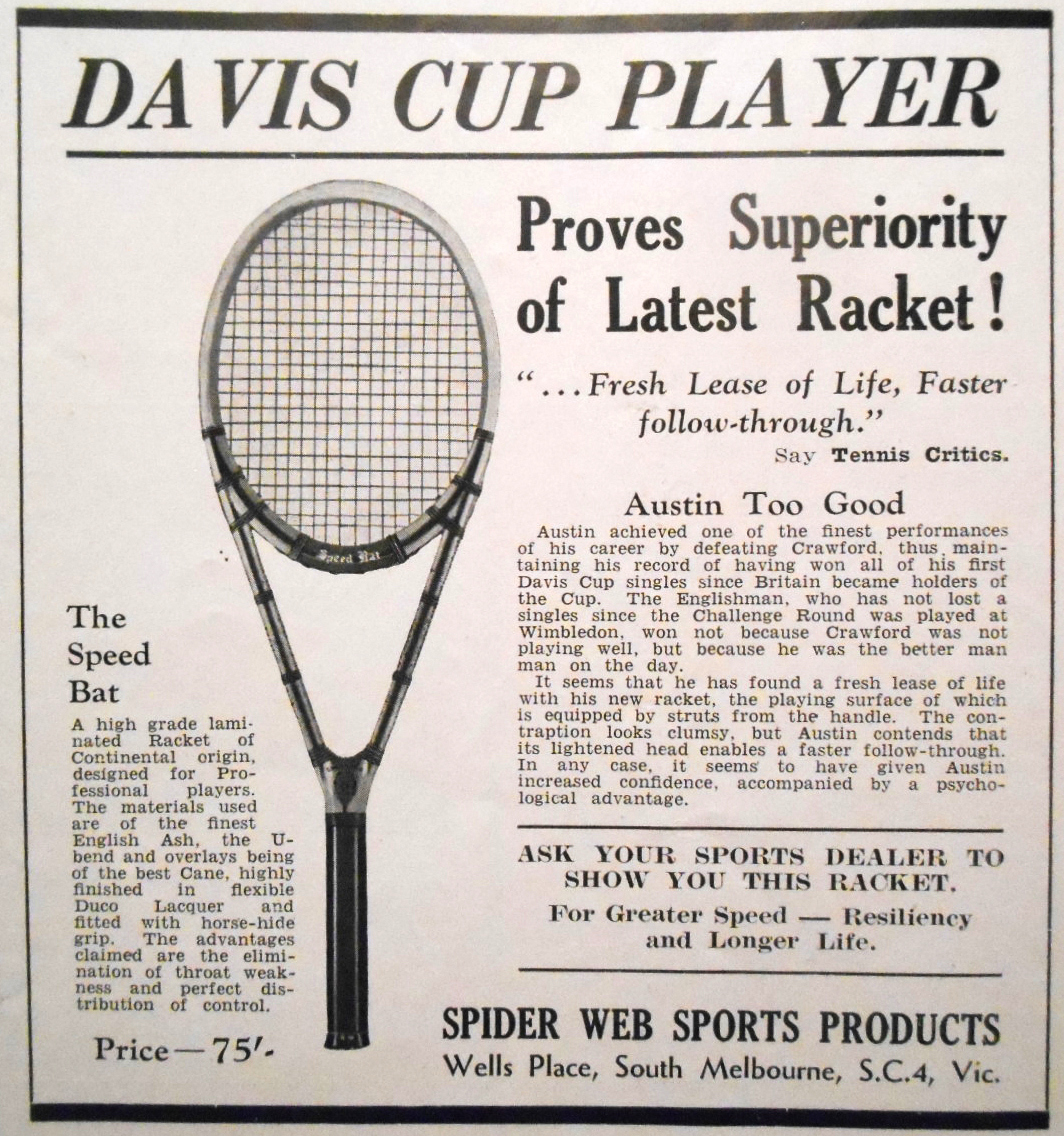
In addition to the Hazell, other wooden innovations were tried including by Frank Donisthorpe of Hazell fame an oversize frame he used at Wimbledon.

Donisthorpe Speed Bat 1936 ad Mary

Frank Donisthorpe also designed a Spanish made open throat model in the mid 1930’s called SPEEDBAT.  We finally found an example.  See under Spider Web post.darsonval trio aa (2)

Darsonval (France) made some wonderful models throughout the 1930’s.

These split shaft models and even the contoured finish on the standard racquet ooze quality.
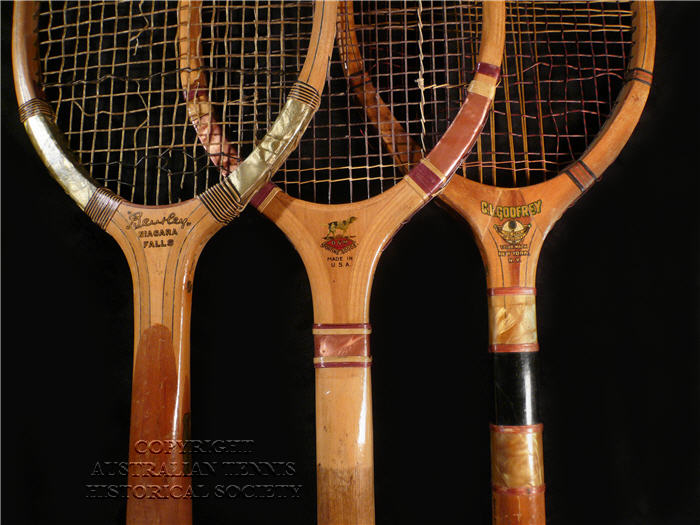
celluloid finish (5)

In America, some models in the 1930’s began to use a shimmering celluloid finish to enhance decoration and these three include,  Bentley, Draper Maynard & Godfrey NY

hillman2aa

Hillman Herbert Cooper

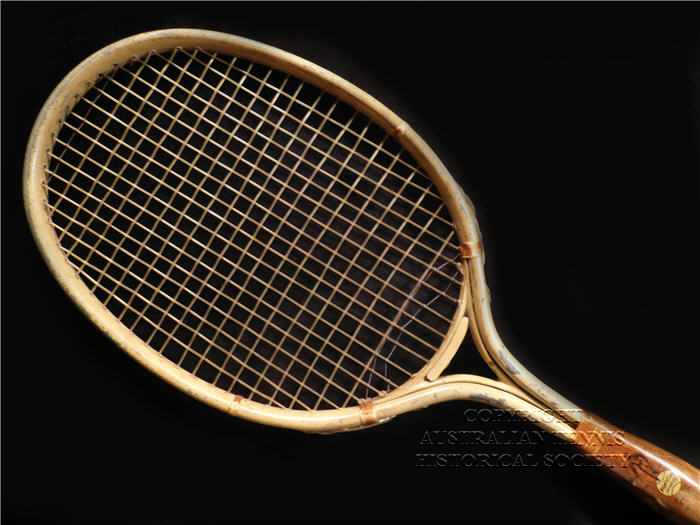
‘Premier’ Model 1886

Patented tension adjustment system where a leather cord is tightened within the butt cap area. In addition, a steel racquet which may well be one of the earliest. The company was most well known for bicycle manufacture. A very rare item.
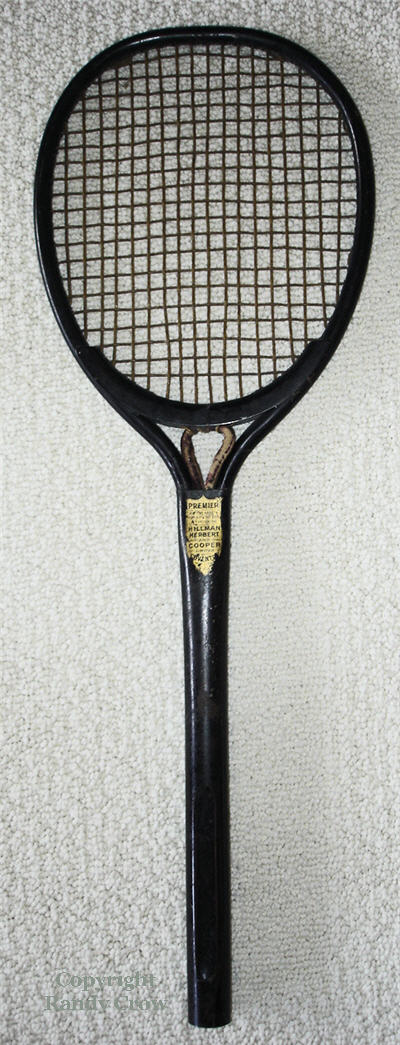
Thanks to US Collector, Randy Crow for the photos and history.

Patent # 346 751

As shown in Siegfried Kuebler’s book page 512. In Jeanne Cherry’s book she cites the earliest metal racquets to a Scottish company called the Metallic Racquet Corp. c 1887.

Copy of CRAVENS ADJUSTABLE 2

CRAVENS ADJUSTABLE 7

Craven Adjuster-tite 1928

(very rare)

A very early invention to change the string tension. Designed and patented by Edward Craven, the license was sold to Wilson, Magnan, Kent and Draper Maynard.

As you can see the butt cap permits the internal rod to be tightened or loosened.

Despite a few companies offering such technology, examples are scarce owing to the lack of uptake by customers.

Patent 1927 # 1 663 039

As shown in Siegfried Kuebler’s book page 539

CRAVEN RACQUET 1

Craven Proto-type 1929-1931

(very rare)

While known for the Adjuster-tite method, this design was patented in 1933 by Jacob Kleinmann. The crescent shape would wind down into a slot in the throat.

We are unsure if this ever made into production, but the International model name is a Craven racquet and we suspect they worked on a version.

Patent Application 1929 Given 1933 # 1 912 942

As shown in Siegfried Kuebler’s book page 546

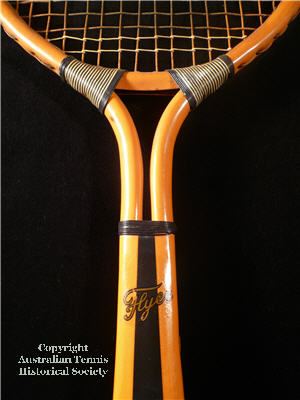
RACQUETS_DAYTONFLYER3

Dayton USA 1922 – 1990’s

One of the first metal head/wood handle combinations. They were strung with piano wire. The factory made this product almost without change, including the wood handles up to 1995.

From Randy Crow, USA collector, comes this valuable research information.

1.If the butt cap has “Dayton Ohio” printed on it, it was made between 1923 and 1934.

2.If the plastic butt cap says “Arcanum O” and the throat doesn’t have the three-racquet logo, it dates from 1934-1974.

3. If the racquet has a logo of three stylized racquets on the throat, it was made after 1974.

There were plenty of models and colours so whilst available the trick is to find them in good condition with not to much rust or paint loss and learn how to differentiate the age of various models.

They were sold in Australia late 1922 and used by Gerald Patterson and Pat O’Hara Wood in local tournaments over 1923/1924. Some of the famous French musketeers visiting Australia in 1929 also were introduced to them by Patterson on a drizzly day at Royal South Yarra Tennis Club.

So rather than importing them from the USA, some lucky collectors may find some local delivered examples.

Please note that the Birmal, below, was also sold in Australia.

birmal reshoot 2

Birmal Aluminium c1923 UK

An all metal, steel strings racquet, which appeared at around the same time as Dayton in the USA. Originally with the pictured cord grip they eventually moved to a wrapped leather grip.   These racquets were sold in Australia in the mid late 1920’s and included in an ad from the Northern Territory on the basis of hot humid conditions and a 1927 McEwans catalogue at a mid price point of 55 shillings compared to 95 shillings for the best wood racquets. This is example was acquired from Australia whereas most are seen from the UK.

SILVER FOX (2)

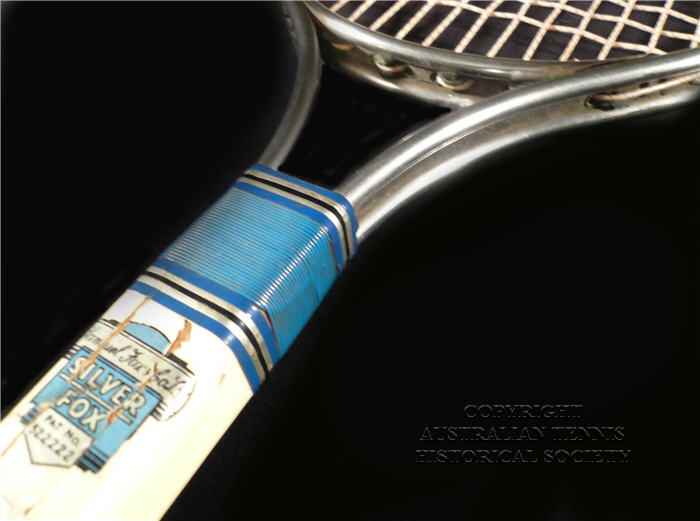
Silver Fox UK c 1930’s

Potentially the first stainless steel metal racquet with a wood combination. Dayton used carbon steel.

A patent number printed with the logo cannot be confirmed as being correct.

Maybe a dummy patent was a good marketing idea back then?

See Arco stainless steel racquets to read about the first full frame welded stainless steel racquet invented in Australia in the mid 70’s

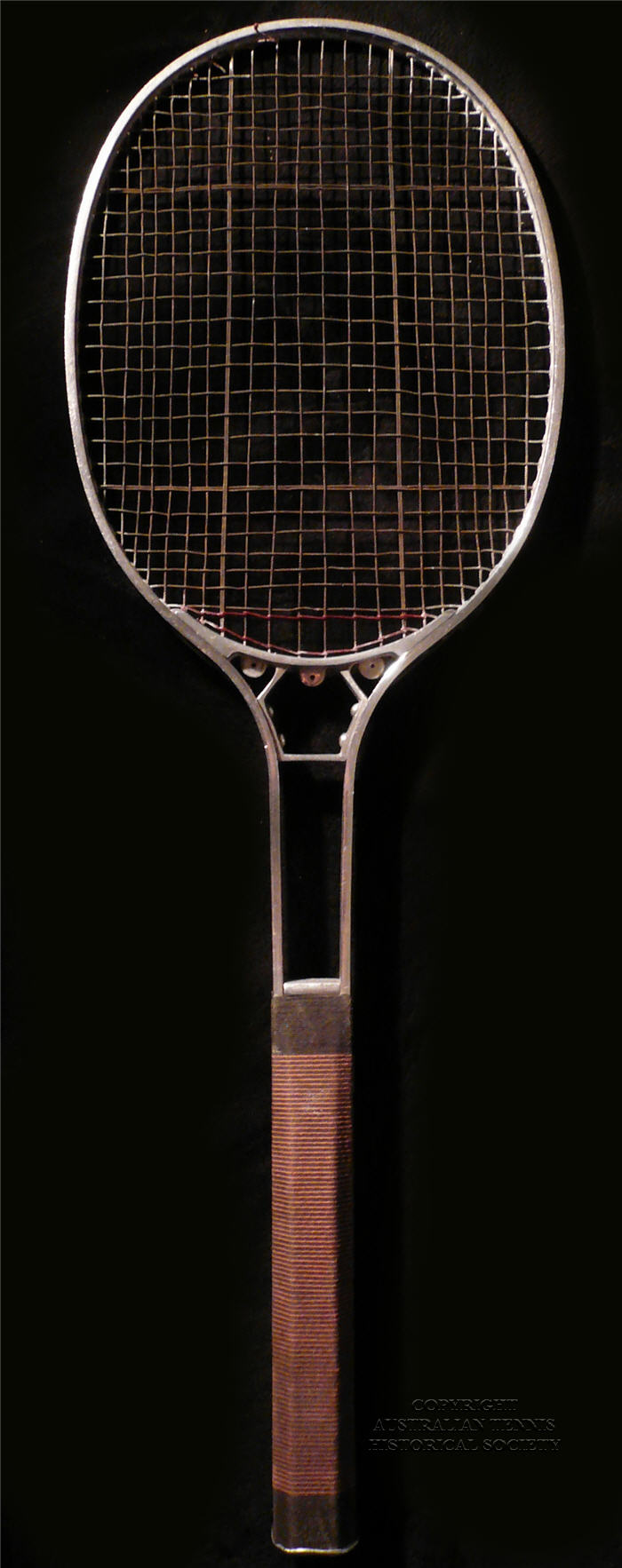
ALLO (assumed) rod lack

‘Allo ‘French Prototype c1940’s

Solid cast aluminium. Might be a one off. Found in a full length Allo bag. Allo were making weapons and car parts c 1940’s and had made wooden racquets from about 1900. The workmanship in the casting is extraordinary and you can see the string waves in the throat and the guides on the inside of the racquet. The strings sit in a protected channel around the frame which deepens at the top where most damage occurs.

A lot of thought has gone into this.

WD aluminium 1933 (1)

Spalding and Wright & Ditson 1930’s (USA)

The US firm produced an Aluminium head wood handle model under a few model names including DURALITE.

pro am (6)edit

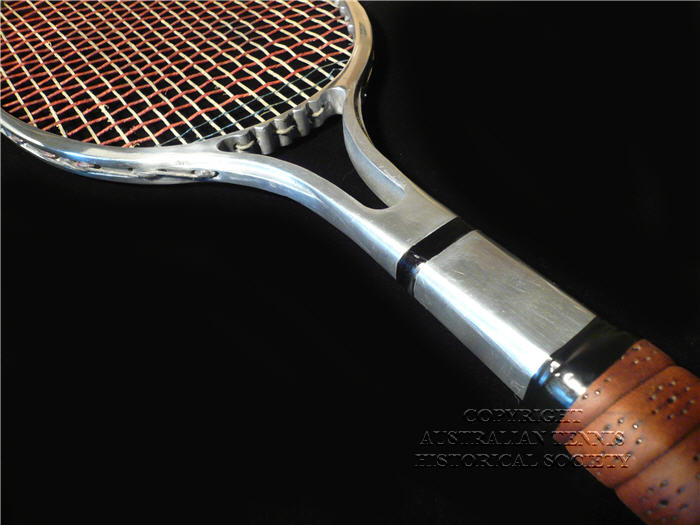
PRO AM early 1970’s (USA)

Commenced production of a fully cast Magnesium model racquet under the Centurion brand which then converted to an Aluminium edition under Pro Am.
The Pro Am has twin cross beams.

Designed by Tom Galich and used by Francoise Durr in events around 1973.

Single piece casting with an alloy construction and hollow handle. Not a rivet in sight.

dunlop twin shaft (34)

dunlop twin shaft (1)

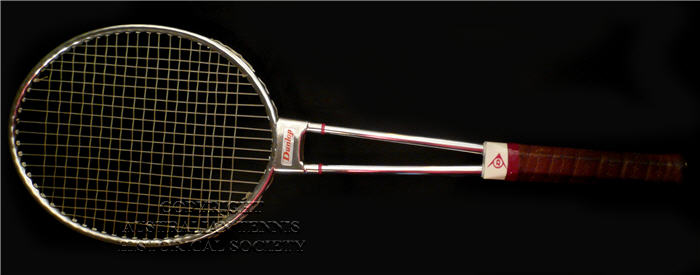
Dunlop Twin shaft 1969

Very retro design steel shaft model used by Torben Ulrich in various events.

Fin & Deesse Tennis Racquets

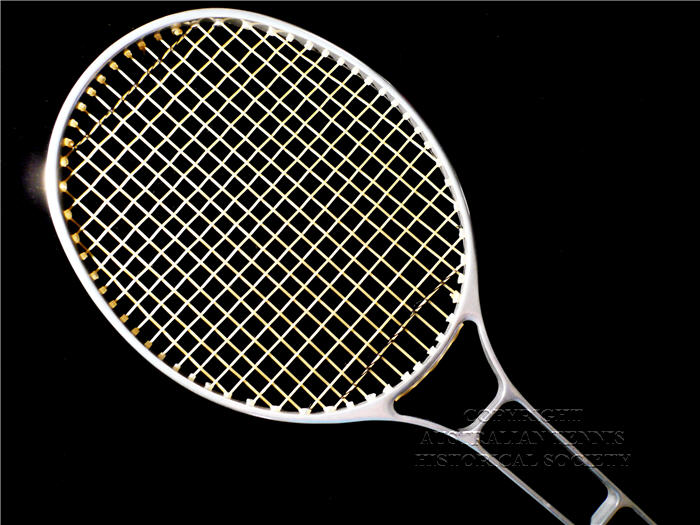
The story about Fin is really a story about an Australian who single handedly set about to make the best possible racquets in Taiwan and launch the low cost of production graphite racquets into the global market and in the process establish himself as the foremost designer and innovator of racquet design with graphite technology.

Barry Todd was looking for a business opportunity in the late 1970’s and a friend had just returned from Taiwan with some metal and wooden tennis racquets.  After three hits the metal welding broke,  the tennis balls were flat,  the wooden laminations started to separate, yet these items were bought only for $6 whereas the current market was paying $30. Appearance wise they looked OK, it was only that their production and materials specifications were all wrong.

The only option was to fly there and start to work with companies to develop better technology that wouldn’t fail. The starting point was Pro Kennex. Barry refined the graphite formulas and techniques to create a range of racquets which he then took to America’s largest trade show and introduced Taiwanese Graphite to Wilson, Prince, Head and Donnay. His expertise included being able to design and produce a new model within 4-6 weeks compared to the usual 12-18 months manufacturers were used to waiting for. Orders rolled in.  Graphite racquets were certainly being made pre Barry visiting Taiwan because Emrik and Stellar were already marketing Taiwanese graphite product while Rossignol, Kawasaki and other brands were using high cost Japanese, European or USA production facilities.

While the first orders were small, Barry was able to manage the business, however as the orders grew in size,  his role as middleman was marginalised as the factories began to deal directly with the large brands.  Unfortunately, this same pattern continued as Barry was forced to leave one firm to assist another in an attempt to forge an income and sadly the “sell-out” process continued.

For two years Barry lived in Taiwan, he forged ahead with numerous innovations including the deep throat designs, the manufacture of synthetic gut and grips all of which were adopted and copied.

The technology advancements also moved into squash racquet design and amid a major backlash which was fought out in the courts (not on them) the International Squash federation was forced to accept the new racquets over the conventional wood.   I can hear my Real Tennis colleagues saying they are glad that their secretive 300+ year sport thankfully remained off the radar.

Barry as a player was no slouch, he used to be up there with Fred Stolle, Bob Hewitt  & company but it was pretty difficult to make a name when Rod Laver and others were at the elite end. While living in Taiwan, he was the only foreigner ever to win the Taiwan Open, for they changed the rules after this to be a “Taiwanese Only” tournament.

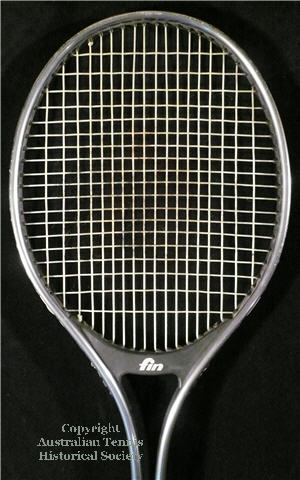
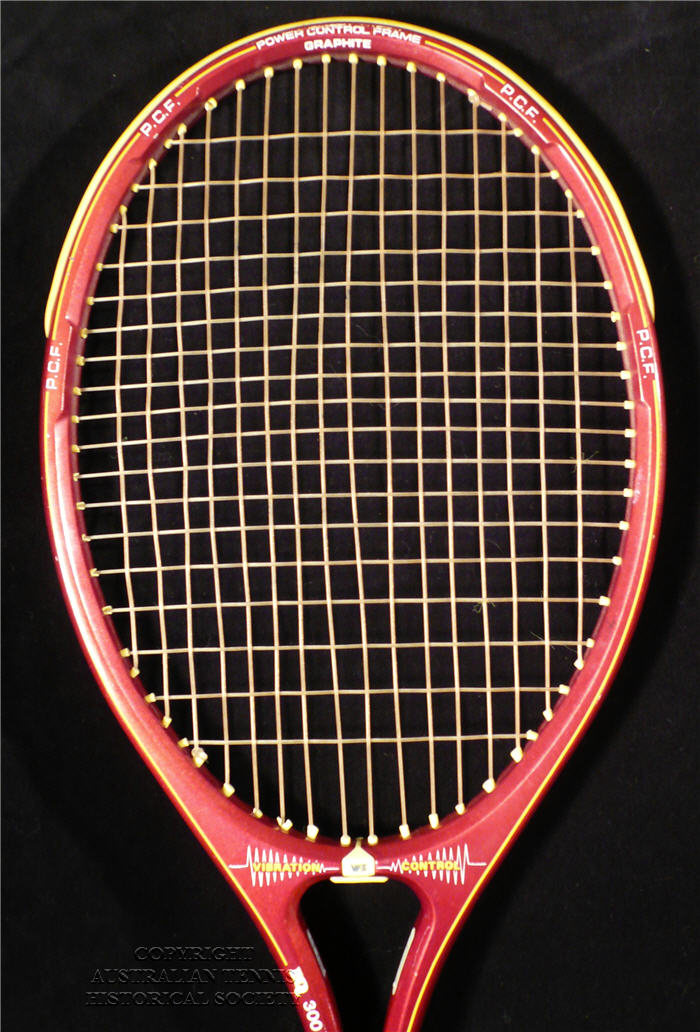
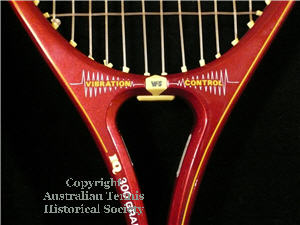
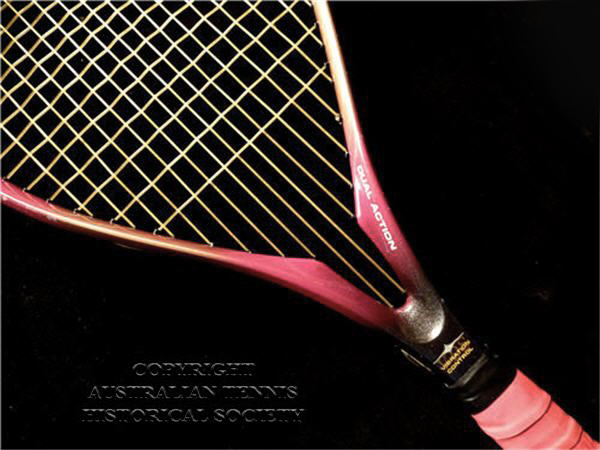
With the limited personal financial success of the introduction of high volume graphite racquets, a variety of consultancy positions and some major brand R&D roles that failed to materialise, Barry decided to create his own brand, FIN.  Given his design expertise he recognised the importance of vibration on tennis elbow  and proceeded to develop the first in-frame vibration dampening system involving a split throat design called “VFS”.  This was introduced into the top end range of the Fin IQ racquets. The racquets received excellent PR particularly in the USA when the publisher of a tennis magazine found he could play again, after years of tennis elbow with the new FIN IQ’s.  Protecting the system also came at a price.  To patent technology globally cost $130,ooo and then you need deep pockets to protect your patent against would be copy-cats.  He also fine-tuned manufacturing to incorporate a range of weight and balancing variations to create a range of racquets for major players.  The biggest name in the Australian market to use Fin was Chris Lewis from New Zealand.

The new range and network of agents was in place for the 1982 German Sporting goods show and in a matter of days Barry and team had amassed a staggering $3 million in orders.

Success comes at a price and Barry had to quickly find a way to fund order production.  The plan involved advertising for funding throughout Europe and 167 offers of support came in.

The one chosen was a group of Forklift truck manufacturers with some $60 million in turnover and with the offer to inject the funds quickly Barry signed a deal giving them 51% and control of  the business.  In yet another disastrous chain of events, this new investor was in fact cash strapped themselves and by the time the letters of credit had been organised with the Taiwan factory, the European summer was over and the orders could not be fulfilled.  Over in Australia, production was on time for the coming summer season, hence the FIN brand managed to grab a foothold in the Australian market.

On the IQ frames the following is labelled, ” This model is part of the new Fin tailor made collection of super performance racquets assembled in Taiwan. The exact cross blend by braiding the fibres together eliminate human error in the manufacturing process giving 100% uniformity throughout the racquet. This process combined with unmatched technology makes these racquets the most responsive racquets on the market today”  Tag line FEEL THE FIN DIFFERENCE.  (s0me Asian grammar retained)

Despite the rocky start, Fin survived for about 6 years even though the company was struggling financially.  In an attempt to resurrect the business Barry began to seek some joint venture arrangements.  One of these was Prince. At the time he was to first meet them, he instead had to return to Australia for his daughters wedding and various Fin UK board members followed him out attempting to negotiate a restructure of senior management.  Barry would have none of this and on his return to the UK found that the board, with control, had decided to sack Barry from his position.  Daft in the extreme since Barry was the technological genius behind the Fin range. The Prince deal never got off the ground.

Regrettably, he had to sit back and watch the financial disaster unfold and Fin went broke along with his 49% share.  No doubt, if the financial gods had been favourable, Fin may well have become, deservedly so, a major racquet brand which may well have been around today.

The next foray into the market was thanks to a mate who owned the Deesse (pro. Dayus) company in Switzerland.  They are today still a large cosmetic company and were keen to develop their own range of sporting goods because  they used sporting wear and equipment in many brand promotions.  Given a solid financial base,  Barry went to Korea this time to develop the range which included the “woody” graphite style which is a quite stunning finish, he also designed the long string concept and the inward angle of the side frame. In two years Deesse racquets were number 1 in Switzerland and then a deal was done for Barry to launch Deesse into the UK as his own business and globally with Deesse into other markets.  Again, another tragedy. Owing to a severe car crash Barry was hospitalised and his potential future involvement with the project was in doubt.  Deesse decided to pull the pin rather than continue without him and cutting it’s losses withdrew from the launch meaning that Barry was once again denied his opportunity.

Barry,  today aged 72 has retired from tennis racquet manufacture but he still owns some major patents available for a price. Sadly the journey has not been kind to Barry financially but the story itself is a great tribute to his Australian ingenuity and his “have a go- never give up” attitude.

He certainly paved the way to the greatest revolution in tennis playing style and techniques for the power generated by graphite racquets has altered stroke making,  ball spin,  court play and the retail market.   Remember that we used to buy one or two racquets a year when we played club tennis now we can own a graphite one for ten years….

From this story, I guess the only irony is that even today the greatest problem facing the racquet industry continues to be what plagued Barry and that is the ongoing knock offs created by rogue factories, not just copying technology but creating full graphics knock offs.

Thanks for your time Barry and sharing your story with Australian Tennis History

Fin metal products were launched with the graphites.

Fin IQ 300 with VFS vibration system

A stunning design all round

 Deesse (pron. Dayus)  Woody Graphite
One of the most attractive racquets made. Barry created the technique to print a wooden finish using various shades.

 An earlier Deesse model called the WIZARD Feather Pro

In a fashion like the Wilson PWS, Deesse used the long string technique
combined with additional frame support as shown here.

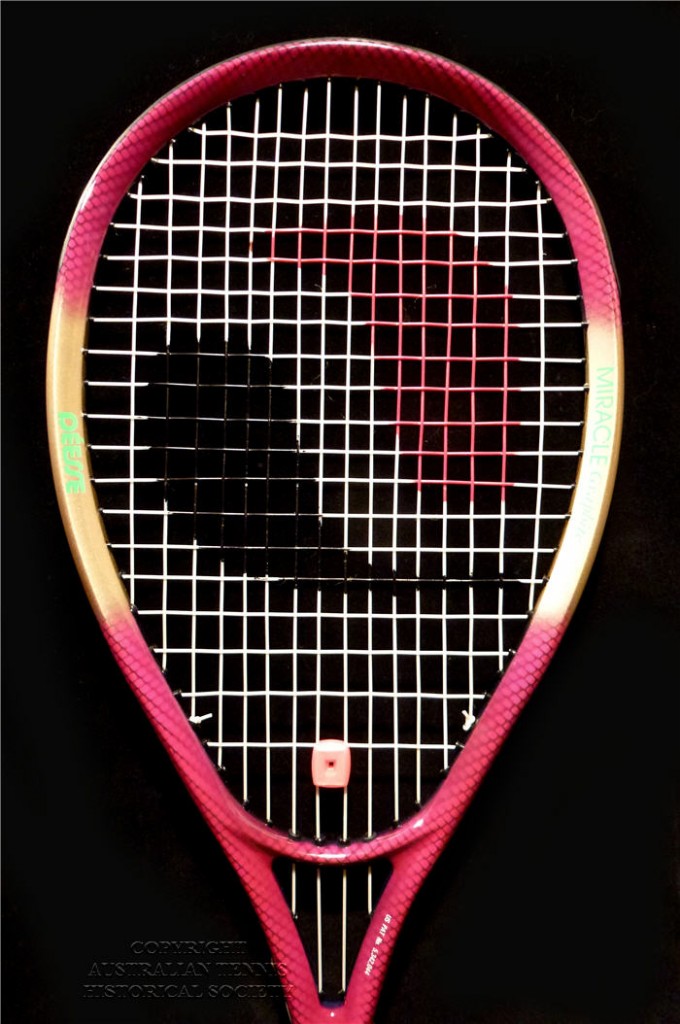
Apart from developing the first long string racquets, Barry also produced this alternate stinging system.

If you broke a string, the immediate strings would remain taut allowing you to complete the point.
A fine and rare example to include in any collection, called the MIRACLE  (blue one side pink the other)


Tennis History & Facebook

Owing to some recent contacts with UK & USA tennis collectors organisations,  they have decided to include separate Facebook pages in which to engage all subjects relating to tennis.

This access to expert collectors around the world is an invaluable resource.

UK Tennis Collectors’ Society

USA Tennis Collectors

Swiss Tennis History (Private collector – very knowledgeable)

Of course this website is also represented via Facebook at

Australian Tennis History

On Facebook we cover all manner of topics from history through to the latest ebay sales,  unusual items etc.

Come and join us!!!

World Tennis Magazine (US) Australians On Tour from 1950’s & 1960’s editions

Recently we received approval from the magazine owner Randolph Walker to scan some photos from some of the early World Tennis Magazines from the 1950’s and 1960’s. In 2011, I was lucky enough to buy a package of magazines from Sydney that spanned late 1950’s to early 1980’s.

Greatly appreciated since copyright laws these days tend to stymie access to any material which deserves to be shared.

Naturally, throughout this period, the Aussies were well represented so it is again with sincere thanks to Randolph that we can present an array of photos not normally available.

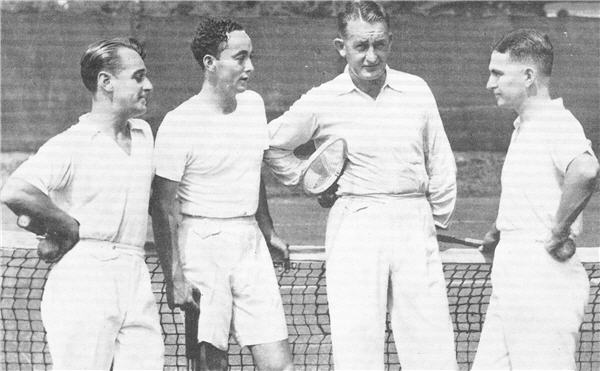
1939 Davis Cup Team Quist, McGrath, Crawford and captain Sproule

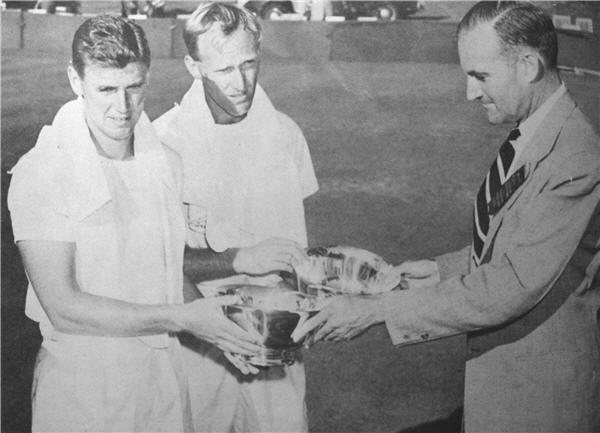
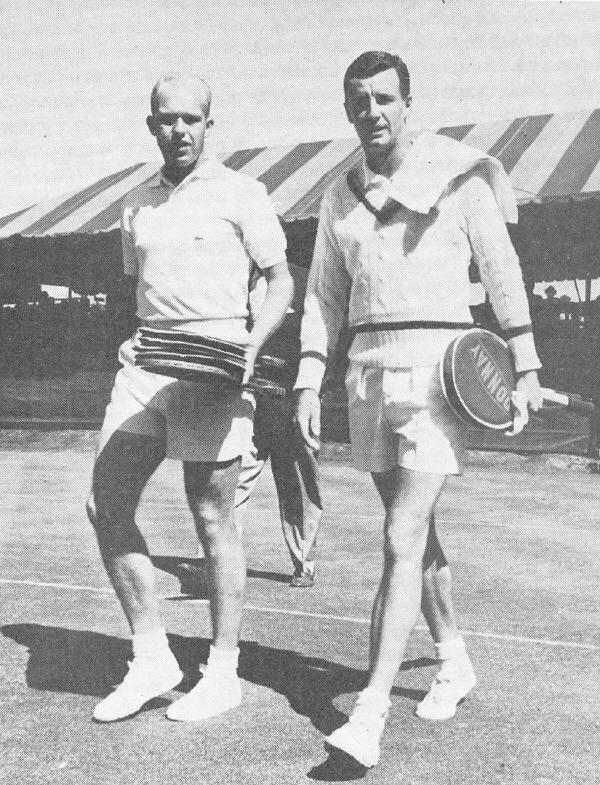
Longwood USA final 1950, Frank Sedgman and John Bromwich

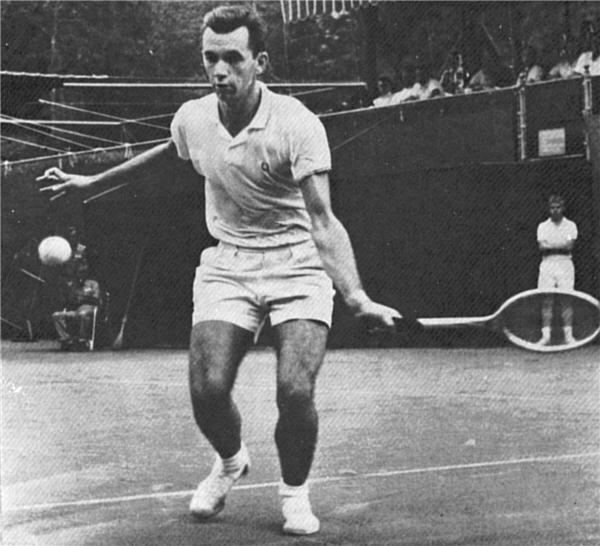
Merv Rose 1957

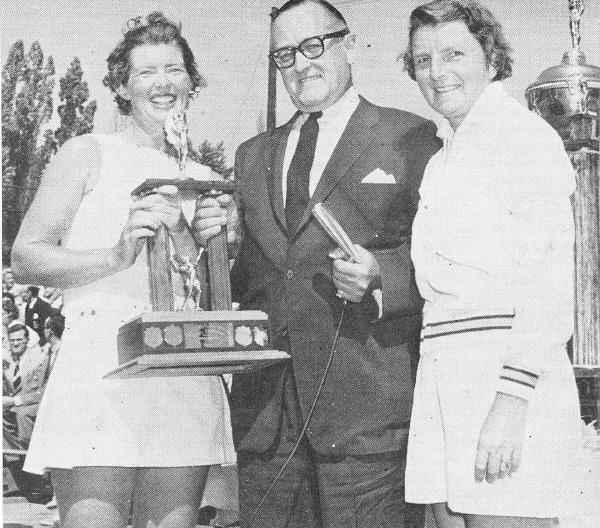
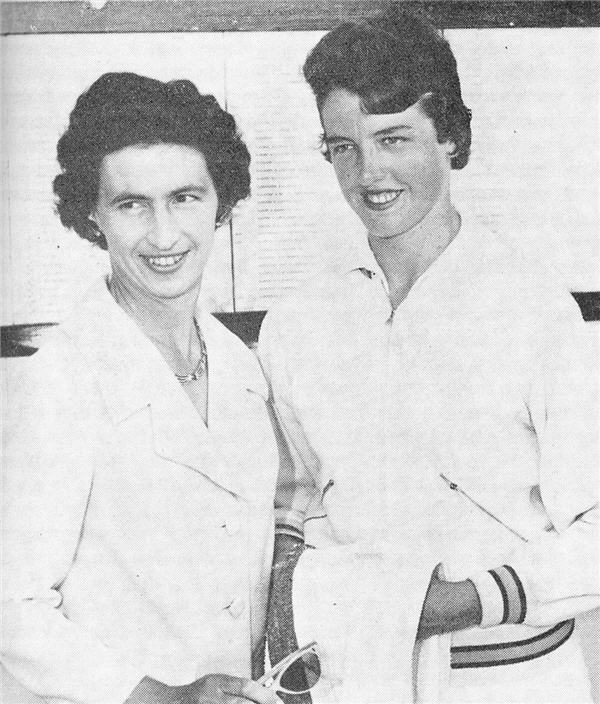
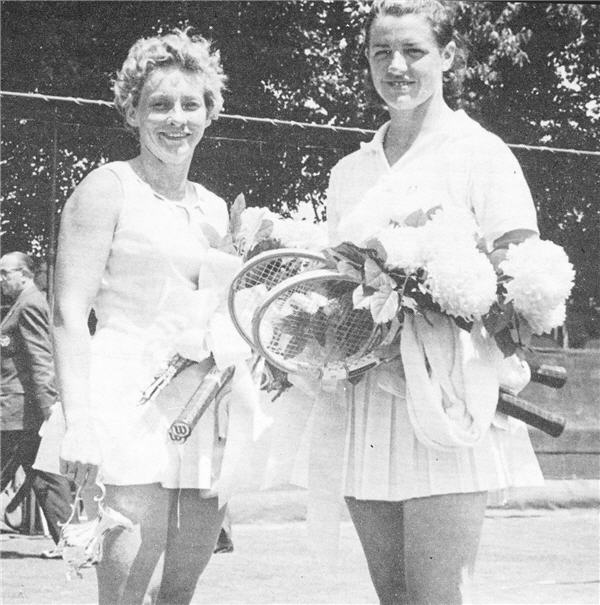
Thelma Long still playing competitive tennis (right) 1958

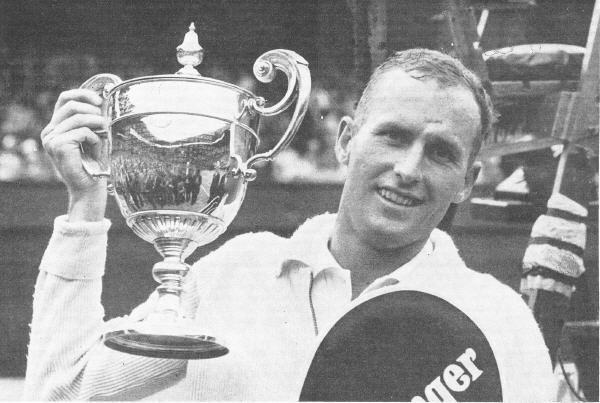
1960, Neale Fraser wins Wimbledon

Marty Mulligan with Bob Hewitt 1960

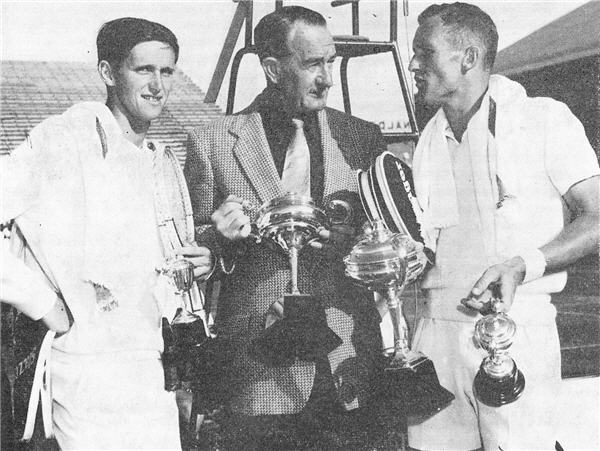
1961 Jack Crawford with Roy Emerson and Neale Fraser

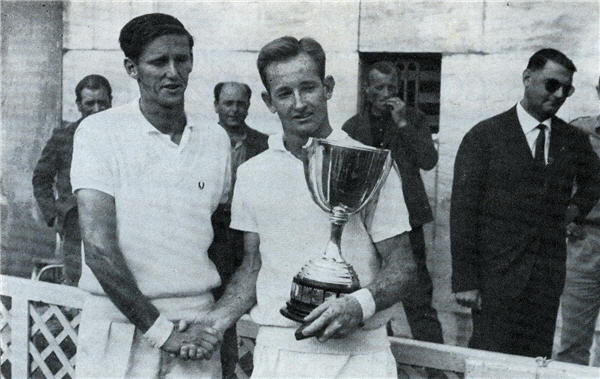
1962 Italian Championships Laver defeats Emerson

John Newcombe, Orange County USA Juniors

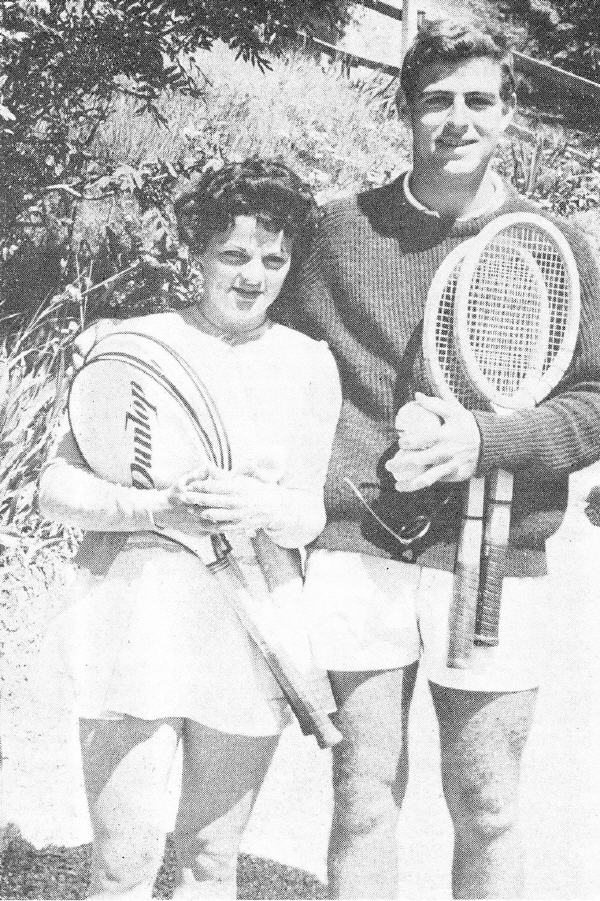
John Sharpe & Jill Blackman

Margaret Hellyer marries Carlos Fernandez 1961

Dulcie Whittaker and Margaret Smith 1961

Lesley Turner defeating Margaret Smith in the Italian 1969

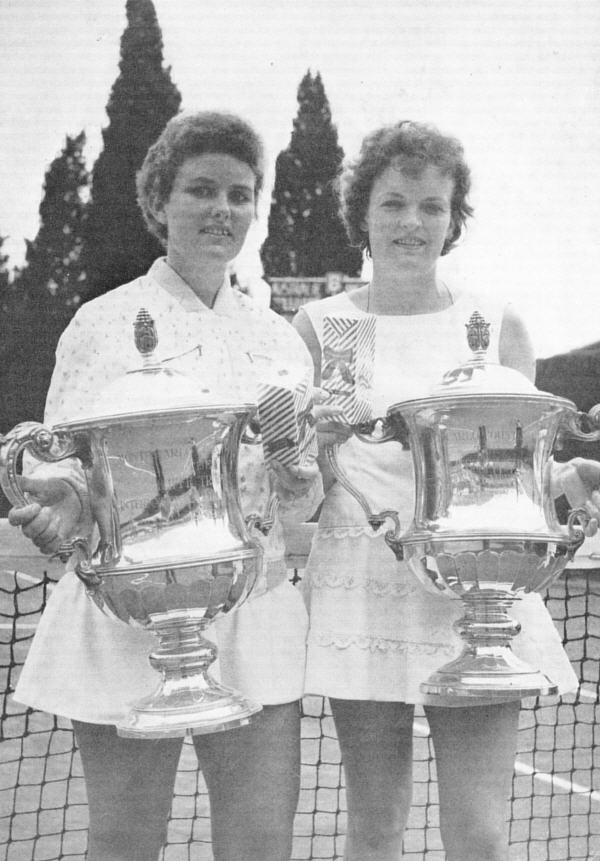
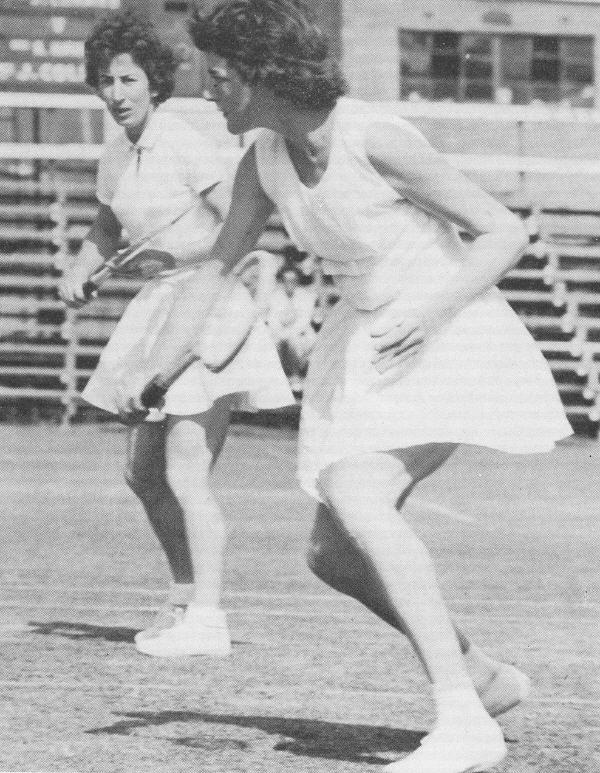
Jan Lehane and Lesley Turner 1963

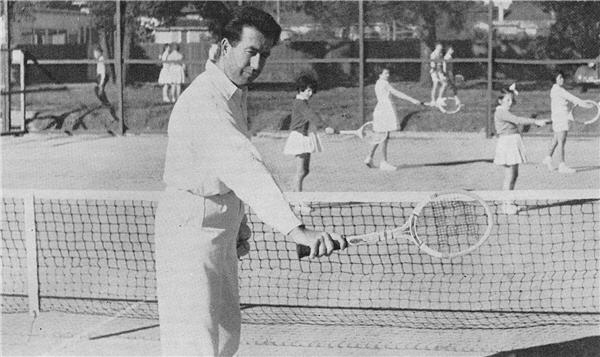
John Cody, OS Tennis coach 1963

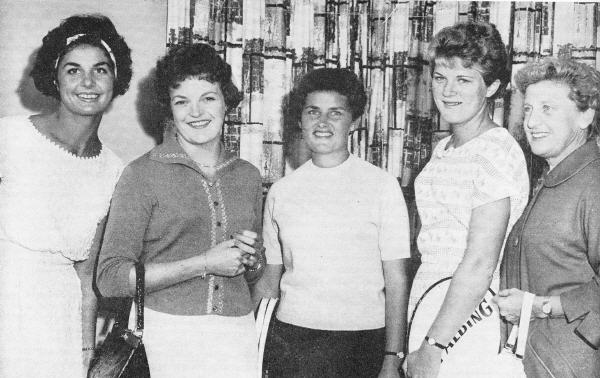
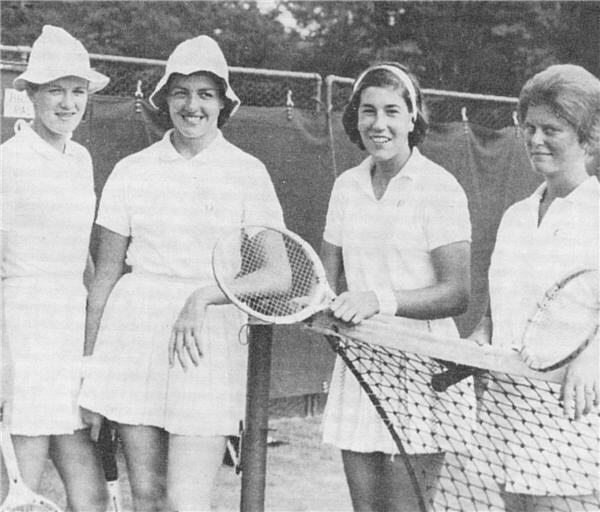
1963 Australian Women’s Team

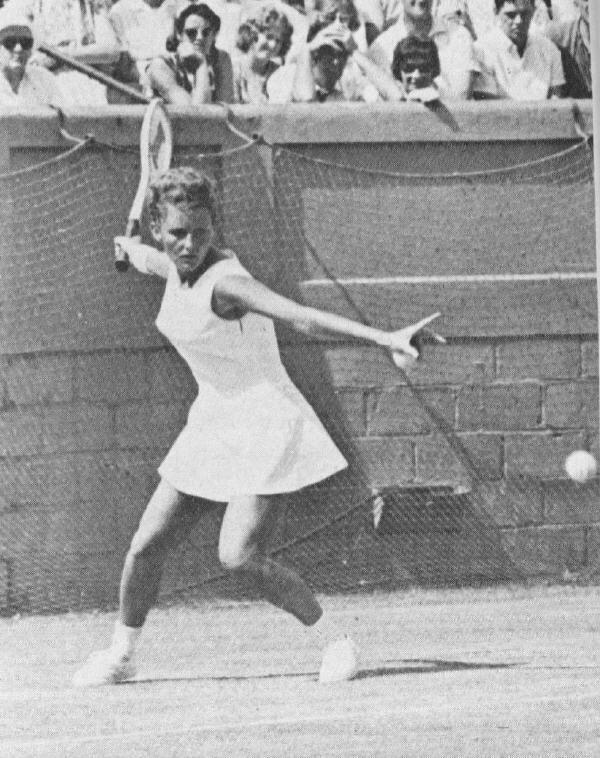
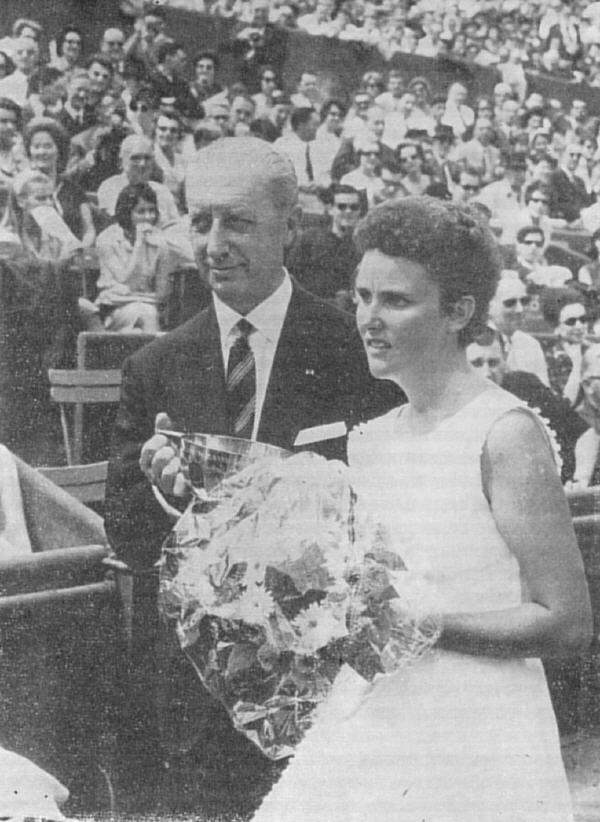
Lesley Turner wins the French 1963

Roy and Joy Emerson 1963

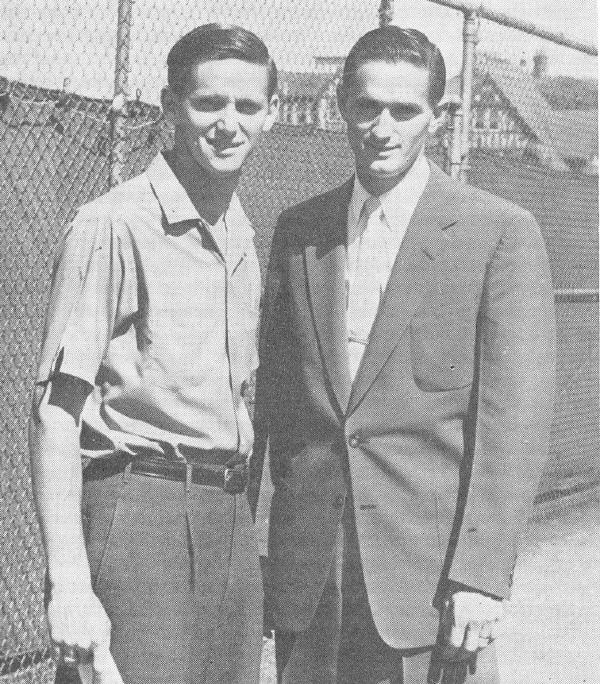
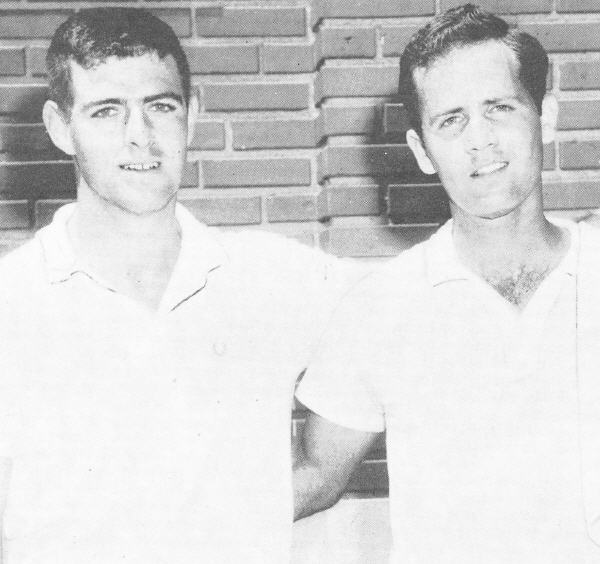
Mal and Roy married sisters to become brothers in law.  They look like brothers don’t they?

Margaret Smith defeating Darlene Hard Orange County USA 1963

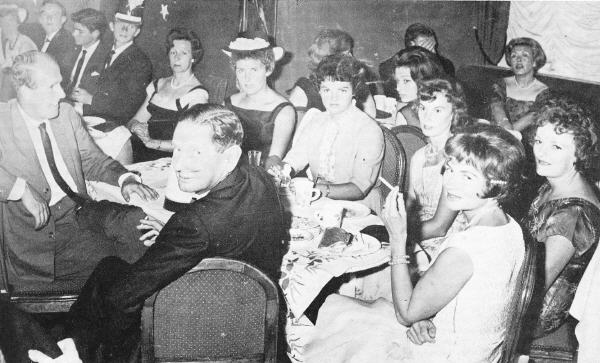
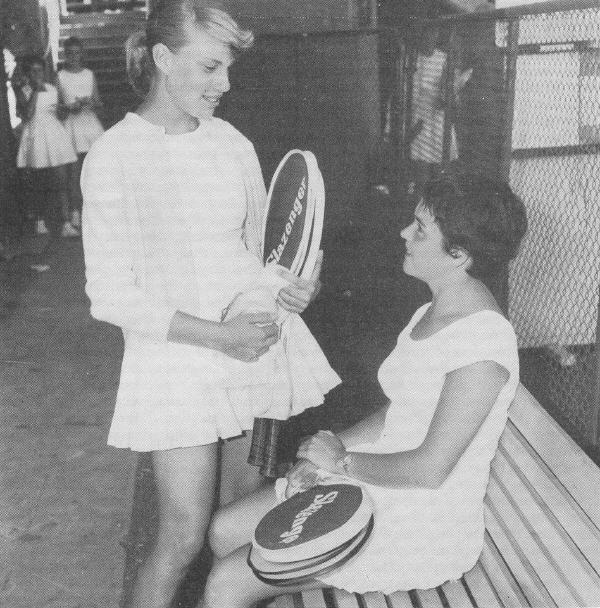
Lesley Turner and Jan Lehane at a flashy dinner party 1963

Robyn Ebbern and Margaret Smith (left) team up

Lorraine Coghlan with Margaret Smith 1960

Warren Woodcock (right and below) 1960 played the USA circuit

Rod Laver with Bob Mark 1960

Kay Denning with Val Wicks 1960

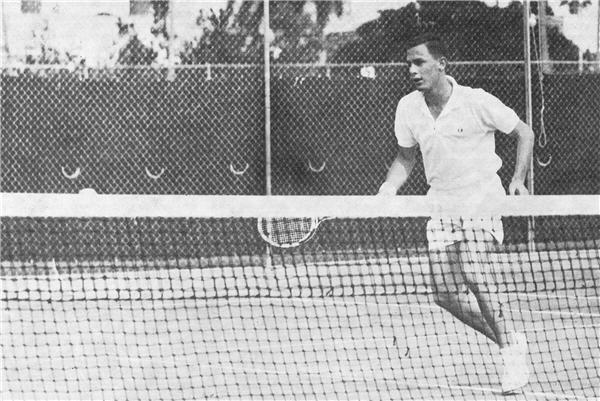
John Sharpe 1960

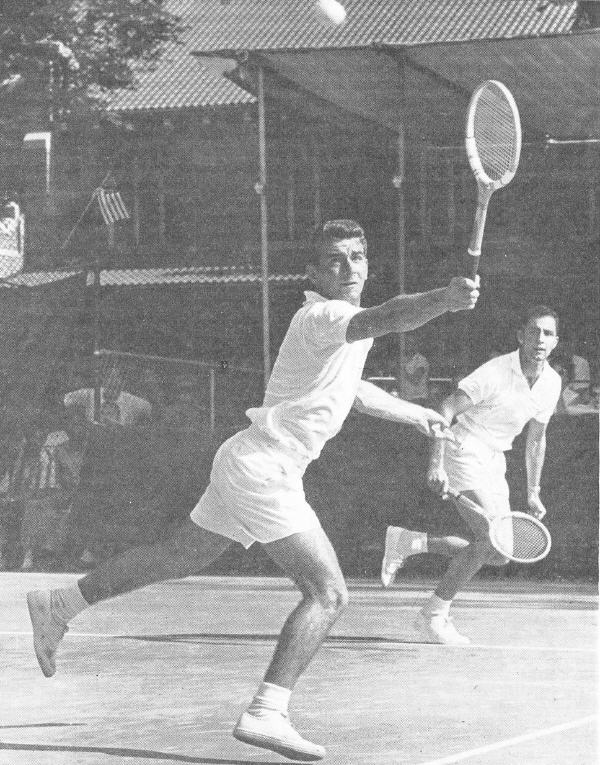
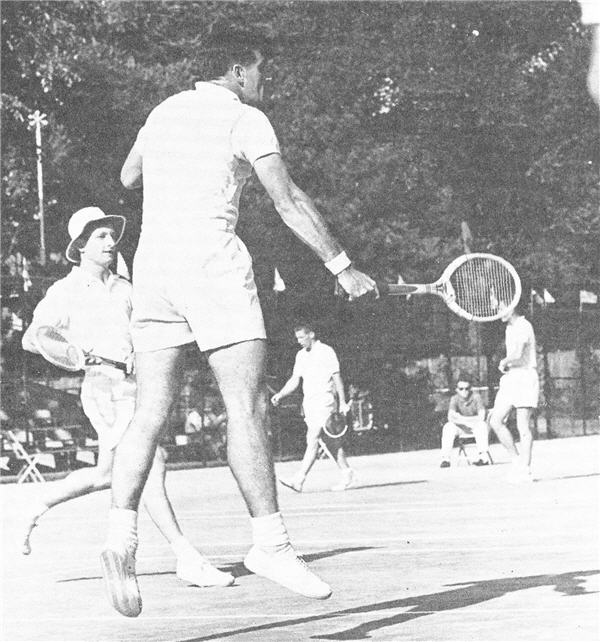
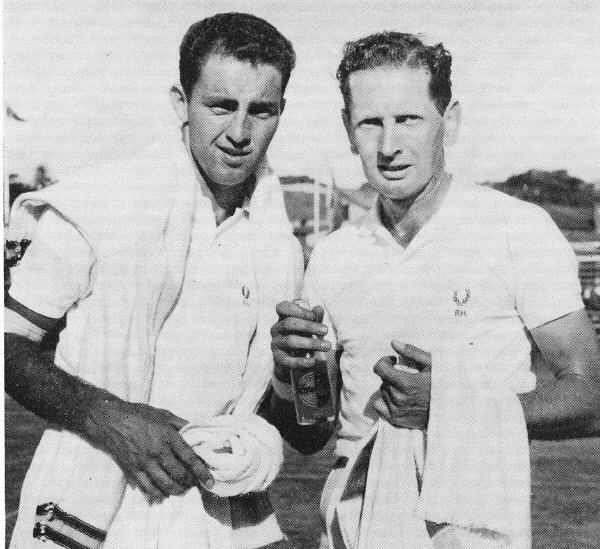
Bob Hewitt and Bob Howe 1960

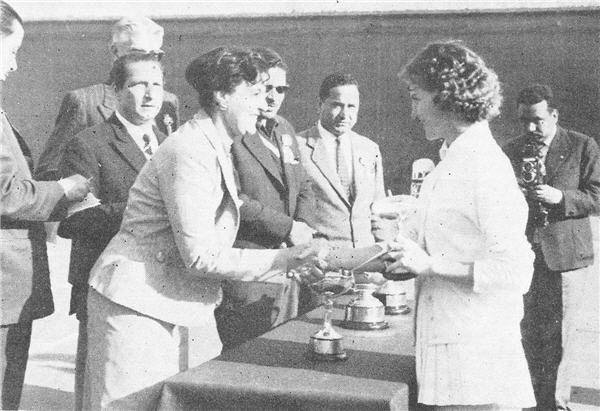
Margaret Hellyer in Egypt 1960

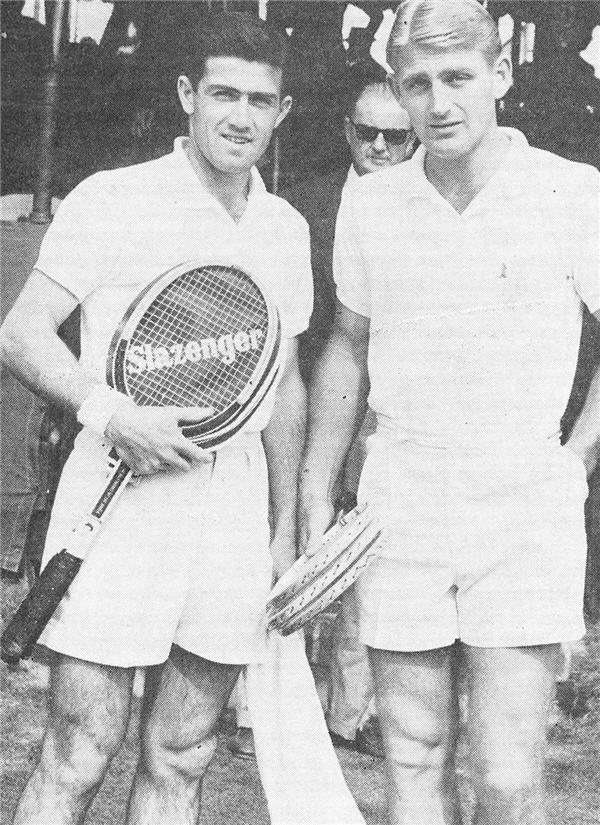
Ken and Lew on the pro tour 1959

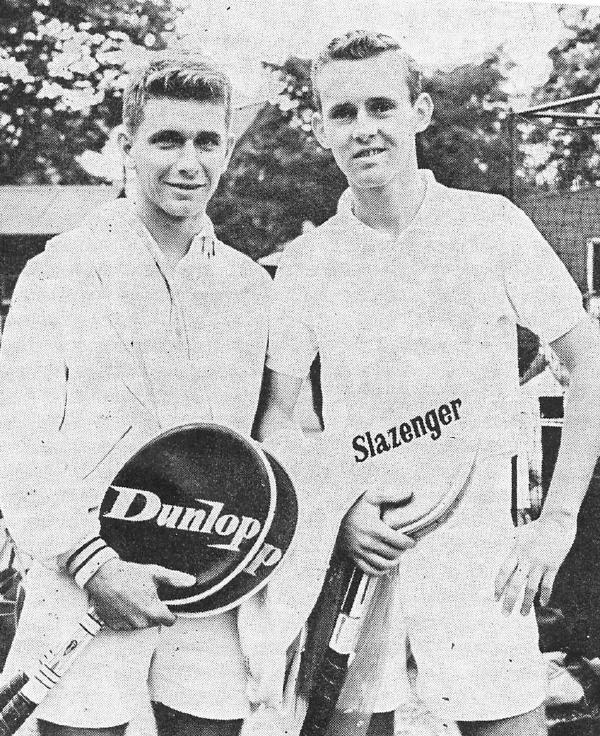
Marty Mulligan with Ken Fletcher 1959

Marie Martin 1959

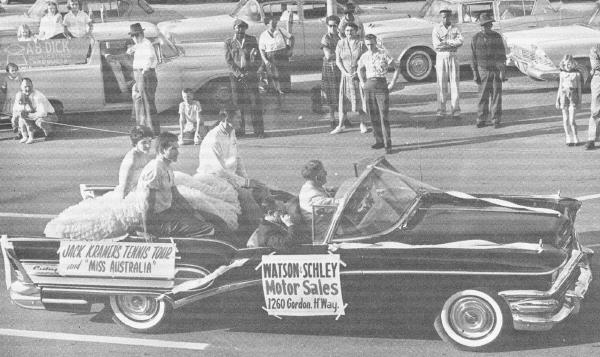
Pro tour procession for Cooper and Anderson 1959

Bob Howe in the New Zealand final 1959

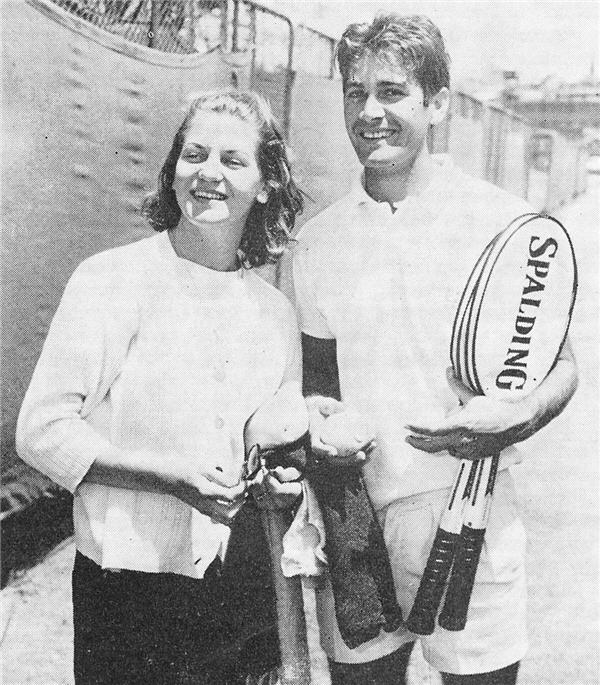
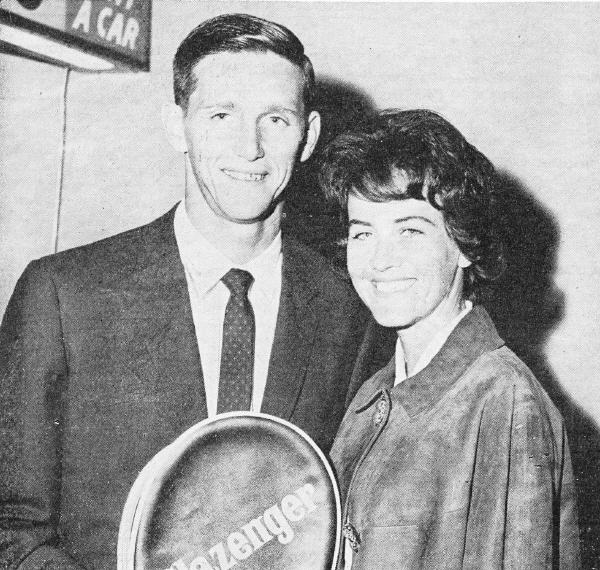
Barry and Anne Phillips Moore 1959

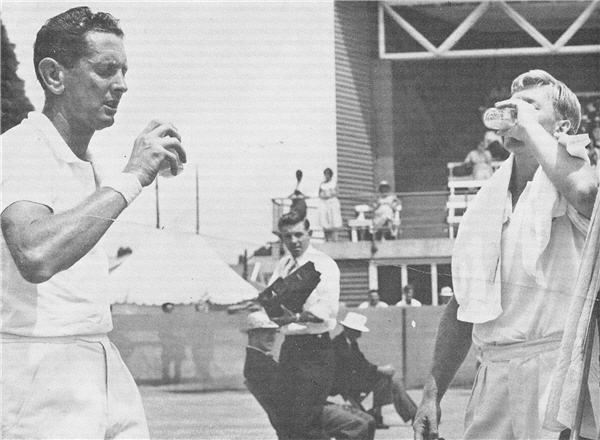
Line Umpires having a joke with Ashley Cooper