Tennis Heritage Australia 2015 Year to Date

2015 has been a great year for Tennis Heritage Australia.

In January, one of the elite USA coaches, Ken De Hart caught up with us during his time in Melbourne as guest speaker at the Australian Open Coaches conference. Ken is a collector however his reputation as a great coach and his extensive connections have been of enormous value in helping to build our Facebook presence.

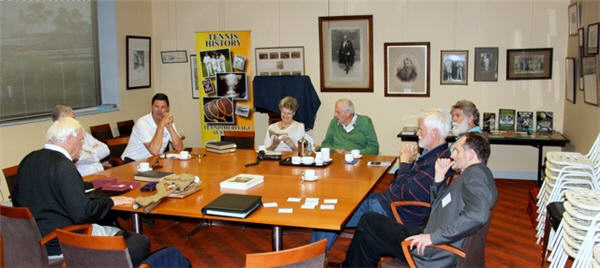
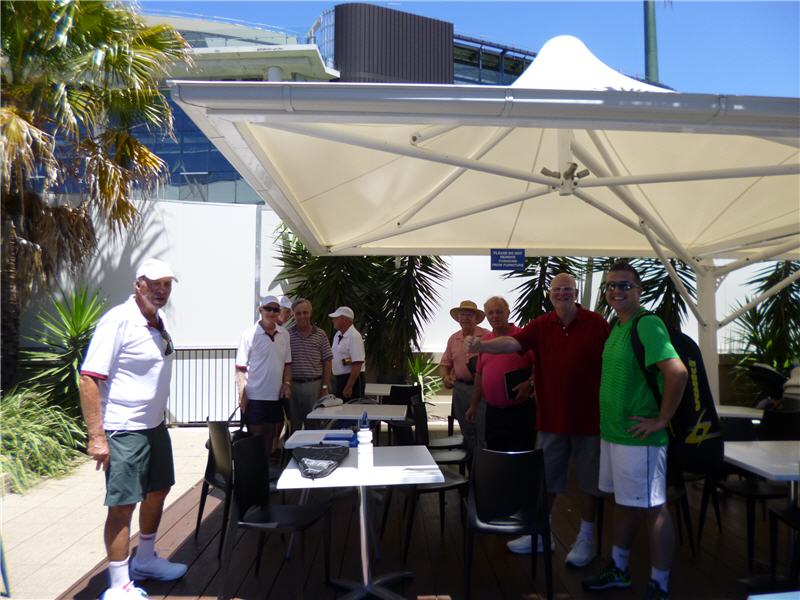
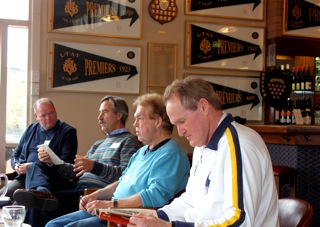
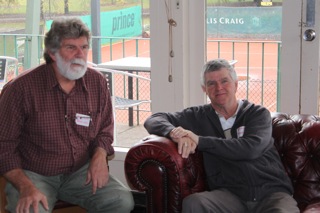
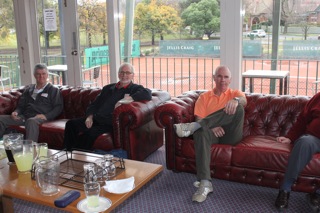
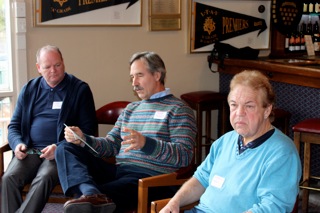
We organised a lunch meeting at Kooyong thanks to Cedric Mason and we had a grand time discussing what we collected individually.

P1300648

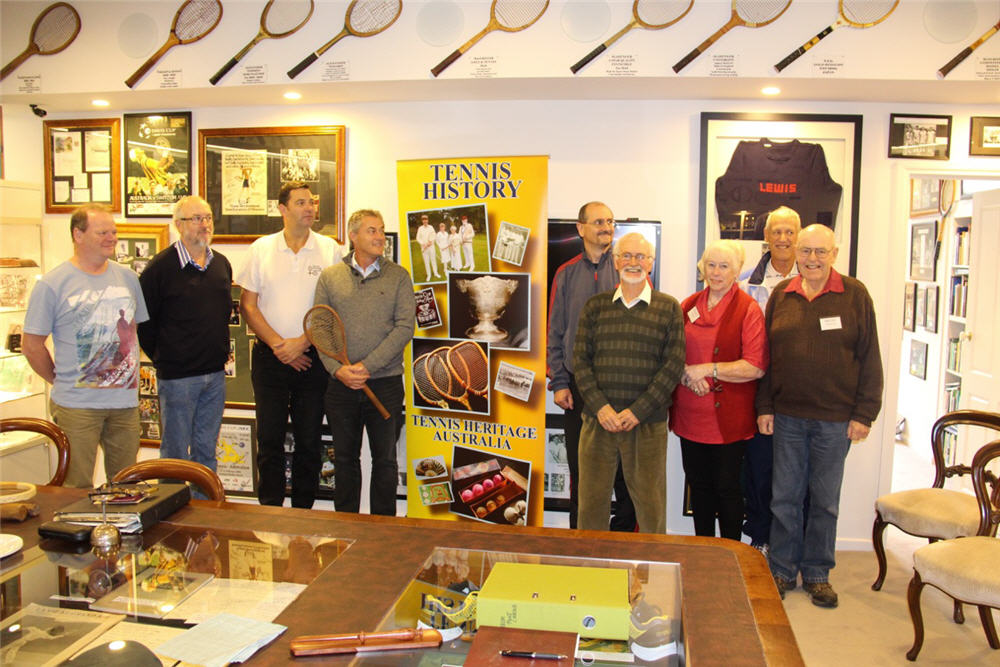
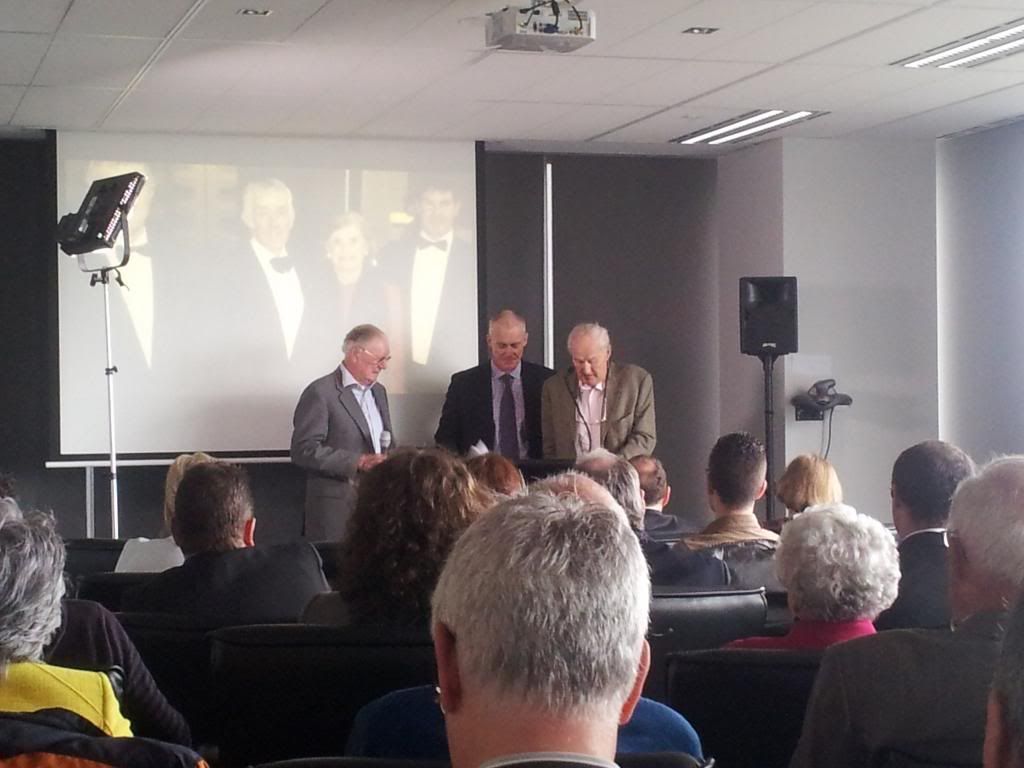
In May, we conducted our Inaugural NATIONAL MEETING down and Denis and Liz Tuckers fine Launceston home which in part contains a tennis museum focusing on Championship and Davis Cup/ Fed Cup players.


TAS MEET4

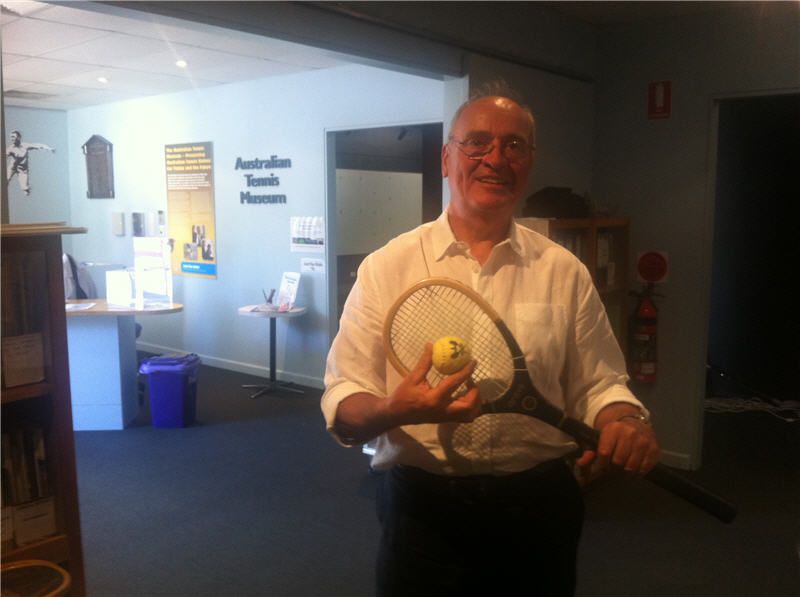
Special guest at this event was TENNIS COLLECTORS USA member Aldo Romeo who Denis has met on previous occasions over at the Newport Hall of Fame and Tennis Museum induction events.  Up until this point most of the rest of use had been discussing collections with Aldo over Facebook.   It was great to have his company not only in Launceston but also the following week in Melbourne where we toured a few tennis destinations that Aldo was pleased to see.

The following day we undertook a tour of the Alexander factory with the relative of the original owners, Gus Green and then played some tennis in the afternoon at the local club.

It goes without saying Aldo is quite a handy player and now has the lead against the all Australian team.

A very special thanks to Liz and Denis who opened their home to us for the weekend and also apart from Aldo coming from America, we enjoyed the company of Geoff from Perth,  Michael from NSW and some couples from Melbourne. Also Phil Bowden President of Tennis Tasmania attended the dinner which was most enjoyable.

It was a far more relaxing stay compared to our normal meetings which are usually 3-4 hour events.

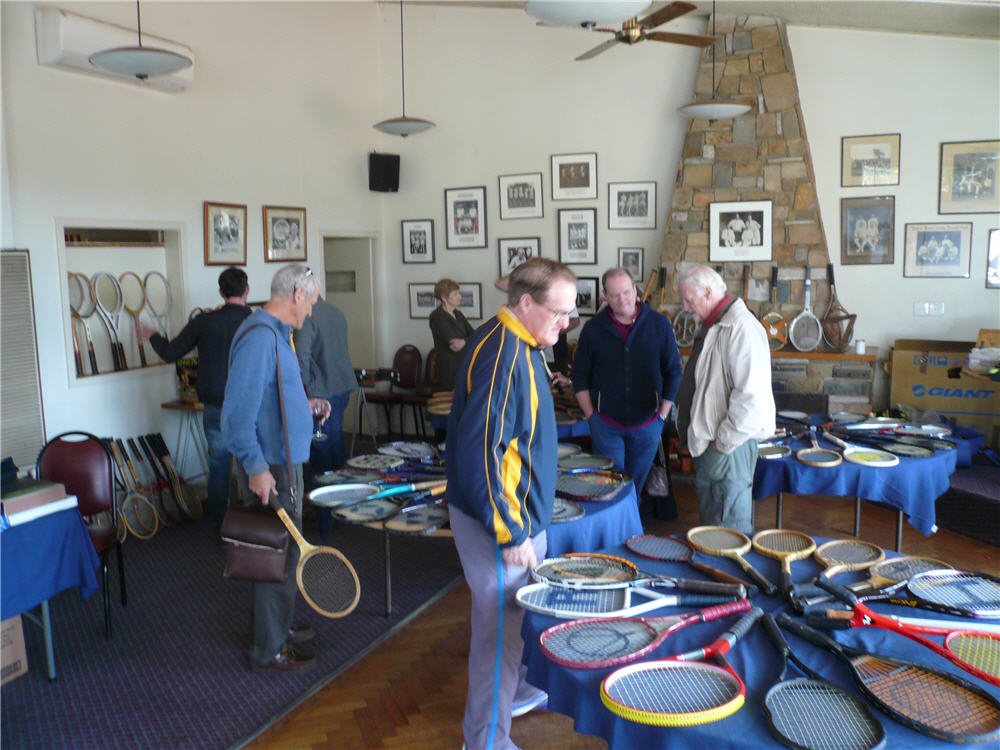
In August  we organised an impromptu TENNIS MEMORABILIA & SWAP MEET at Grace Park Tennis Club. One of our objectives as a group is to try and engage more with the pubic tennis community.  Using only social media we had the support of Tennis Victoria advising club secretaries,  Tennis Australia including the flyer on their social media,  Facebook, Ebay and Gumtree listings plus email to all our TH website database.

It was an interesting experiment with about 50 people arriving between 12-4 pm.  It was certainly a great day meeting everyone including a couple of new members who were keen to downsize their collections.

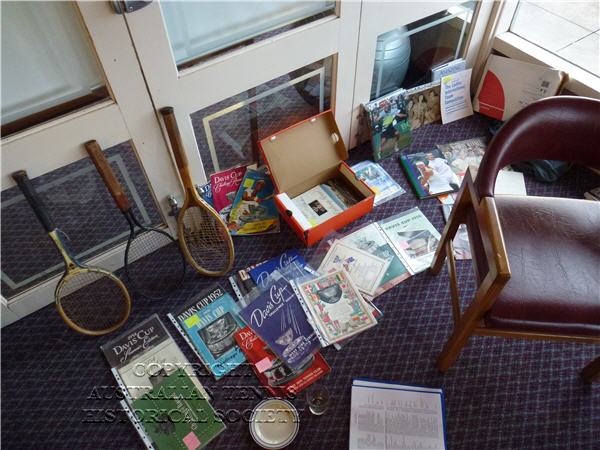
We had a large display of unusual racquets and 5 vendors selling various bits and pieces.

P1330711

Based on the success we will definitely encourage the THA Sydney group to organise an event and in Melbourne we already had an expression of interest from the KNOX CITY TENNIS CLUB to conduct an event out there which is currently being planned for November.

Special guests were Australian Fed Cup player Janet Young, Tennis Australia Director and Peter Cuxson, Tennis Victoria Director.  It was also great to meet other enthusiasts from ebay and some new potential collectors just excited to see what is out there.  1980’s player Cynthia Doerner was visiting family while in Melbourne from the USA. She has recently become connected with our ever expanding Facebook group and it was a delight to meet in person.

Our ambition is to work with Tennis Australia on developing a far more engaging display of tennis equipment and memorabilia through the Open event in 2016.  Talks with TA to continue soon.

Thanks to all the helpers with setting up the tables and equipment and to Grace Park for the venue.

Some interesting collection additions this year include an Alexander PHOTO DECAL racquet which I had only ever dreamt might exist.  The reality is that the company brought out a model in 1932 featuring James O Anderson.  This model has never been seen before by the global community of photos decal collectors and being this early as well, places it with very early models featuring Ellsworth Vines and William Tilden.

Luckily despite their being some paint loss the decal of JOA is remarkable.

alexander joa super photo model (3)

Another very rare racquet from the LILLYWHITE & FROWD UK (1939 era) was this TWINSHAFT model on the left next to an Hazell Green Star Streamline from the mid/late 1930’s


lillywhite hazell shoot (66)

Unknown 1920’s Australian Player- H.L.Barclay

Within Tennis Heritage Australia we have a range of collectors and historians interested in books, equipment, autographs and of course researching the development of the game.

This next story highlights how valuable a small amount of information can unravel a story about an Australian Player who never really gets a mention in any of the published tennis books produced over the years.

Now that is not a criticism, because he is often listed as being British, however with a stroke of good fortune  and with today’s TROVE Australian Newspaper search engine we have been able to join some dots, so to speak about this most accomplished Australian player during the 1920’s.

OUR MYSTERY PLAYER IS HARRY SAMUEL LEWIS BARCLAY

In 1922, he was rated the 4the best Australian over in the UK by A. Wallis Myers a renowned tennis critic and writer.

He was rated in 1925 in the top 12 players in Britain just behind Randolph Lycett, who coincidentally was another Australian who went to the UK to live and enjoy a tennis career in England and Europe.

So how did Harry disappear off the Australian Tennis radar?
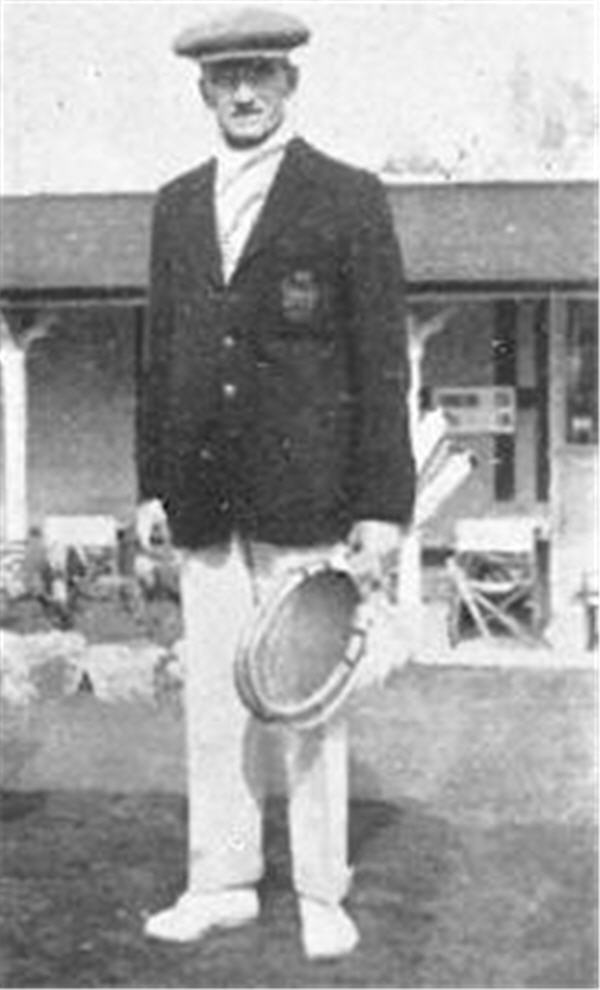
HLBarclay 1925 British HardCourt

This story begins a few months ago when a UK auction house was selling some old tennis trophies.  Being inquisitive, I explained that it is difficult to sell them unless your sale descriptions include who won them, the tournament and the dates, so some better pictures were provided.

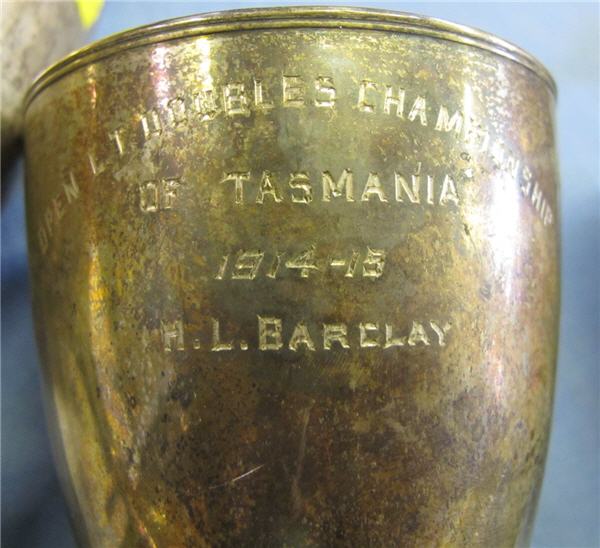
To my amazement there were two trophies from 1915, engraved with Tasmanian Singles and Tasmanian Doubles.

Surely then he must be an Australian and not a British player and so the Trove investigation immediately began.

Harry Samuel Lewis Barclay was born in Beaconsfield,Tasmania on 7th November 1892 and didn’t start playing tennis until 1911.

Only 4 years later aged 23, he won the 1915 Tasmanian State Singles and Doubles Championship playing with W. Sheehan of Alexander Tennis Racket fame (down the track). He had been rising in the ranks in Tasmania and pre the 1915 wins formed part of a Tasmanian team to play the MCC in Melbourne and the 1914 Autumn Championships. After winning the 1915 events he again traveled as part of a Tasmanian team to NSW.

With the outbreak of war, he joined the war effort and spent time on the front lines in the army.  He survived unscathed but at the end of the war became a career soldier and joined the British forces in the Indian Army where he attained the rank of Captain.

Tennis was still a passionate pastime and he played in India winning some major tournaments there and when he could organise extended furloughs would travel into Europe and England for the tennis season.

In 1920,  he played in the Beau Site Tournament in Cannes which was a very prominent tournament attended by many fine UK and European players over the years.  He struck good form and won the event beating  Fisher 6-2, 7-5, 3-6, 7-9, 6-1.
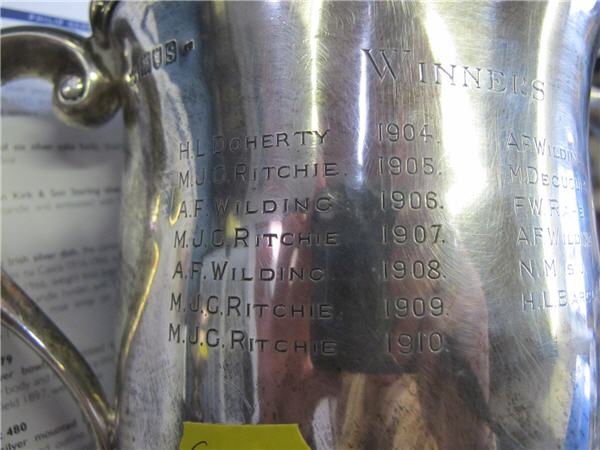
1920 Beau Site Cannes 2

As you can see from the trophy (last entry on the right) he is in fine company.  It was a unique event for this was the first time an Australian had won the well contested title, owing to New Zealander Anthony Wilding defeating his doubles partner, Australian Norman Brookes in a  previous final. He wrote a letter to “Austral” (R.M.Kidston) of the referee giving details of tennis in India and his match at Cannes.

In 1921, he won the Indian Army Singles and Doubles and also the Open Doubles.  He lost the Open Singles in the final but was thoroughly exhausted from playing so many other matches during that day. So much different than players of today.

The Davis Cup association introduced a rule that only British or natural born Indians could play in the inaugural 1921 Indian Davis Cup Team.  It also stated that once a player had played Davis Cup for a country he could not play for another.  Interestingly two Japanese players living in India, Shimidzu and Oakamoto, were forced out of contention to play for India owing to this ruling.

Barclay and other British Officers were eligible to play with other native born Indian representatives including the Fyzee Brothers, M. Sleem and S M Jacob being the best of  the local players. My assumption is that Barclay and co really contributed to the standard of play in India to the point where these players not only could play in the Davis Cup but also achieved notable performances in some of the UK tournaments.

In a letter to the Referee in 1921 he suggested that being selected (if not for Australia, would be a dream he had had since 1915) however he mentioned a shortage of officers as perhaps the reason he could not be selected.

Owing to the ruling about players only playing for the one country,  in 1922 Harry ruled himself out of contention as a player but instead became the team captain. He could have been selected to play for Australia by birth or wait for residential status in England to play for the British Isles.   Harry headed back to the UK to play with the team with the thought that he would be soon living in England.  In the preliminary tournaments he had wins over Italian Davis Cup Player Baron DeMorpurgo in the North London Singles Championship, at Middlesex he beat prominent UK player Gordon Lowe and Australian Davis Cup player Rupert Wertheim.

His first Wimbledon tournament he played to the 3rd round where he was beaten by Brian Gilbert who made the semi finals along with three other Australian players, Anderson, Patterson and Lycett. In doubles with Wertheim, Harry made the Quarter finals being beaten by USA pair George Caner and Dean Mathey in 4 sets.

Over 1923 and 1924, Harry appears to have only spent time playing tennis in India for there is no record of him returning during this period.  He must have been playing regularly for in 1925 he came back to England presumably having left the Indian Army to take up residence in England and was in great form.

The tennis season in 1925 brought Harry tantalisingly close to the top ranks.
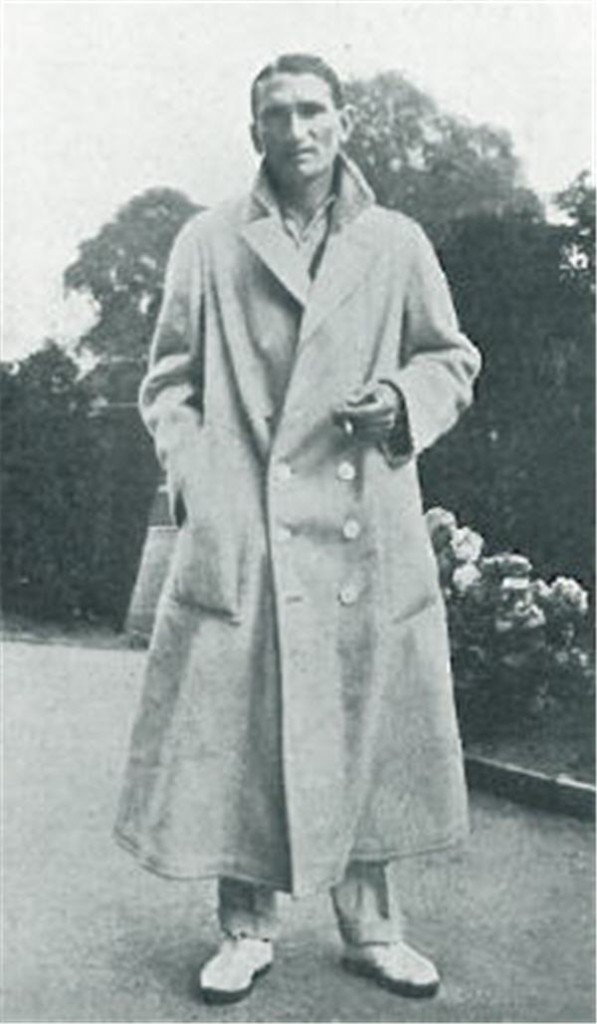
Captain Barclay 1924

Of particular note in the regionals was his performance in the KENT championships. Here he was defeated in the singles final by Lycett in 4 sets, remembering that Lycett lost to Patterson in the final on f the 1922 Wimbledon Championship and in doubles Barclay and Crawley lost to Lycett and J.O.Anderson, the Wimbledon Doubles champions in 1922. Lycett won them three time straight with separate partners.  The score at Kent was 3-6, 6-3, 6-8, 6-2, 6-1.  That really does show that even at 33 Barclay was a very strong player.

He won the Hurlingham singles championship but went down to Woosnan, a UK Davis Cup player at Manchester with a newspaper article suggesting Harry had not reached form.  However he and Lycett made the doubles final together losing a very close one to Woosnan and Godfree (both ex Lycett Wimbledon doubles champions) the score 2-6, 3-6, 10-8, 7-5, 6-4. He played J.O.Anderson is a warm up match to Wimbledon and won a set.

He also played in the Torquay singles final against UK Davis Cup player Kingsley.   Together, Barclay and Kingsley also went onto win the British HardCourt Doubles Championship.

In order to join the British Davis Cup team he played in the trial matches and beat Wheatley, yet despite this was overlooked for inclusion in the side, perhaps due to residential qualification issues since he hadn’t been living in England for less than a year. Wheatley, a previous Davis Cup player, was chosen again in 1925. Harry was however selected in an International side which toured Ireland.  He also won numerous UK Army tournaments.

At Wimbledon in 1925, the club introduced a new structure, like today, whereby a list of nominated players was included in the main draw with the final 8 having to compete via qualifying matches.  Harry Barclay was included in the main draw.

The first round was the most telling where he met Theodore Mavrogordato a veteran Davis Cup and  Wimbledon player. It was a massive 5 setter 12-14, 7-5, 6-1,3-6, 6-3 so Harry presumably out ran him in the fifth. The second round was against M. Temple, the third against P.M.Davson and he won both in 3 sets. In the fourth round he defeated Lt. Col. H.G.Mayes again in a close, come from behind 5 setter 6-2, 1-6, 4-6, 6-3, 6-3.  With this win Harry was now in the quarter finals along with fellow Indian player S.M.Jacob. Fyzee had made the fourth round.  This was the start of the French dominance and Harry was to play Jean Borotra.

The 1924 Champion began nervously and Harry was up three games to nil.  What must have been going through his mind. Borotra settled and came back to win the next 6 games straight. In the closer second set, Harry was up 4-3 and then Borotra won the next games. Harry squared at 5 all and then eventually took the second set 7-5.  The newspaper reports the match was a very thrilling one to watch with the scores moving like a pendulum. Even changing tactics in the final set to playing the net to some success, Borotra won the last two sets 6-3, 6-3.

In doubles with Gordon Crole-Rees, they made the third round.

In total Harry played at Wimbledon 8 years starting in 1922 and lastly in 1934.  1925 was his best performance in singles and in doubles 1922 with Australian Rupert Wertheim. After this his form fell away and he was defeated in the first rounds bar a second round in singles in 1931.

In an article from 1949, Harry had along the journey preferred the Christian name Lewis and so is listed as such in the Wimbledon records.  He remained in the Army, retiring as a Lieutenant Colonel and his match against Borotra was indicated as his career highlight.

So thrilled to re discover this additional personality from the 1920’s.

An article about him : Tasmanian Abroad. SUCCESS IN BIG TENNIS. CAPTAIN H. L. BARCLAY’S CHAMPIONSHIPS. International Players. 19TH JUNE 1920

Tennis players throughout Tasmania will be interested to learn of recent doings in the old world of a player who in pre-war days as a comparative youth achieved the distinction of singles and doubles champion of this state – Captain H. L. Barclay. Now an officer of the Imperial Army stationed in lndia, Captain Barclay has latterly been enabled to participate in big match tennis in France and; England, and won very appreciable successes. He has written chattily of recent happenings in the tennis world. My first tennis, he writes, was in Poona (India) last September. I had only been playing a month (the first since 1915), and managed to win the Open Championship Cup there. My leave to England was than granted. From October to February I played nothing but golf, and finished up with a handicap of scratch at Harry Vardon’s club. No lessons, either! In March I went to the French Riviera for the tennis. My doubles game came back quickly, but my condition wasn’t good for singles. At the Menton meeting I got to the final of the Open Doubles. At the Cannes club meeting my partner (Aslangul, a French man) and I heat F. G. Lowe and Dudley, 6-0,6-4, in the semi-final of the Open Doubles, but we were put out by M.G Ritchie and F. M. B. Fisher in the final. At the Beau Site (Cannes) meeting my singles game came back with a vengeance. Fisher was playing great tennis, and had beaten Ritchie and Lowe on his way to the final. I had come through without dropping a set. In the final Fisher and I had a capital match. I won the first set, 6–2, the second 7-6 lost the third 3–6, and after being within a point of match several times lost the fourth, 7-9. In the fifth I made no mistake, and won, 6-1. Ritchie came on the-court at the finish, and said it was the finest tennis he had seen on” the Riviera. Later in the day Aslangul and I were beaten again by Fischer and Ritchie in the doubles final. The Beau Site meeting is the oldest and biggest meeting on the Riviera, and my cup has some famous names on it. They may be interest ;H. L. Doherty-1904-. M. J. G. Ritchie–1905 A. F. Wilding–1906. Ritchie 1907. Wilding 1908, Ritchie-1909. Ritchie-1910. Wilding-1911, Max Decucuis-1912 F. W. Rahe-1913. Wilding l914. N Misu 1919 H. L. Barclay-1920. The newspapers were very nice to me, and predict all kinds of wonderful, things. You will notice this is the first time the Beau Site has been won by an Australian. Brookes unfortunately fell to Wilding when he tried. This week (late in April) I’ve been playing in the Surrey Hard Court championship. The field included Ritchie, Misu, Turnbull, and Sherwell (South Africa). The first three were in the top half. and Sherwell and I were in the bottom lot. Sherwell was my only danger, as he is playing awfully well. Last week at Queens he was 2 sets up and several times had match point against Mavrogordato, but just failed. 1 set about Sherwell in the third round, and beat him, 6–3, 6-0. Yesterday 1 met a man named Bell in the semi final, and was beaten two sets to one. It was appalling, as he is only second class, and people had said how easy he was, and that the cup was mine, etc. Also I was suffering from dysentery (which I picked up in India), but really lost through slackness. Then when I commenced to play everything went wrong. He never once beat me with a stroke. I beat myself. In the top half Ritchie beat Misu, Turnbull (an international) beat Ritchie by very fine tennis, but another “rabbit” beat Turnbull. The same thing happened there as with me. So today the final was held, and l believe Bell won. The moral is:-never under-estimate an opponent, and win 6-0, 6-0 if possible. On the 6th of May unfortunately 1 have to return to India. However, I intend to settle down to hard practice. and hope to get across to England again next year. I have improved greatly, and really believe I can do big things with some hard practice. Lycett is over here now, and he tells he intends to settle down in England. I met and played a good deal with Suzanne Lenglen in France. She’s a tophole player, and has every stroke in her bag. She doesn’t hit hard, but her accuracy is wonderful; also she gets about the court well, and altogether plays the game more like a man. Her strokes are just plain faced racket ones, with never any top spin or cut. She is steady on the low volley, and places them well. Overhead she is not severe, but puts them back with good length. A very short lob she finishes off across court in a very convincing style. By the way she is just’ 21. Off the court I find her very nice, and not at all spoiled. One often hears strange tales of how her father taught her to play by marking the court into small squares! The truth is, to simply used to mark the corners of the base line and get her to drive into them. Mr, G.M. Simond (the well-known player and referee of all the ‘Riviera tournaments) tells a good yarn about Suzanne. Before she was any good see was beaten in a handicap at Nice by a lady who owed 30, and Suzanne was to receive 15-3. Suzanne’s father (or Pa Lenglin, as he is known by) came up to Simond and said in a very indignant manner, “I consider my daughter’s handicap was disgraceful. If you don’t give her a bigger handicap I’ll never allow her to play in a tournament again.” Times have changed since that, eh?

Captain Barclay’s letter will be read with general interest, for recent English cables have brought news of important fixtures in which the international players he mentions have been participating. Lycett, the Victorian. now resident In England, particularly has been prominent .through the medium of the discussion as to the justice of his inclusion in the British Isles Davis Cup team. Suzanne Lenglen recently won all three French championships –singles, ladies’ doubles, and mixed doubles. Captain Barclay sends his regards to his many tennis friends in Tasmania.

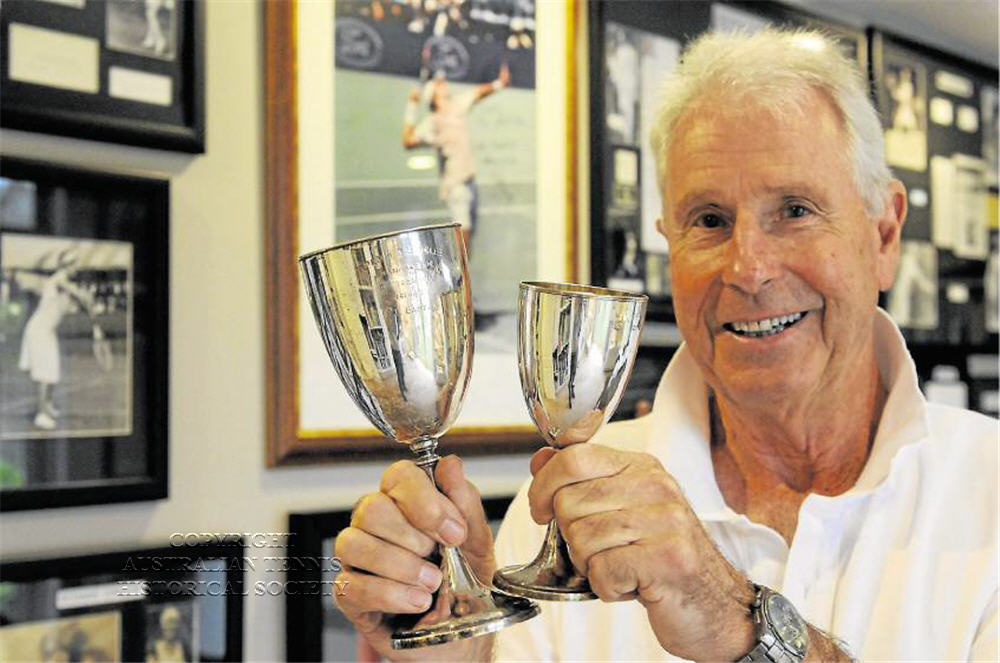
The trophies are now back in Tasmania with fellow historian DenisTucker.
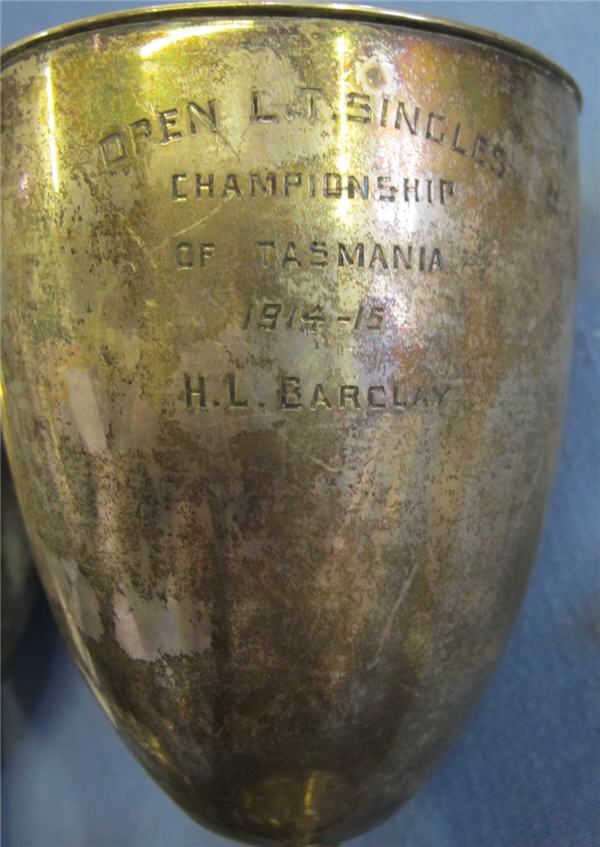
tas singles 1915

tas doubles 1915

harry barclay trophies with denis

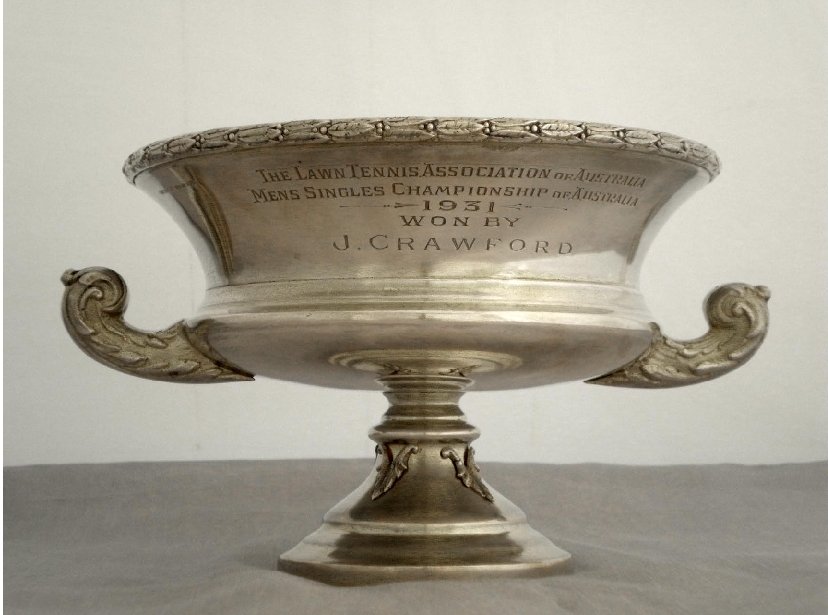
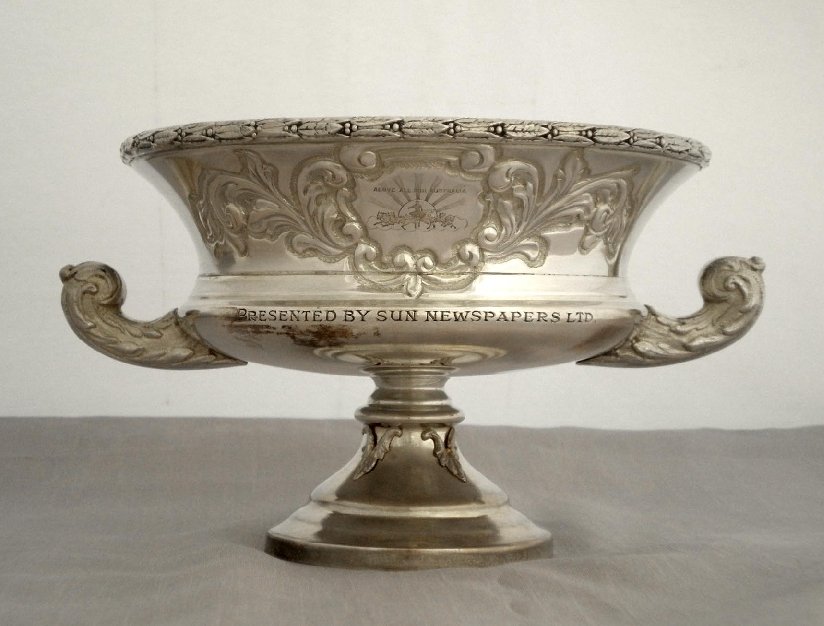
Lost Australian Trophies re-emerge from Jack Crawfords past

Owing to the success of Australian Player, Jack Crawford many famous trophies went missing, whereabouts unknown.

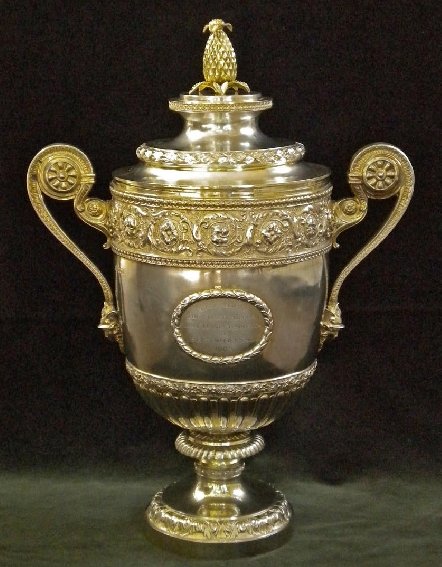
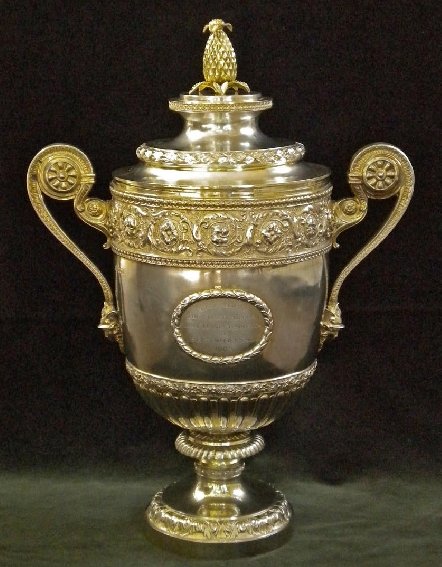
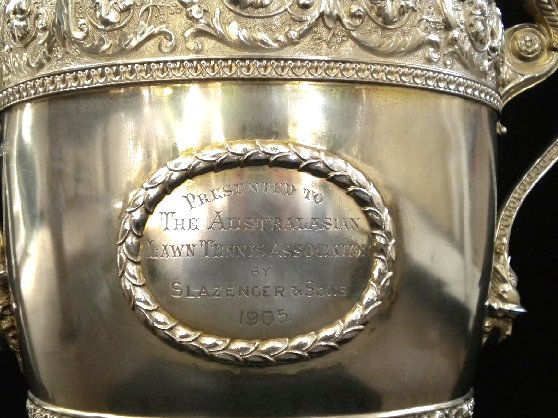
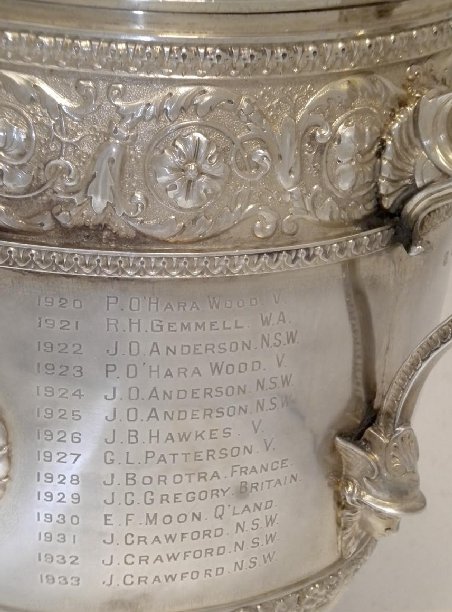
Jack won the Junior Australian Championships in the mid 1920’s three times running and that forced the retirement of  that trophy. He then proceeded to win the Australian Mens Championship in 1931, 1932, 1933 and 1935.  The three straight wins retired the original Australasian Championship trophy originally donated by Slazenger and brought back to Australia by the 1905 Davis Cup Team for the first championship later that year.

After Jack had taken this into his possession it was replaced by the Norman Brookes Challenge Cup which will never be won outright. In his later years, Jack was not in a sound financial state and so many of his International and domestic trophies were sold. The story goes that Jack took the Australasian trophy to a Sydney based jeweler to melt down for the value of the silver sometime in the 1980’s along with some other prized trophies including the Wimbledon Renshaw Cup, numerous Davis Cups and the Australian Men’s singles trophy for 1931 to name a few. Sadly,  these trophies disappeared off the radar. That was until late last year when the Albury Museum negotiated their donation from  the jewelers family who were keen to honour the region in which Jack was born and developed as a junior player.  So now, Australian Tennis has the full historic record of  the complete span of the Men’s Singles event on the two perpetual trophies.
Australasian Tennis Tropy 1905-1933 full shot

Amazingly, if you did a google search of the Wimbledon Gents Trophy, you would find this one to be almost a replica and was stated as such in newspaper articles explaining that Slazenger had donated such a trophy for our inaugural event.

In addition to having ones name inscribed on the Slazenger Cup, the winner would also receive two other trophies or medals.

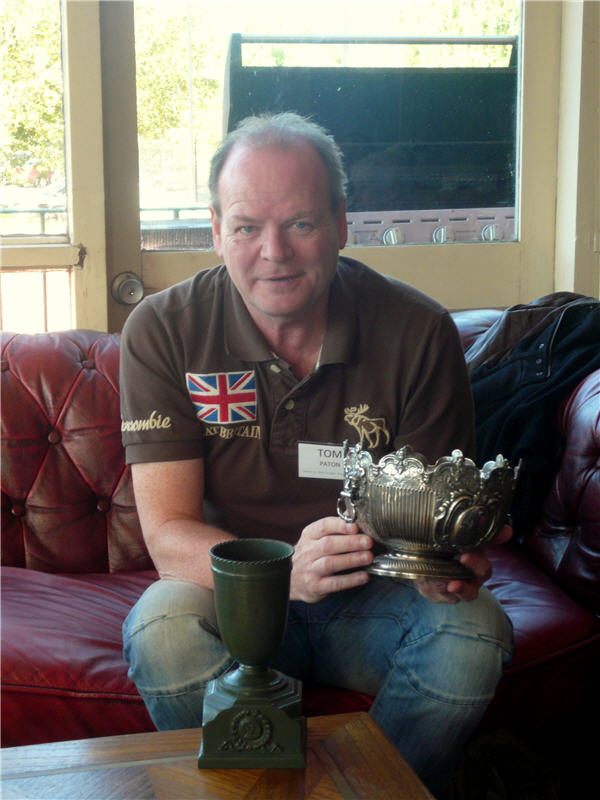
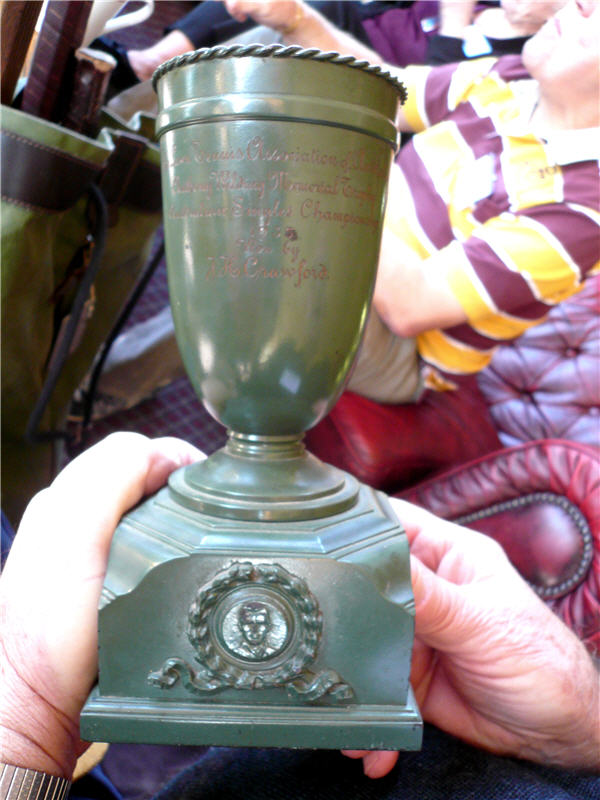
The main cup was called the SUN CHALLENGE CUP and the secondary prize was the Anthony Wilding Memorial gold medal in the 1920’s which switched to a green lead trophy in the 1930’s (see below).

Fellow collector, Tom Paton with the 1935 Anthony Wilding memorial trophy and the Australian Junior Cup won outright by Jack in 1926, 1927,1928,1929. Special thanks to the Albury Museum who acquired quite an array of Jacks lost trophies late last year.
Tennis Heritage Australia Newsletter 2014

Greetings tennis history fans and followers,

Since our last newsletter, some excellent undertakings have occurred along with some very interesting memorabilia being uncovered.
Firstly though, since this is written post the 2014 Australian Open, it was  a highly entertaining tournament with many major stars knocked out of contention and an odd ball draw in the men’s which resulted in pretty much 3-4 equivalent “major grand final” contests.  Not sure that Novak and Andy will really fit enough but top effort by Stan and Li Na.

China is starting to view tennis as an important major event and the win by Li Na in France a few years back has made her the most prominent Chinese sportswoman on the international scene.

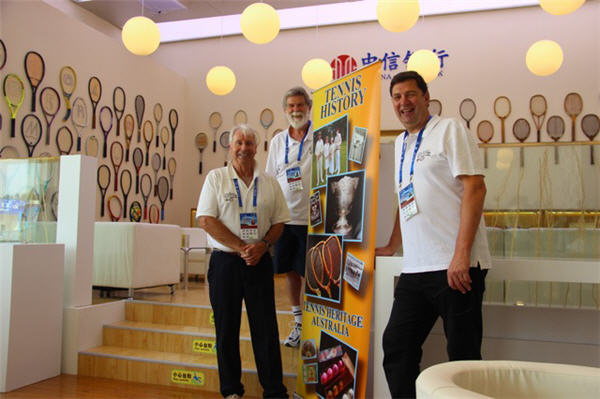
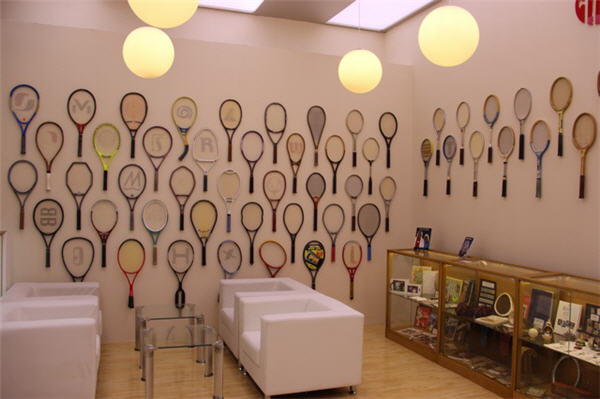
Early last year, the WTA in China talked with a member of Tennis Heritage Australia about organising a group to come up to Beijing with our collections in order to promote the history of  the game to the new Chinese tennis fans.  It was a on again, off again affair owing to the lack of potential sponsors.  Finally, an arrangement was found and in late September we were booked to Beijing armed with 160Kg’s of memorabilia.  One very important lesson is that to move such a large quantity of goods out of Australia and back again without raising customs eyebrows is to use a CARNET which itemises the cargo and secures arrivals and departures via customs officials. It requires a substantial deposit to be provided to the Australian Trade authorities which is refundable on the documented return of all items, so a special thanks to Keith for organising the trip and funding the deposit.

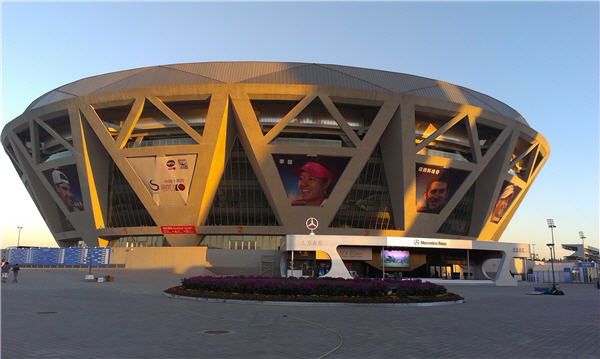
The Chinese people were fantastic.  They were impressed we made the journey all the way with our gear and as you could imagine had never seen many of the old racquets and memorabilia before.  The event, outside of the majors, is one of the few where both the men and women play at the same event and the venue featured a new stadium and show courts on the site used for the Olympic event.

The days started at around 10am as the first matches began.  Our collection was displayed within the exhibition centre of one of China’s largest banking and investment groups, CHINA CITIC BANK. People wandered into the display all day and we would talk with them in English as many were learning the language and found the opportunity to practice very stimulating.  The busiest times of day were the 6pm-7pm period between sessions.   In quiet moments we could sneak out and watch some matches but when it was busy all three of us had to assist guests.   We became pro-active in the second week and used to grab some odd ball racquets and take them ( not supposed to) outside where we could hit a few balls over a makeshift net.  The double handled racquets created huge interest. Surprisingly, they were made in China. The WTA and Aussie event chief Peter Johnston seemed really pleased with the effort and reaction of all concerned so maybe we will be invited back this year.

dt54

dt79

P1240897

IMAG0518_BURST003


 Tennis Heritage Group Melbourne

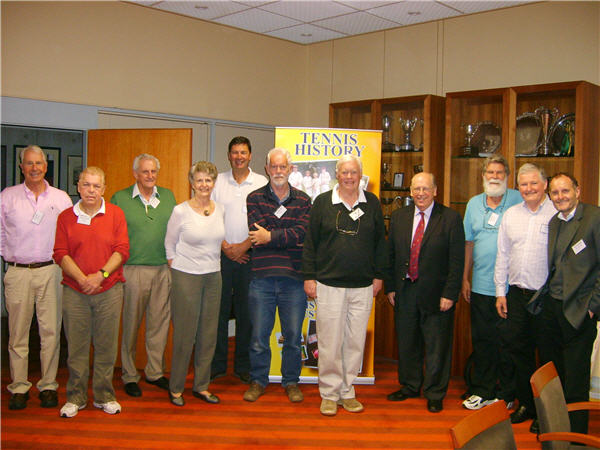
Down in Melbourne, our most recent Tennis Heritage Meeting was conducted at Real Tennis’,  Royal Melbourne Tennis Club in Richmond.  With two courts and a truly lovely vista,  the historical group their were most gracious in showing us some truly remarkable historical items such as

Trattato del Givoco della Palla, Antonio Scaino, Venice 1555

Nouveau Joueur (3 x volumes), Amsterdam by Van Harrevelt 1796

A History of Tennis (Noel & Clark 1924) – Earl of Stradbroke’s signature

A Treatise on Tennis, Samuel Smith Travers, Hobart 1875 (1985 re-print by M. Garnett)

A Short Lesson in Tennis, Johann Georg Bender, Nurnburg 1680 (first English translation: M. Garnett 2011)

We saw the two early rackets – Gold and Silver (mounted) both presented to RMTC in 1882 for the top two amateurs and the earliest tennis racket known to exisit in Australia, made by Tison c. 1820


THA meeting at RMTC 4-12-13 (44)

Copy of THA meeting at RMTC 4-12-13 (15)

Copy of THA meeting at RMTC 4-12-13 (14)

Tennis Heritage Group Sydney

In early January, the group organised a meeting at the famous Sydney Cricket Ground which like the Melbourne Cricket Club and MCG have been the birthplaces of the Tennis in Australia since the late 1870′s.

Together the first intercolonial tournaments were conducted on the cricket grounds from 1885 on and many thousands of spectators used to watch the “cracks” (best players) battle for honours for their respective colonies and the State Championship titles.

Sadly today the tennis club has only around 80 or so members and a couple of mod grass courts.  Much of their memorabilia has been transferred over  to the Australian Tennis Musuem at Homebush.   This year the Museum is promoting the history of the NSW Championships and many fine early trophies from this era will be on display.

P1020290

P1020294

Some really nice memorabilia has been discovered over the past 5 months so here are a few snap shots.

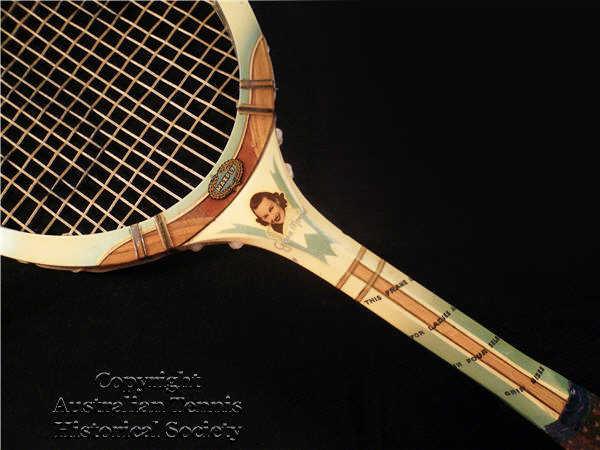
Dunlop Gussie Moran

Mid 1950’s model featuring a photo of Gussy Moran ( as she preferred) on her Gussie model for ladies.  She created quite a media stir when she came to Australia not only for having worn Ted Tingling’s frilly nickers but she proved to Australian Tennis authorities that woman’s tennis could draw a crowd ie gate fees to make a profit. The DURA PLAS overlay to reinforce the throat was an Australian invention during the time that Adrian Quist was the MD.


dunlop gussie moran (35)

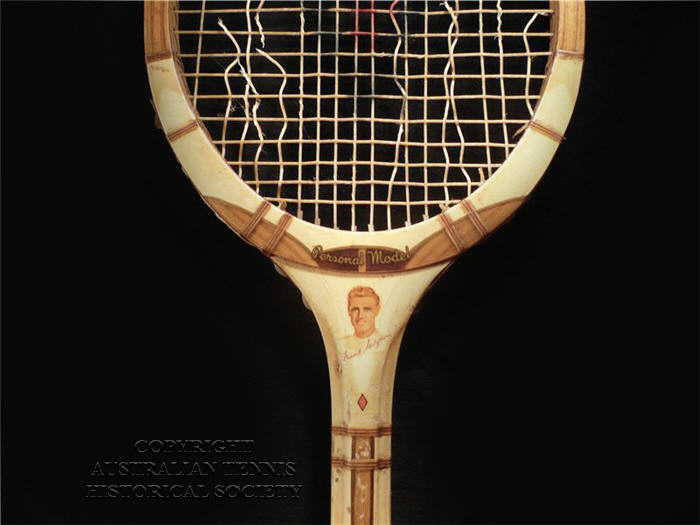
The Frank Sedgman version

dunlop frank sedgman personal model (9)

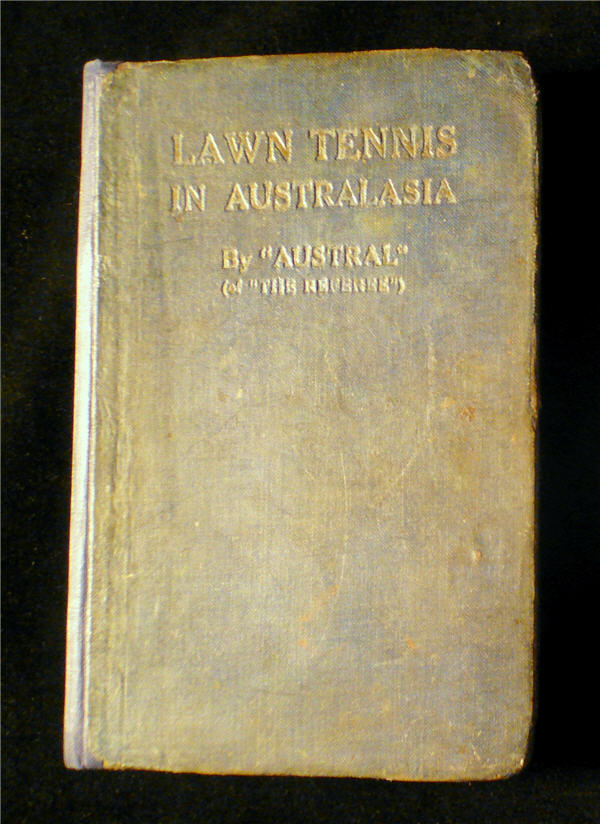
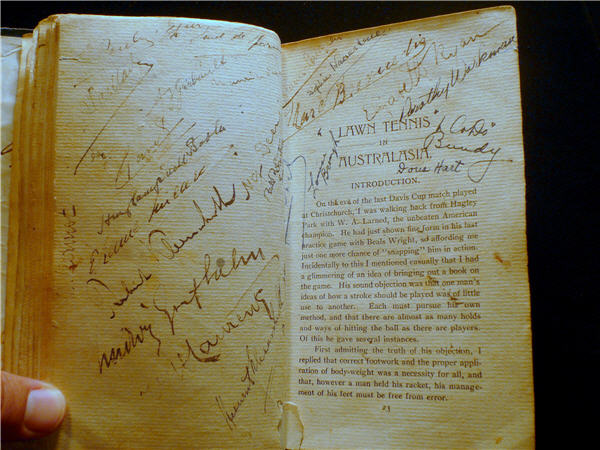
Lawn Tennis in Australasia Book 1912

I can only say that in my 7 years as a tennis collector and historian you often dream of seeing a “holy grail” item and indeed go to sleep wondering if they exist at all.

This book fits into that category.

Robert Kidston, the author was a prominent player is Sydney and NSW Intercolonial  team representative  in the late 1890’s.  He joined the Australian Lawn Tennis Association after it began in 1904 to enable Australasia to send a team abroad to compete in the 1905 Davis Cup.  He was a selector for the 1907 Davis Cup team and by that time was writing the tennis column in Sydney sports paper, The Referee under the pseudonym Austral.  The Australian team won the DC in 1907 and that meant it was to be played for in Australia in 1908.  Tennis became a very newsworthy subject given the spectacular results of Norman Brookes, Alf Dunlop, Rod Heath and others.

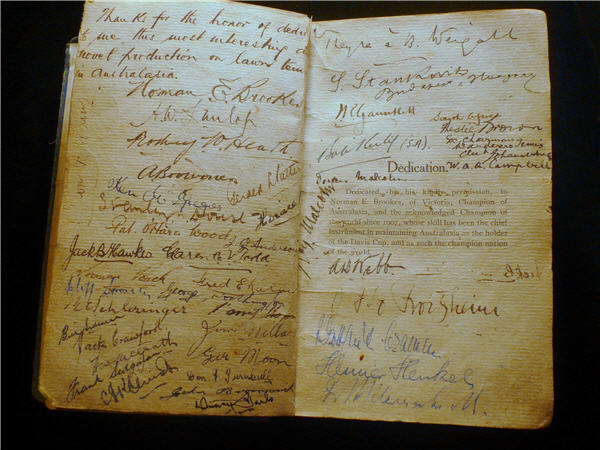
Kidston wrote his book about the history of the game in Australasia in 1912 and even traveled to New Zealand in 1911 with the team to cover the challenge round there.  It was the first book ever written from the Australian perspective. The photos below are of his personal copy of the book. What is special is that collected in this book, the autographs of some 250 players and administrators who played the game from the late 1890’s through to the 1950’s.

Included are some 119 Davis Cup players from 1900 onwards and numerous major event champions. Australian players feature, including Arthur O’Hara Wood who was the 1913 Singles Champion killed in WW1. Bar a couple,  the book contains all of the Australasian/ Australian Championship Men’s Singles Champions, same for the US Championships and numerous Wimbledon champions both men’s and ladies.

Kidston dedicated the book to Norman Brookes and you can see the page where Norman thanks Kidston for the dedication along with the first 1905 Davis Cup Team.  Even Anthoy Wilding’s signature is there however it has faded through use along the left hand edge.

He went onto start the first Tennis Magazine in Australia in the 1920’s and then other publications such as Tennis and Golf which commenced in the 1930’s.  He enjoyed going to the Tennis up to the 1950’s so this little copy of his book was lugged around the globe from event to event for nearly 40 years. A privilege to scan through the pages of this very special book (private collection)

P1250430aa

P1250670

P1250669

P1250677


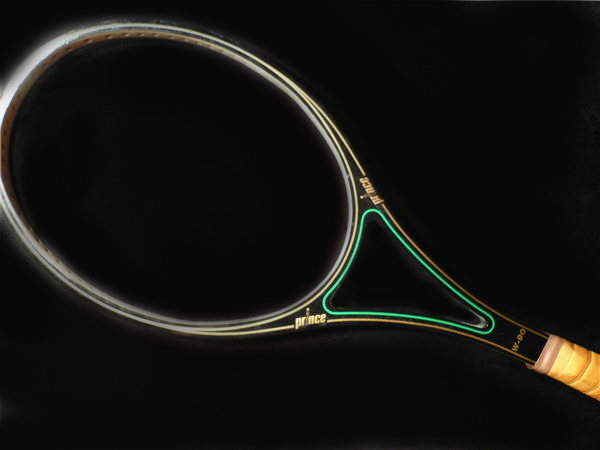
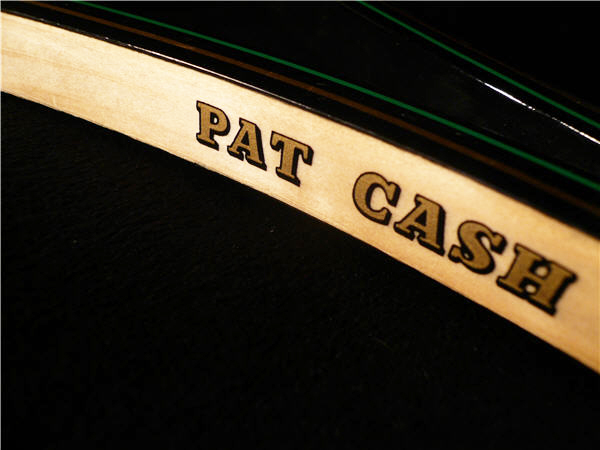
Pat Cash Prince w-90

Believed to be one of only 5 created, this smaller head size Prince Woodie model was branded for Pat Cash as he was looking for a racquet slightly less stiff than the Magnesium he had been using under his endorsement deal.

prince pat cash w90 (2)

prince pat cash w90 (4)


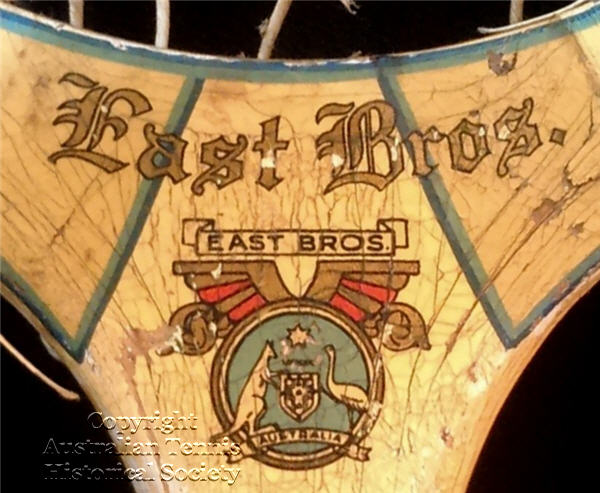
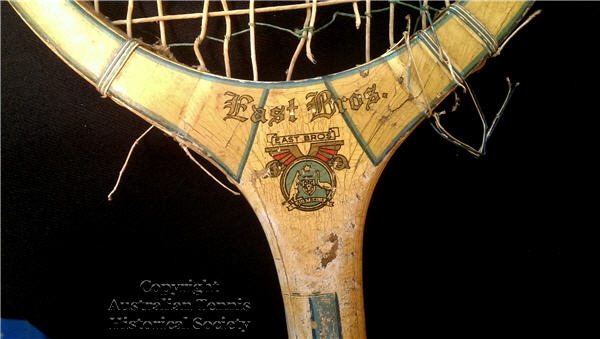
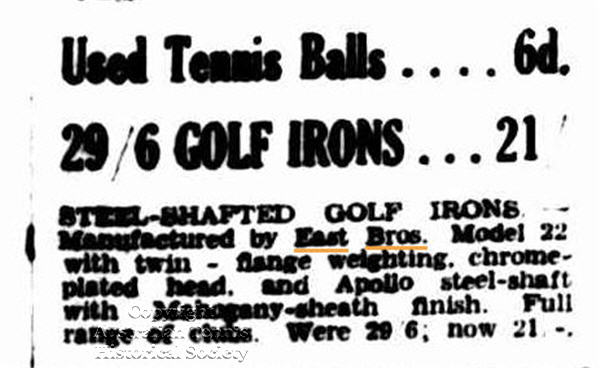
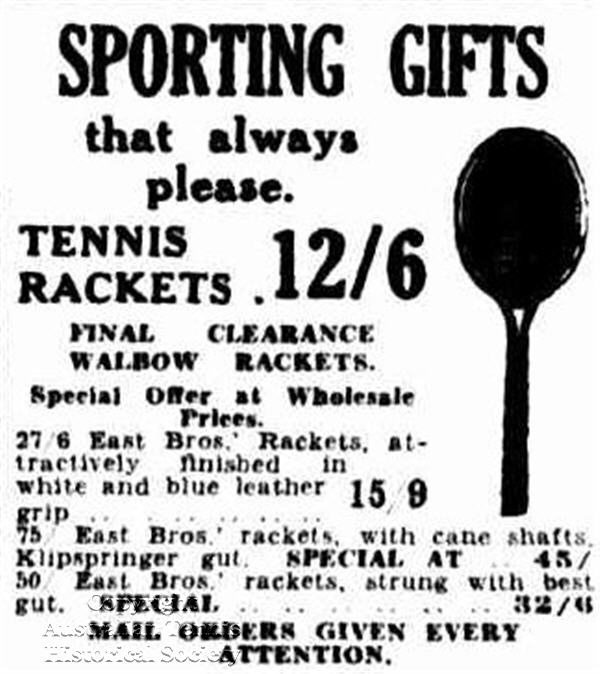
EAST BROS.

East Bros. were located in Melbourne and only in 2013 did we find a reference to this company given an extremely low level of advertising in the newspapers.

Thankfully we did find this example of a tennis racquet.  It would appear they did manufacture golf equipment from a Sydney plant as did other multi sport producers, Slazenger and Spalding.  Even Hedley, had a large vinyl sports products division that made golf club bags.  It is also likely that there was a connection between East Bros. and Chesterfield who made golf clubs as well.  A family member contacted us saying that they didn’t make racquets which lends support to the Chesterfield association.

Given this new information, it is possible that East Bros. made retail specific racquets to make up for a lack of “brand specific” product.

A tennis journey in the Fifties: John (Peter) Cawthorn

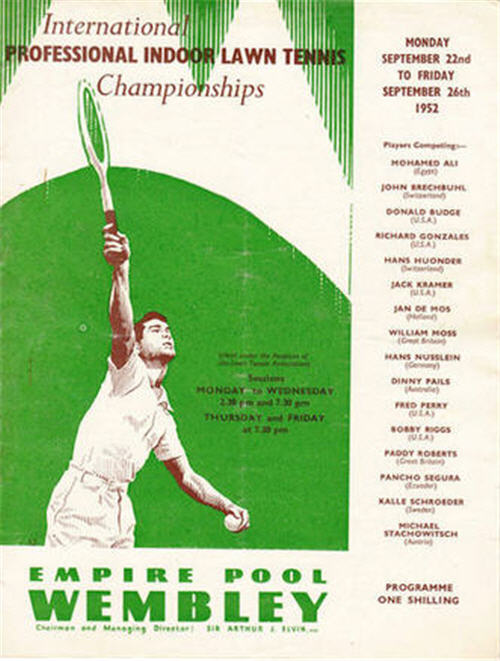
This article started due to finding the name John Cawthorn on UK pro tour programme and wondering who this player was and how he came to be there as a vitrual unknown. We invited John’s brother Tim along to one of our Tennis Heritage Australia meetings  to discuss this “unknown player”. It was, to say the least, a captivating story that interested all those attending.

This is a story about Australian Tennis in the early 1950’s.

Not from a position of Australian Champions but from a perspective of the many other Australians who made great inroads into the International tennis scene but for one reason or another never became household names.

But they could have, had the conditions been different. Sadly, while OPEN tennis was often discussed, even then and before, it wasn’t until 1968 that this occurred. In the interim it meant that amateur players turning pro couldn’t represent their country or play in the large amateur tournaments such as Wimbledon.

John Cawthorn (or Peter), as he was known, represents one of these stories.

Naturally, as a late comer to tennis history,  I had never heard of Peter before and although he died in 2002 we managed to find his brother Raymond (known as Tim, a family thing about names!) to discuss his journey through the tennis world. Tim, was also an A grade pennant player and participant in a few Australian Championships but in all his time as kids perhaps only won a set off Peter. I also found his old partner Don Tregonning to fill in a few gaps as well.

Growing up in Melbourne in the 1940’s Peter attended Box Hill High School, coincidentally the same school as Frank Sedgman. At sport he excelled and as a school prefect captained teams in swimming, football and tennis.

He started playing tennis at 13 1/2 years old. By 17 he was one of the top junior players in Australia having won many of the state junior titles and he played no.1 Linton Cup for Victoria. Players he mixed with included, Merv Rose, George Worthington, Don Tregonning, Brian Tobin, Clive Wilderspin.  Also coming through the junior ranks were the younger NSW pair  Lew Hoad and Ken Rosewall.

However in 1949 Peter Cawthorn was considered Victoria’s top junior and even in some literature as Australia’s top Junior since he won many of the State Junior Championships and the National hardcourt championship.

A p0tential highlight for Peter in 1950 was defeating Lew Hoad in the  Australian Junior Championships at Kooyong to eventually play Ken Rosewall for the title.  The finals match was played after the men’s final and saw Peter in front 6/4, 4/6, 3-1 when rain delayed the entire affair for nearly a week.  With momentum lost, the continuation permitted Rosewall come back to win the 3rd set7/5  and capture the title.

Later that year, Peter headed off to the UK on his own accord to play in various tournaments.  He was only the second player to tour outside of the LTAA touring teams policy so no doubt the administration were not impressed and I suspect Peter didn’t really care either.

Australian Tennis was in its Golden era with a talented list of adult players and the up and coming juniors.

Peter was joined in England by mate Don Tregonning in 1951 and together and separately they won many of the top regional tournaments leading up to Queen’s and Wimbledon. When they got together they were close to broke but making a few finals where they could cash in trophy money plus with expenses paid for by the clubs running the tournaments meant they could sustain themselves by playing around the counties.


Don Tregonning and Peter Cawthorn

At Birmingham, Peter won the title beating Ignacy Tloczynski, former Polish Davis Cup player, 6-2, 7-9, 6-3.

In another shock win Peter beat Davis Cup hopeful John Horn in the semis 6-0, 6-3 at the Cumberland tournament in April.

He also played British Champion Tony Mottram in the Essex Connaught Club tournament taking the first set much to the shock of local pundits.

At Queens, Peter had the best win of his tour defeating Brazilian champion Almeda Vieira and was eventually beaten by Vladimir Cernik. But,  the Aussies dominated with Rose, McGregor and  Sedgman all making the 1/4’s. Peter and Don also did very well in the doubles.  Frank made the finals but lost to South African Eric Sturgess in the final probably due to not playing as many lead in tournaments as Peter and Don had done.

Peter and Don along with a host of other Aussies played at Wimbledon. Peter made it to the second round in singles and the third round in both Doubles and Mixed. Don and Peter were knocked out by Drobny and Sturgess the eventual losing finalists to Sedgman and McGregor.

1952 was a similar year for Peter and Don. They escaped the UK winter by heading across to India and Paksitan for a couple of months and then onto the Egyptian Tournament. Peter made the  1/4 finals being defeated by Ismail Adel 5/7, 6/3, 6/3. They made the doubles semi finals also, being defeated by Polish player Skonecki and USA’s Straight Clarke.

He played UK Davis Cup hopeful Gerald Oakley in the Cumberland finals and beat him 6/3,6/1 prompting the press to hail him as yet another strong prospect for Australia.

Unfortunately Wimbledon success proved illusive once more. It was the year Frank Sedgman won singles, doubles (2nd time) and the  mixed. Although beaten in the first round of singles and doubles, Peter and Lorna Cornell made the 4th round in the mixed being defeated by Australian Don Candy and USA’s Pat Todd.

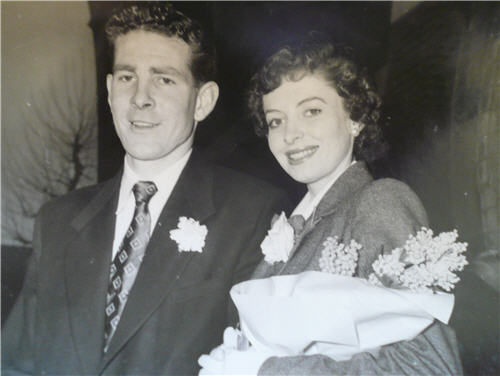
In January 1953, Peter announced his engagement to British heart throb, Lorna Cornell.  Lorna was an exceptional tennis player in her own right having won the Wimbledon Junior Championships in 1949 and 1950.


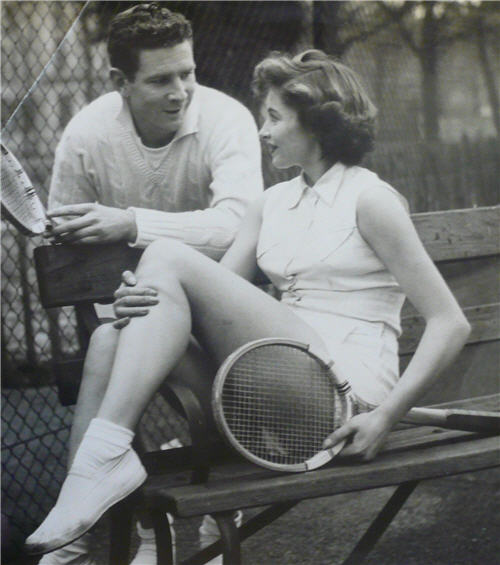
She was also modelling for Ted Tinling and was capturing attention in the same way as US player / model Gussie Moran.  Lorna appeared in a few editions of Australian Tennis modelling some of the latest Wimbledon wear.

To ensure an income Peter,aged 23. turned pro in February and thus his potential to enter the record books of major tournaments was at an end, probably way to early on reflection, but there was no money in tennis for the players, just some expenses recovery and that was it.

Peter turned to coaching and began a tennis school to which he invited Don Tregonning back from Australia to the UK to help organise. Peter was also coaching his new wife who continued to play the major amateur events and even after three daughters returned to play for the UK in the Wightman cup.

Mid 1953,  he and Don played in the Slazenger Pro tournament at Scarborough and was beaten by the other new Pro to join the ranks, namely, Frank Sedgman.


In November he played at the Pro Tournament at Lyon to be beaten  by Gonzales but not before he had taken the first set 3/6, 6/1, 6/2.  He also played Riggs in Switzerland taking a set off him also.
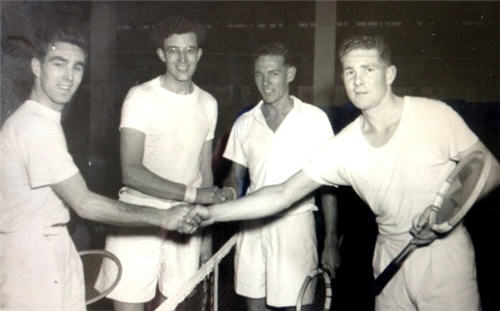
Peter is on the right next to Don.

Against a depleted (few Australian & USA player involvement)  field Peter won the Slazenger Pro Tournaments in 1954 and 1956. In 1954 he beat A G Roberts an ex Davis Cup player 6/4, 7/5, 7/5 and with Don won the doubles.

He was also conducting short term coaching roles for various Davis Cup teams over this period The Irish and Pakistan in 1955, Spanish, Irish and Dutch teams in 1956 and Dutch and German teams in 1958.

In 1958, he played along with Australians Jack Arkinstall, Lew Hoad, Ken Rosewall, George Worthington and Frank Sedgman.  The main stars were Gonzales, Trabert and Segura but Frank won this event.


Australians were prominent in this event 1958

Sedgman and Peter played many pro doubles events and one over 90% of matches.  Against Hoad, he lost in 5 sets in a  pro event conducted in Spain.  He also beat Tony Trabert, having just one Wimbledon in a French Pro event 6/2, 6/2, 6/2.

At the end of 1958, he was convinced by mates like Pancho Segura that the USA was the place to be and Peter headed over to the Rochester Country Club as the club pro, a position he held for 25 years.

Organising tournaments was part of the job and in one encounter with USA Davis Cup player Barry McKay, 15 years his junior, Peter beat him.

He returned to Australia in early 200o to retire, even with a pension from the Rochester Club for valuable services rendered.  Lorna and Peter were divorced prior to his leaving for the USA and he re married a couple of times.

Looking back on Peter,  he was probably unlucky to be an Aussie tennis player. We had so many talented players in the Davis Cup team from 1949 to the 1960’s.  Peter was probably marginally under them all.  He certainly would have made the British Davis Cup team and he clearly had the game to play with the pro’s.  Really, it came down to him turning professional at a young age because he had to finance a family. Who knows if it was the open era we may well have seen Peter in the Davis Cup team photos of the late 50’s.

Thanks to Tim (brother of Peter) and Don.


Tennis Heritage Australia Newsletter 2013

Tennis Heritage Australia currently has two active groups in Sydney and Melbourne.

Ideally, over time as more people learn about the group we may be able to develop further groups in other states or regions. Facebook now has 213 Likes and this newsletter heads out around the World to over 600.  All the International collecting groups and tennis museums are all connected via Facebook.

The premise for the group is to actively support the preservation and promotion of Australia’s fabulous Tennis past. This includes researching topics or players, assisting authors writing on tennis events, past players and even manufacturers. In the last three years books have been written on Randolph Lycett by Peter Kettle,  The Wizard- Norman Brookes , Muscles -Ken Rosewall, both by  Richard Naughton and the Alexander Racket Company – “What a Racket” by Gus Green.  Additionally, Chris Maron has done extensive work on the history of Sydney’s Eastern Suburbs Tennis Association and other works.

More books are in the pipeline, the trick being to find a publisher.

One very worthy project is that by Ron McLean who published “Country Cracks” NSW Country Tennis History some 30 years ago.   Over this period, Ron has amassed and written an impressive, 70,000 word history of the game from inception through to World War 2.  He has interviewed many players of the era and their families to obtain many stories and photos from this first “golden age” when Australia was gripped by being the first country to win the Davis Cup outside of the British Isles and with Norman Brookes winning Wimbledon in 1907 & 1914 and Australasian (NZ) Anthony Wilding his doubles partner who also won Wimbledon from 1910-1913, losing to Brookes in 1914.

T0 get this book published we need to find a publisher prepared to invest and willing customers happy to pre-order.

We are speaking with a publishing group now, but the $43,000  required to create the artwork and print 1500 copies needs come from a benefactor or in the main by pre-sales. More information will be provided in the next newsletter.

JULY MEETINGS

SYDNEY MEETING JULY 11th at AUSTRALIAN TENNIS MUSEUM, HOMEBUSH

In Sydney, THA meets and associates with the Australian Tennis Museum. Members of the group include authors, researchers,  memorabilia collectors, tennis racquet collectors and  Real Tennis and Lawn tennis enthusiasts.

The museum with its wonderful collection of memorabilia and full support of patron Ken Rosewall provides an excellent back drop for the gathering.

Members of the Alexander family live in Sydney and actively search for examples of the companies products made from 1925-1959 including tennis, squash racquets, golf clubs and cricket bats.

Back  in the hey day when Australian champion Jack Crawford signed on to use Alexander product, as did many in the Davis Cup team the racquets were highly regarded around the country.

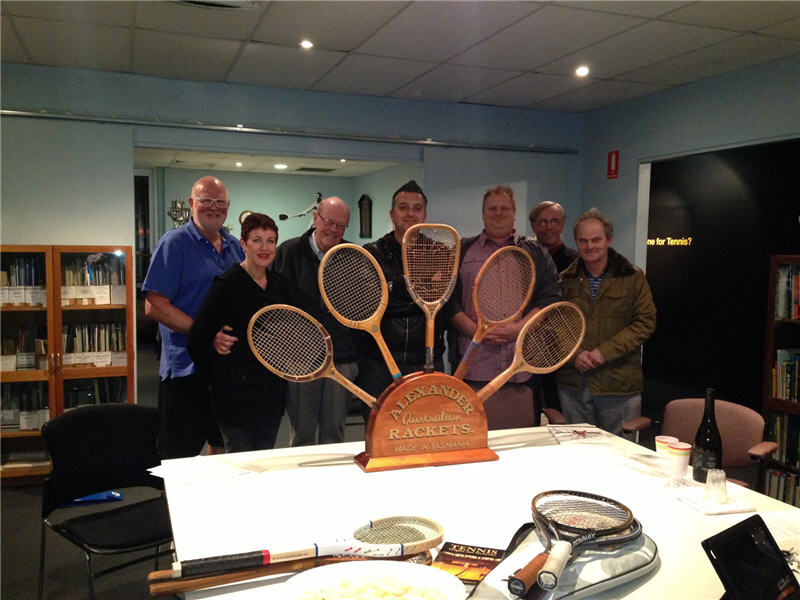
To enhance their retail store displays, Alexander produced a fancy wooden unit holding 5 racquets.

While a rare vintage example sold recently for over $600,  a gent in Tasmania has replicated the design to produce a small number to assist  the Launceston Tennis museum and one made its way to NSW (shown here).

The Sydney group in front of this lovely Alexander racquet display with some examples of Alexander oval and semi flat top racquets popular in the 1930’s.

Other discussion points from the meeting included:

*   A viewing of some collectable racquets

*  Note that Noel Dodds has a Facebook page devoted to racquet collecting BREAKPOINT TENNIS COLLECTION (click link). Noel has over 900 racquets across a broad range and also works in the industry.

*  A new book on Tennis in the Sydney Southern Districts is being written by THA member David Graham

*  A discussion took place regarding local research as to the history of Real Tennis in Sydney and how early can a date be found in relation to the game being played.

*  A suggestion on racquet classifications taking into account condition and rarity which has merit.

* Trivia question who was the first tennis professional to wear shorts?

To join THA Sydney please call Michael Fitzgerald 0405 232 232
or email mfitzgerald (use the symbol @)  taliscivil.com.au

MELBOURNE MEETING JULY 19th at TENNIS AUSTRALIA HQ, MELBOURNE PARK

Meeting at various locations over the last couple of years, this meeting was conducted at Tennis Australia HQ where were kindly invited by Steve Wood, TA CEO.

Steve started his introduction with an explanation that what makes a “Grand Slam” tournament is the history,which we all agreed with.

Next he advised that the planned permanent museum to house some of the 68,000 items in storage following the acquisition of Rolf Jaegers collection is NO LONGER likely to be permanent. So we may only see parts of the collection during the tournament.

TOTALLY SHATTERED we toured the new multi million dollar facility wondering how commercial pragmatism over ruled the reason the Australian  Tournament is a grand slam event, its 100 year plus HISTORY and how inconceivable this is when considering Wimbledon, Roland Garros and Newport Rhode Island all have renowned and highly popular museums.

What an amazing opportunity lost.  Given the thousands of dollars being spent on storing the 16,000 items over the last decade, the collection may as well be sold off if only select pieces see the light if day.  That makes great commercial sense also.

Hopefully, with some LUCK we could see  reversal of this position, or perhaps a State Government with some foresight may see the opportunity to upgrade (NSW) or invest in a really first class museum to attract tourists and tennis followers alike.

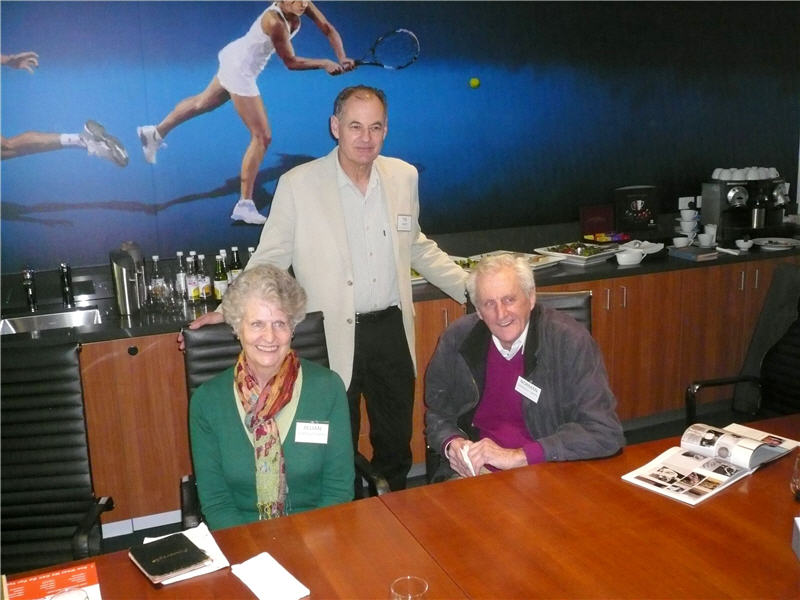
Our meetings highlight was the bringing together for the first time family members of Alf Dunlop and Norman Brookes who played 1890’s-1915 era Melbourne club, Intercolonial and then International tennis events together. Tim and Norman, with wife Jillian, are the grandsons. It was a real treat to see some mementos belonging to Alf.

Jillian, Tim (Alf Dunlop)  and Norman (Norman Brookes) linked from the past.

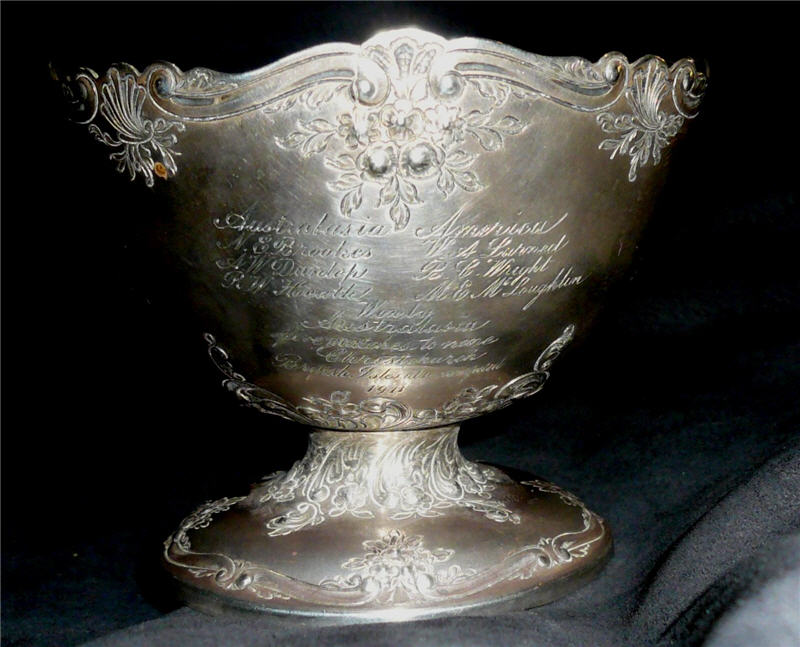
A famous Davis Cup 1911. Australasia won with Brookes, Dunlop, Heath against Larnard, Wright and McLoughlin in Christchurch, NZ. Australasia won the Davis Cup 1907, 1908, 1909, 1910 no contest, 1911 and 1914. We also saw an autograph book which represented the best Australian and Davis Cup player collection from this era I could ever imagine seeing.

Other Discussion points:

*  Group presented with Althea Gibson LP record. Not only was she a great player in the 1950’s, being the first African American to win the French & Wimbledon titles she was also a singer and saxophonist.

*  Three wonderful 1940’s tennis racquet catalogues were shown. These full colour examples are an excellent research tool.

* A Hillebrand photo decal racquet made by Spalding Australia was shown.

*  Fed Cup book with player signatures. The quest is to have all the Australian players sign there photo in the book so the quest is international.  Excellent progress has been made so far.

*  A 1900 decorative expandable belt was presented.

*  It was agreed that THA should charge $20 as a membership fee

*  THA should find a patron to assist with promoting the group and building the profile with over seas equivalent groups. On this matter we are helping with the formation of a EURO group. Strong US and UK groups already exist.

* US player Vic Seixas recently turned 90

*  Australian lady player from 1938-mid 1950’s Thelma Coyne Long inducted into the International Tennis Hall of Fame.  A wonderful tennis career. Thelma is in her early 90’s living in Sydney.

Pictures of the above can be found on Facebook AUSTRALIAN TENNIS HISTORY

NEXT MELBOURNE MEETING FOR DIARY

Xmas date as December 4 at Royal Melbourne Tennis Club with club
archivist and THA member Mike Garnett who will be able to show us the
first known tennis book, an original 1555 Scaino.

To join THA Melbourne please call Rodney Lack 0418 362 386
or email rod (use the symbol @)   tacticalresponse.net.au

OTHER TENNIS HISTORY TREASURES

One of our THA members acquired the 1909 Doubles trophy from the Australasian Championships conducted in Perth in 1909.  Winners were J.Keane and E. Parker defeating Anthony Wilding and L.Crooks 1-6, 6-1, 6-1, 9-7

Back in the 1920’s Australian born Randolph Lycett married UK Davis Cup Player  “Bunny” Austin’s sister, Joan. They lived a grand life playing tennis along the Riviera and through out Europe.

A second book about this man who gets little recognition for his Wimbledon performances in particular has been written by Peter Kettle. This books tells of his life with Joan. For copies contact pbkettle(use the @ symbol) gmail.com

During this period a firm used Lycett’s name on a racquet. THE LYCETT

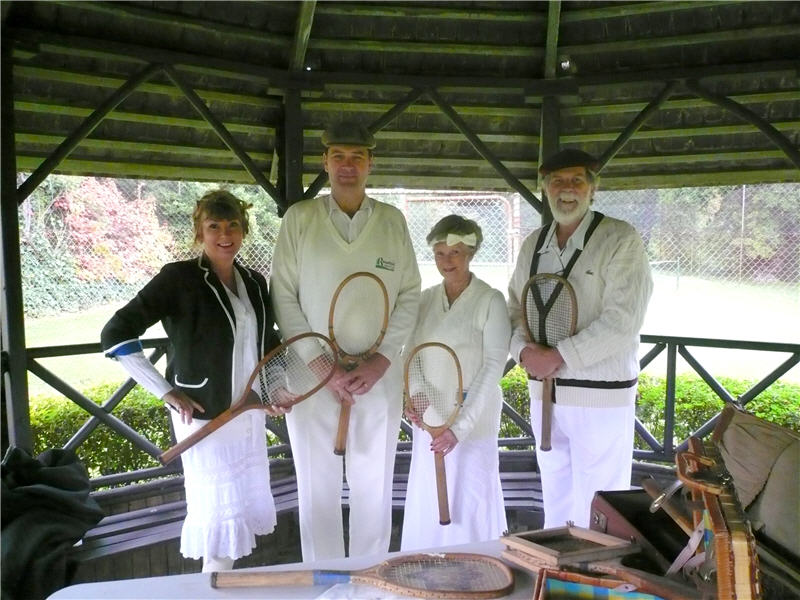
In April, THA was invited to participate in an event hosted by Rippon Lea. A group of us got a display together and headed down for a hit on the grass court wearing period costume and with a display of items for the visiting public to see.

A grand day but owing to wet weather numbers were down on expectation. A great way to promote THA though none the less.

Up in Queensland Peter Rasey is mounting a spirited campaign to have the green at  FREW PARK, Milton  be named in honour of Wendy Turnbull.

PLEASE SIGN ON TO THIS ONLINE PETITION CLICK HERE

Thanks……….The THA team

Tennis Heritage Australia 2012 Q4 Newsletter

Greetings to our massive 580+ database of tennis enthusiasts,

There was no Q3 newsletter through lack of any real activity so we have jumped to Q4 in conjunction with meetings held in Melbourne and Sydney.

Please note that meetings are conducted two or three times per year and new members who have an interest in any aspect of tennis from being a past player to those collecting are most welcome to attend. Contact email addresses at the end.

TENNIS HERITAGE AUSTRALIA ( MELBOURNE MEETING) December 4th 2012

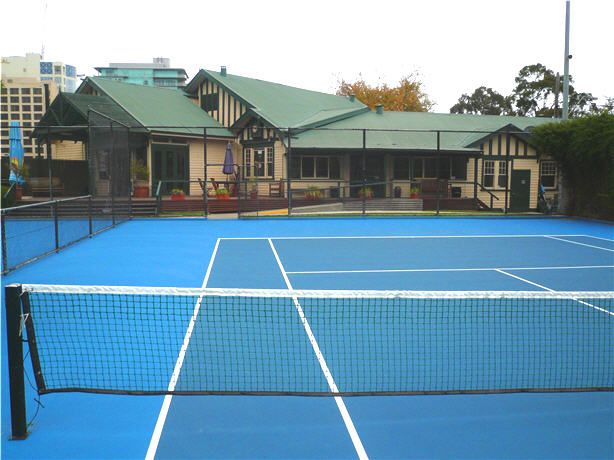
On December 4th, the Victorian group representing Tennis Heritage Australia met for the second time this year.  The venue was the historic Albert Reserve Ground, originally owned by the MCC and called WAREHOUSEMAN’S ground.  The first Australasian Championships were conducted there in 1905 on the actual cricket ground.  This venue was also used for many of the intercolonial matches that commenced from 1885 between Victoria/NSW/Queensland and South Australia.

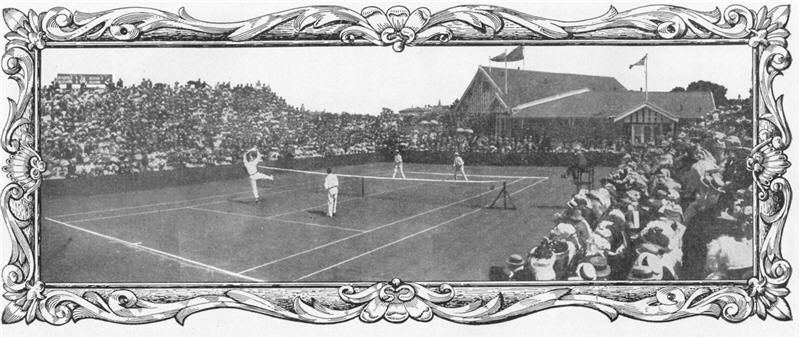
When Australasia won the Davis Cup in 1907, it meant that for the first time the challenge round would be played outside of the UK and further away “downunder” than the USA and UK had ever envisaged.  So there was much consideration given to how the tournament would operate so far away.  In the end for 1908 the USA won the right to challenge from the playoff round played in the USA against the UK.  Norman Brookes also won Wimbledon in 1907 and in honour of such a successful campaign Melbourne was designated the town to host the Challenge round and in fact was just a few blocks away from his home.  New dedicated grass courts were constructed for the 1908 contest and largely the area looks remarkably similar to the 1908 photos even though court surfaces now replicate those of the Australian Open and many players practice on these courts pre tournament.

As viewed in 1908

As the club is today. Luckily very well preserved with only minor extensions. It is such an historical tennis site.

The 14 attendees were well armed with some show and tell items, however, thanks to Keith Jenkins, Brett Steven was invited and provided us with a very interesting story about his 5 years with Pete Sampras on tour. Although from an Australian football background with the now defunct Fitzroy Football Club, Brett gained a reputation for being a good training coach with an ability to tackle the mental aspects of sport.  He first hooked up with Wally Masur at the US Open 1993 and then assisted Sandon Stolle on tour through Europe.  The impact for Sandon was quite immediate.  Having been in the top 200 he came up against Thomas Muster, the then number one player,  in the 1996 Dubai Tournament 1st round and won 6-1, 3-6, 7-6.  Maintaining performances and a great attitude is a tough thing for a player given high of winning can be offset by an unexpected defeat.  How true is it that top ten players are all there to be beaten by up and comers hoping to have a “off their brain” day on court.  One day a call came to Brett out of the blue from someone named Pete and while Brett didn’t twig straight away once he knew it was Pete Sampras asking for his services he took the role in a heartbeat as long as Pete understood that Brett was serious about advice giving and taking.   Brett’s work saw Pete through his last five years into his twilight career ending in amazing last US Open title 2002 when Pete had to play 5 matches in 7 days owing to rain delays.  What an outcome for all the effort from behind the scenes team and Pete himself.   Today, back in Australia, Brett is a new dad with tennis wife and eight time Wimbledon winner,  Cara Black.  He collects many things including tennis racquets for under $6….so hopefully meeting us will encourage some additional collecting. His role of mentor continues with Cara, now making a comeback at the 2013 Australian Open after giving birth only six months ago, along with some young golfers, but his inspirational message about being the best you can should see him once again helping some young tennis players.  Thanks Brett for coming and Keith for organising.

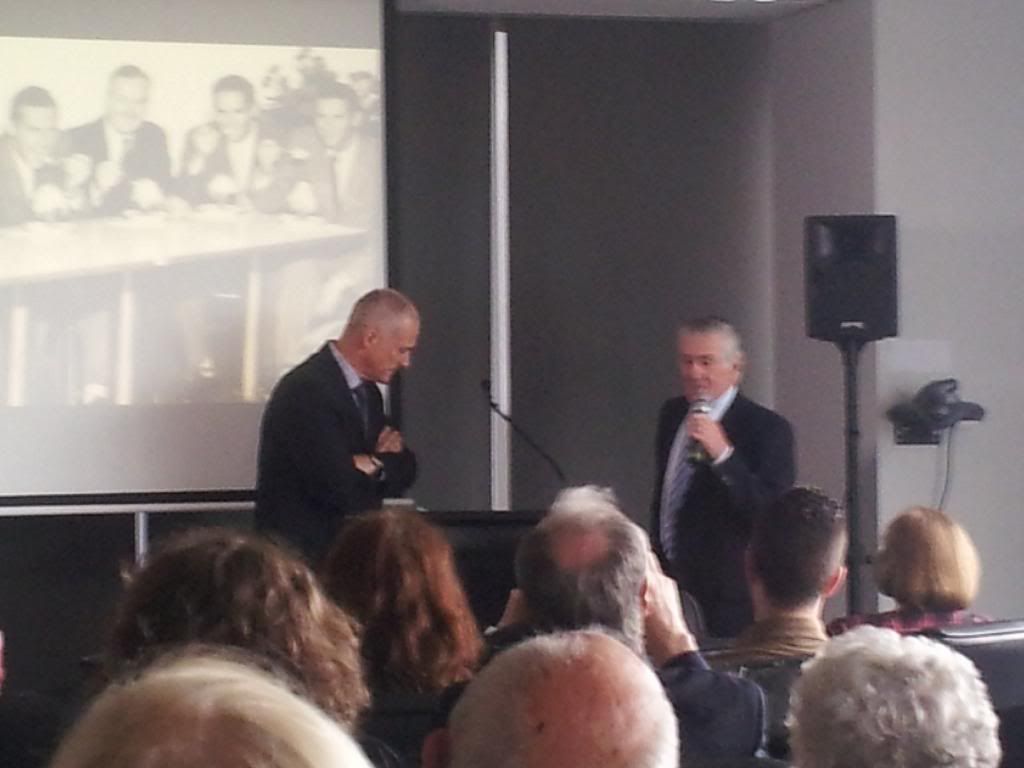
Brett outlining his interesting football career which led him into tennis and now a tennis family.

Attending this meeting were  Geoff Pollard, immediate past president of Tennis Australia and traveling from Interstate Ron McLean (by overnight Sydney train like the players of old) and Denis Tucker from Tasmania. The others are all local Melbourne residents many of whom also came to our previous Grace Park meeting.  It was great to have everyone together once more.

Geoff Pollard reported The Melbourne Park Tennis Musuem is still on the drawing boards and is getting closer.  The development is truly astounding now with new car parks, new clay courts and more under cover show courts.  Realistically, the museum will be about 3-4 years away.

On the subject of books, Norman and Jillian who are descendents of  Norman Brookes, were heavily involved in the launch last year of Richard Naughton’s book THE WIZARD.While Tennis Australia were involved financially a great deal of criticism was made over Tennis Australia’s inability to get behind promoting and selling the book when it would be quite easy to effectively promote such a book through the TA system to clubs and visitors attending the OPEN etc. https://edfarmaciaonline.com/comprar-generico-viagra-sem-receita.htmlRon McLean has devoted his last 30 years compiling a book about the history of tennis in Australia from arrival in our colonial days  to World War 2.  Needing a budget of around $43,000 for 1500 copies Tennis Australia has not shown interest in funding production even though sales would recoup production costs and Ron is contemplating donating the manuscript in order for his work to be published.It is frustrating but we need to work on some alternatives to get the work published somehow.

Michael Garnett sent an apology for missing the meeting. As an author of some impressive Royal Tennis books which also cross over into lawn tennis history, Mike has kindly donated two of his books for fellow members to borrow at anytime via Keith Jenkins or Rod Lack

Keith Jenkins also advised that limited copies in English of the JAN KODES story were also available for $30-40 depending on postage costs. See Facebook for more details http://www.facebook.com/pages/Australian-Tennis-History/195175473533  or email Keith   keithjenkinstennis@gmail.com

Show and Tell was very interesting.

David Shields announced the oddity that he believes he can source Frank Sedgman’s wedding to Jean on tape. We told Frank about this possibility at the Ken Rosewall book launch much to his disbelief!!!!  Will see how this evolves.

We had some excellent Bancroft O’HARA WOODS racquets sold in Australia around the 1915-1925 era.  Yet to be confirmed but we suspect the earlier model may have been named after Arthur (killed in WW1) and the later model Pat who was a Davis Cup and renowned doubles player in the 1920’s.

Also shown were  a metal 3D relief of a tennis scene we believe came from the 1920’s and no-one present could recall seeing another like it.  An excellent range of tournament and professional tour programmes from the late 1950’s were shown, some quite stunning gold fob medals and some 100 year old newspaper spreads featuring Norman Brookes and Co. at the 1912 Davis Cup.

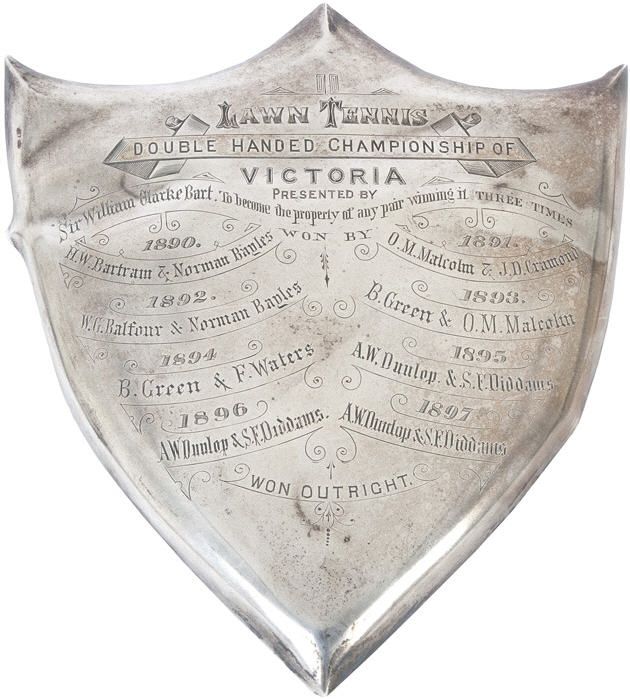
Pre the Australasian Championships in 1905 the premier Australian tournaments were the NSW and Victorian State Championships.  The 1890 -1897 perpetual shield awarded to the Mens doubles (double handed) champions was recently acquired by a member and although with a few dings has inscribed some very worthy champions indeed.  Ben Green for one, and of course the eventual owner Alf Dunlop (his trophy).  Alf was the first Australasian Davis Cup Captain/Player in 1905 and was a renowned doubles player, winning the Australasian Championship with Fred Alexander in 1908 and the Victorian Championship Doubles title a staggering 9 times with Diddams (5) and Brookes (2) and Rodney Heath (2).

Many attendees also met the following day in the city for the launch of Richard Naughton’s second book in 12 months, this one in collaboration with Ken Rosewall, entitled ‘Muscles” and his era covering Amateur/Professional/Open tennis.  With many tennis dignitaries present and with some rare footage of Ken playing, it was an excellent event. Books available online from http://www.slatterymedia.com/store

Ken with John Fitzgerald and Frank Sedgman with Neale Fraser reminiscing a few yarns about Ken….
The book was launched in Sydney the week prior by John Newcombe & others.

TENNIS HERITAGE AUSTRALIA ( SYDNEY  MEETING) December 13th 2012

Notes from Michael Fitzgerald

The meeting conducted at the Australian Tennis Museum (NSW) went well and we just wish we had longer.

We had a guest speaker for the first hour, David Pinsent representing Sydney Real tennis club. David spoke about the history of the game and how lawn tennis developed from it, showed us a real tennis racquet and ball and did a good job at trying to explain the rules and scoring of the game but I think we needed a few more hours for that. We also discussed the Alexander racquet that we saw at the Royal Melbourne tennis centre and its history and journey. We discussed the fact that Sydney does not have a real tennis court presently however are getting close to finalising some detail on a future potential site which they are all excited about. Currently Sydney siders need to travel to Melbourne, Ballarat or Tasmania to play. One interesting thing we spoke about was Rob Fahey. Rob has been world champion of the sport continuously since 1994, one of the longest world champion runs in sports history and is a legend of the game. I think it was very interesting.

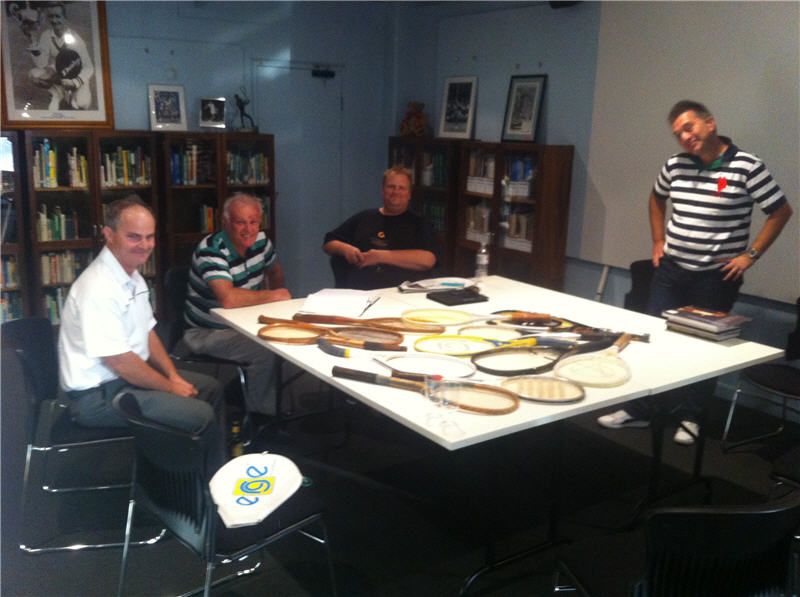
The rest of the meeting we discussed racquets as you can see from the second photo,  we had a lot more on the table but Noel had to keep his ones under wraps at the moment. We normally have around 20 racquets we look at. These guys have the most incredible racquets, between us we could have our own exhibition. We spoke about the museum and its new exhibition which will be ready for the Apia NSW tennis open, the whole facility is now in tournament set up phase so there was quite a lot of people around.

You can stay in touch with the Museum via http://www.facebook.com/AustralianTennisMuseum

(Rod) I think I make out some nice unusual examples including a Spaghetti strung Fischer and the curved grip ERGE.

Not sure about the others on the table but seeing unusual gear is very educational.

Apart from that we just talked tennis History and had a good time.

I briefly discussed getting Bill Sidwell to come and talk with us, all agreed a great idea, I think Dora has met him and said he really can talk!  Bill is now into his nineties and still organising and playing veterans golf.   He started with Slazenger in 1935 and worked there until his retirement in the mid 80’s.  He and Ken Rosewall know a lot about the Slazenger company and the racquet manufacturing industry as it developed here so having Bill and Ken would be able to present an enlightening experience never really explored before.

TENNIS HERITAGE AUSTRALIA on FACEBOOK

Please do add a LIKE to the facebook pages of AUSTRALIAN TENNIS HISTORY http://www.facebook.com/pages/Australian-Tennis-History/195175473533

Our Australian group is now involved with groups all around the World and we share all sorts of information from promoting interesting items on ebay, to researching stories about players, equipment,  early ads etc so you will learn quite a lot from this very quick and easy format.

Please keep mentioning our Melbourne and Sydney groups to any friends, players, pro shop owners who might be keen to meet others who share an interest in tennis across a variety of fields from research to writing, photos, programmes, racquets, autographs, ornaments, artwork etc etc……….

Have a very safe Christmas break and we look forward to sharing more great times over the course of 2013.

Rod (Melbourne )  rod@tacticalresponse.net.au

Tennis Heritage Australia Newsletter Q2 2012

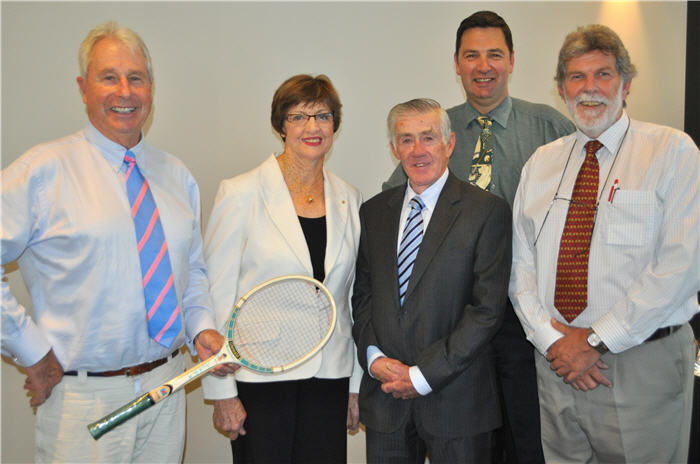
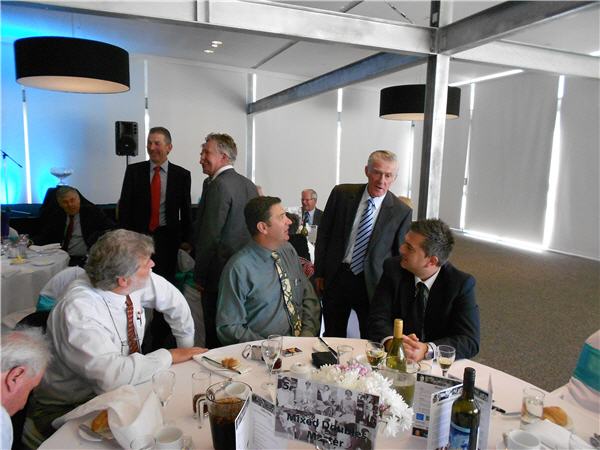
Greetings Tennis Enthusiasts, Apologies for being late, but some photos we have been waiting on went north as part of the ritual winter migration of the retired folk from way down south. Indeed the photos we are most lucky to have at all. STOLEN PROPERTY AWARENESS On the return trip, a car was broken into and apart from the camera,  some truly rare multi autographed books were stolen, presumably by some youngsters who had no idea what they have taken.  Sadly, we have no positive news yet from police in Forbes NSW and just hope that they may be found under some bushes.      If you are offered some tennis books containing autographs of a significant nature (Davis Cup /Federation Cup etc) please do call Denis Tucker on 0409 317 804 for advice. AUSTRALIAN TENNIS MUSEUM (NSW) LUNCH The Museum organisers of annual lunch were  deservedly please by the well attended function and with special guest, Margaret Court, it is easy t0 understand why.  It was a great opportunity for members of Tennis Heritage Australia VIC to meet the newly formed NSW group and we had a great day. Apart from meeting Margaret and Ken,  we were also lucky enough to catch up with Lesley Turner, Jan Lehane and Thelma Coyne Long who now over 90 is a direct link to the top tennis days from the mid 1930’s and beyond. Thelma played in many overseas teams and was an Australian Champion singles and doubles player for many years.

Rodney Lack with Thelma Coyne Long Australian Tennis Museum lunch 2012

Denis Tucker, Margaret Court, Ken Rosewall, Rod Lack, Keith Jenkins- Australian Tennis Museum lunch 2012

First time together Melbourne & Sydney Tennis Heritage Members who were able to attend the luncheon.

Margaret was interviewed on stage and gave a good account of her times in the game.  Even the recent protests at her views on gay marriage were discussed, a little unexpectedly, yet her quite emotional rationale from her perspective as a church minister was met with considerable understanding.

A special thanks to Ada and team for organising the event and to patron Ken for taking on the role to support the museum which has very little budget for acquisitions and relies heavily on these events and benefactors of tennis memorabilia.

We look forward to the next event.

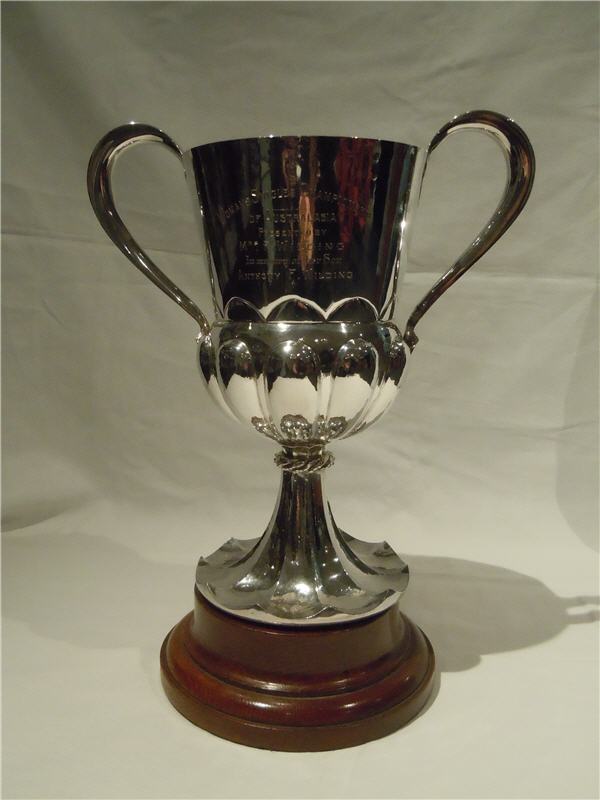
While at the Museum,  we were shown a very interesting trophy donated by the Roy Cozen family (husband of Daphne Akhurst).

The Australasian Championships for men commenced in 1905 at the Warehouseman’s Ground in St Kilda Rd, Melbourne but it was not until 1922 that the Women’s and mixed events were added to the calendar.

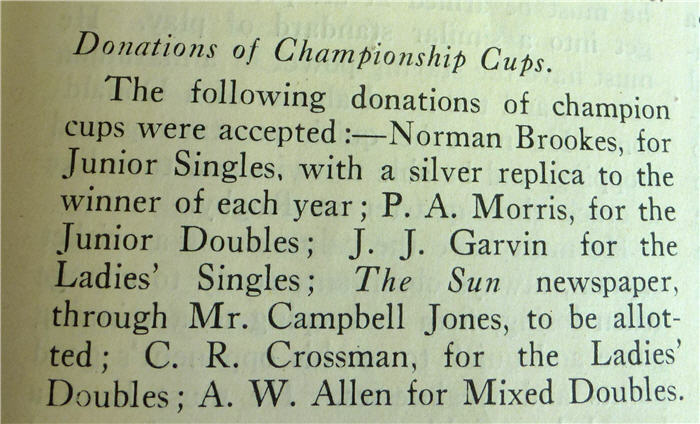
Funds to run competitions such as the event filled Australasian Championships were not excessive and so donations of funds or trophies were often made.  In 1922 the article from Australasian Tennis Magazine below shows this, including the Women’s singles trophy.

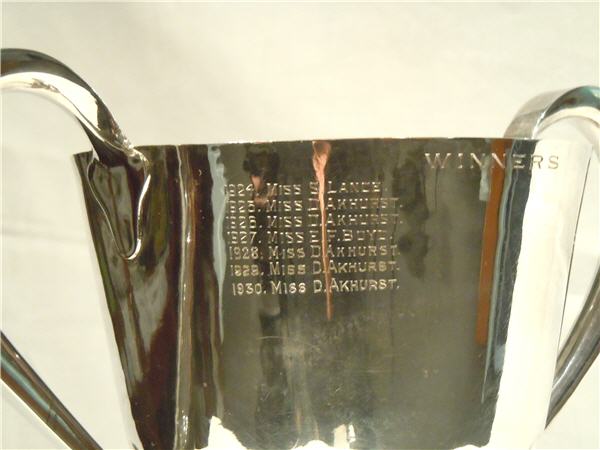
Prior to the confirmation of the Womens National championships, in 1921 the Association was moving forward with the plan to conduct a “Davis Cup” style competition between the states and New Zealand. While this may well have been for men,  the Wilding family donated one of Anthony Wilding’s trophy’s.   This state based competition never developed and so we find, presumably,  the Wilding Trophy being used to acknowledge the ladies singles champions from 1924 and beyond.

As you can see, Daphne Akhurst won the event 5 times and by claiming 1928-1930 in succession was entitled to take possession of the trophy.  As part of Australia’s championship, this trophy is very significant.

Tragically, Daphne died as a result of complications of a medical operation.  Also, in the early 1930’s the Men’s singles trophy was won outright by Jack Crawford for three wins in a row and in 1934 the tennis association introduced the current (always to be retained) Norman Brookes and Daphne Akhurst Challenge Cups a fine tribute to both Australian tennis greats.

As to the trophies supplied in 1922, 23 and 1931-1933 we are yet to uncover any historical reference, yet sitting on the mantlepiece in someones house.

AUSTRALIAN TENNIS HERITAGE MEETING MELBOURNE JULY 2ND

Thanks to the Grace Park Tennis Club President, Colin Davis and immediate past president, Terry Stone,  our meeting of some 15 interested participants was a great day.  Luckily both Colin and Terry are keen memorabilia collectors and this is reflected by the array of display cases filled with all manner of club and tennis equipment.   Grace Park is a quite famous club, spawning many champion players through its long association with Victorian Pennant.  The book AMAZING GRACE by Johnson & Oliver documents the clubs evolution. Players such as Frank Sedgman and Margaret Court have been members.

Highlights of the day were meeting a couple of new people and some special guests, Dirk Den Hartog ( great grand nephew of Ben Green the Victorian (Intercolonial champion) who brought along the impressive shield (SEE Q1 newsletter for a pic) and Tim Cawthorn who gave a fascinating account of the life of J0hn Cawthorn (as he was known), but that is another story.

With sandwiches, cakes, coffee & tea and potential of a full bar, Grace Park may well become a regular meeting place.

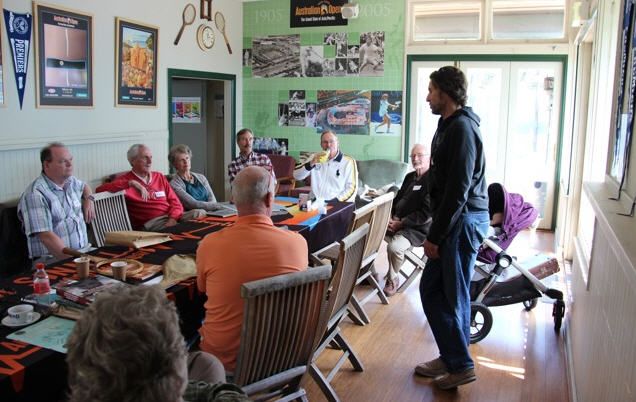
Settling down for a fine afternoon of show and tell.

ITEMS OF INTEREST

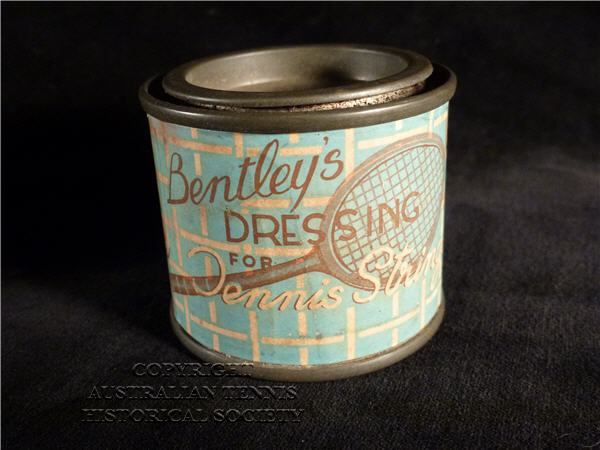
Last newsletter there was a picture of a string preserver bottle acquired from America. This tin of Bentleys Dressing for Strings (String Preserver) was sold in Australia in the 1940’s.  Finding examples is very rare.

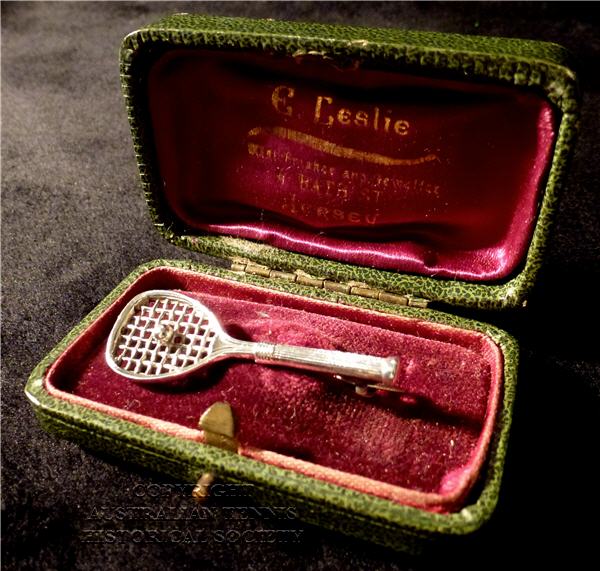
This brooch from the late 1890’s is silver and shows some very ornate detail.

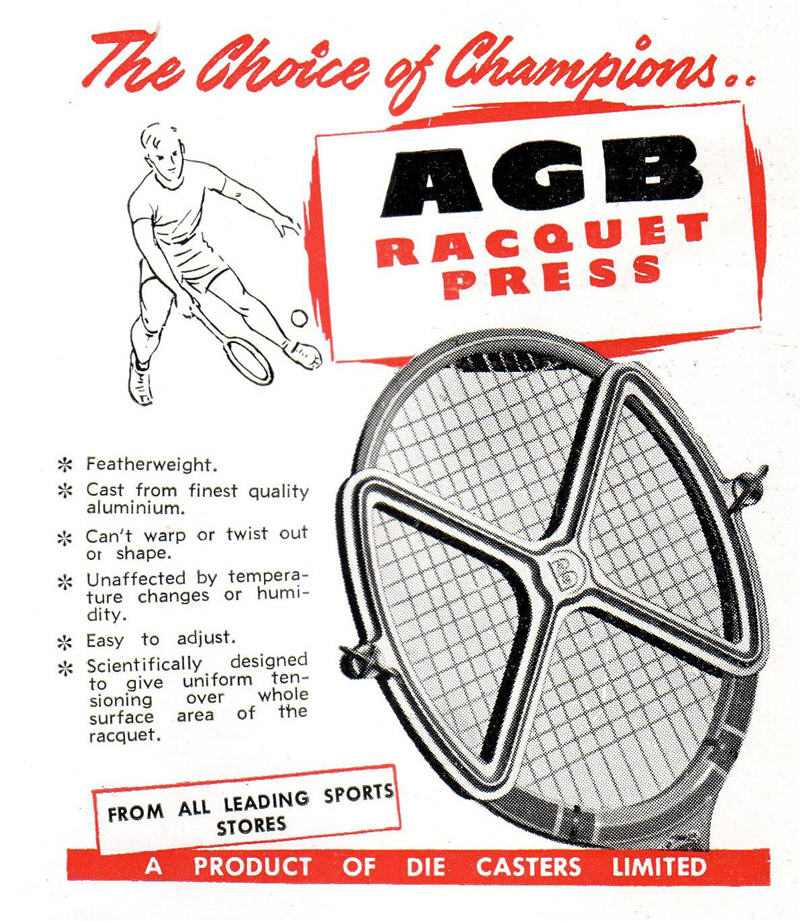
Finally, many collectors have an example of a BAG or AGB aluminium tennis press. The correct name came from an ad that appeared in tournament programme. These were made in Australia.

Anyone who has some interesting memorabilia or family history that relates to tennis, please contact me rod@tacticalresponse.net.au 0418 362 386 AND PLEASE JOIN AUSTRALIAN TENNIS HISTORY ON FACEBOOK link from here

Tennis Heritage Australia News Q1 2012

Greetings  Tennis Enthusiasts,

This last few months has typically been quite interesting but perhaps a little more so than usual owing to some major finds.

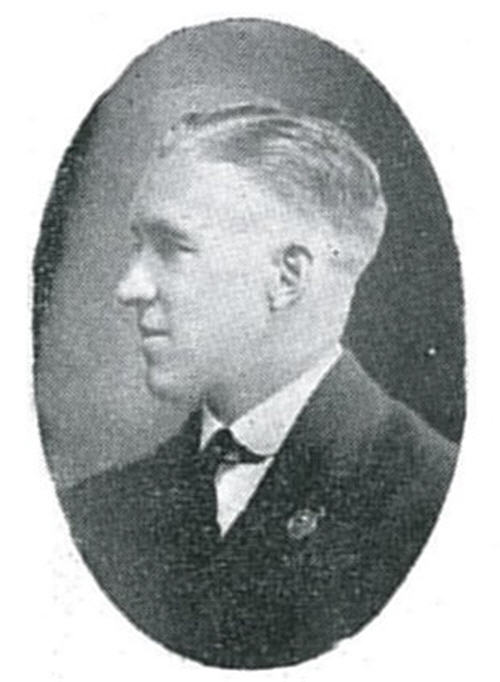
Unknown Australian Wins 1923 Irish Tennis Championships: George Eric Mackay

In January, we found a simple small article about an Australian player who in 1923 won the Irish Championships. We had never heard of him and so this set in motion a challenge to see if we could find out more about him and what happened to a trophy he received.

Having served in WW1 in Egypt in the Medical Corps,upon his return to Australia, he recommenced his medical studies at Ormond College, Melbourne University and while there became the University Captain of the Tennis team which played both Sydney and Adelaide Universities.  Having obtained double first class honours in 3rd year and honours in 4th and 5th year this then enabled him to apply to travel to London to complete the FRCS (Fellowship of Royal College of Surgeons).

Apart from playing for the University, George also represented Victoria in interstate matches against NSW and SA.

While in London between exams, George went to the Dublin Rotunda Hospital for some practical experience and while there entered the Irish Championships of 1923.  Impressively, he won the event defeating 1896 Wimbledon Champion Harold Mahony 1/6, 2/6, 8/6, 6/2, 6/3 with perhaps the advantage of youth against the much older Harold who from the score looked like he gave it all and just fell short in the 3rd set and had no reserve for the last two.

As to why a player of George’s capability won the prestigious event is a tad unclear. There was considerable turmoil in Ireland at that time between the Protestant and Catholic political debate. Many of the well known English players probably stayed away for fear of being caught up in some action off the court.  Although, the existing Irish champions, Cecil Campbell and D’Arcy McCrea were  engaged in Davis Cup matches against India and France in Dublin around early to late June.  In the doubles final four prominent Irish players played for the title so maybe George had some excellent wins leading up to the final.  Hopefully, we will learn more in time.

In September that year, George became very ill, with what was diagnosed as Military Tuberculosis and he sadly died at St Bartholomew’s Hospital London on October 25th.

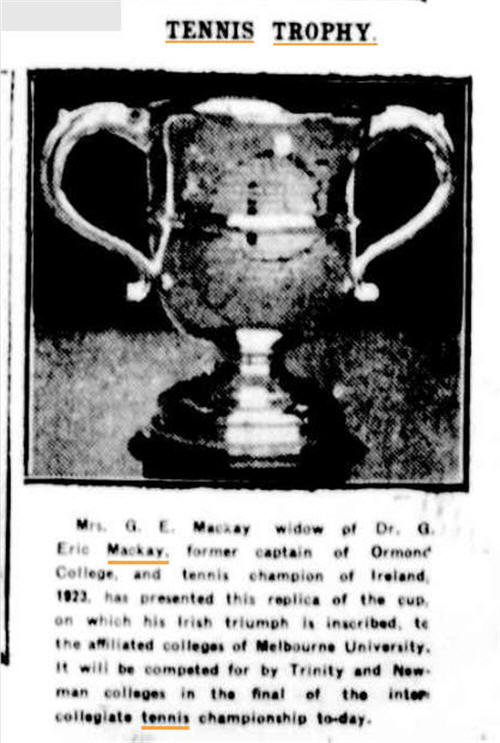
His body was returned for burial to Bendigo and his Irish Trophy, again from a snippet in a newspaper story, was donated to Melbourne University for presentation to the intercollegiate tennis champions.

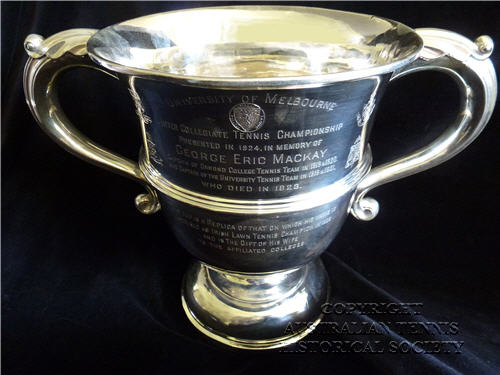
This week, Melbourne University invited us to photograph the trophy which had luckily been found still in use as the donation had intended and was just back from the Silversmiths where it had undergone some repairs and re-plating.  Needless to say it is in close to the  same condition in which it was provided back in 1924 except it it appears to be missing a plinth.

Inscribed

UNIVERSITY OF MELBOURNE INTERCOLLEGIATE TENNIS CHAMPIONSHIP
PRESENTED IN 1924 IN MEMORY OF
GEORGE ERIC MACKAY
CAPTAIN OF ORMOND COLLEGE TENNIS TEAM IN 1919 & 1920
AND CAPTAIN OF THE UNIVERSITY TENNIS TEAM IN 1919 & 1921
WHO DIED IN 1923
THIS CUP IS A REPLICA OF THAT ON WHICH HIS NAME IS INSCRIBED AS IRISH LAWN TENNIS CHAMPION IN 1923
AND IS THE GIFT OF HIS WIFE
TO THE AFFILIATED COLLEGES

One of the newspaper clippings that inspired the search.

Melbourne University has a rich tradition in Melbourne society and many famous early intercolonial and state championship players were taught there.

In another very exciting twist in the search for the Irish Trophy,  we also made contact with a relative of a prominent Intercolonial player Ben Green.  Ben was a famous Victorian Champion and when he and NSW champion Dudley Webb played the crowds numbered in the thousands.

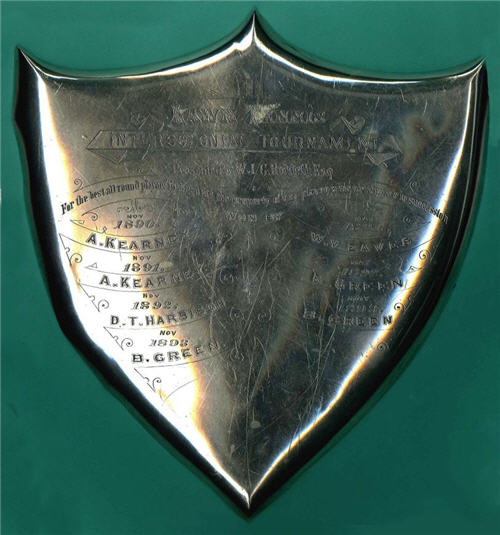
This shield was presented to the Victorian team’s most valuable player and the other names inscribed are of equal value and importance to Australian Tennis History.  This wonderful shield measures 20 cm across and 22cm tip to tip.

We feel thrilled to be able to share this with you and thanks to Lesley from Melbourne University for sharing this with us.

Inscribed

LAWN TENNIS INTERCOLONIAL TOURNAMENT
Presented by W.J.C Riddell Esq.  (MCC Tennis Club Secretary & organiser of first event)

For the Best All Round Player. To become the Property of any player winning it twice in succession.

Nov 1890 A. Kearney   May 1891 W.Eaves  Nov 1891 A .Kearney May 1892 B.Green  Nov 1892 D.T. Harbison
May 1893 B.Green Nov 1893 B.Green and his for the keeping.

As a footnote W.V.Eaves was born in Australia and then went back to the UK to also become a doctor.  He won the same Irish Championship in 1897 and was very successful at Wimbledon and other events.  Please read the story about W.V.Eaves elsewhere on this site as he had a major influence on tennis development in Australia and our first Champion Norman Brookes.

Tennis Heritage Australia NSW Branch

Michael Fitzgerald put his hand up to organise the first and second meetings of tennis history fans in Sydney and for those on our database who wish to join the NSW group please email Michael at mffitzgerald@bigpond.com

On May 28th a few of us from Melbourne will be joining the Sydney group and meeting for the first time at the Australian Tennis Museum, Ken Rosewall lunch with this years guest, Margaret Court.

BOOKINGS INFO CLICK HERE

A new Tennis Museum in Tasmania

Denis Tucker has been collecting tennis autographs and memorabilia since he was a young lad.  His passion for tennis led him into state tennis administration and his collection has now reached the point where he would like to share the experience with other enthusiasts.

While the collection includes many racquets, trophies, books and clothing, his autograph collection is simply stunning. With a focus on Australian Championship players, Davis Cup Players and Wimbledon Champions there are a only a few missing and as you can see from the photos they are most impressively displayed.

Denis lives in Launceston and would enjoy hearing from anyone with autographs that might fill in the missing gaps.

Denis can be contacted on 0409 317 804

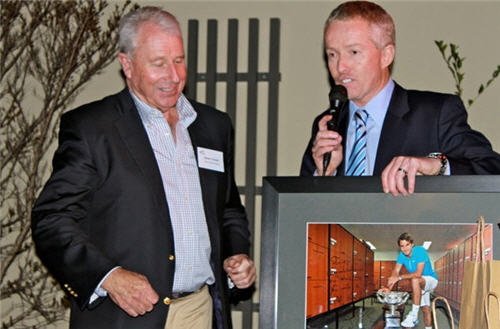
Craig Tiley, Director of Tennis Australia, helps open The Tucker Tennis Musuem and presents Denis with a Roger Federer signed “well wishing” photograph.

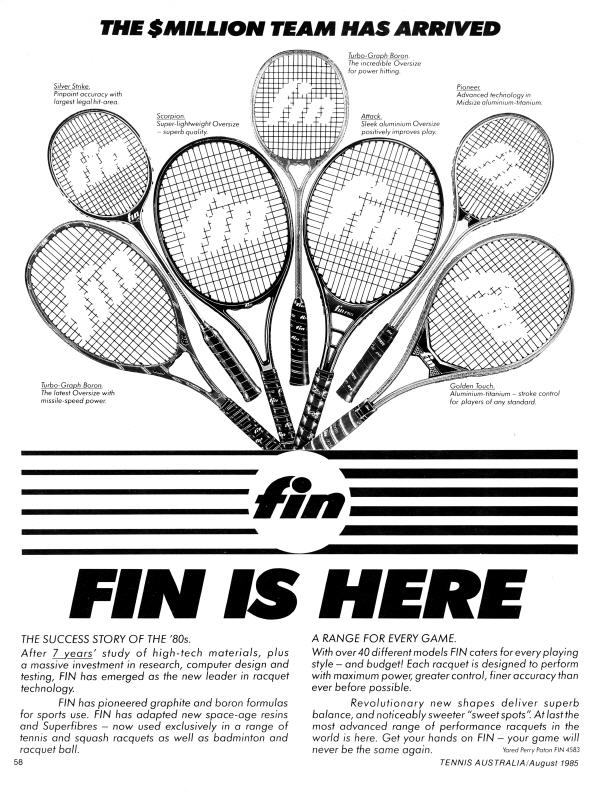
Australian Racquet Marketer of FIN:  Barry Todd

This quarter we found Barry Todd the designer and owner of FIN racquets living in London.  Barry has never really had the success deserved for all his effort in creating some terrific designs for FIN (1980’s)  and DEESSE.  Read more

Male Tennis Champions in the 1920’s J.O.Anderson & Gerald Patterson

An article on the development of tennis in the 1920’s has been added to the site.  The two great Aussies leading the charge were J.O.Anderson and Gerald Patterson.   While great players this was the era of Bill Tilden and W.Johnston from the USA in the early to mid 1920’s followed by the French Musketeers in the late 1920s’. Success in Davis Cups was hard to come by…..yet on home soil, Anderson and Patterson were great rivals from schoolboy days through to the end of their careers.

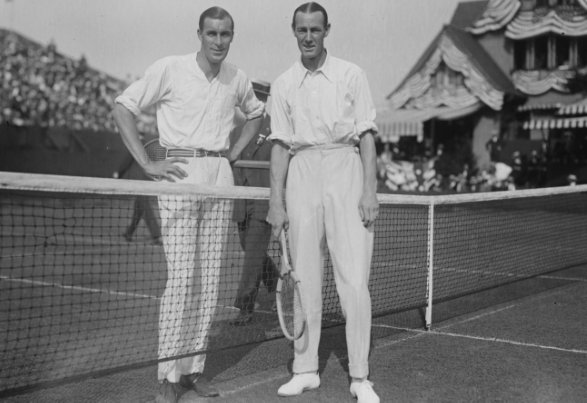
Anderson (right) beat Tilden (left) in the USA in a match described as the best ever seen.

Tilden played Davis Cup in New Zealand against Australia and also played exhibition tennis in Melbourne and Sydney with the rest of the team.  Read more

Other Interesting Memorabilia

In this section I will just present some nice tennis items to help educate viewers.

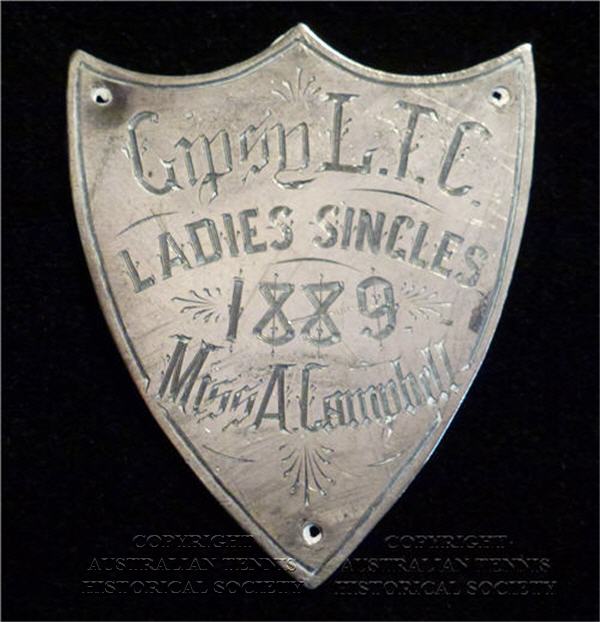
This badge would be mounted to a tennis racquet throat in honour of the win

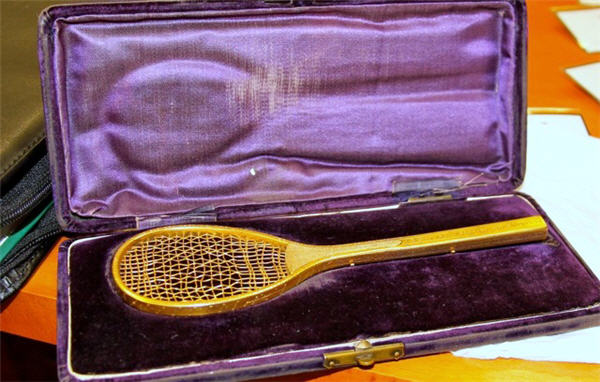
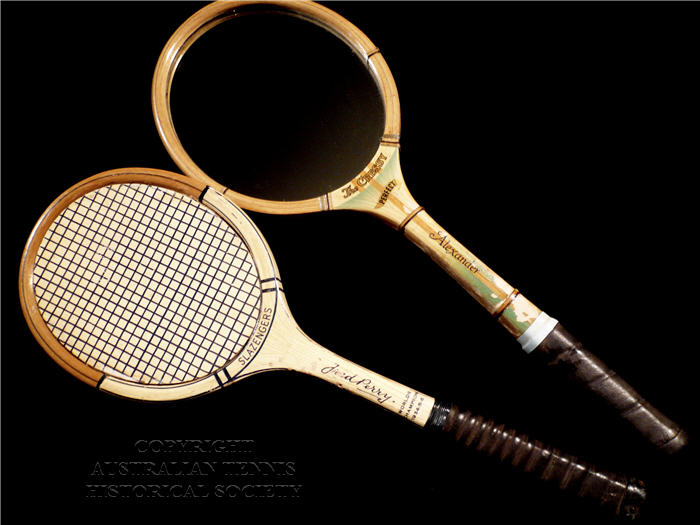
Manufacturer Alexander’s may have started this miniature racquet craze in the 1930’s with their mirrors while the  Slazenger Brush promotes the Fred Perry “All White” Model created in Australia to combat the public interest in Jack Crawford’s Semi  Flat top Alexander racquet.

To help pro long gut string life, reviver was sold in order to coat the strings for added protection from moisture.

The product would be brushed on lightly after a game.  Very hard to find bottles and kits so if you do come across one grab it.

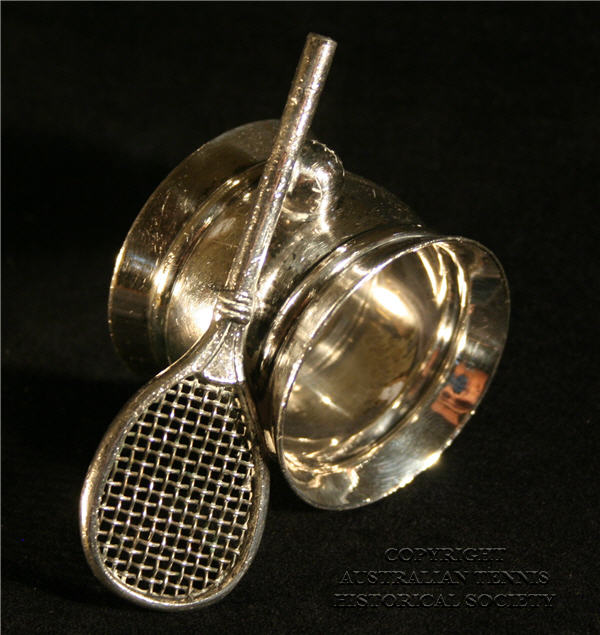
A nice old tennis racquet and ball napkin ring.

Anyone who has some interesting memorabilia or family history that relates to tennis, please contact me rod@tacticalresponse.net.au 0418 362 386

AND PLEASE JOIN AUSTRALIAN TENNIS HISTORY ON FACEBOOK link from here