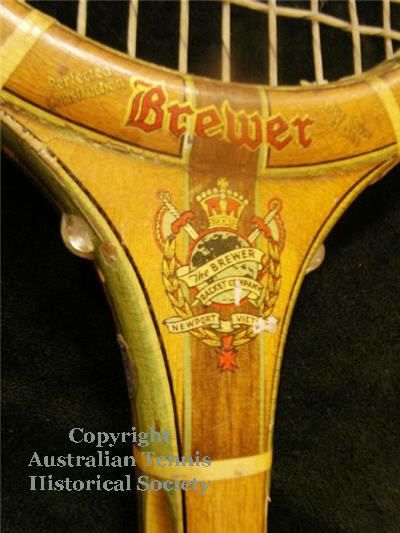
Brewer

 In the world of small business the personal traits of the entrepreneur can play a big part in the direction of a new business. As with so many other new business people, Albert Brewer had a strong sense of independence and this combined with an aversion to bank loans, an aversion to insurance and an aversion to cartels played a role in shaping the history of the Brewer tennis racquet enterprise.

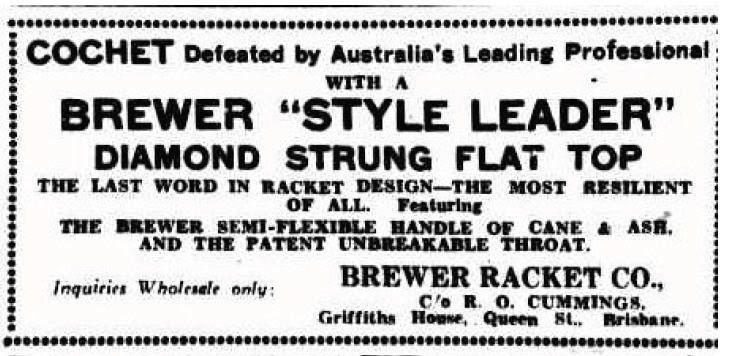
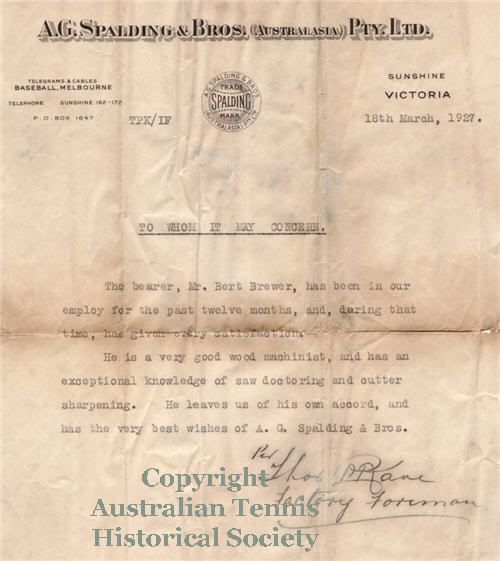
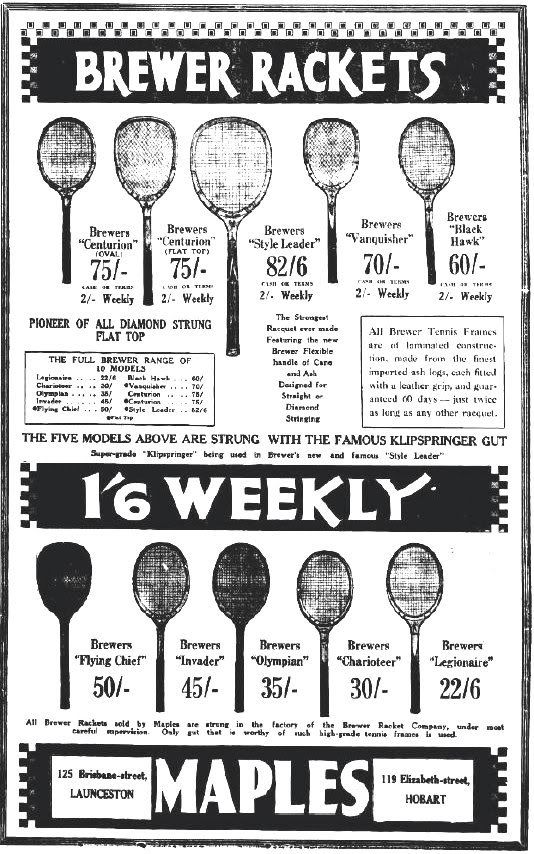
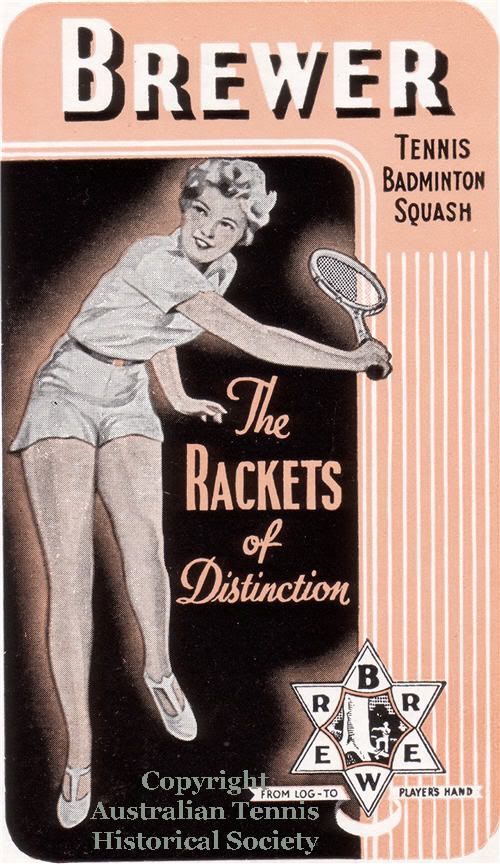
Born in Bendigo in 1905, Albert Brewer came to Melbourne in 1920 to commence work as a furniture factory machinist at Rojos Pty.Ltd. in Little Lonsdale Street Melbourne. With skills developed in moulding timber, he gained twelve months experience in crafting tennis racquets at AG Spalding, then in 1928 bought his own factory in Farm Street, Newport, Victoria. Little did they know that they would soon have a competitor in tennis. Note the telegram address is for Baseball which was Spalding’s primary industry and one which they tried to promote in Australia. Bert began making the signature brand, the Brewer ‘Style Leader’ range of racquets and built up a great export business in an era when Australian manufacturers dominated the equipment market and Australian players dominated the tournaments. This is a 1934 Ad from a retail store in Tasmania. While the export market did well the home market was much more difficult as all other manufacturers formed a cartel (completely legal in those days, before the Trade Practices Act) and prices were fixed. This was completely contrary to Albert Brewer’s principles and he refused to sign the agreement. Hence, the Brewer range of racquets were banned from sale in all stores that made up the Combined Sporting Goods Association. Read more about this under the retailing racquets section.
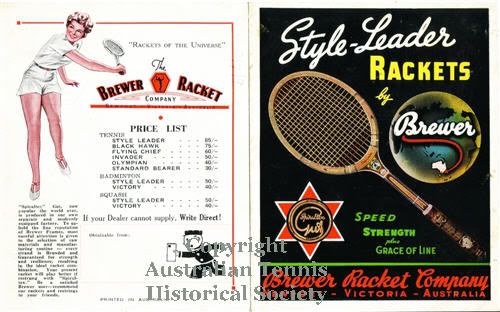
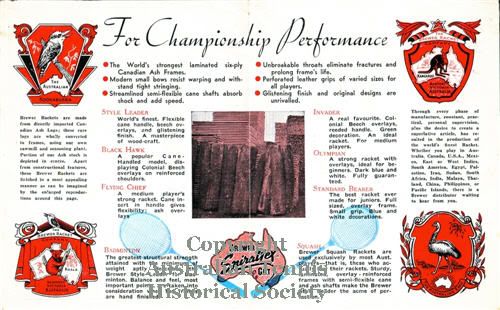
Not quite the sporting gesture, promoting off a players defeat!

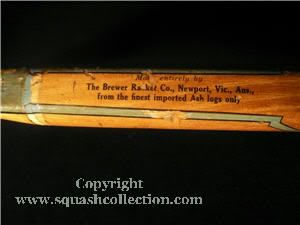
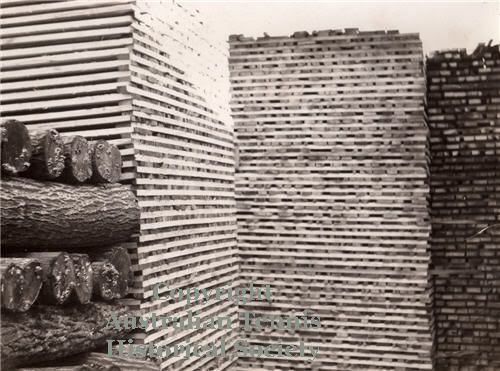
To maintain sales, the answer lay in the purchase of his own retail sporting goods outlet – Alcock and Pierce – in Elizabeth Street Melbourne, which became a well regarded store selling a variety of brands over a number of sports and this store exists today but has no connection to tennis. The war years played havoc with the business as the factory ceased all manufacturing of tennis racquets as part of the war effort and made parts for the Beaufort Fighter aircraft. The factory was well placed to carry out this role as this plane used many moulded timber parts. However it cost very dearly as many of the Brewer racquet contracts were lost. After the war the factory gradually returned to manufacturing racquets. The process involved a great deal of hand labour and most of the machinery was made on site. The Brewer racquet was the only Australian racquet which began with the original Canadian Ash logs arriving at the factory, then sawn into planks, then sawn into laminations. You can see from marketing material and on the racquets themselves that the ‘made from logs’ point of difference was used as a selling feature. Manufacturing racquets involves many individual procedures one of these, the spraying of lacquer to finish the racquet, was a highly flammable job and twice in the history of the business it was the cause of devastating fires which burnt the factory down. Both times there was no insurance coverage, and Albert Brewer had to start again – and both times without the help of a bank loan. But as a testament to his independence the factory always started again. He rebuilt the factories on a hectare of land in Mitcham and the last racquets were made in 1970. However, by this stage the frames were made by Kawasaki in Japan and were finished in Mitcham. Albert Brewer died after a long illness in 1975, and because of no legal/accounting tax minimization in place, the plant and the factories had to be sold to with the large proportion of the proceeds being taken by the government in the form of death duty (abolished in 1976). The family business continues in the name of Alcock and Pierce, owned by Robert Brewer and Elmae Brewer, the son and daughter of Albert Brewer, and is managed by Tim Brewer, Albert’s grandson. A special thanks to Robert and family for the story and shots used here.
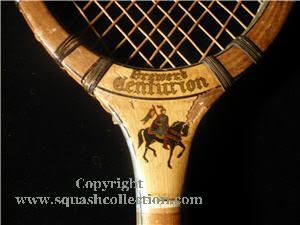
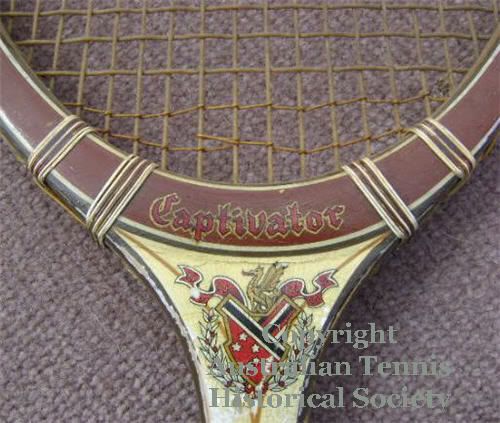
Brewer Captivator

Also from Newport. Note the design has St Kilda and Collingwood Colours. Not sure of any football reference c late 1930’s given shape and cord wrappings.
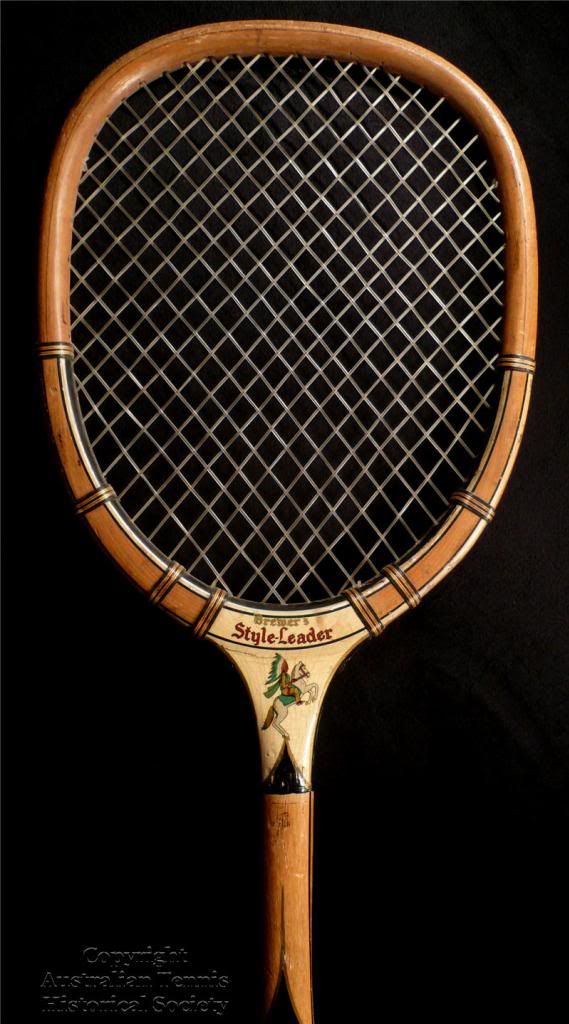
The Style Leader Diamond Strung model was mentioned as being the most expensive racquet on the Australian market in 1936 at  82/6
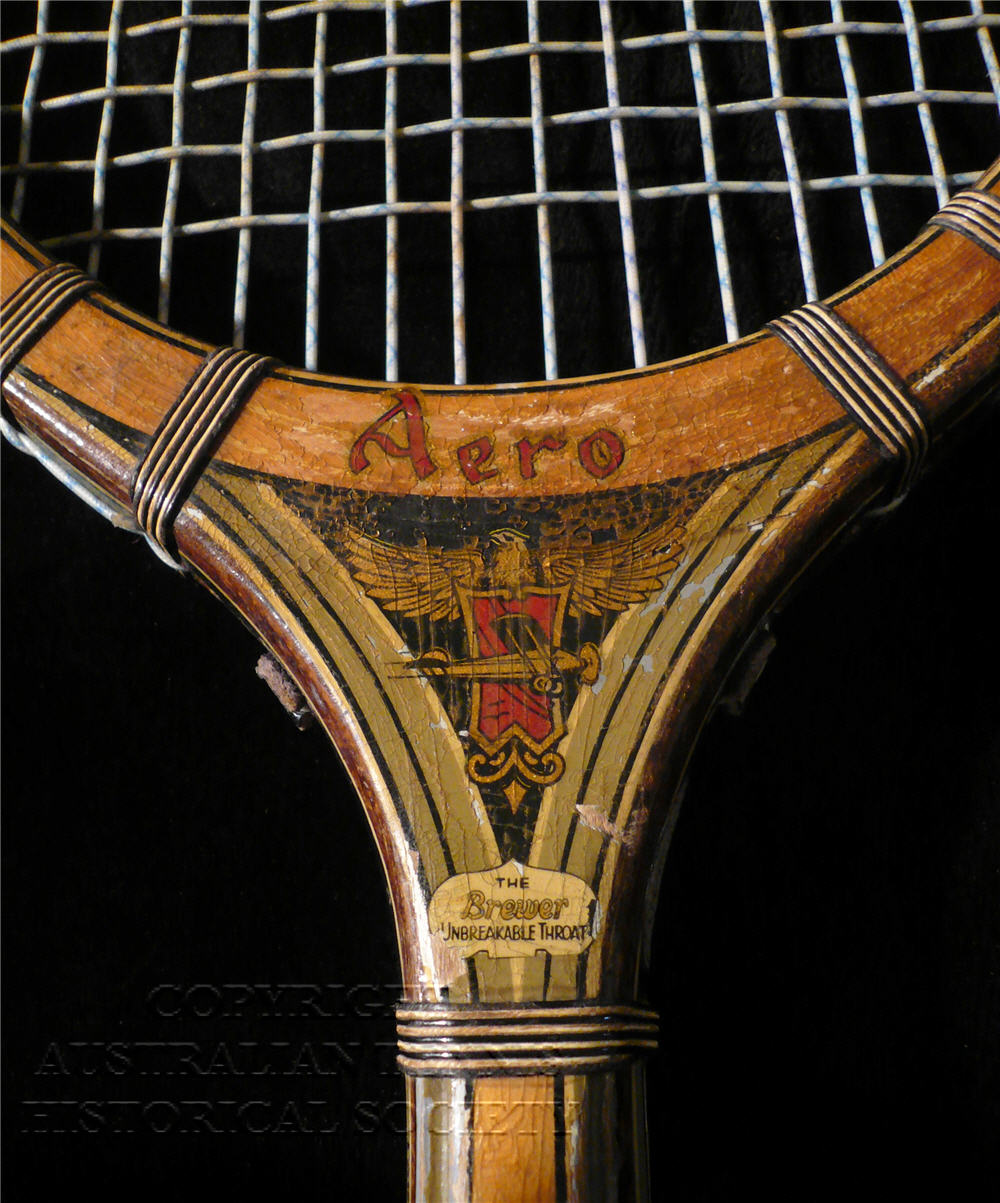
BREWER AERO 1930'S 40S MODEL (14)

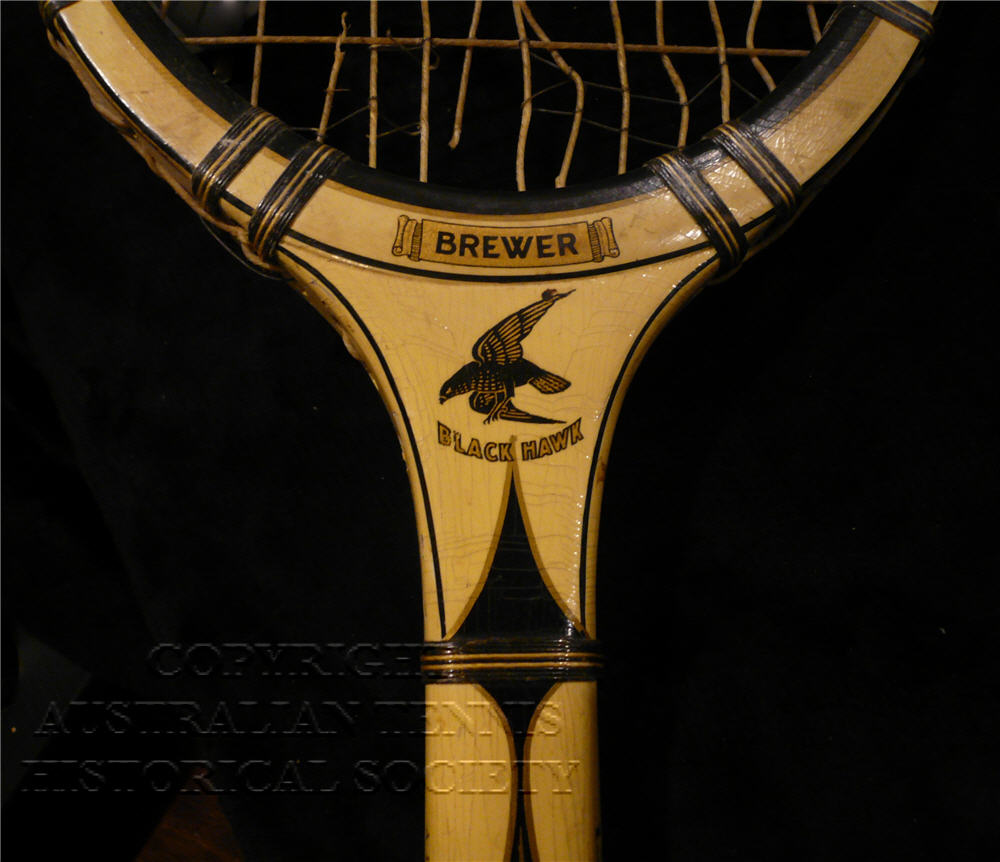
 BREWER BLACK HAWK 1934 OLD LOGO (24)

 Brewer  Black Hawk 1934 as per ad top right
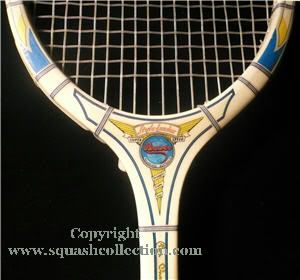
Brewer Style Leader
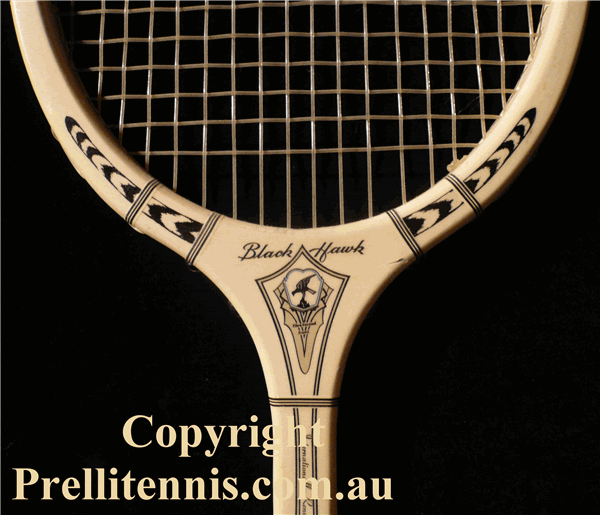
Brewer Black Hawk
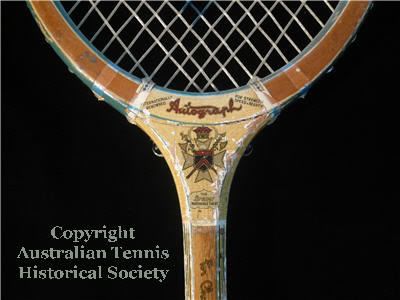
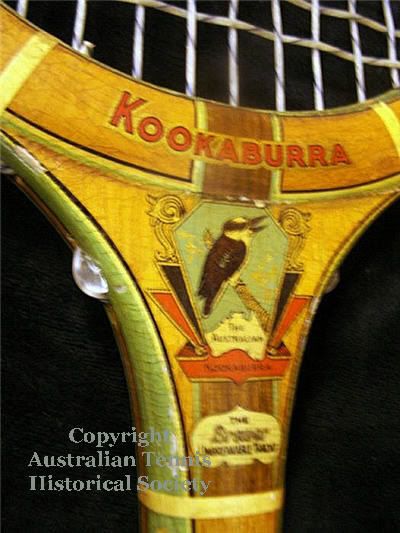
The above photos are of the Brewer Kookaburra from a racquet sold in the USA. Excellent decal treatment. Sorry that one of the photos is a little blurry. Thanks to the US owner who sent them to us.
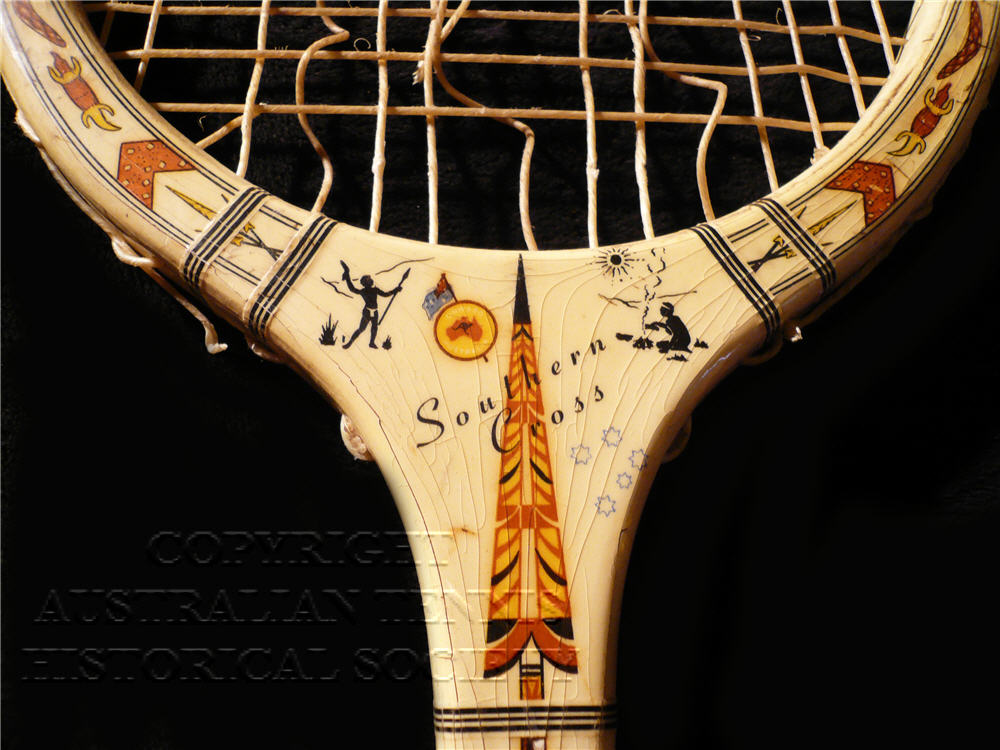
 

BREWER SOUTHERN CROSS USE (2)

BREWER SOUTHERN CROSS re touch use (10)

 The above photos are of the Brewer Southern Cross which is the only ‘imitation’ art depicting Aboriginal heritage on a tennis racquet that we are aware of.
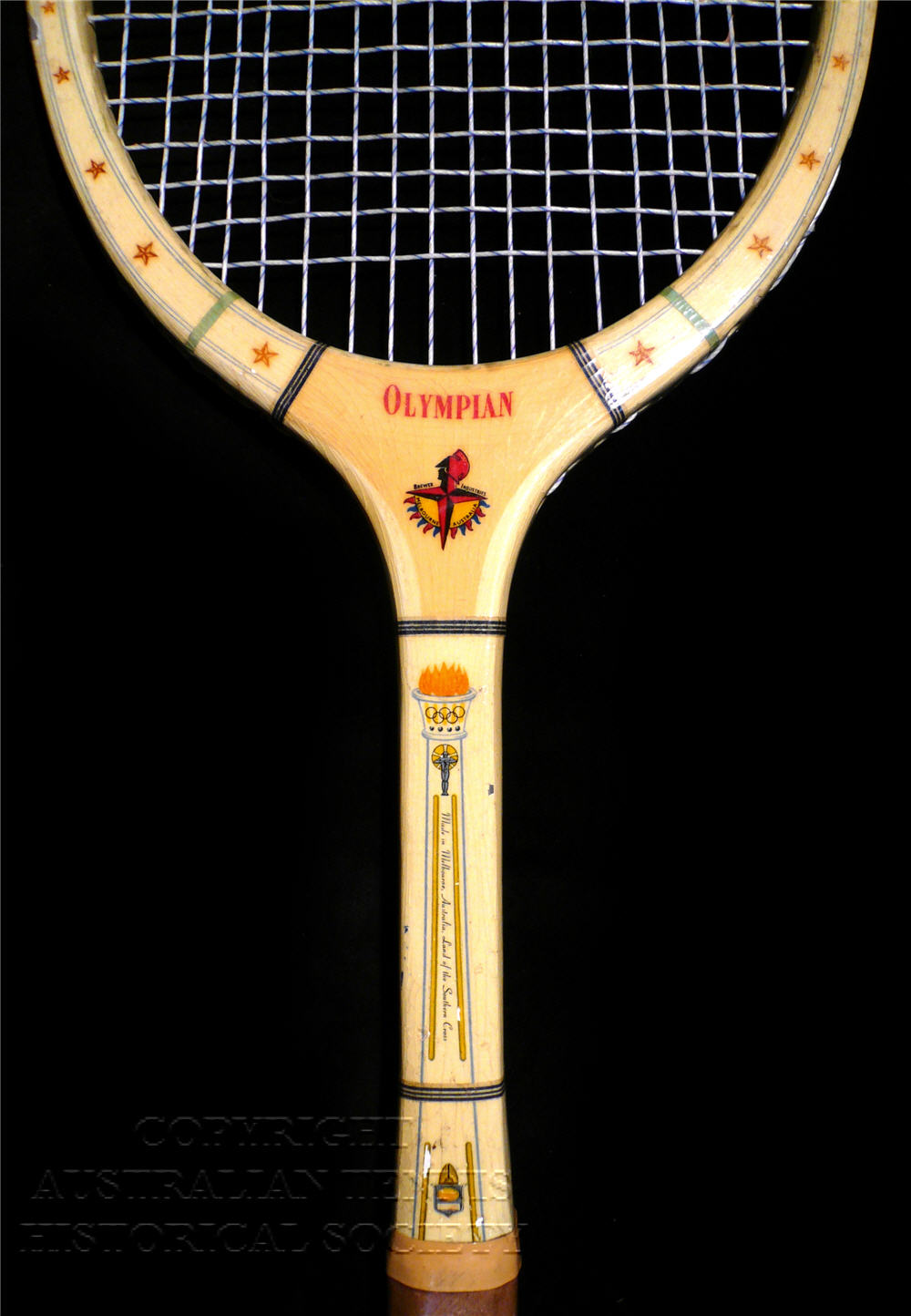
BREWER OLYMPIAN (15)

BREWER OLYMPIAN (22)

 The Olympian was a model used in the mid 1930’s but we feel this model was a 1950’s version leading up to the Melbourne Olympic games in 1956.
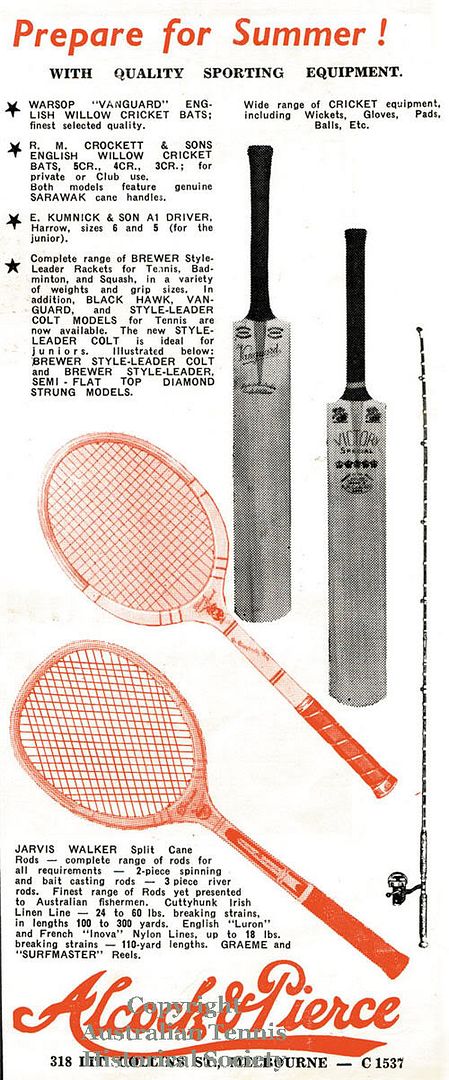
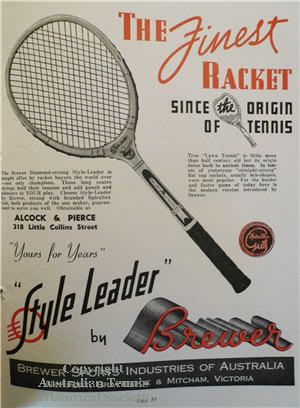
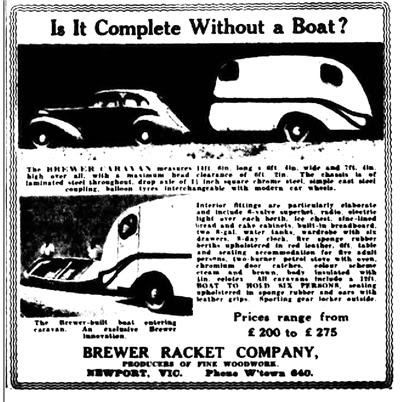
Something different! We found this ad from 23 Feb 1937 in which the Brewer Racket Company developed an innovative caravan into which a boat could be inserted. Looks a tight squeeze, but a nice way to visit the country tournaments where rivers or coastlines provide a relaxation destination.  Quite innovative…. If anyone has one of these, please advise as the Brewer family would be most interested.

Brewer Racket Caravan

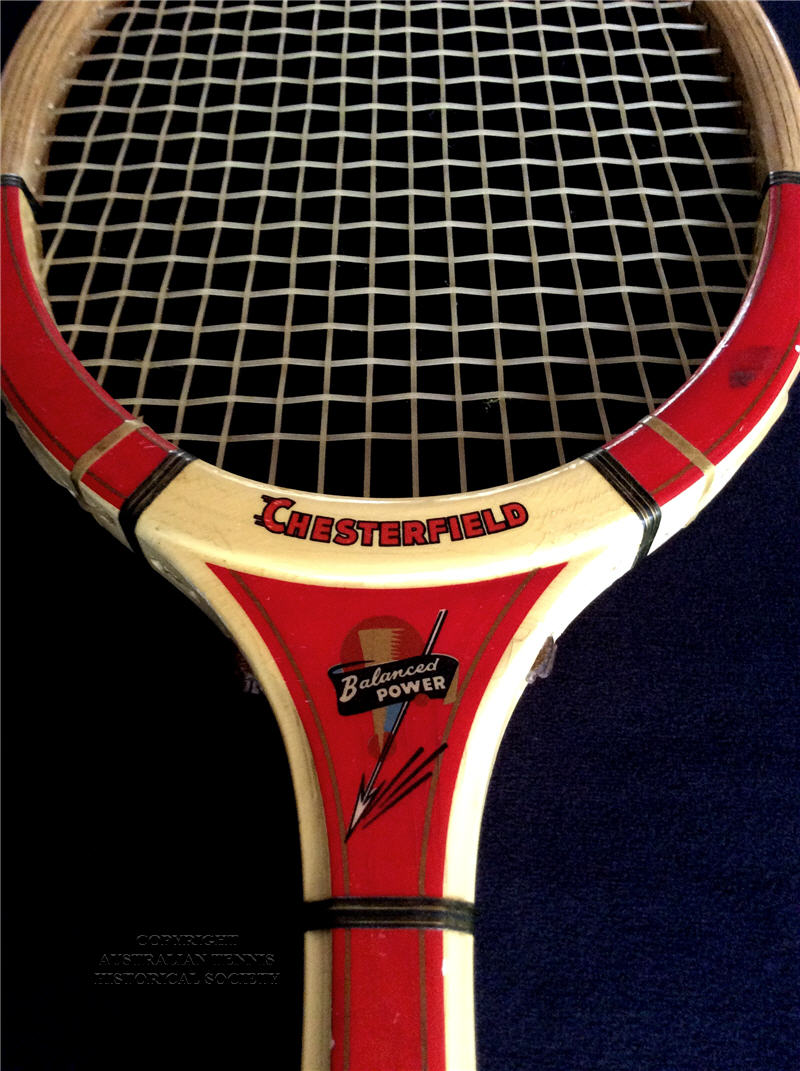
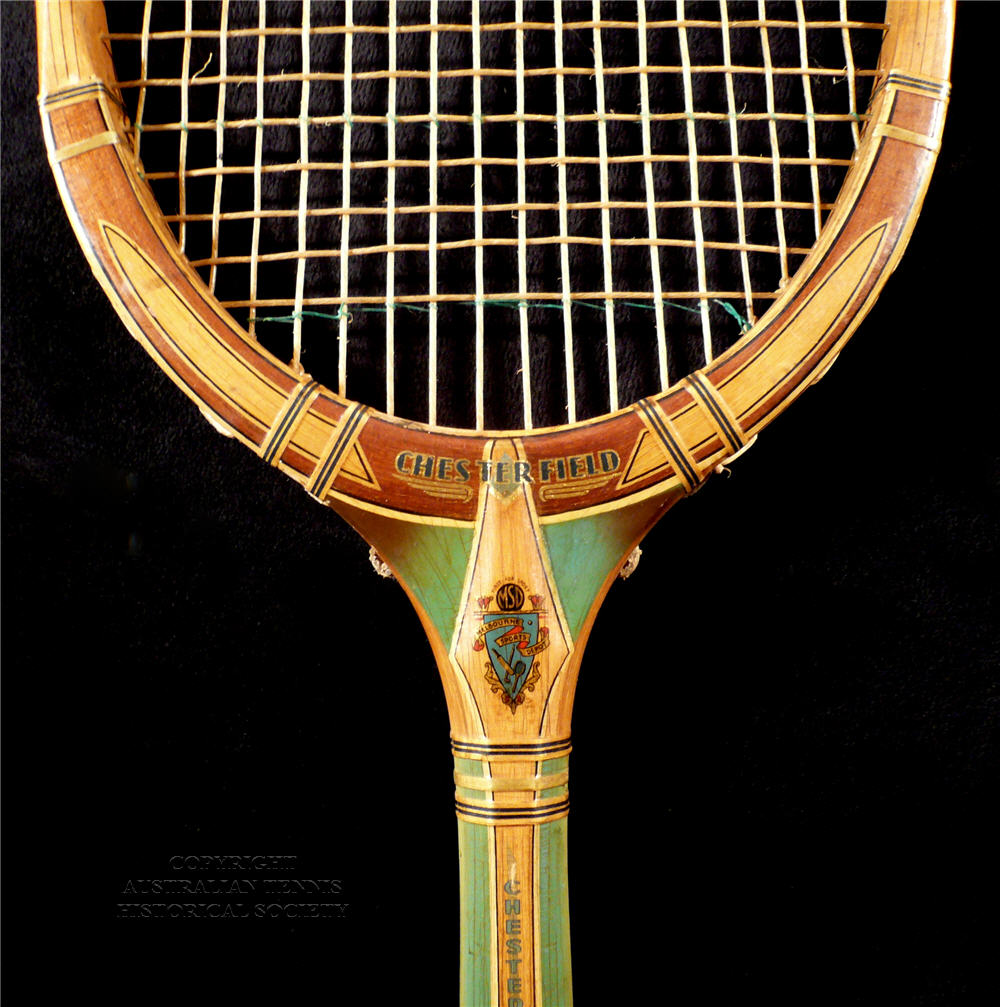
Chesterfield

The Chesterfield Racquet factory began c 1923 and was located in Hyde St Alexandria, NSW. In a small article from 1942 there was a fire at their Trafalgar St. Annandale factory.

The primary timber was Canadian Ash, imported as wood blocks. The parent company Best & Gee is still operating today and owns numerous business entities and investment properties. Combined with Chesterfield, the business also manufactured timber shaft golf products and owned Festival Records. Golf products evolved with new metal materials under the brand name PGF (Precision Golf Forging). These divisions were sold to other groups in the mid 1970’s and since golf was the prominent product range, racquet production ceased shortly afterwards.

Since Alexander’s commenced their factory in Tasmania in 1926 and ceased production in 1961, The Chesterfield brand may deserve the title as the longest lasting Australian made brand lasting from 1923-1975 (to be confirmed).

Like many Australian racquet makers, the export market was important for volume sales and an American Tobacco Company, Liggett & Myers, who owned Chesterfield cigarettes became the USA distributor post war. Consequently, you will find racquets available in the USA and ads appearing in tennis magazines with tag lines such as ” On the court it’s flash…in a cigarette it’s taste”

CMAILCHESTERFIELD30-4-1934


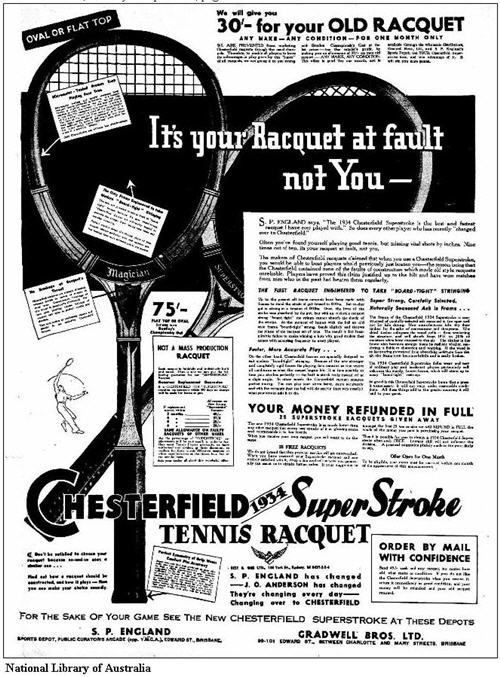
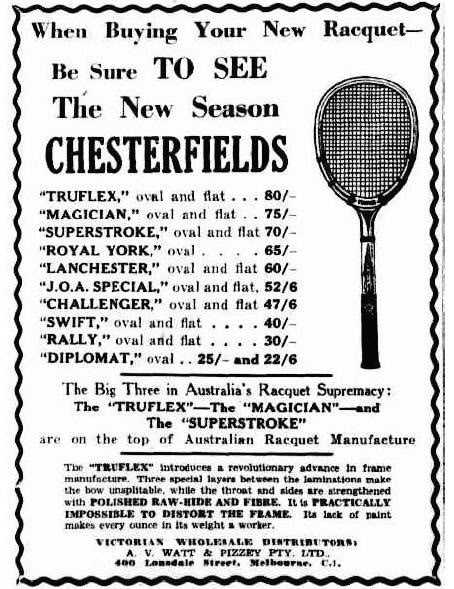
This Ad is from The Courier Mail 30-4-1934.

I really like the aggressive marketing approach via the trade in offer, plus the staggered warranty according to how long you owned the racquet.

They even had a promotion running to giveaway a few racquets.

Down the bottom there is also reference to J.O.Anderson signing on as an endorsed pro after a long association with Alexander’s.

The two brands here are the Magician and the Super Stroke available in oval or flat top models.

Chesterfield28-10-1935


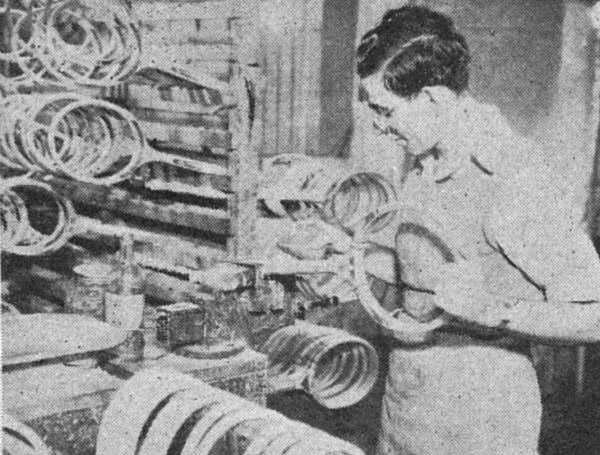
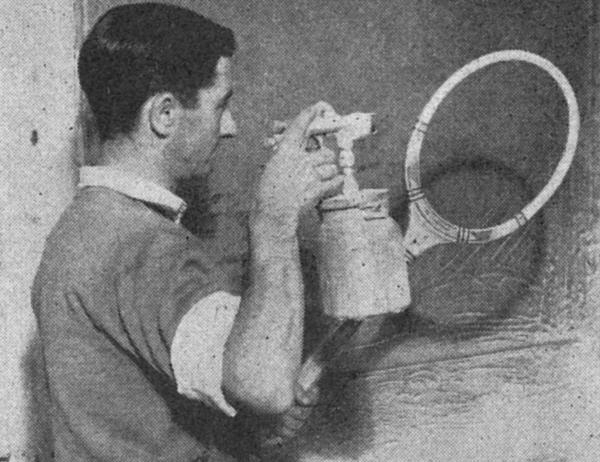
Factory Shots from Australian Tennis Magazine Vol1 No.1 1949

Chesterfield Factory1949 aa


Chesterfield Factory1949 bb


ChesterfieldAustTennisSeptOct54


Chesterfieldaaa


chesterfield bp 1


chesterfield playbat exc (6)

Colin Long

The article below was published August 2008.  Sadly Colin passed away on November 8th 2009. We have elected to leave the article as written.

At aged 90, Colin Long and great mate Jack Noseda, both well known from Spalding Sporting Goods Management kindly gave me some time to discuss Colin’s interesting tennis career. Being nothing at all like his age,Colin has a great memories of his involvement with the Australian Davis Cup Team.

I thought Colin might be the oldest surviving Davis Cup player, but we learnt that Len Schwartz who played in the 1938 Davis Cup team is alive but not so well in Adelaide. We are not sure of Len’s exact age but it is the mid 90’s and we hope he recovers from a current stay in hospital.

What marvellous memories tennis has delivered to Colin. He really appreciates how lucky he has been to be part of this highly traditional and patriotic event.

As School captain at Melbourne Grammar, Colin was a promising junior and won a schoolboys doubles championship with Alistair Righetti in 1936. He joined Dunlop sporting goods for a couple of years having left school and then moved to Spalding in 1939. Back then, many players not wishing to turn professional were employed by sporting goods companies as a technical way around being professional and this argument between tennis administrators and amateur/professional players continued from the mid 1940’s to the mid 1970’s.

In 1939, he was runner up in the Australian Open Doubles with Don Turnbull and in the same year also enlisted in the army. For 5 1/2 years Colin was involved in action around the world. Despite not playing tennis anywhere near enough, he mentioned that while on leave in Egypt he managed to squeeze in their National tennis tournament.

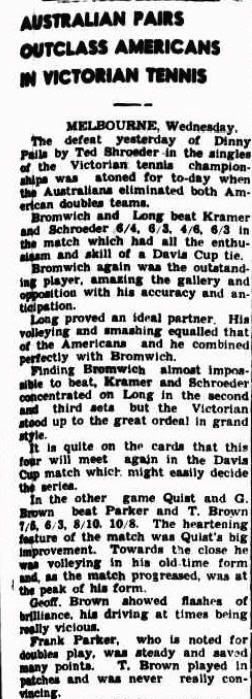
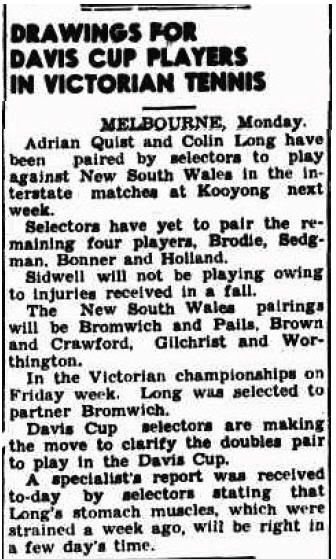
At the end of the war, aged 28 he attracted the eye of team selectors and was included in the Davis Cup squad of 1946. This was done in fine style partnering, with John Bromwich in the Victorian Championships and playing sensational tennis against the visiting US Davis Cup team Kramer /Schroeder (see right). Colin, not noted for being a singles player also defeated Talbert in the same event.(see below).

Despite this good form and making the squad, Colin didn’t play in the 1946 Cup team which was lost 0-5 to the USA fielding the players Frederick, ‘Ted’ Schroeder, Jack Kramer and Gardnar Malloy. Throughout this period the USA team players were rightly rated the best in the world, hence a great performance in the Vic championships.

Having served throughout his formative, development years away from tennis, Colin sees his selection as an amazing piece of good fortune.

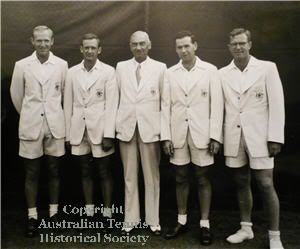
Here we have the 1947 Team- L to R John Bromwich, Geoff Brown, Manager Roy Cowley, Dennis ‘Dinny’ Pails and Colin.

In 1947, Colin played doubles with John Bromwich against Jack Kramer and Ted Schroeder in the challenge round and won in 4 sets again! ( 6-4,2-6,6-2,6-4). He rates this as a highlight of his tennis playing career due to the strength of the Americans and a concern that Bromwich was not 100% convinced he and Colin could win. The US won the 1947 Challenge 4-1.

Colin played in all the 1948 doubles matches which saw the team travel to Cuba (3-0), Mexico (4-1) and again went down to the USA (5-0)in the challenge round. So no wonder winning the one rubber in three years was a highlight.

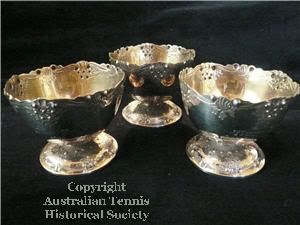
These Challenge Cup trophies in silver were presented
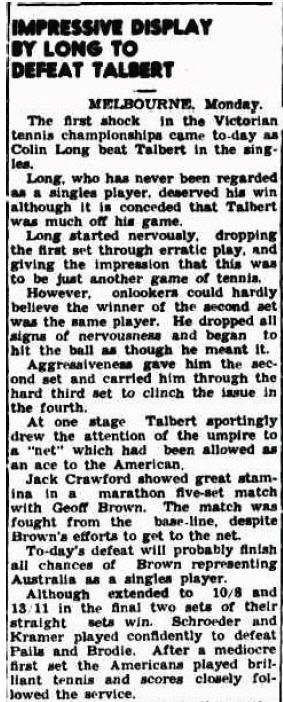
to the losing team members in 1946/47/48. Somewhere
in Jack Kramer’s (& others USA team member ) cupboards
will be the all gold versions.

Colin also had numerous local successes making the 1948 Australian Championships Doubles Grand Final playing with Frank Sedgman and then losing to Bromwich and Quist after leading 2 sets to 0, with a match point in the 3rd and losing the 5th set 8-6 (Colin says this is the worst memory). He also won the Australian Mixed Doubles Championships with Nancye Bolton in 1940/46/47/48 and was runner up in 1938. Pre 1968 Colin was the most prolific male winner of the mixed title event.

Colin has enjoyed tennis all of his life and enjoyed a long career at Spalding, on radio and at Channel 7 as the Tennis, Golf and squash presenter. His main racquet of choice thoughout his career was Spalding ( no surprises there)

Thanks Colin………..a pleasure to catch up and reminisce……. Rod

Australian Tennis Advertisements

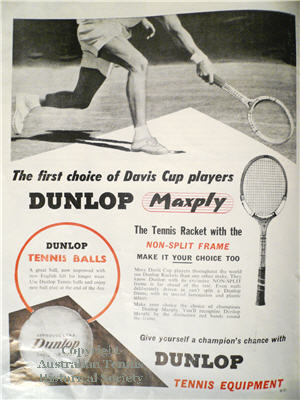
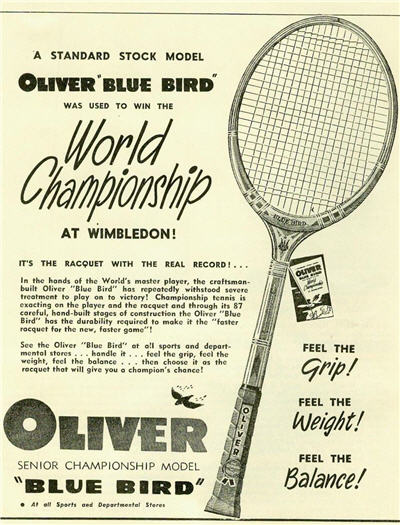
The ability to date equipment in particular, requires access to both manufacturer catalogues and advertisements. Under the arriving in Australia section you will find the earliest known ad for tennis sets being Jan. 1876 The first Australian made products started to appear in the 1920’s. This section is purely to take you back to the brands that were marketing from the 1920’s through to the 1940’s. Alexander’s best years were 1933 when Jack Crawford won Wimbledon with one of their racquets, so let’s start here.   Alexanderaaa Chesterfieldaaa ChesterfieldAustTennisSeptOct54 P1070859 Sell the Ballaaa barnet glass brewer styleleader Dunlop Frank Sedgman Poster dunlop maxply 46 hedley dinny pails001 oliver frank endorsement oliver sa 52 P1060090 ted tingling shorts 54 slaz floating power 2 Empire Adjustable Ad   BARNET GLASS ad 1924 2 slazenger ad 1935 new streamline process

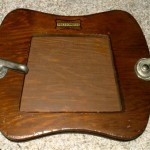
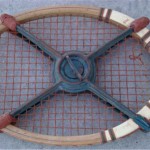
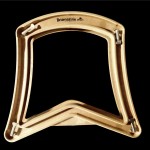
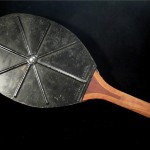
Tennis Racquet Presses

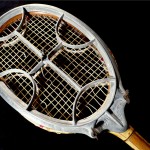
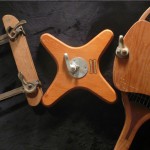
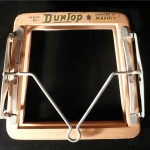
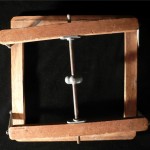
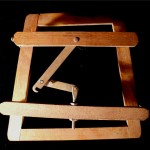
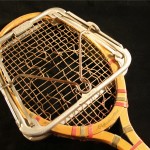
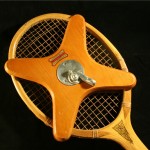
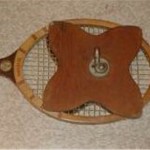
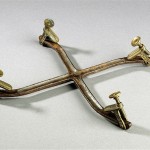
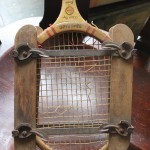
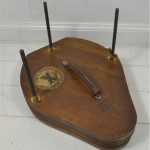
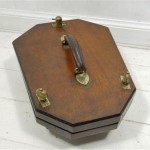
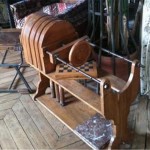
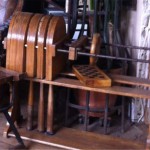
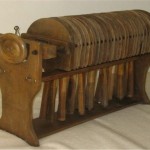
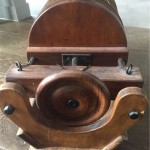
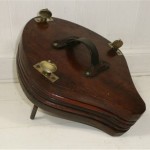
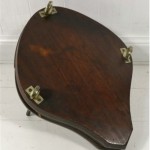
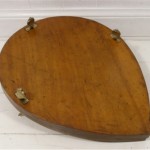
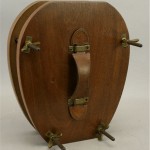
While creative design was certainly evident in the racquet shapes and construction methods, even the humble racquet press came in many shapes and sizes. Presses go back as far as the racquets themselves due to the fact that under enormous pressure from string tautness and combined with often damp or humid conditions racquets would warp or twist out of shape. Presses were essential for longevity of your frame and you will find many racquets have the caution printed on the butt cap, ‘ when not in use store in a press’. Although the ‘one press for one racquet ‘ system was predominant, some of the most highly collectable presses belonged to clubs which held multiple racquets for club players and many touring players had shapely 4-6 racquet presses featuring polished wood and large brass tightening screws.
History of the Davis Cup

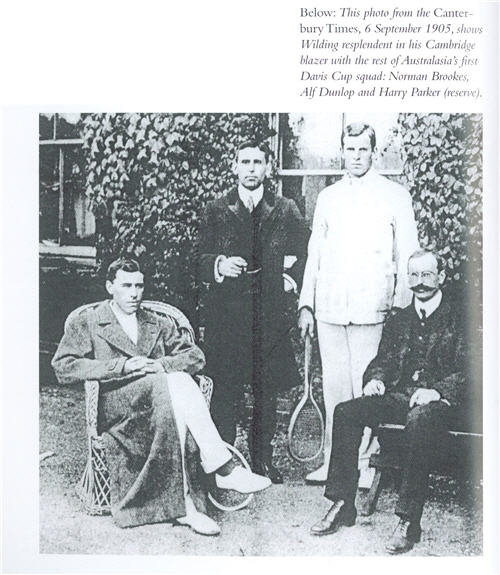
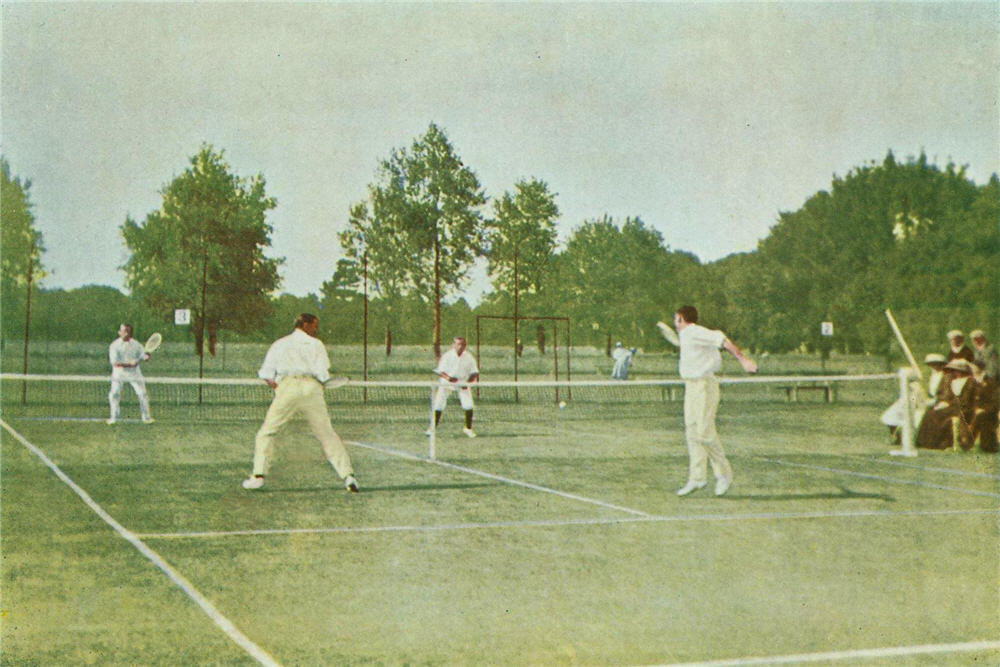
The Davis Cup has long been held as one of the finest events a tennis player can be involved with because it is at a level above the individual. It is the pride of the country, the team and the passion for the game. In 1900, when US player Dwight Davis first donated the trophy and gave his name to a tennis challenge between countries, who would have guessed from the handful of participants back then that the Davis Cup would be hotly contested by literally dozens of countries, so many in fact that the competition was forced into zones just like the World Cup soccer event. To be sure, Australia has done well over the years in the Davis Cup and for this initial stage it is only right to begin in 1905 when the very first Australians and New Zealanders were treading a path to Wimbledon and our first challenge for the Davis Cup. The following shot comes from the book by Len Richardson “Anthony Wilding – A Sporting Life’ kindly supplied from a supporter Virginia Crawford in New Zealand.
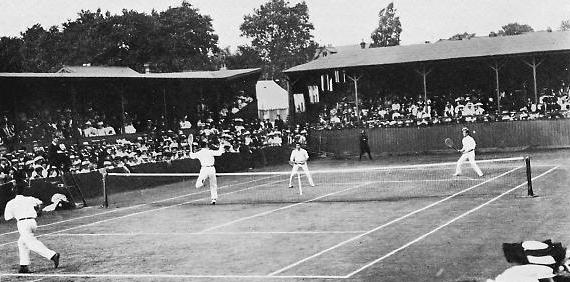
After the formation of the National Lawn Tennis associations in both countries it was agreed that an Australasian team could compete and with Norman Brookes, Alf Dunlop and Tony Wilding (NZ). They were defeated in the final round by USA who then lost to the British Isles 5-0. For the British Isles this was a golden era for tennis with the domination by the two Doherty brothers, Reg and Laurie. In 1906 the Australasian team lost to the USA 3-2 with the team of Wilding and L.O.S. Poidevin but 1907 would be different. At this time Wilding and Brookes were finding success. 1906 saw Wilding win the second Australian Championship and Brookes actually won the Wimbledon singles in 1907, the first Australian to do so and also the doubles title with Wilding. In the early Davis Cup challenges, the winning team from the previous year only played the final ‘Challenge Round’ match against the best team from all the challenging countries. The British Isles had been dominant since 1903, however in 1907 Australasia defeated the USA 3-2 in the final round and then went on to the Challenge Round to defeat the British Isles 3-2 in two very hard fought matches.

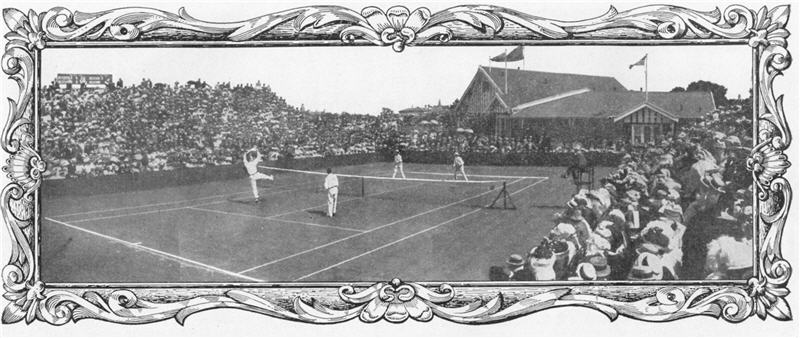
To the victors came glory via public recognition and the opportunity to defend the cup on home soil. In the 1908 Challenge Round, Australasia played the USA in Melbourne at the then named Warehouseman’s grounds (Albert Ground- St Kilda Rd). Once again Brookes and Wilding teamed against American’s B.C. Wright and F.B. Alexander in another close 3-2 affair in front of a 5000 plus gallery.

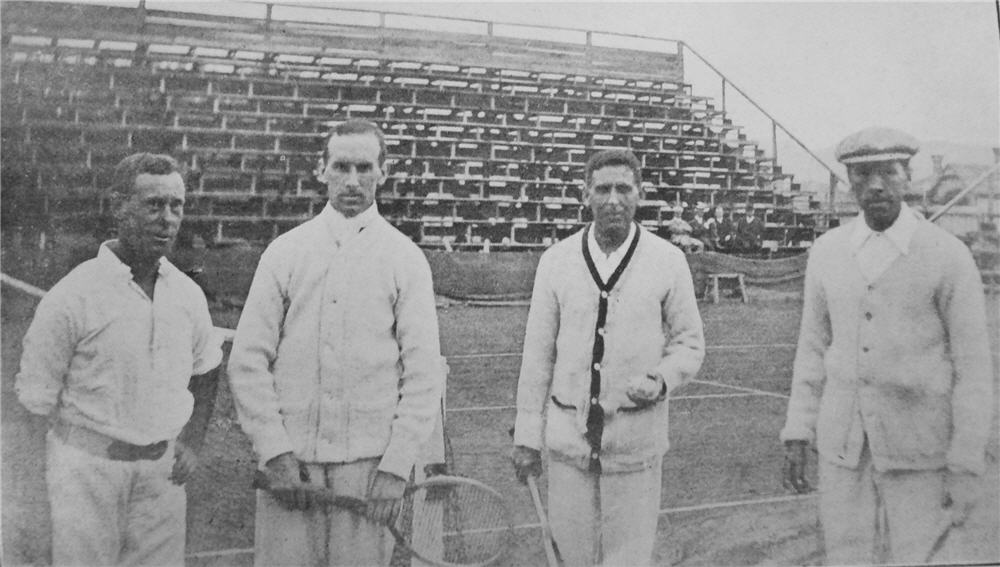
This is one of the only team shots of the 1911 team which played the USA in New Zealand. Anthony Wilding was busy in Europe and elected not to play. Left to right H.Rice, Rod Heath, Alf Dunlop & Norman Brookes.

This photo appears in the book “Lawn Tennis in Australasia” by Austral (R.Kidston)

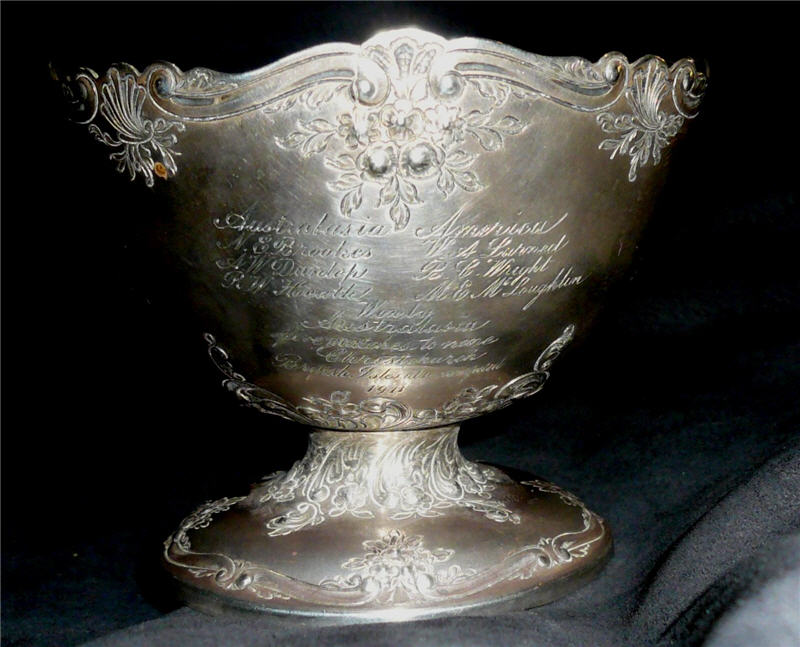
The actual Davis Cup which belongs to the Alf Dunlop family.

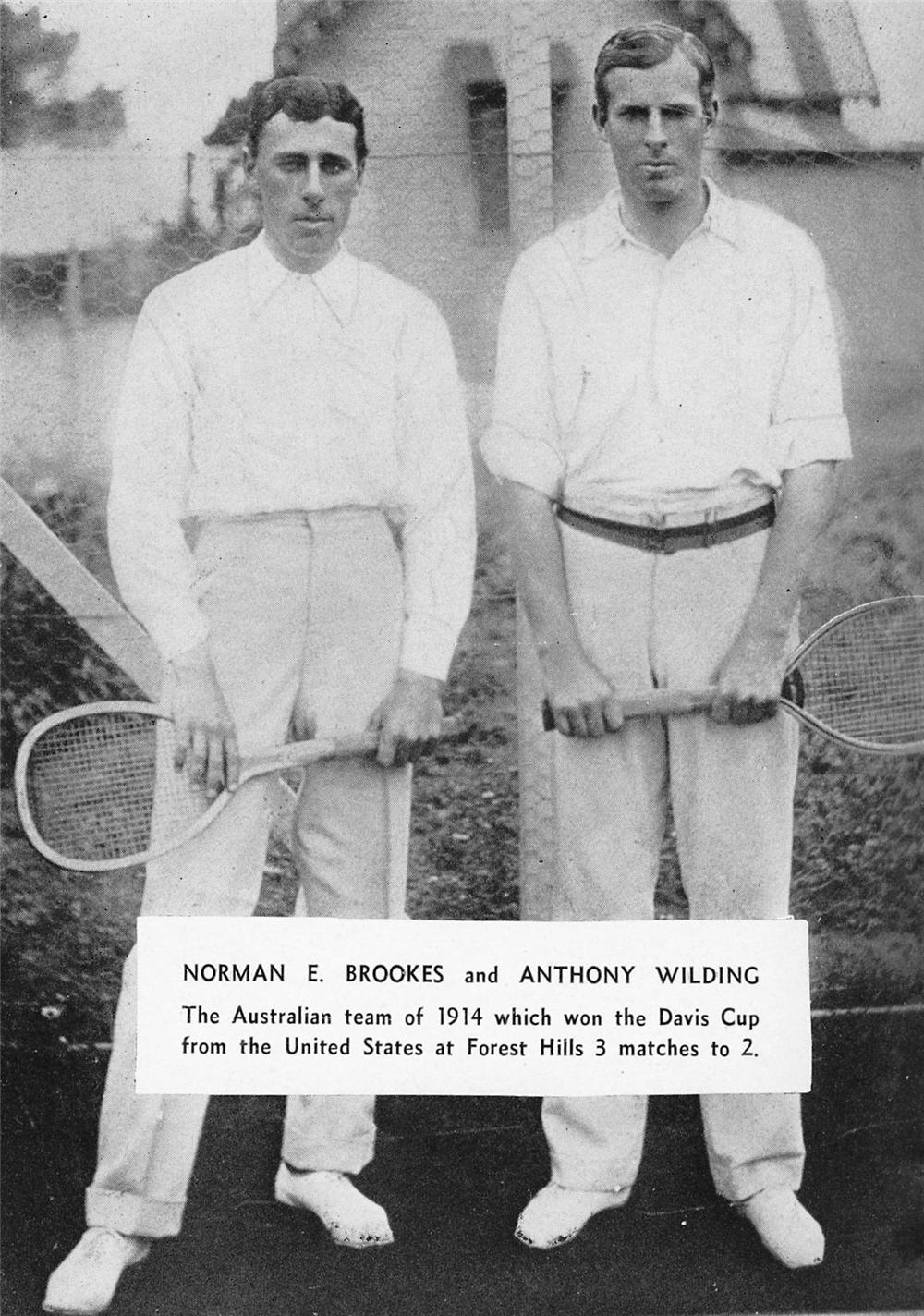
Here is a shot of the 1914 Davis Cup team,  from Len Richardson’s book about Wilding

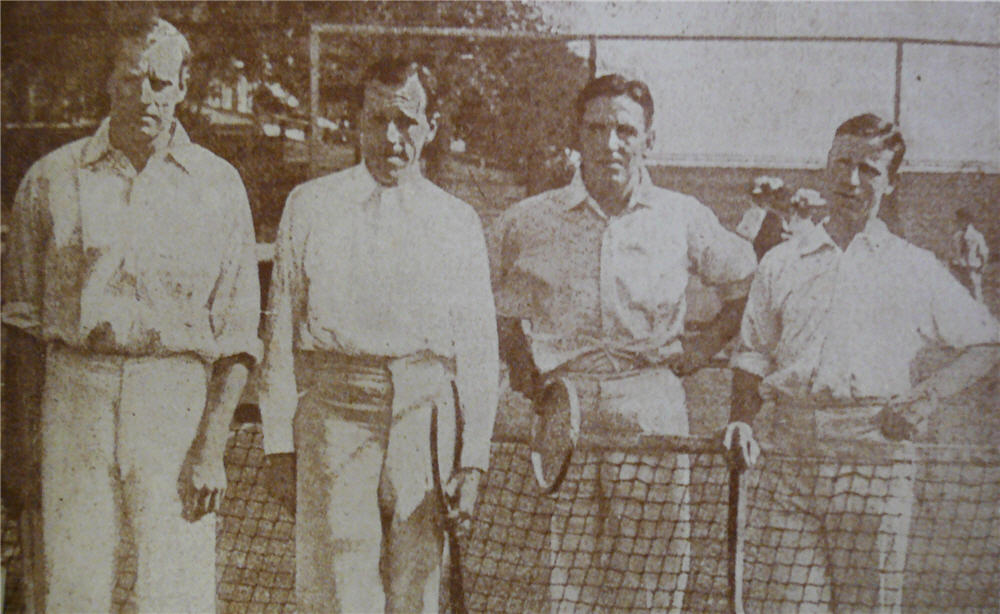
The complete 1914 Team with Alf Dunlop and Stanley Doust

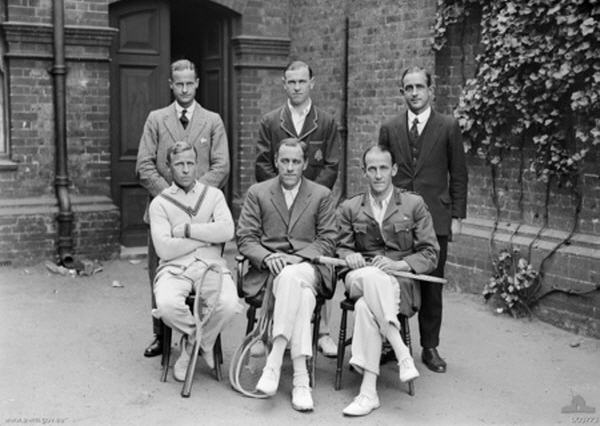
The 1919 team with fellow Australians.  Back R.V.Thomas, Gerald Patterson, Randolph Lycett, Stanley Doust, Norman Brookes and Pat O’Hara Wood Photo courtesy of Australian War Memorial ID D00773

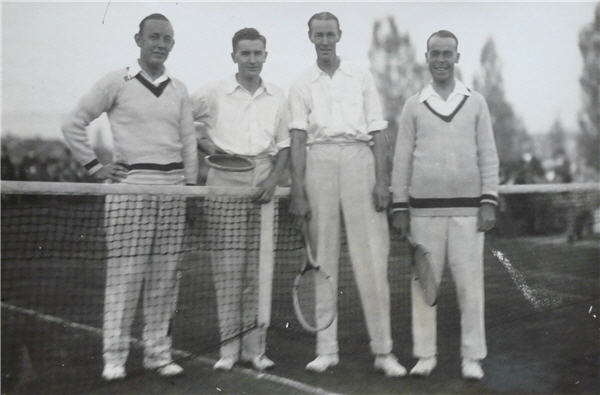
The 1923 Team with J.B.Hawkes, Ian McInnes, J.O. Anderson and R. Schlesinger

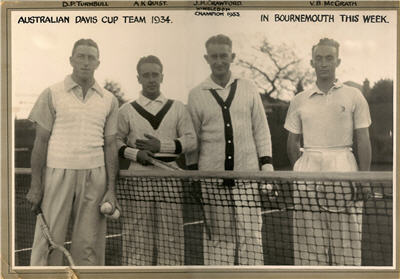
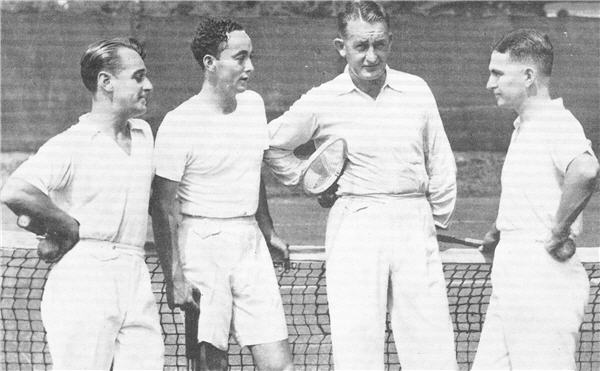
The 1934 Davis Cup Team Don Turnbull, Adrian Quist, Jack Crawford, Viv McGrath

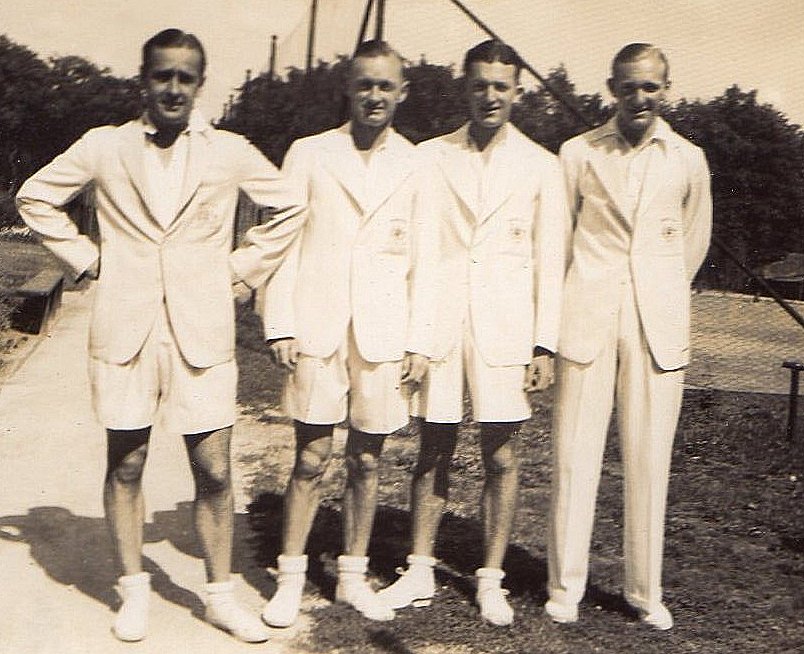
The 1938 Team Adrian Quist, Harry Hopman, Len Schwartz and John Bromwich

The 1939 Davis Cup team which won in the USA Adrian Quist, Viv McGrath, Jack Crawford and captain Cliff Sproule

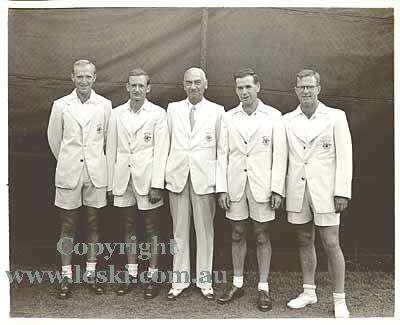
The 1946 Davis Cup team John Bromwich, Geoff Brown, Dinny Pails and Colin Long Photo courtesy of Leski Auctions.

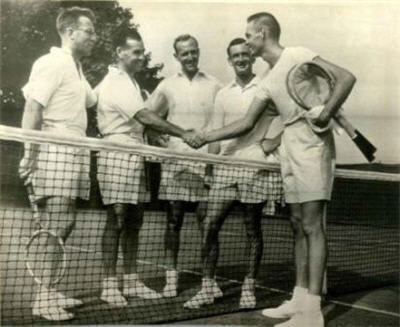
1947 Team , Colin Long, Dinny Pails, JohnBromwich and Geoff Brown

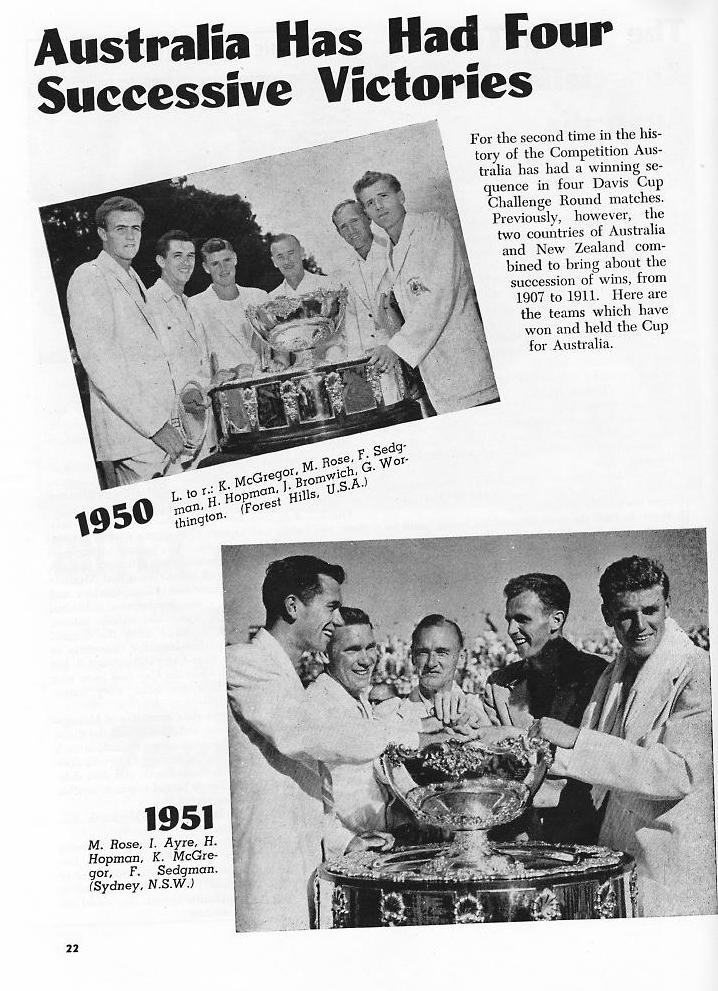
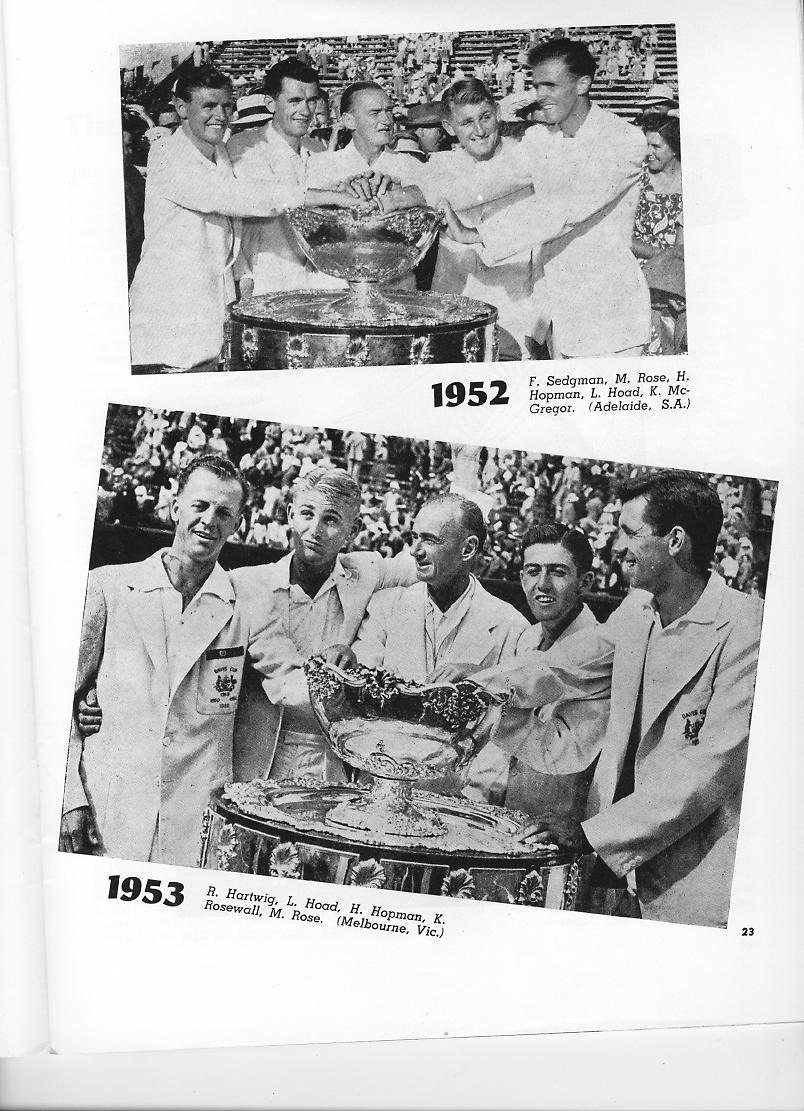
Harry Hopman and Australia were very lucky to bring on the talents of Frank Sedgman and Ken MacGregor in the 1950’s George Worthington, Ken, Frank, Harry, John Bromwich

Good fortune continued through most of the 1950’s and 1960’s

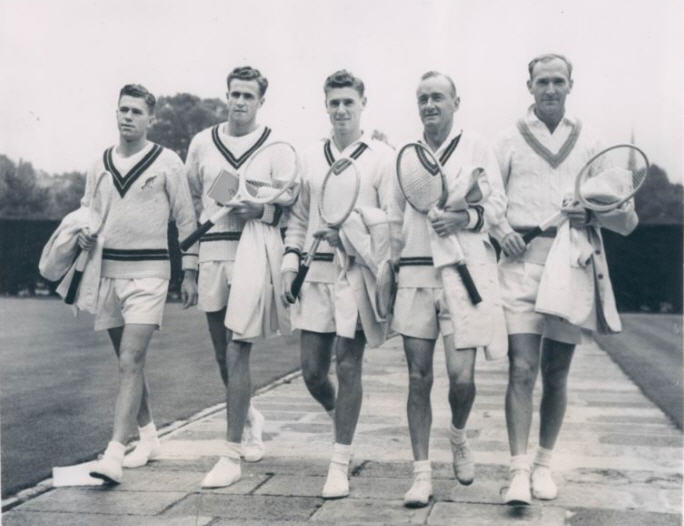
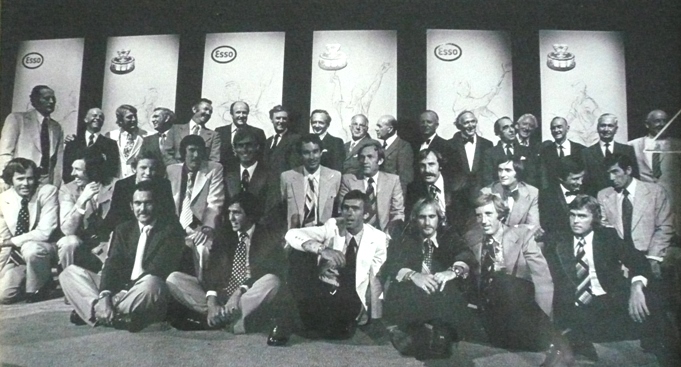
A very nice line up shot of Davis Cup players up to the 1970’s