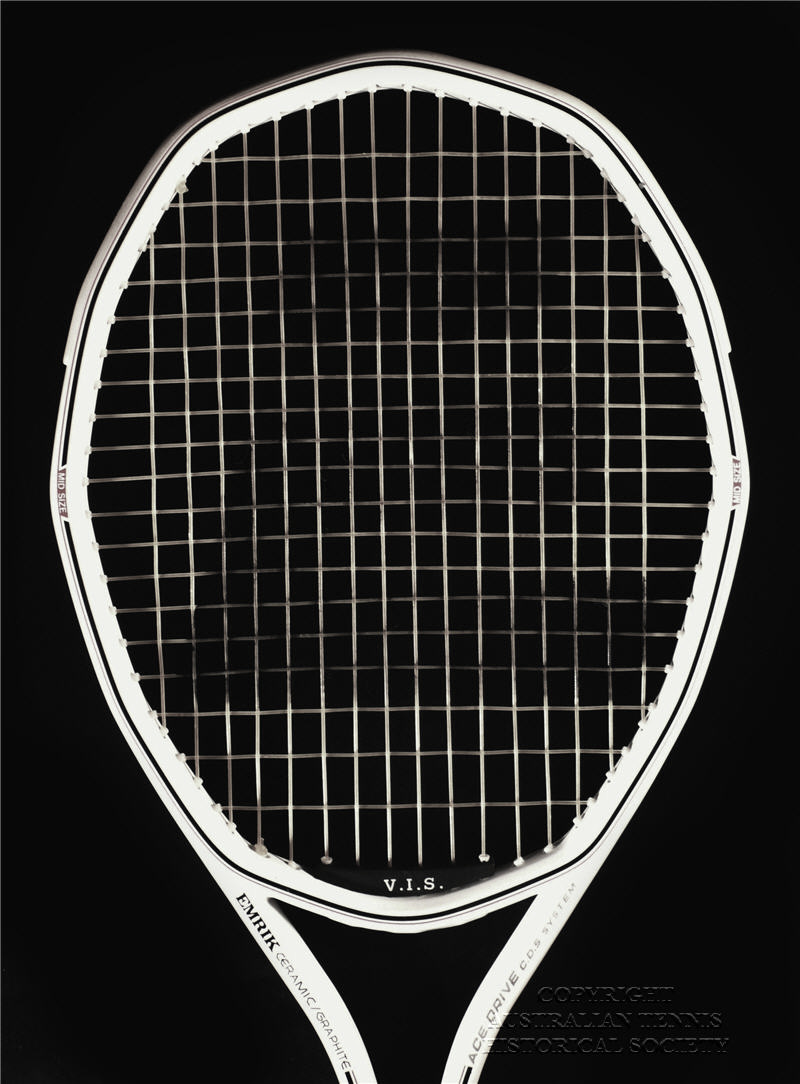
Emrik Racquets

As the transition from wood to graphite racquets took place in the late 1970’s, the established Australian Industry comprising Slazenger, Dunlop, Spalding and Oliver seemed to underestimate the potential of these new space age materials.

Metal racquets while novel were often the cause of tennis elbow and so wooden racquets got a reprieve.  The first graphite racquets were very expensive and so the wood racquets seemingly once again had another reprieve.  This was not to last long.

In Australia, in 1978, Russel Emerick Ekas had left university with an  entrepreneurial desire and while owning his own squash centre, identified a niche market in the Squash Racquets segment and commenced to import the first  EMRIK squash racquets.

Given the size of the squash market in terms of numbers of centres, Emrik forged an impressive name for itself and through running competitions such as the “EMRIK GOLD CUP” became a well regarded brand with a visibility vastly beyond the company’s actual size.

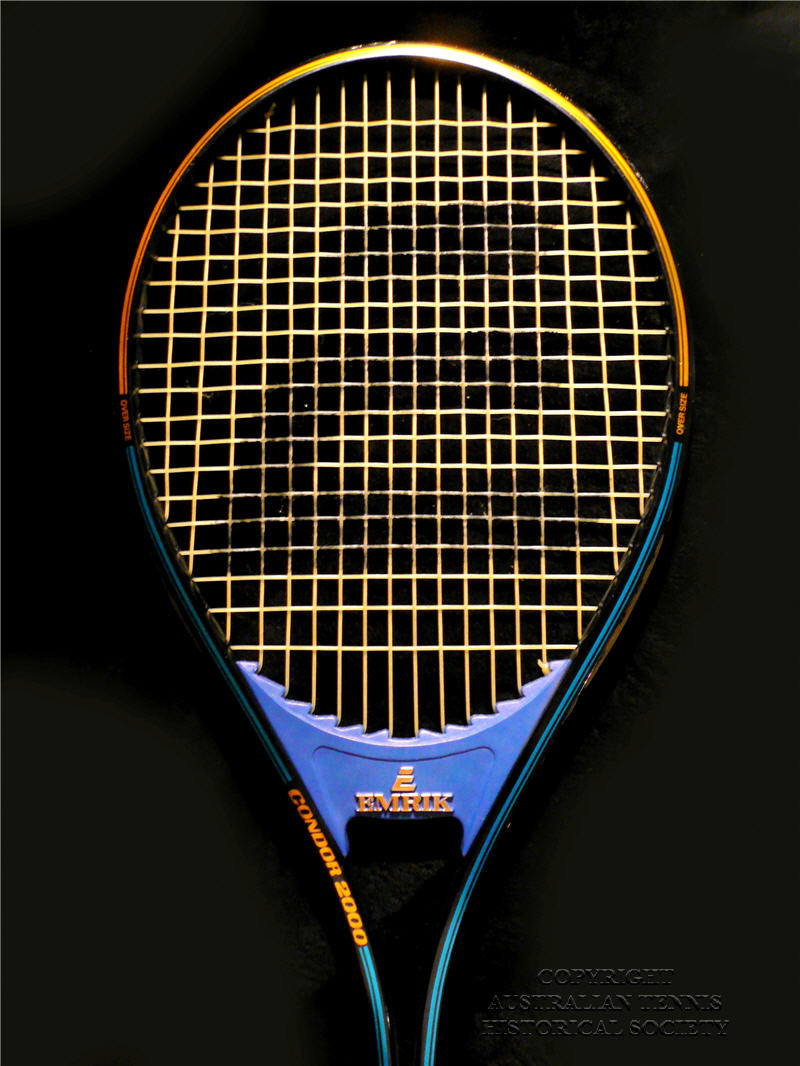
Searching for volume growth and with excellent relationships within the overseas racquet manufacturers, Emrik launched itself into the Tennis market in the early 1981. No local manufacturing was involved. All product was made in Taiwan and Russell often travelled there to oversee quality control.

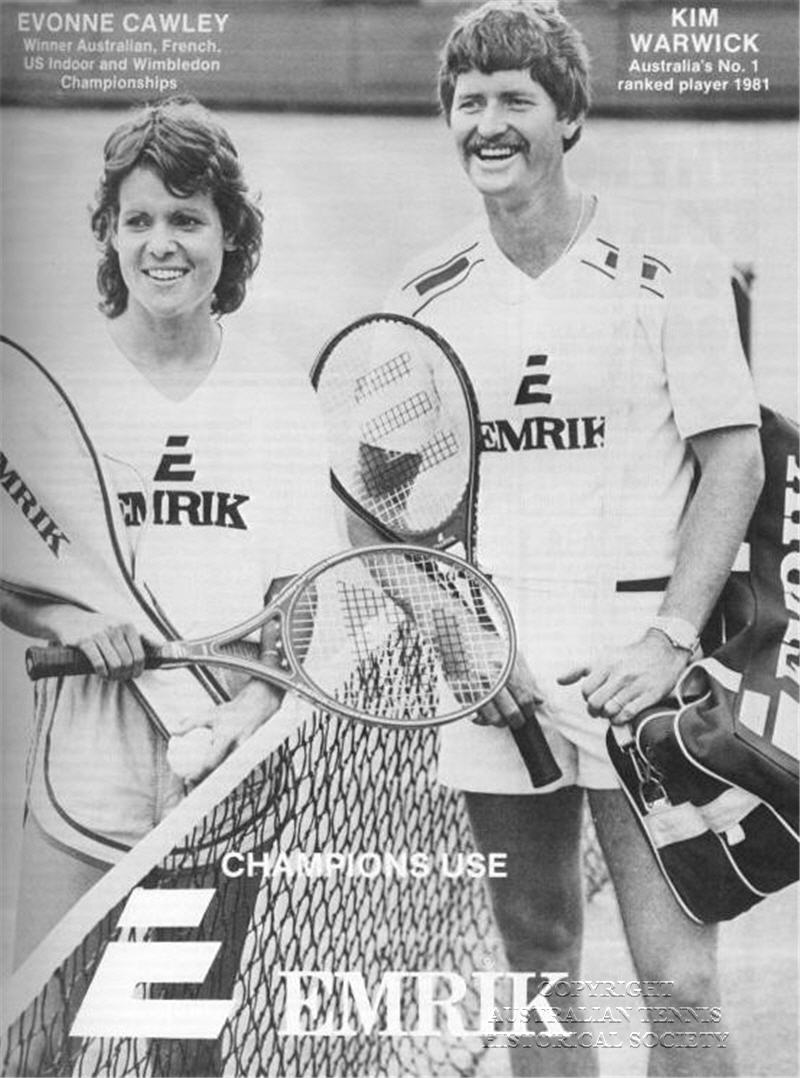
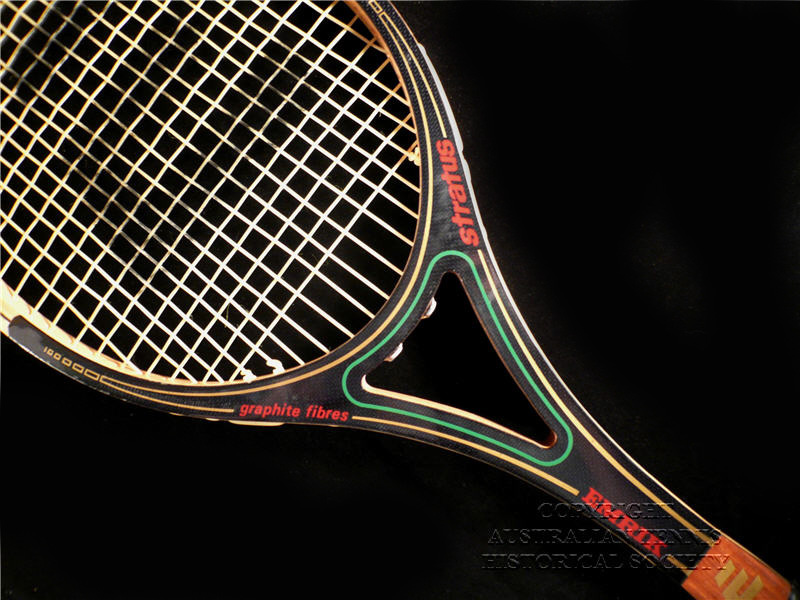
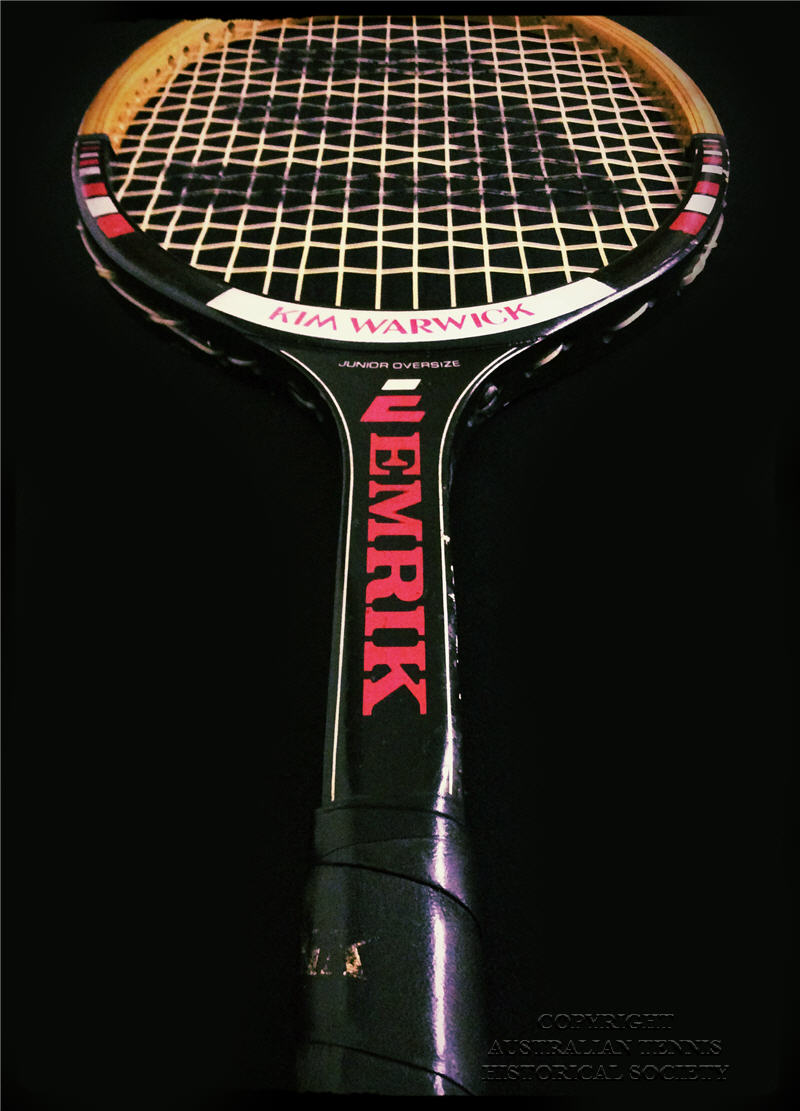
In somewhat of a marketing coup, three key Australian Tennis personalities were sponsored. Kim Warwick, Evonne Goolagong Cawley, then a new mum and aspiring junior Wally Masur.  Kim was the number one man in Australia, Evonne  won Wimbledon in 1980, creating history as being the first mother to win the tournament since the WW1 era, so signing her to the brand was great marketing and g00d timing. Evonne had played with Dunlop for over 20 years however given that Emrik was  an Australian owned company and liked their new mid size racquets she chose to move to Emrik on a five year six figure deal.  Her racquet of choice was the Stratus which was a wood, fibreglass composite. Wally, although an up and coming junior at the time, went onto play Davis Cup Tennis for Australia and also became a household name.

emrik 1982 ecg kw

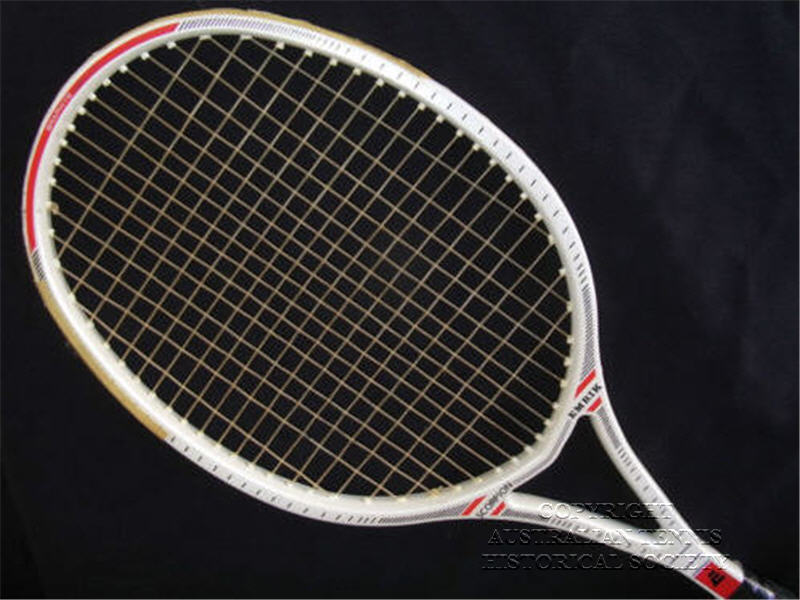
Emrik adopted an approach to build market share using a similar strategy as past companies, by establishing a core group of branded product supported by other custom lines introduced specifically for various retail groups. The company readily adopted the emerging technologies and Russell claims that Emrik was the first company to bring graphite racquets into Australia.

The main factories producing Emrik product was Kunan and Pro Kennex however other companies were used as well.

In its heyday, Emrik sold to 2000 accounts, sold over 1 million racquets and had a market share for graphite racquets of 33%.   It was effectively the market leader in this segment and they also offered wood fibreglass models.

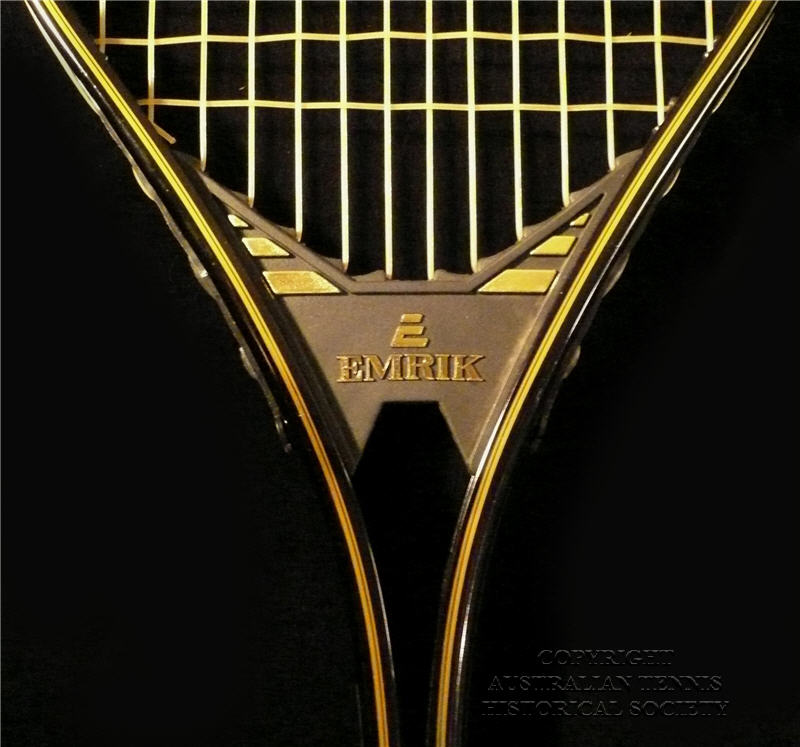
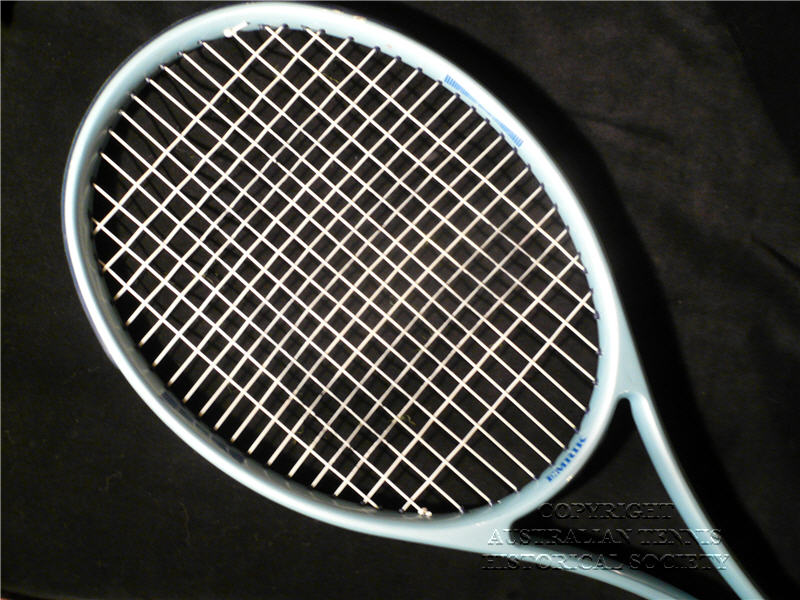
The company also continued to adopt new material technology and didn’t hesitate launching the first ceramic products and other composite graphite variants.

Over time the main brands such as Wilson, Prince and Yonex using global marketing and international player endorsements clawed back their market share and Emrik was sold to the Real Corporation in 1986-87 and as a name and product range survives today. In Canada, the APOLLO EMRIK name is marketing both squash and tennis products. Emrik also evolved back into a stable of brands which included Dunlop Slazenger and also Apollo product.

Emrik products come up in thrift shops all the time so you will find many nice examples.

Are they collectible?  The answer is yes, but not in the same way that Slazenger or Dunlop racquets of the 1950’s and 1960’s are given the connections with Australia’s leading world champions of that era.  Nevertheless, the quality of many of the models is very good and some of the designs are quite unusual.  The potential downside is the sheer number of models and the frequency you might  find them.

The real story here is that Emrik caught the big tennis companies sleeping and had a major influence within Australia du

ring the period when graphite racquets were evolving into the material of preference.

emrikpanza5

EMRIK 1

EMRIK 5

emrik kim warwick 2017 (2)

EMRIK KIM WARWICK CONDOR 2000 (3)

EMRIK VOYAGER PROFILE

Emrik Scorpion 2

emrik twin cross bar (15)

EMRIK ACE DRIVE 2

Dunlop Sports Company (a merger between Empire / Baker & MacPherson)

At some point in the early 1930’s as the giants of the industry, Alexander, Spalding and Slazenger were producing the bulk of the tennis racquets sold in Australia, small boutique firms tried to carve a niche for themselves using technology or simply producing their own limited release racquets with the usual visual design differences.

This page provides an insight into how some early makers evolved into the Dunlop Sports Company.

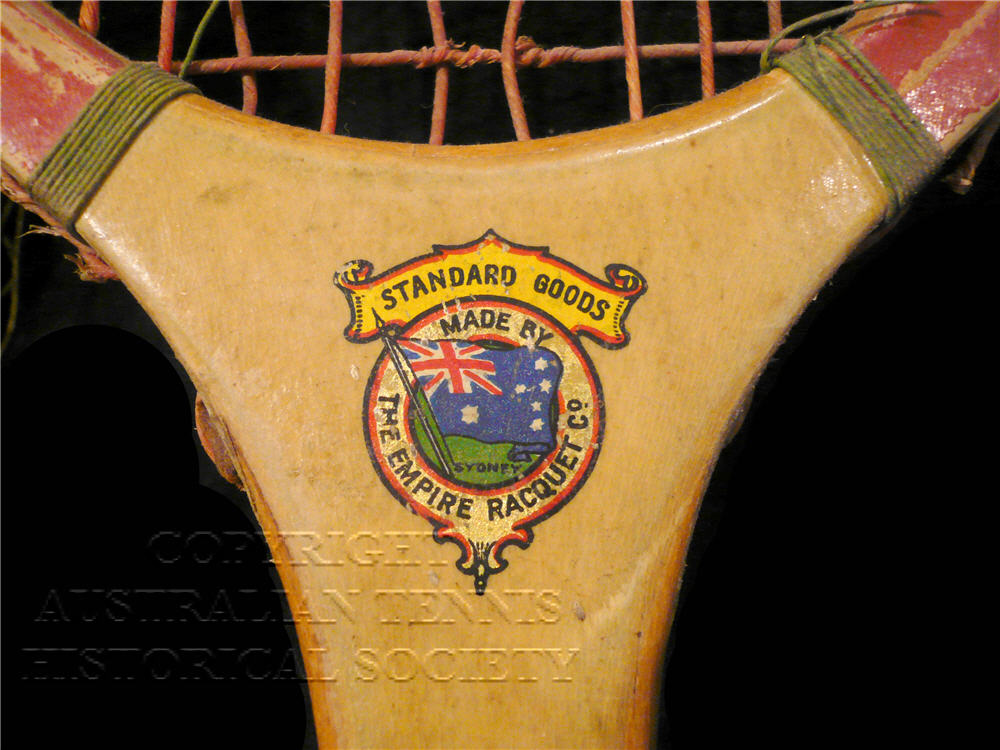
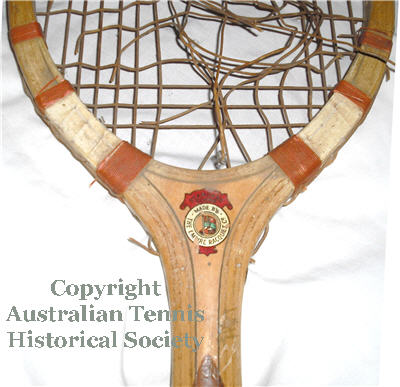
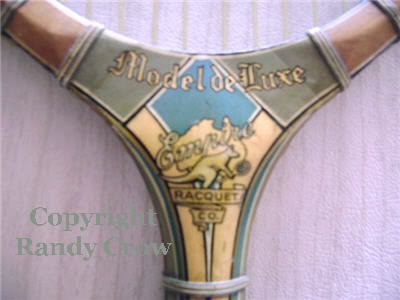
The Empire Racquet Company produced racquets from Brown St, Camperdown in Sydney.  According to Bill Sidwell (Slazenger) they would not have been producing their own frames from scratch, however raw frames may well have been sourced from other Australian makers or even those from overseas, as indeed Spalding were doing from their USA factory.

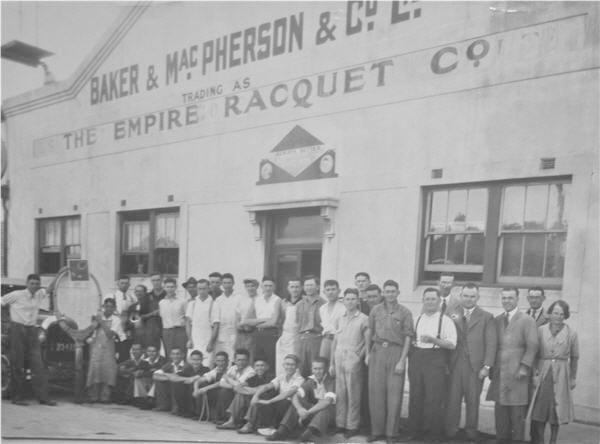
We know very little about Empire pre 1925.  From a press clipping we learn that in 1925 Baker MacPherson acquired Empire Rackets and based on the signage in the photo below, maintained the Empire branding.   The newspapers record a fire (not uncommon) occurring in December 1926 at the premises of Baker Macpherson in Camperdown causing damage to frames of some 3000 pounds so this picture below may well be of this site originally set up and retained for the manufacture of Empire racquets, as per the sign.

P1560864 P1560871 P1560876

EMPIRE TENNIS RACKET 024 EMPIRE TENNIS RACKET 025

Thanks to Mandie for supplying the photos

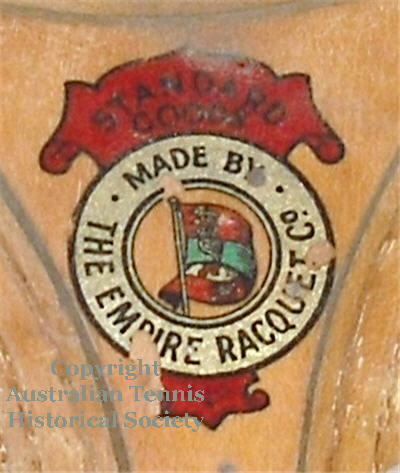
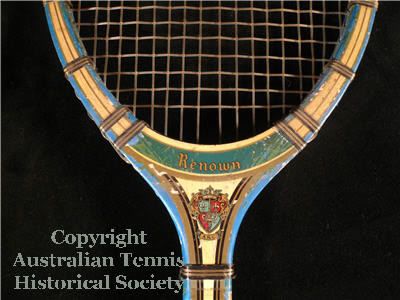
In 2011, we received these photos of what must be a very early mid 1920’s-early 1930’s racquet based on the finish and design. The model is called the “RENOWN” and it carries the statement  “Made by Empire Racquet Co” which would suggest they indeed produced racquets locally but most likely after the takeover by Baker MacPherson.

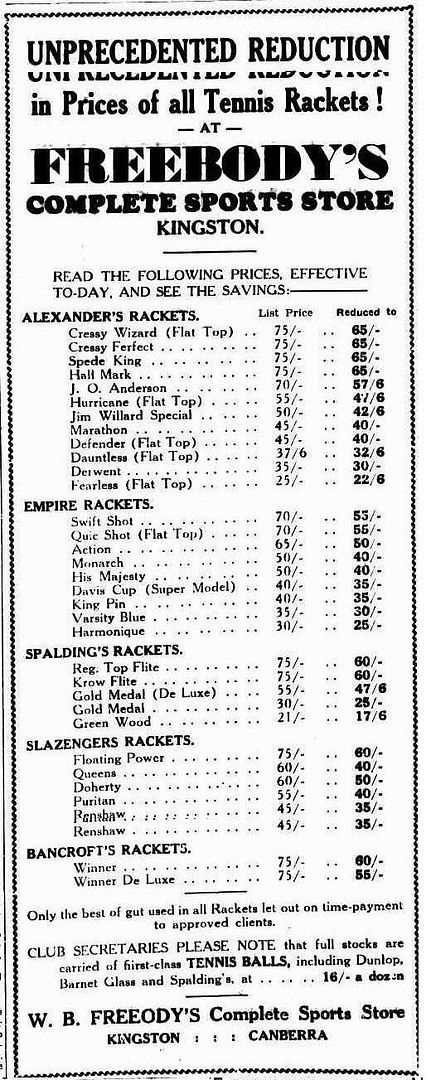
W.B. FREEBODYS CANBERRA 16 NOV 1934 EMPIRE

Baker McPherson Empire Rackets NSW

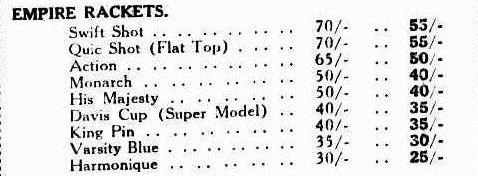
In 1931 the Empire range sold through the retail group Murdoch’s an ‘APEX’ model for 22/6 which was about half the price of quality racquets on the market at the time.    The ad below comes from a 1934 retailer called Freebody’s in Canberra, so they had a reasonable range in both oval and flat top shapes.
empire swift shot dunlop dura plas 3


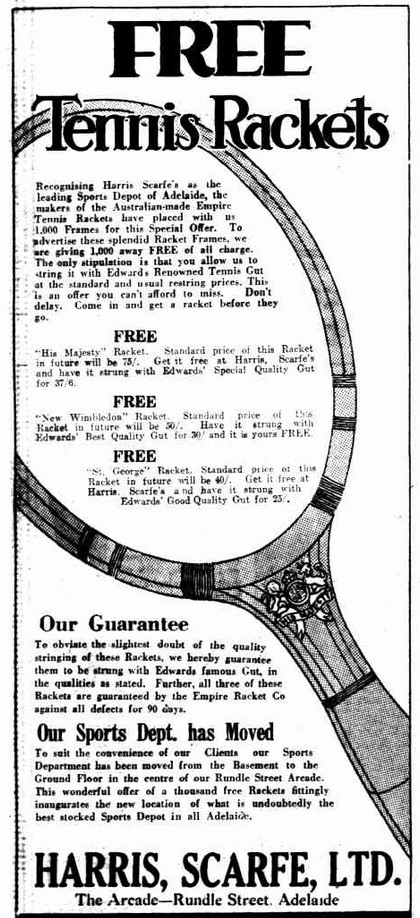
In further efforts to expand their distribution they even worked with retailers to offer FREE racquet frames for the price of stringing only. The offer with one retailer included 200 FREE RACQUETS. Certainly fierce competition.

In 1932, they experienced another fire which destroyed stocks and two of the three floors. Fires in these factories were notoriously fierce due to the oils, resins and lacquers used in production. As a result an auction was conducted on the 22nd August offering 1500-200o tennis racquet frames in various states of completion and Vigoro bats plus other components.

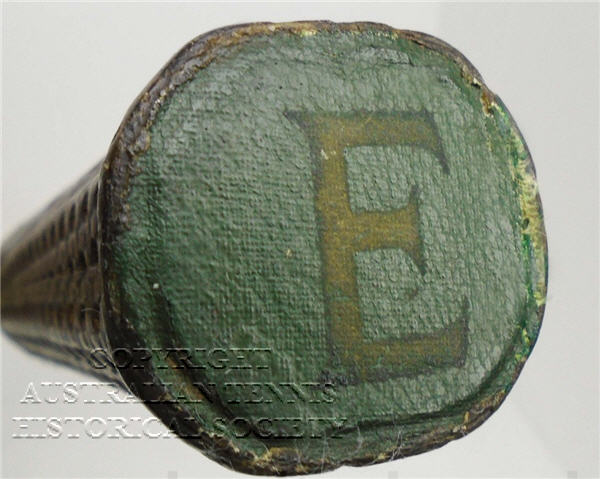
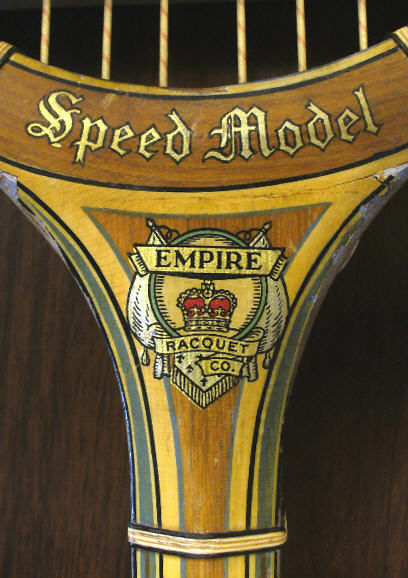
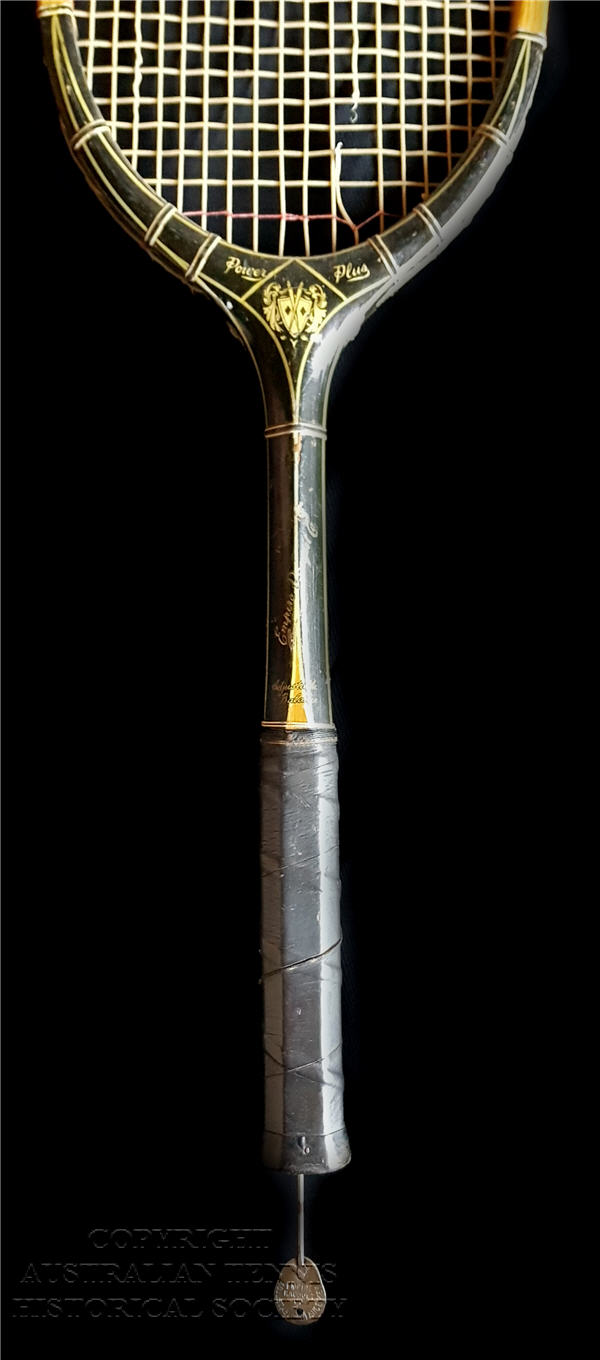
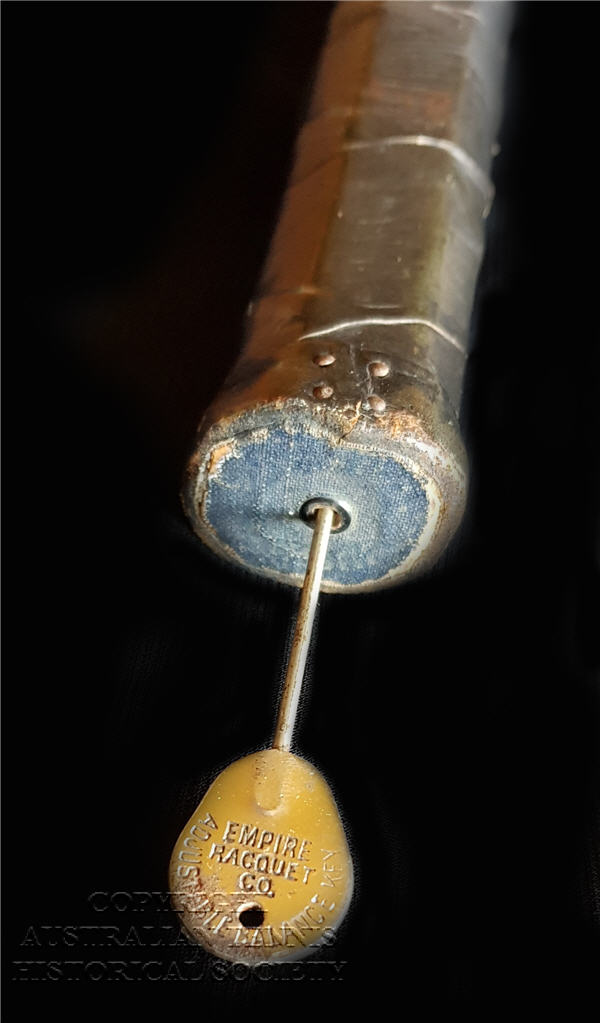
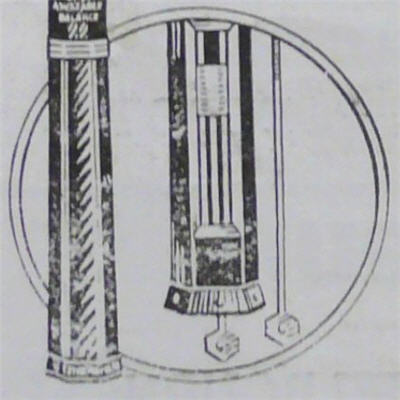
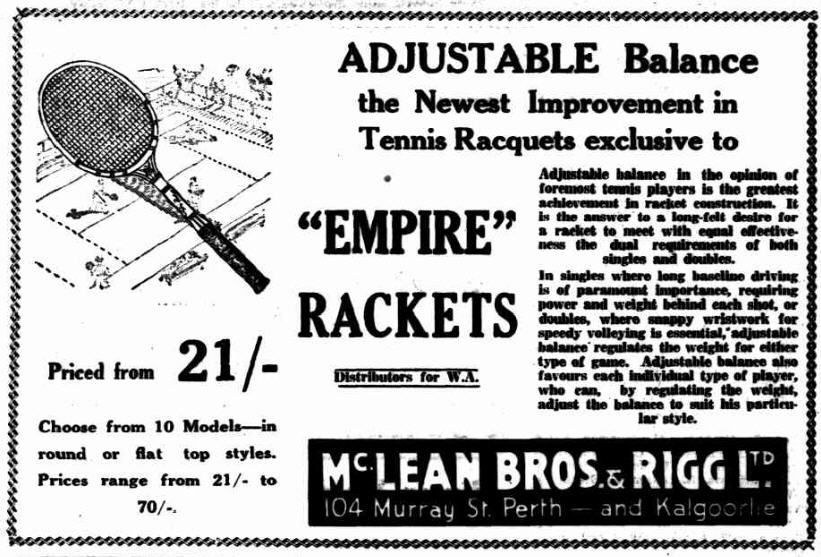
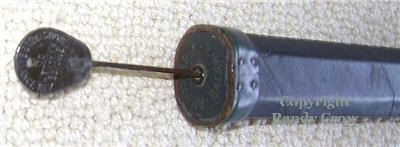
Around the mid 30’s the company developed some new racquet technology based around adjusting the balance of a racquet using a mechanical winding device in the handle. These racquets are very scarce and highly collectable.

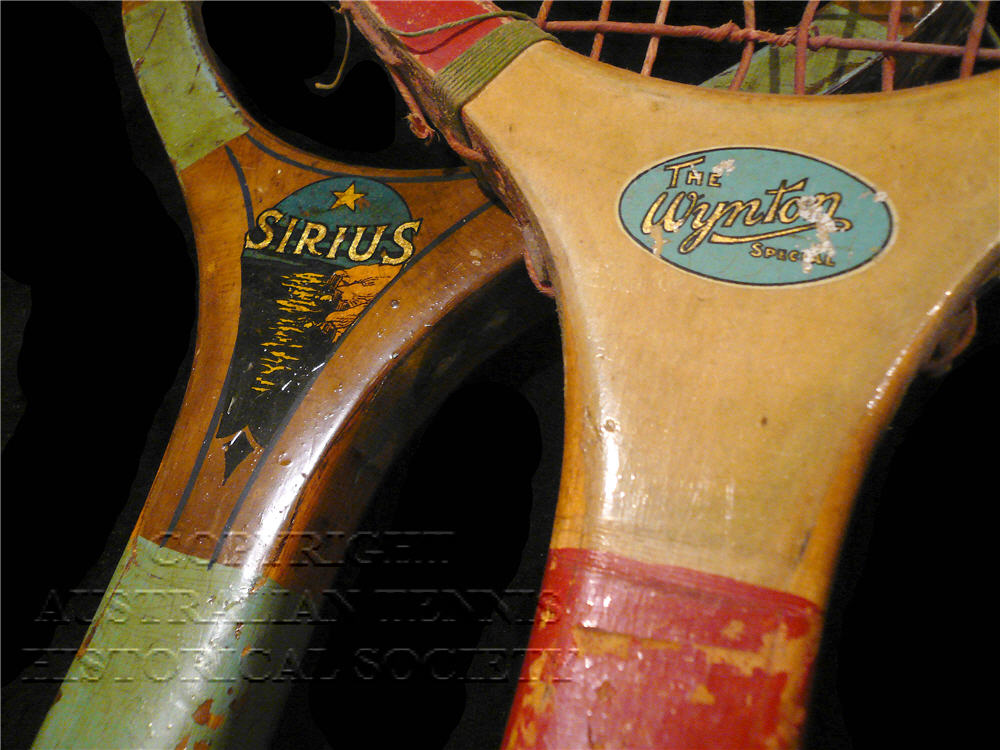
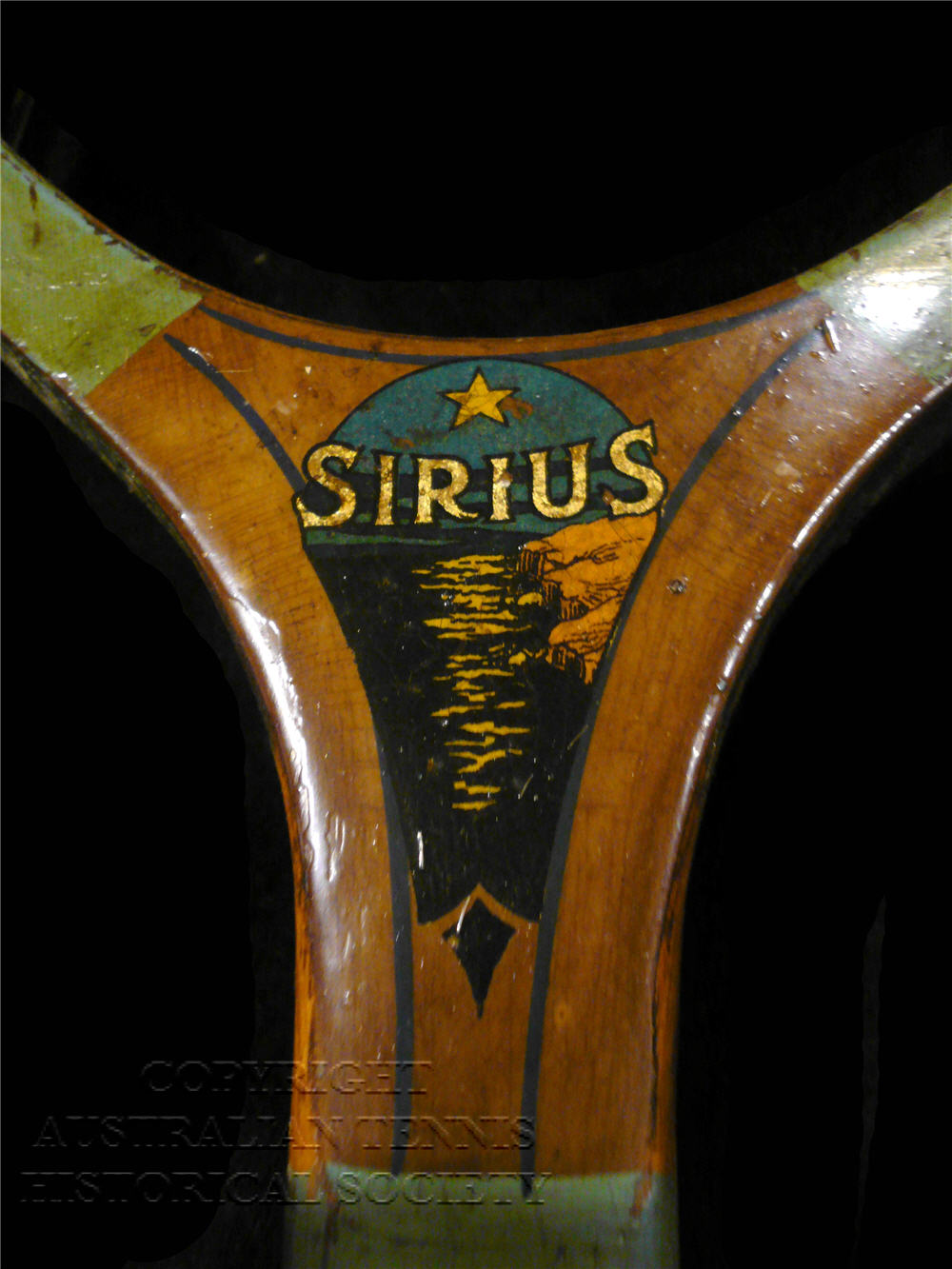
In addition to Empire branded products, retail ads appearing in 1934- 1939 are offering Baker Macpherson racquets of varying models, but it is not clear if they were promoting the manufacturer or the brand, so it is possible that a BM branded racquet may appear with models such as Craftsman, Sirius:  TruBlue & Telopea: Varsity Blue (also Empire model)  His Majesty & Monarch (all 1934).


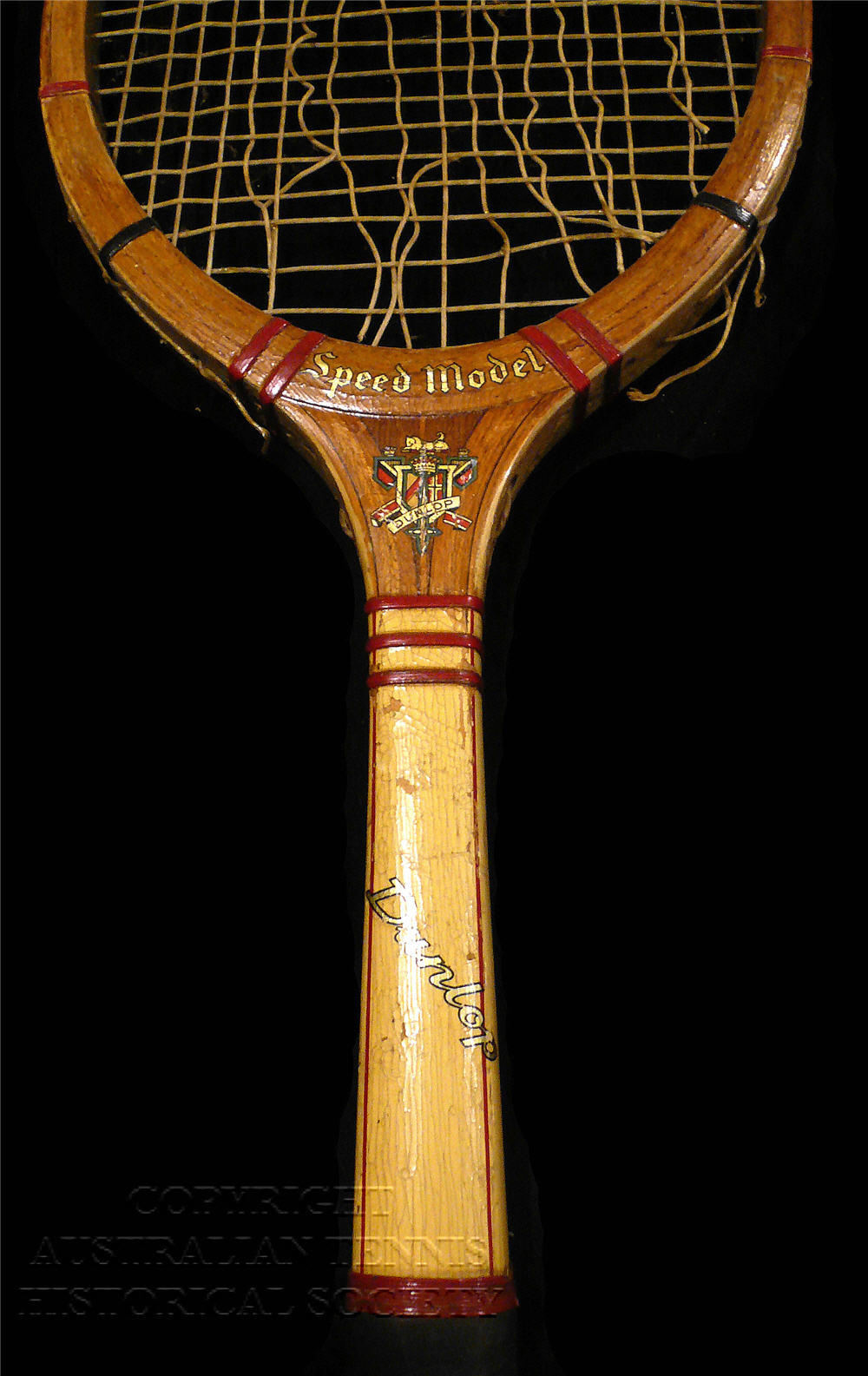
EMPIRE ADJ SPEED MODEL 1

The first thing to notice about this frame is that the hexagonal shape above the throat was a feature of English and French racquets.


empire adjustable balance modelempire adjustable balance model key


And, below a close up of the key in the handle with an illustration of the weight movement technique via a series of rods built into the handle.


Empire Adjustable Ad close up


The full ad below

FREE EMPIRE TENNIS RACQUETS 16th Oct 1930

1937 Empire Adjustable RangeFrom May 1937 Ad in West Australian paper Geraldton Guardian & Express

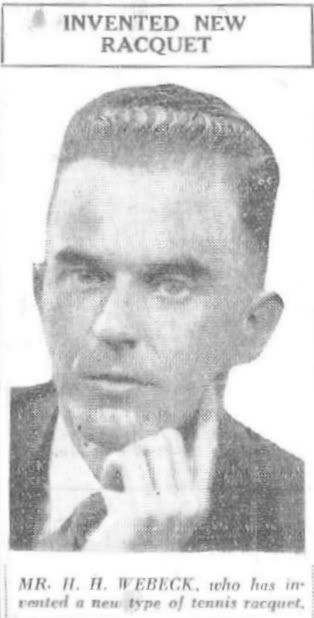
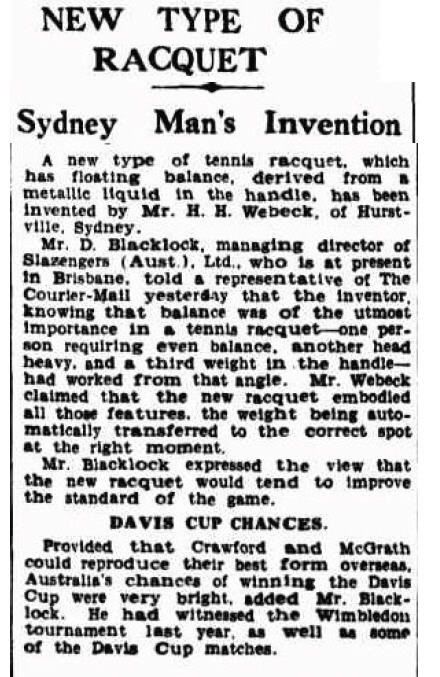
Please see the article under Australian racquets which introduces another weight adjustment invention by local inventor, Harry Webeck.  Slazenger purchased the rights and launched this racquet, perhaps to compete against the Empire innovation.

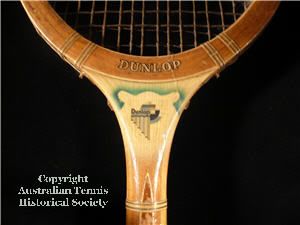
Dunlop in Australia in the mid 1930’s already had a number of Divisions manufacturing tyres and began to expand operations in the locally produced sporting field, owning Bentleys gut stringing and then in 1937, acquired Baker MacPherson in order to produce tennis racquets.

Adrian Quist at aged 24, was appointed a Director of the new Dunlop Sports Company in 1937 which had  a capital value of 100,000 pounds and he moved from South Australia to Melbourne.  Fellow directors included Wallace Bartlett, Henry MacKirdy and Albert Alfred MacPherson (of Baker MacPherson) who presumably sold Empire into the new Dunlop venture in a share swap arrangement.

As Australia’s Number one men’s player during this period Adrian was a logical choice in so far as attracting media attention for the new venture. Also in 1937 Dunlop Sports Co. signed on Nancye Bolton onto the staff although no mention of her role was identified. Neville Quist, brother of Adrian and Max Newcombe were also “employed” giving exhibition matches sponsored by the company. Adrian and Nancye also played together in major titles no doubt as added publicity. A massive fight existed to lure players into our local companies because they would travel the country playing exhibition matches under sponsorship from the manufacturers.

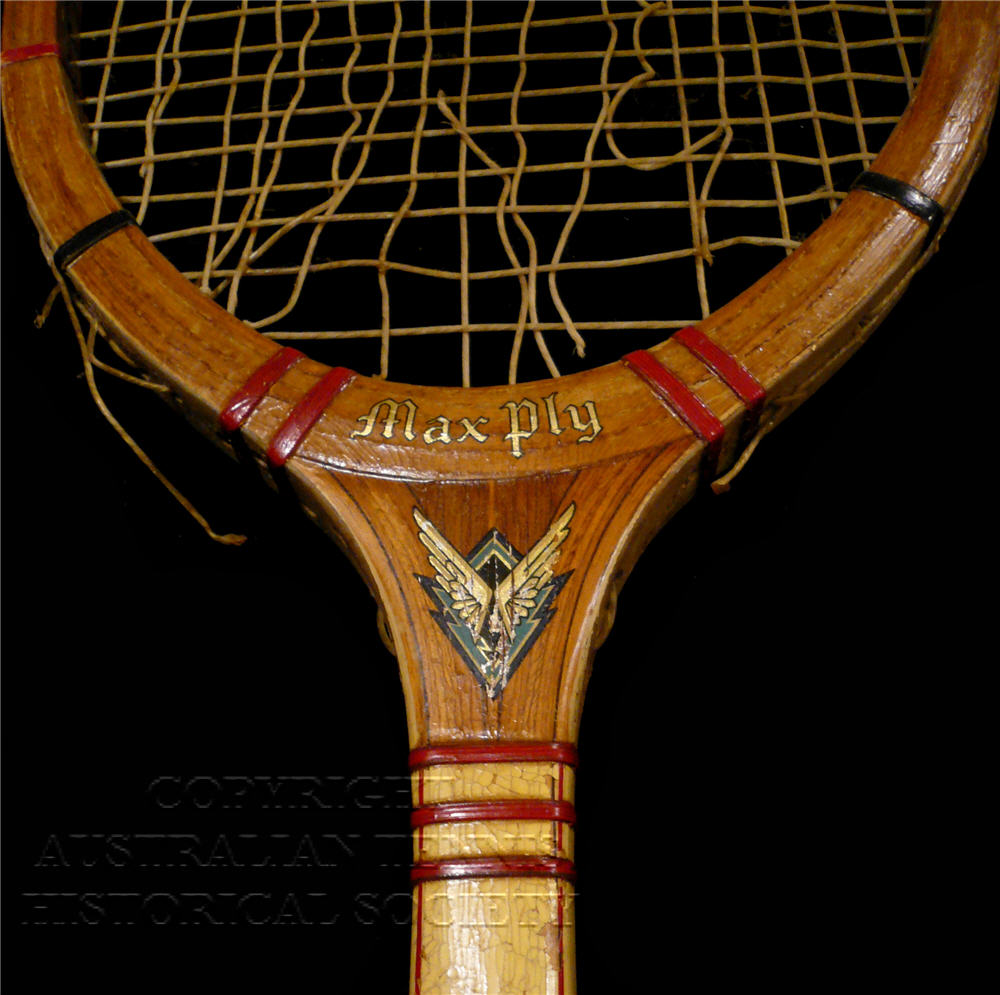
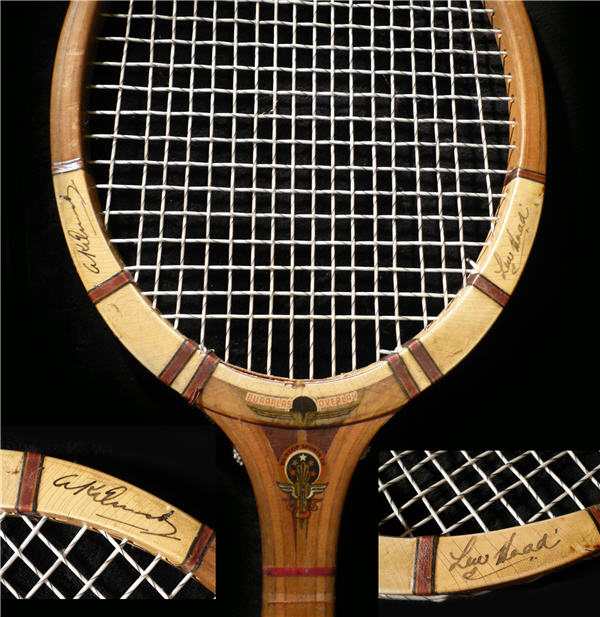
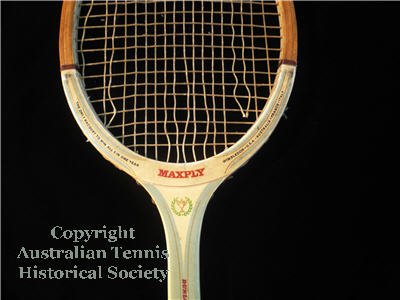
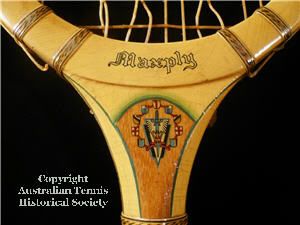
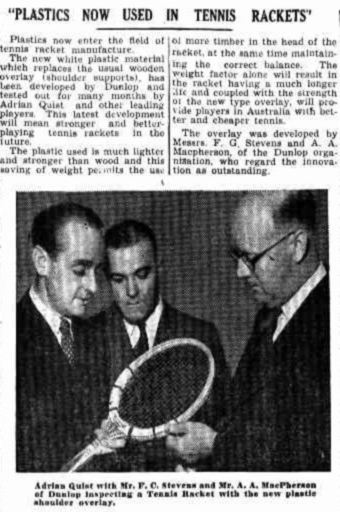
The Dunlop Maxply racquets seem to have been made here in Australia during this late 1930’s and up to the late 1940’s although the company never added made in Australia to their products.  In 1946 the plastic shoulder overlay called DURAPLAS was invented by two Australians, F.G. Stevens and A.A.Macpherson and this development with the statement “ten times stronger than wood” came to be a leading differential with other racquets of the era and given this many of these “duraplas overlay” racquets were being made locally.  These


In 1940, Adrian moved to Sydney taking on the role of NSW  Manager.


P1560895

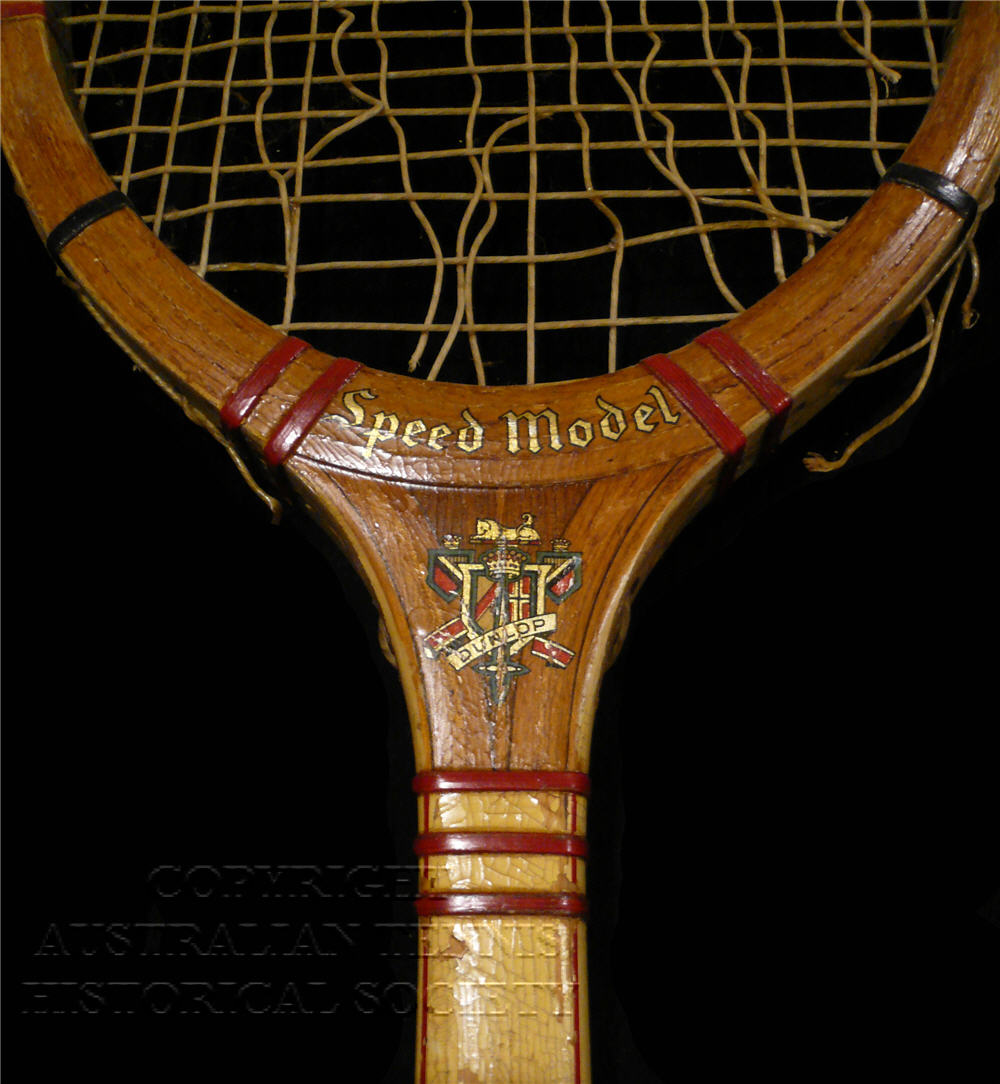
Possibly the first ever variation of the Maxply designed for the Australian market in 1936 as the Speed Model. An ad was found for this edition but it appears to have evolved quickly into other incarnations such as the Australian Model

P1560888 P1560897

DURAPLAS OVERLAY 1946 WITH ARTICLE

dunlop models 2017 (34)

dunlop maxply signed hoad quist USE

RACQUETS_FULL_DUNLOP_OZMODEL

dunlop frank sedgman personal model (9)

dunlop frank sedgman (5)

dunlop gussie moran (35)

dunlop gussie moran blue 7

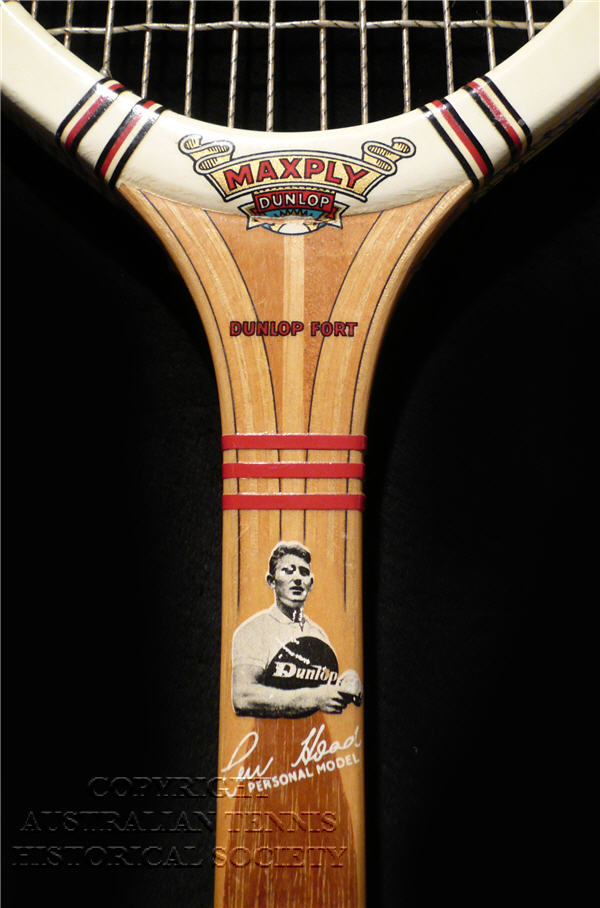
dunlop maxply lew hoad half body

DUNLOP LEW HOAD aaa

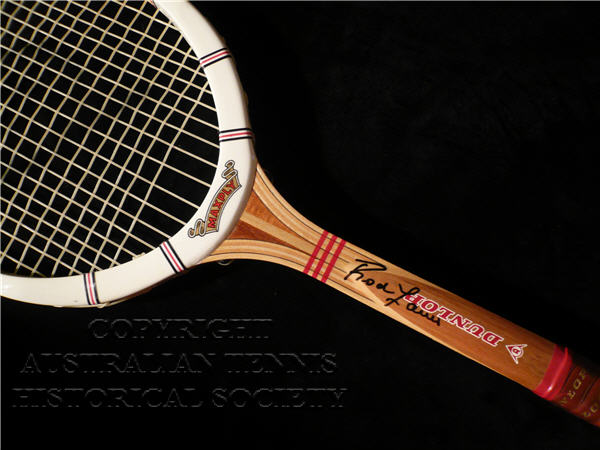
DUNLOP MAXPLY SIGNED ROD LAVER 2020 (8)

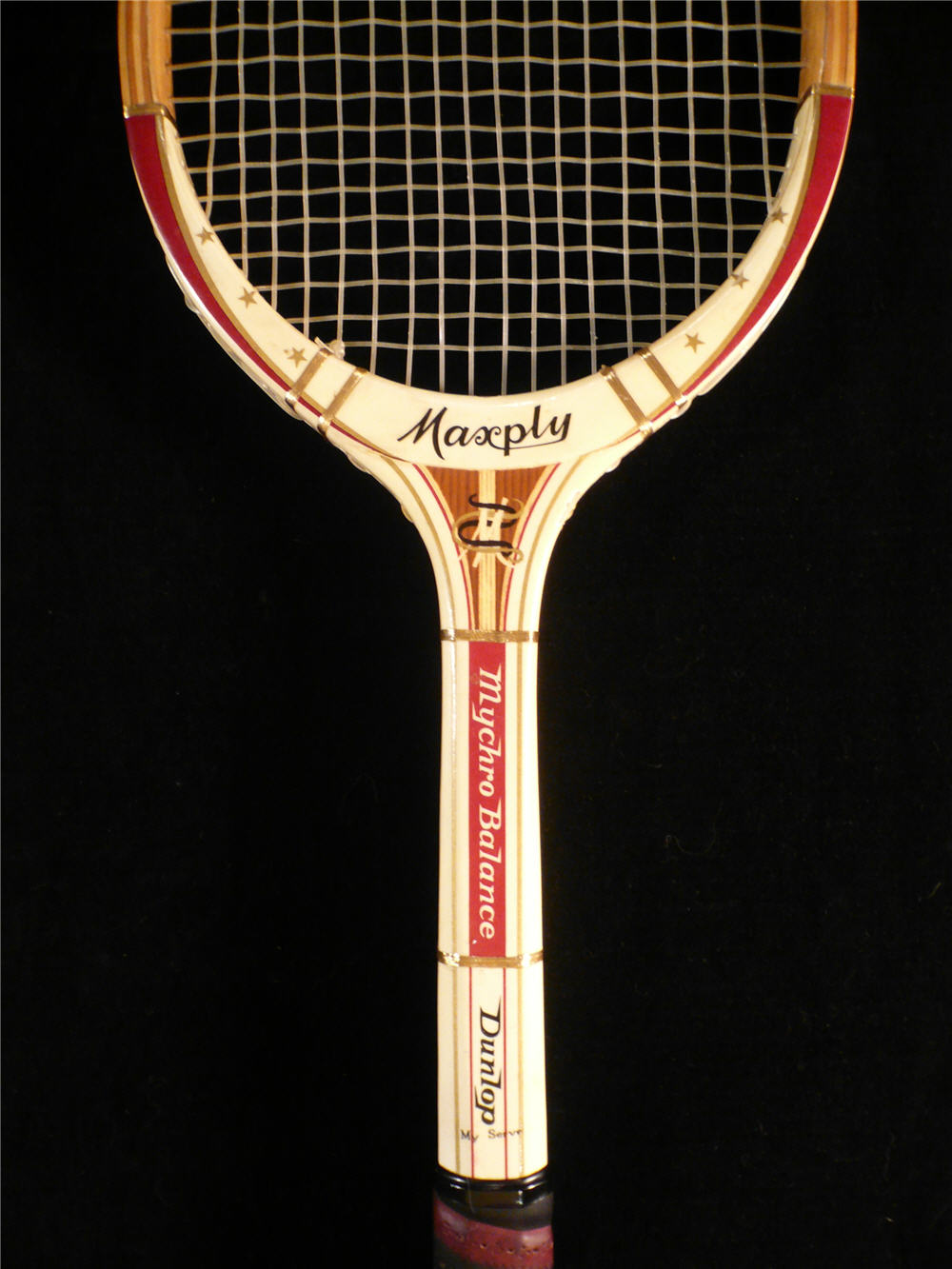
dunlop maxply (13)

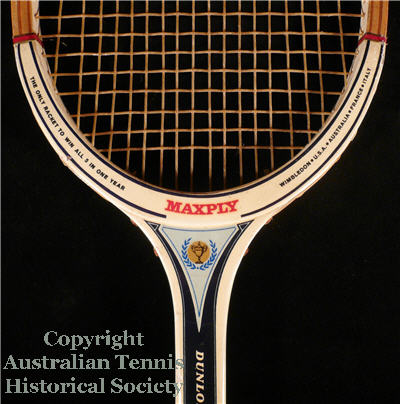
dunlop Maxply 1962

DUNLOP 1962 ROD LAVER PIC (19)

DUNLOP MAXPLY BR 1

DUNLOP EVONNE GOOLAGONG

Slazenger

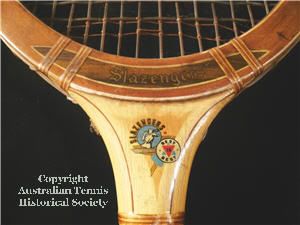
The history of Slazenger is indeed a prestigious one for its close involvement with the development of the game, the growth of  the major championships and links to the games champion players.

Slazenger UK began promoting sporting goods in the mid 1880’s adding a range of tennis, cricket and football equipment to their already successful military clothing business.

The Slazenger boxed tennis sets as per the “Wingfield” design were an immediate success given the growth of the sport around the country and joined leading UK competitors Grays, Ayres, Sykes and Gradidge in supplying tennis equipment into Australia. In fact, the owner of Slazengers, Captain Ralph Slazenger visited Australia in 1889 presumably to help establish distribution channels for their extensive range.  He appointed PAIN & TAYLOR in Sydney as their sole agents.
RACQUETS_SLAZ_BLACKEAGLE4

Marketing was alive and well very early in the piece and manufacturers tied themselves to key players and promoted this by producing models with player names. The first two major Slazenger brands were the “Demon” and the “Renshaw” which was named after William Renshaw who won Wimbledon for 6 years straight from 1881 -1886 and again in 1889.  With brother Ernest, the Renshaws put tennis on the map as a spectator sport in the UK and set the standards for other players to aspire to. The “Demon”, pictured on the left, was very popular and this fishtail version is very collectible as are others made under the supervision of master craftsman E.G.Meers with EGM incorporated within the branding.

Slazenger tennis balls commenced production at the Woolwich factory in 1877 but did not replace the Ayres tennis ball which was the official tennis ball at Wimbledon until 1902. Slazenger tennis balls have now been involved with Wimbledon for over 100 years.

After the Renshaws, competitive tennis moved internationally and Slazenger again sponsored two magnificent UK players in Reginald and Laurence Doherty with the named racquets, “The Doherty”. Laurence was the first overseas player to win the US Championships in 1903.

Along with many other English makers, Slazenger started exporting sporting goods to Australia and in the early 1900’s included some local brands called “Colonial” and Kangaroo” into their range. Maybe the photo under Australian racquets picturing a kangaroo is a Slazenger, but there are no identifiable markings to confirm this. In the 1920’s tennis in Australia was booming and local manufacture of tennis equipment was growing quickly not only with homegrown companies such as Chesterfield, Brewers and Alexanders but also with US giant Spalding who commenced production in 1925.
RACQUETS_SLAZ_BLACKEAGLE

Slazenger decided to open an Australian factory to make racquets in November 1928 in Surry Hills, Sydney. The factory was opened by a Mr F.J. Tatro who arrived from Canada especially for the occasion. In 1930 they added cricket bat production and struck tragedy in May 1932 when a fire started in the ducoing room destroying thousands of racquets. Luckily machinery and papers were saved. In June, MD H.J.Parker must have run into some political storm with the NSW Government for he is quoted in the press as threatening to move the factory to Melbourne if the Lang Government were returned to power. In 1938, a new factory at Bowden Street, Alexandria became the primary manufacturing site for many years but was all but destroyed by the massive hail storm in the late 1990’s which caved the roof in under the massive weight of the hail stones.

Originally, the firm was owned by the  UK Slazenger owners at the time, the McMaster Brothers who sold the business for a short while to the c1935 Managing Director David Blacklock and partner E.S.Wolverton.  They eventually, sold the business back to Slazenger and a factory was also set up in New Zealand which survived from the 1950’s to early 1980’s producing its own designs.

Researching retail ads throughout the 1930’s and 1940’s competition was pretty fierce.  Alexanders were very dominant and had Jack Crawford (1933 Wimbledon winner) as their endorsed player. But slowly, over this period the retail industry saw a huge reduction in imported tennis goods as the Australian industry proved it could turn out racquets of a high quality.This is not meant to say that importing was eliminated for companies could import designs from overseas as required. Dunlop were importing all of their stock and some of the UK Slazenger range, such as Fred Perry branded racquets were imported also.

The battle for market share, relied on four key platforms, product quality/ innovation,player endorsement, junior tennis and who had the most cash. Throughout the war, Slazenger produced a variety of non sporting items for the defence forces and as such became extremely well cashed up.  This permitted them to undertake a variety of promotional projects on behalf of tennis associations such as the management of ticket sales to key events like the Davis Cup and even funding the construction of the massive temporary stands that were erected at White City and Kooyong to support the incredible demand for tickets.

In the 1930’s an Australian inventor, Harry Webeck came up with the idea of inserting mercury into a racquet handle so at the time of impact the weight of the racquet was enhanced behind  the flight of the ball.  Blacklock signed the deal, as much to keep the idea out of competitor hands. The product range was sub branded “Floating Power” and the key brands with this feature also included the DYNAMIC and the GYROFLOW. Recent discoveries show this invention was previously tried and marketed in a tennis racquet made in the UK in 1889. The racquet was called aptly, “The Mercury”.

slaz floating power 2

Many players were employed by sporting goods companies as a way of assisting them to earn wages while questionably allowing them to retain amateur status to play in the tournaments.  It was a fine line, because coaching was considered as being professional and many players left the amateur ranks to play professional tennis.  Other countries not enjoying a local sporting manufacturing industry were at a disadvantage so this practice was often scrutinised by overseas tennis associations.

The big advantage for the tennis players was that by working for the sporting goods companies, they were able to play in exhibition matches around the country as part of so called “product promotions” while keeping their match fitness to peak levels for the major competitions.

Bill Sidwell, Australian Davis Cup player started at Slazenger in 1935 and has been a tremendous source of information for these early days.

A key sales development activity was to visit houses which had tennis courts and they would simply drop in a few sample tennis balls and promote racquets as well.  Bill recalls that in Sydney in the well off suburbs nearly every second house had a tennis court.

Such was the competition that visiting tennis players arriving by ship were often sought out on embarkation for racquet endorsement deals while they played in Australia. One story we heard was that certain company reps managed to get onto a pilot boat, or such other, to meet a ship prior to docking so that all the players they had targeted were stitched up before the other companies had a chance.

The policy of targeting youngsters paid off also, particularly in the 1950’s for it was the era of Rosewall and others who came into the Davis Cup teams endorsing Slazenger from their very young days that helped keep Slazenger’s high public profile.   Many such as John Newcombe were sponsored by Slazenger so that the players could fund trips to local and overseas events with the hope of becoming a good player.  There were no other formal development programs for youngsters back then and so the manufacturers were investing in juniors for the good of the game and with eye on potential long term marketing.

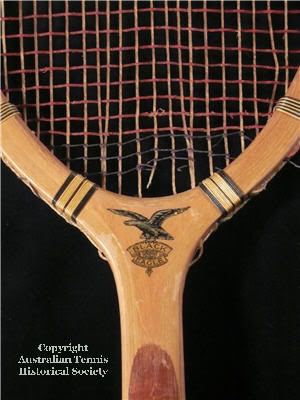
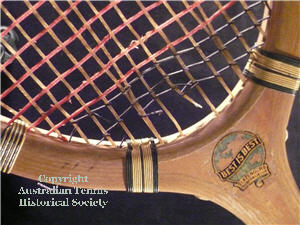
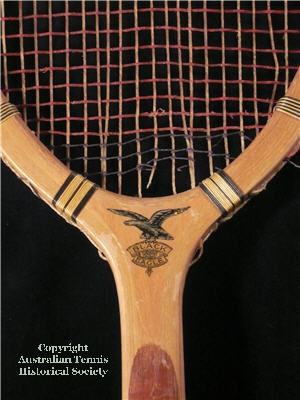
Slazenger 1937 AdOne of the earliest racquets we have from Slazenger Australia is very nice wood handled model called the Black Eagle (pictured) which has the famous “Best is Best” logo and Australia Limited on a decal.

Prior to local production, Slazenger UK already had signed up Australian J.O.Anderson who played in many 1920’s Davis Cup and tournaments. The ad on the right is from 1927 for Melbourne retailer Myer’s. Other racquets available in 1929 included Primoris, Queen’s, I.Z., Renshaw, Doherty, Acme and Demon.

From a 1933 ad from retailer Overell’s in Queensland we learn of the Golden Eagle,  Southern Sun, Premier and the Four Ace Models from 1934.  There were often over 20 racquet brands produced each year, dictated not only by the manufacturers but by the retailers looking for exclusive lines. In 1931 in the UK, Slazenger acquired Gradidges and we have also seen a local Australian version of a Gradidge racquet, presumably made here by the Slazenger factory.

In 1939, from an MSD catalogue we learn of the Perry International and Perry Autograph models,Dynamic, Cavalier, Henri Cochet Personal Model, Doherty, Perry Recision, Renshaw, Eclipse, Player, Garrick, La Belle, all in oval shape and then semi flat top versions of the Perry Autograph, Dynamic,Cavalier,Eclipse and La Belle. As mentioned some of these may have been imported.

The Fred Perry range remained prominent from the early 1930’s to the early 1960’s. In the Book “Game, Set and Glory” (Bruce Matthews 1985) a story is told of how the
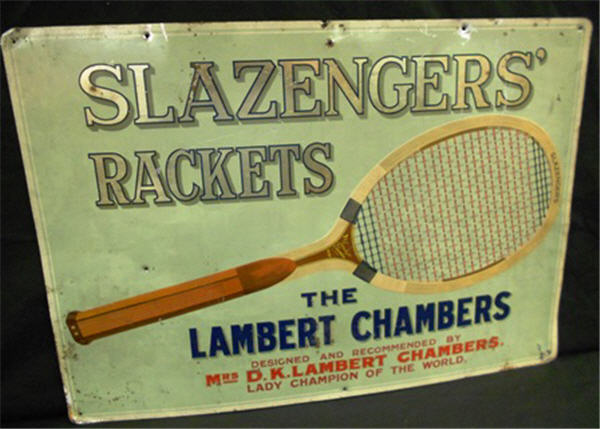
Slazenger sign Lambert Chambers racketfamous Fred Perry “All White” was created in Australia as a way of countering the interest in Jack Crawford’s Semi Flat Top Alexander racquet. When Perry was playing in the 1934 Australian Championships against Crawford, the then sales manager of Slazenger and Perry brainstormed some ideas over dinner prior to the match and struck upon the idea to paint Perry’s racquet all white. At 9:30pm they organised the Slazenger stringer back to the Sydney workshop to strip down and repaint one of Perry’s racquets.  On the next day of the match, after warming up with a normal racquet,as play was about to commence the “All White” was removed much to the amazement of the crowd. Perry recalls the paint coming off and ending up on his face. This model went on to become of Slazengers top brands in 1937. He beat Crawford in this match.

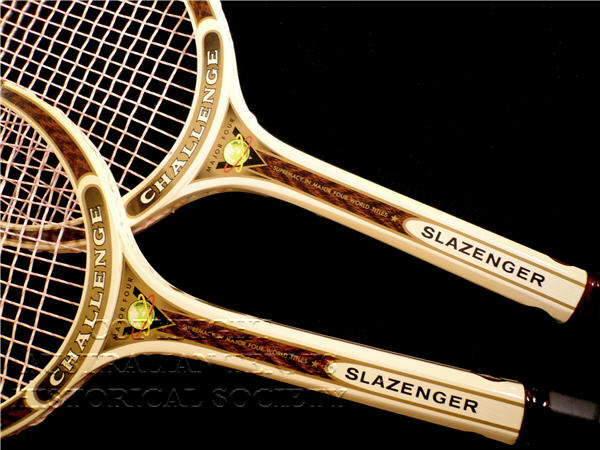
After the war the premium model became the “Challenge” made from imported Canadian Ash. Bill Sidwell used to travel over to Canada to instruct the mill on how to cut the logs in a particular way to prevent buckling.  It took about 2 years before a raw log could be made into a racquet purely to allow the wood to season or mature, plus coming from Canada (cold to warm climates) the timber was given a further 3 months in storage here in Australia before reaching the machinery. Canadian Ash was considered the best in the World for making racquets and also Ice Hockey sticks. Slazenger Australia, used to bring out UK manufacturing experts who often ended up staying here so it wasn’t surprising to learn that the operation here was highly regarded and used to sell many thousands of racquets into the US, in part also, as an offset for the  import licenses required to import the Canadian Ash. Jack Nicklaus wanted Slazenger Australia personnel to set up tennis/ golf production in the US such was his view on the production quality being achieved here.

The “Challenge” wooden racquets became the brand of choice for many club players through the late 50’s to the mid 1970’s and the name continued on into the Aluminium era.

Bill advised that one Challenge design was created by the famous Australian artist Constable which featured a rocket on the shaft.  While the salesmen didn’t like it, MD David Blacklock made the call to run with the design and  it became a best seller.  While we will need to hunt down an example, space, stars and rockets were a feature on many designs along with other sub-names such as the Challenge Constellation given the public interest in the first space flights in the 1950’s through to the moon landing in 1969. We also recently found a Fred Perry “Laurel” racquet made in Australia, using Canadian Ash under the company called the Fred Perry Racquet Company (Melbourne), no doubt a Slazenger subsidiary.

In 1958/59, even after being reported as a corporate objective in 1927,  Dunlop finally acquired and allowed Slazenger to run as an independent company. The company was at another peak.  Between 1960 and 1973 a Dunlop Slazenger racquet won 80 of the 112 Grand Slam events, 38 of them to Slazenger due mainly to the Australians Margaret Court, Ken Rosewall, Roy Emerson, Neale Fraser and John Newcombe.  This also explains why Dunlop was not as strong a brand in Australia,  although Lew Hoad, Tony Roche and Rod Laver were signed with Dunlop. In it’s hey day, Slazenger was producing 500,000 racquets and 6,000,000 balls a year.

From newspaper research, it would appear that in 1968 production of Dunlop and Slazenger products was merged into the one factory.

Competition within the tennis equipment market became very fierce in the 1980’s as new entrants such as Head and Prince joined the market with new racquet production technology from steel, aluminium, fibreglass and  graphite. Asia also became the production hot spot and price competitiveness eventually forced most companies to source from Taiwan and today China.

Production in Australia included Aluminium racquets under both Slazenger and Dunlop names.The factory ceased manufacturing racquets in the mid 1980’s.

The Slazenger brand remains well known within the tennis community, perhaps not so well in tennis racquets but their balls are still considered the best in the marketplace.

The pictures below show a range of Slazenger product sold here, however not all were produced here.

Thanks also to Bill Sidwell and Cedric Mason for providing some valuable information about their days at Slazenger.

The following factory shots are take in 1930.
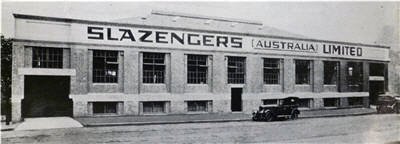
slazenger factory 13000 sq ft slaz factory ae slaz factory ad slaz factory ac slaz factory ab slaz factory aa

SLAZENGER GERALD PATTERSON SIGNATURE MODEL RACQUET UK

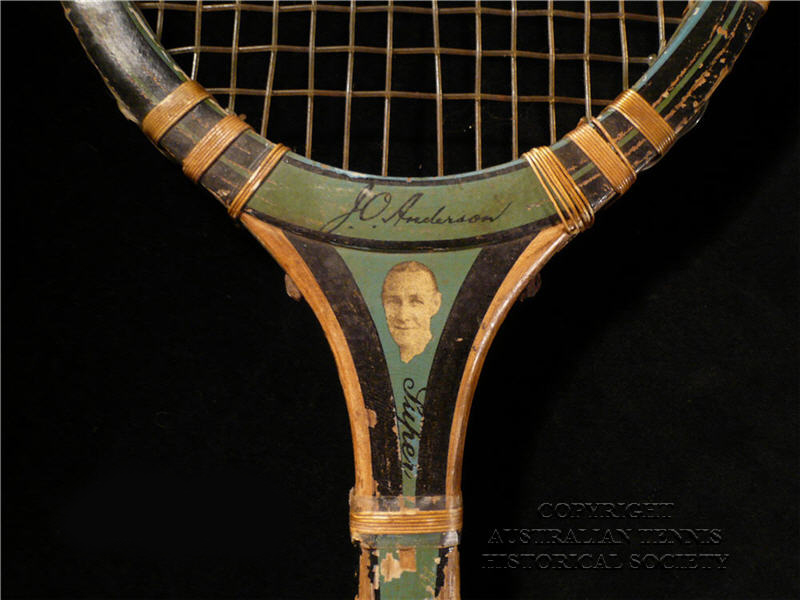
In the mid 1920’s Slazenger produced a couple of Australian Champion player signature models, indeed who were also great rivals at the time.  Gerald Patterson, twice Wimbledon winner  (1919, 1922)  and J.O.Anderson, Australian Champion and Davis Cup Player featured on these Slazenger wood grip models.  J.O.Anderson also ran a sports store and subsequently had signature/photo racquets with Alexander, Chesterfield and his own brand.  Patterson went onto become the MD at Spalding in 1925.

Slazenger J.O.Anderson signature model UK 2019 (8)USE

Slazenger Demon name & logo revived in the 1940’s

Colourful graphics with wrappings were preferred by players and Australian designers led the The famous 1930’s-1940’s Slazenger All White created by Fred Perry at the Slazenger NSW factory in 1934 then produced elsewhere for about 8 years. Fred won Wimbledon with this.
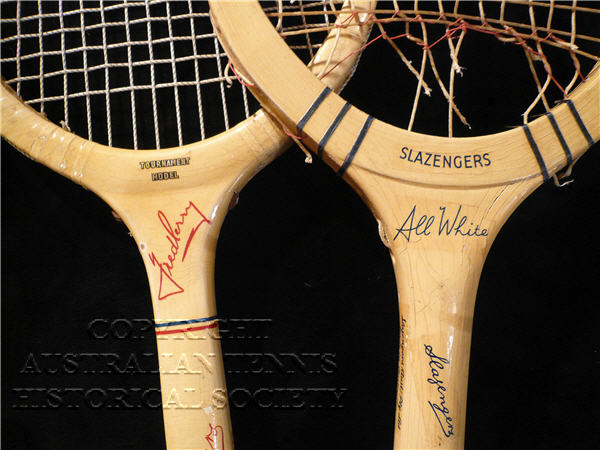
Slazenger All White with Fred Perry (15)
Another famous brand of Slazenger which started with the English Champions Willie and Ernest Renshaw in the 1880’s.They became the first “publicly” recognised champions. Slazenger produced Renshaw racquets from this time and this Australian made model demonstrates the desire to maintain branding over a long period. c late 1930’s early 1940’s model from 1934-1936.
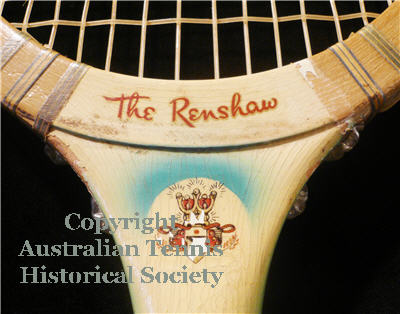
SLAZ RENSHAW 3

In 1938, visiting player Dorothy “Do Do” Bundy became the first USA woman to win the Australian Championships. This Fred Perry model may well be her personal racquet.
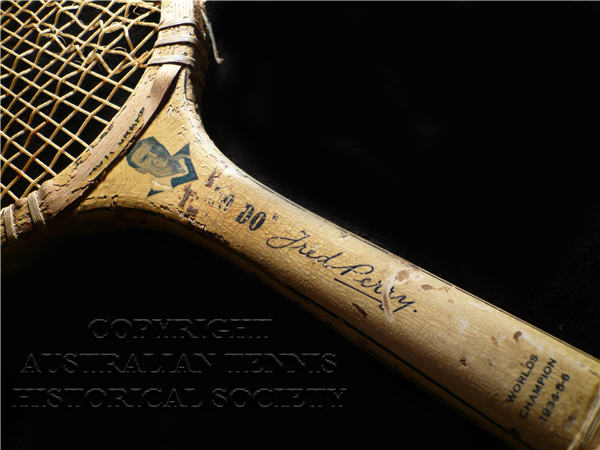
SLAZENGER FRED PERRY DO-DO BUNDY 1937 (4)

Around 1932 the flat top craze returned to Australia with most companies producing both oval and semi flat top models.

slazenger flat top (3) EDIT

Design innovation also included looking at ways to reinforce the shoulders.

slazenger challenge reinforced throat 2015 (9)

The Silver Arrow featured additional wood work to create an arrow or spear like shape in the throat.
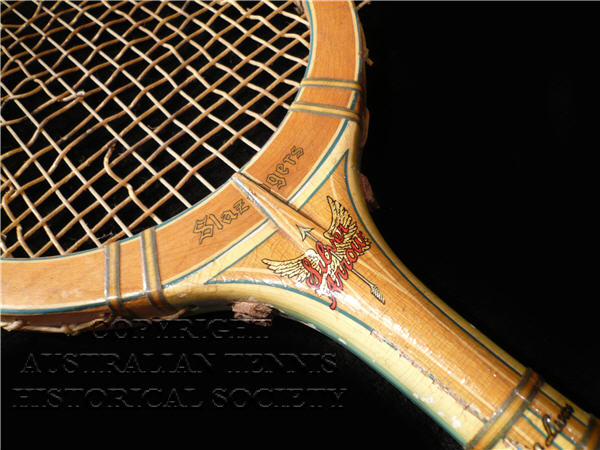
Slazenger Silver Arrow 5

The aerodynamic Streamline was throughout tapered like a tear drop so that one side was wind resistant and the other flatter.
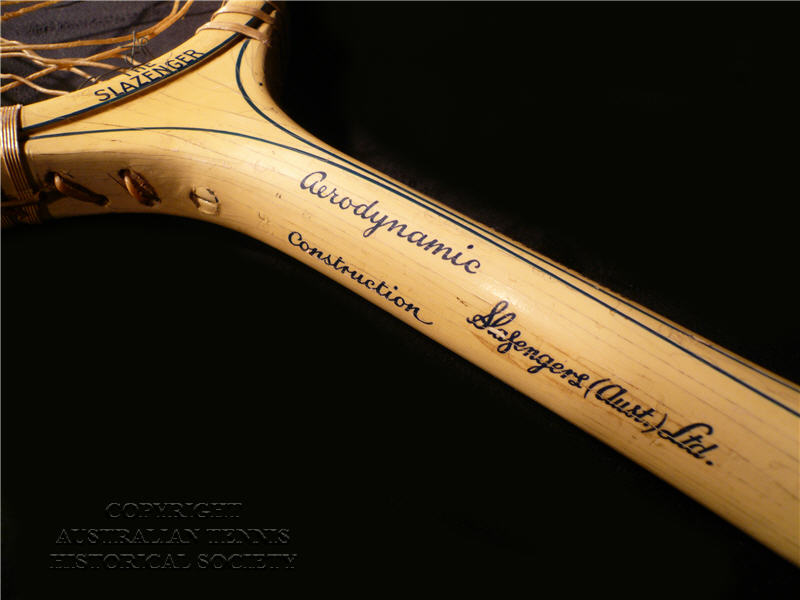
SLAZENGER STREAMLINE 1935 (5)EDIT

slazenger ad 1935 new streamline process

Design innovation also included the mercury filled tube balance adjustment idea, called Floating Power.

Slazenger Ladies model (11)

Slazenger Challenge dc 5 star 2 aaa

slazenger challenge x2 (1)

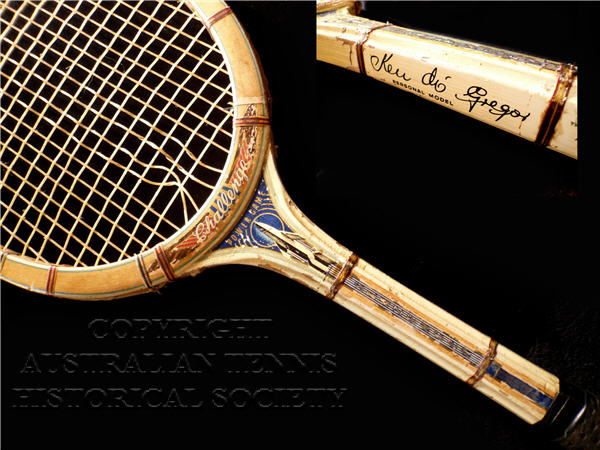
slazenger power game challenge ken mcgregor (4)USE

slazenger challenge power KR (3)

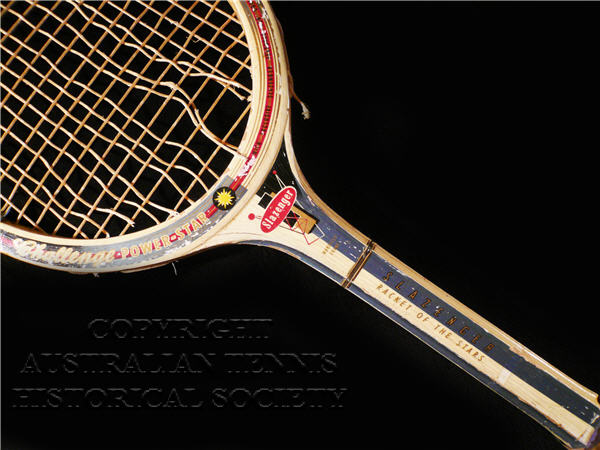
SLAZENGER POWER STAR 1958 (12)

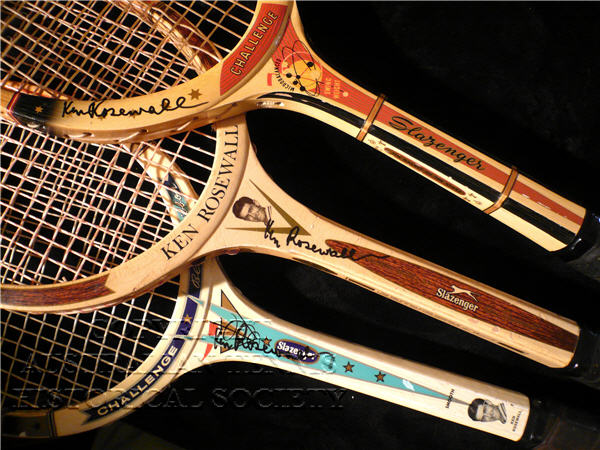
SLAZENGER KEN ROSEWALL SIGNED X3 2020

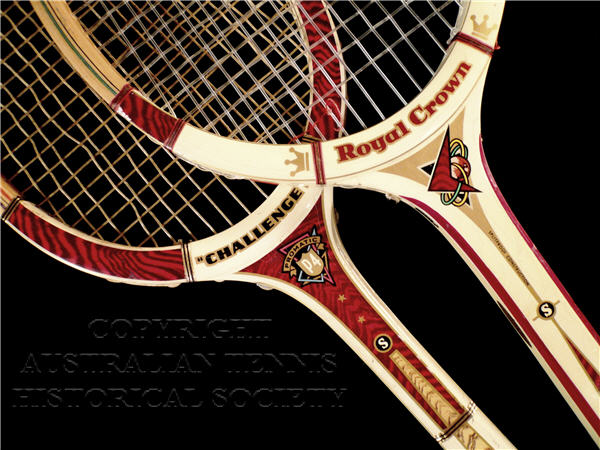
Slazenger Royal Crown P4 match up (4)

SLAZENGER MAJOR 4 2017 (23)AA

slazenger T10 nice (1)

A.H.MOORE Sydney

With the spread of tennis throughout the colony from 1876 onwards, we have discussed how much of the tennis equipment was imported from existing UK, French and USA sporting manufacturers.

The Australian industry is recognised to have begun in the 1920’s as the popularity of the game moved more from a wealth based past time to a general community game. This saw the start of Alexanders and other Australian developed brands and the commencement of Australian operations for Spalding and Slazenger.
Pre 1920’s we assume that craftsmen here would have readily made racquets for customers, but finding information about these firms is difficult since many never promoted or advertised themselves.

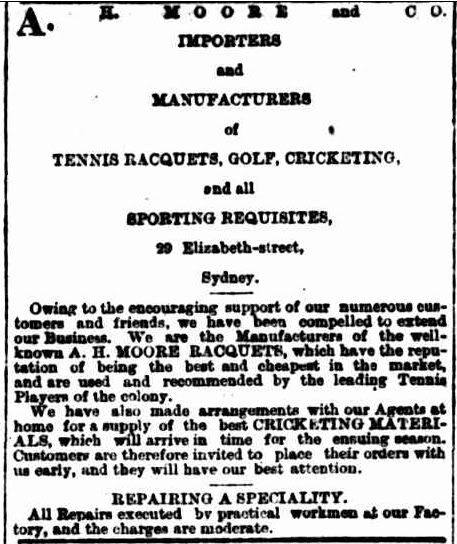
One of the pioneer racquet makers that seemed to have created a niche was Arthur Henry Moore from the firm A.H.Moore in Sydney who commenced business in the early 1890’s.

In 1896, operating from A.H.Moore NSW maker Elizabeth St Sydney the firm was offering both imported and locally prodcued equipment.

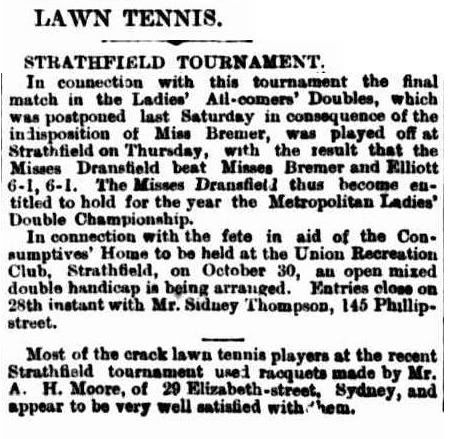
The racquets carrying the firms brand name seemed to have been well accepted and the company was involved with the then top grass court event, ” The Strathfield” Lawn Tennis Tournament.

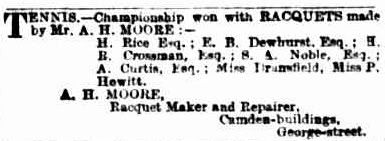
You can read from the articles how linked with the leading players in the colony and from a different 1897 ad, below, names Horrie Rice and Edward Dewhurst amongst other prominent players who used and won with his racquets.

A.H.Moore NSW maker

In 1901, the factory and workshop were listed as being in Woolwich.

Also in this year, unfortunately, Moore ran into financial difficulties and as the company was heading into legal proceedings an argument over legal fees he couldn’t pre-pay led to him shooting a managing clerk for a solicitor in their Elizabeth St offices on December 6th and then shooting himself dead immediately after. The clerk, shot twice, survived.
A.H.Moore NSW maker

Australian Tennis Racquet Manufacture

From the arrival of tennis in the late 1870’s tennis became the social game and courts began to spring up everywhere at bowls clubs, churches, stand alone tennis clubs were formed and home courts became very popular.The tennis boom globally saw the expansion of equipment suppliers and after reading Siegfried Kuebler’s Book of Tennis Rackets, in which there hundreds of racquet makers listed, very little is known about the Australian industry.

Up to the mid 1920’s most racquets were being imported from England and the USA, but tennis’ popularity reached levels which justified local production of racquets and balls. While there were some boutique racket makers such as A.H.Moore in NSW who promoted his range in the late 1890’s,  the first high volume and successful local maker may well be South Australian firm Stevens & Rowe.  J.T.Stevens was the former head stringer at UK tennis firm F.A.Davis while  E.T Rowe was a local champion player. Based on newspaper articles they produced around a 1000 racquets per year over the 1914 -1924 period  and distributed them around the country. We lose touch with them in the mid 1930’s and possibly they had a connection with Oliver owing to use of the Bluebird name on an E.T.Rowe model in our possession which went onto become an Oliver brand as well.

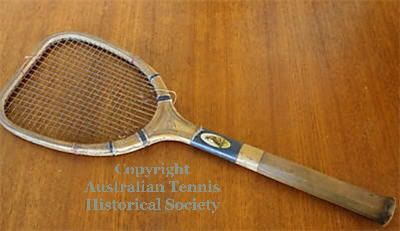
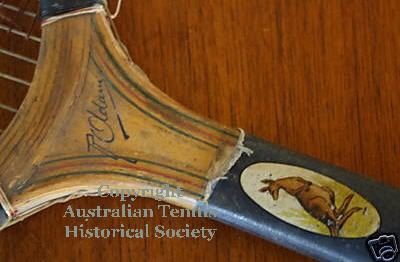
The racquet below was in all probability made in Australia and sold to a Company in France called Orion. Notice that it is a very early flat top and has a kangaroo graphic. Fellow collectors date this from around 1910, although being a 7 ply design it may be mid 1920’s.

The objective of this site is to try and source photos of and list as many models as possible which can be done from old ads, catalogues and even old receipts that people may have at home.

The racquet above was in all probability made in Australia and sold to a Company in France called Orion. Notice that it is a very early flat top and has a kangaroo graphic. Fellow collectors date this from around 1910, although being a 7 ply design it may be mid 1920’s.

One thing you will notice about the Australian racquets is that many are wonderfully presented with colourful decals or patina often over the frame, throat and shaft. Compared to other countries in the 1920’s-1940’s period, the local racquet industry was experiencing hot competition where customer presentation was concerned and this level of finish, in our view is unique to Australia, with all manufacturers presenting outstanding graphical finishes.

Certainly the Australian racquet industry was creating a booming export market in the 1930’s and both the UK and USA were complaining about the inroads Australian makers were having on sales.

Another really interesting aspect to early wood racquets is the collectability of photo decal and signature racquets. Many players were endorsed by sporting goods companies from the very early days and while you will find many from the 50’s featuring Frank Sedgman, Lew Hoad, Ken Rosewall, Margaret Court, Evonne Goolagong, Rod Laver and John Newcombe on Australian made racquets and many Australians found there way onto USA sold racquets thanks to companies such as Chemold and Rawlings which included other Aussies such as Owen Davidson and Tony Roche.  Very rare,  are the early 20’s & 30’s and 40’s racquets featuring Australian players such as James O. Anderson (photo decal and signature), Gerald Patterson (signature), Pat O’Hara Wood (signature), Jim Willard (signature) , Dinny Pails and Nancye Bolton (photodecal). Heading even further back, Ayres in the UK produced the Wilding and S.N.Doust (Australia) signature models around 1910. Anthony Wilding used to sell his Ayres racquets himself as he journeyed around the UK and Europe.

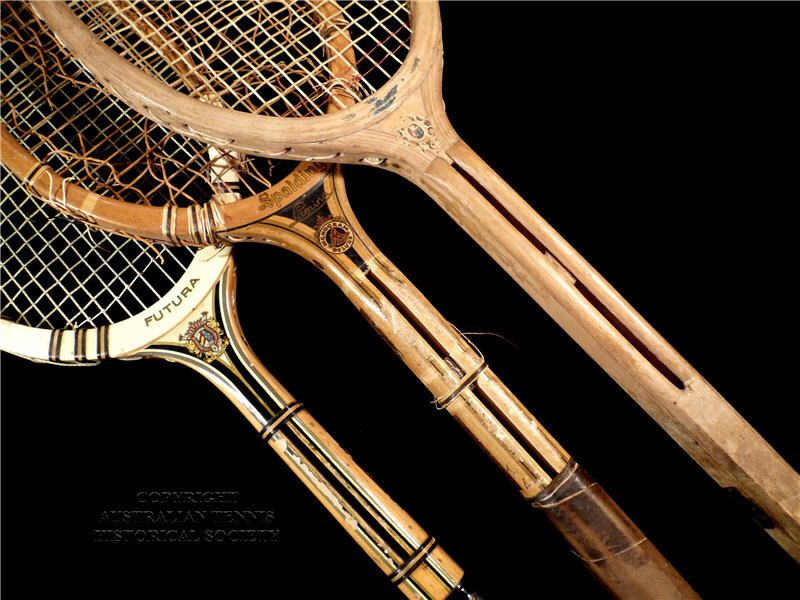
Also alive and well in the 1930’s was inventiveness.  The Empire Racquet company in Sydney created an adjustable balance system inside the racquet handle which featured a wind up device. So did Alexander’s with a model called the “Airstream”. Also, around the same time, Harry Webeck invented a mercury tube system inside the racquet which permitted the weight of the racquet to change during the motion of a shot. Slazenger adopted the patent and introduced models with this feature.  Spalding produced a slotted handle range and this too was designed by a Queenslander and adopted by Spalding in the USA.

Racquet making trends were also being driven from Australia.  More colourful graphics required new skills in air brushing, bindings  and decal making, the semi flat top re emerged thanks to Jack Crawford trying it one day and then using a new model of it to win Wimbledon in 1933.

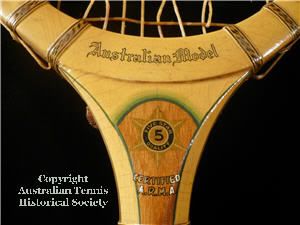
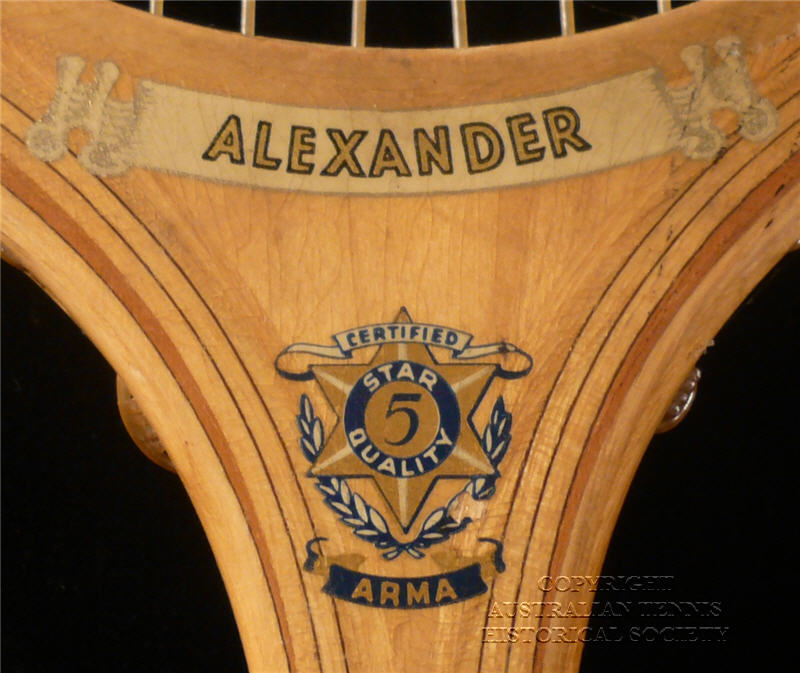
Towards the end of 1938,  the industry created a pricing cartel under a banner called the ARMA (Australian Racket Manufacturers Association)  which permitted fixed prices based on a 5 star quality programme.

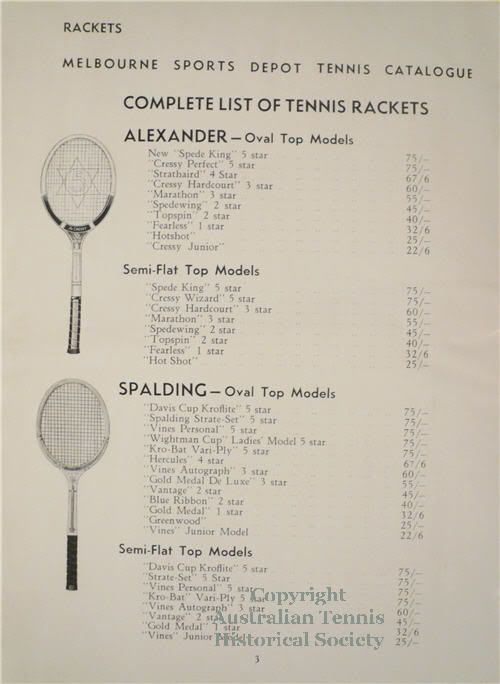
Below is a list of known small and large companies that produced tennis sporting goods in Australia, some photos of various vintage tennis racquets made here and a brand listing from a 1939 Melbourne Sports Depot retail catalogue which is a wonderful record of brands and individual model names.

While we are aware that tradesmen and even some companies made racquets in the late 1880’s to 1900’s we have little any reference at this time, hence the Kangaroo racquet may well be one of the earliest made in Australia.

Here is a list of companies which have come to light from all sources including tennis magazines and newspapers from the era.

Tasmania Racquet Company (pre Alexanders Patent Racquet Company) TAS

A.H.Moore – Sydney NSW (they seemed to sponsor top players of the day in the mid 1890’s)

A.B.Stewart – The Queensland Sports Depot 1891-2 (made, repaired racquets according to ads)

Francis J. Flavell – South Australia (suspect small scale)

The main companies in Australia that produced wood racquets from the 1920’s onwards were:

Alexanders – Tasmania (1921 from a merge between two companies, factory 1926)

Brewers – Victoria (c1928)

Chesterfield – New South Wales (c1923)

Dunlop (late 1930’s)  Created after Baker & McPherson acquired Empire and in turn was acquired by Dunlop

Hedley’s- Victoria (c 1924)

Oliver – Sth Australia (c 1930’s)

Slazenger NSW (c 1928) In the early 1960’s Dunlop and Slazenger merged

Spalding – Victoria (c1925)

Other smaller Australian companies producing locally or which began to market Australian designed racquets produced offshore are listed below. More information and photos are required given the obscurity and short life span some of these Companies. The other factor is whether some of these locally produced wood racquets were actually produced in-house or sub contracted to larger firms for manufacture.

Addison Bros. Melbourne 1924

Anderson Racquets NSW 1925-1930 

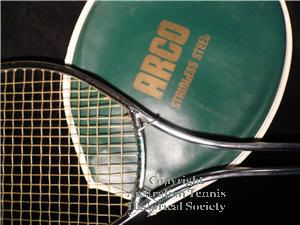
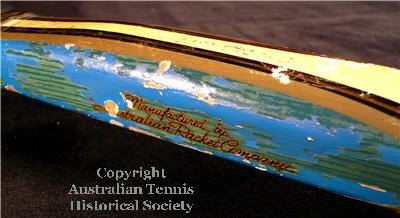
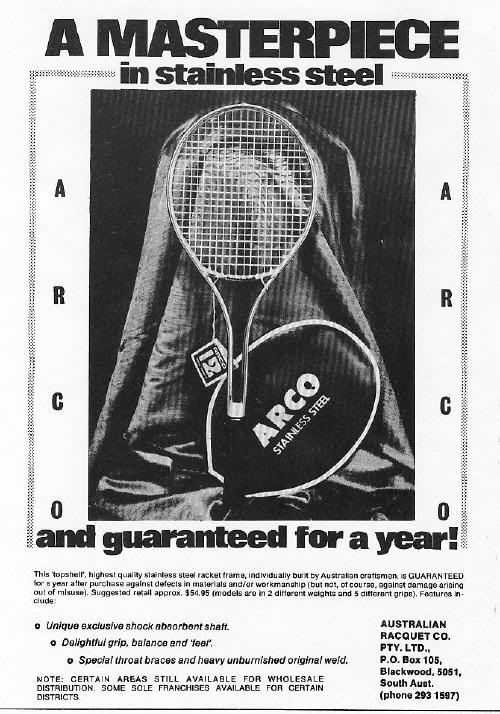
ARCO (Australian Racquet Company) SA – (First stainless steel racquet made in Australia in 1970’s.)

Australian Racket Company (pre-dating ARCO) Other details unknown circa 1930’s-1940’s

Baker & McPherson – New South Wales (Ovalo brand 1920’s)

Campbell’s – Qld

Claude Wood & Co -New South Wales (Seawood Brand 1920’s)

Eastway Brothers – New South Wales (R.E.E Special Racquet, 1920’s)

Empire Racquet Company -New South Wales (late 1920’s 1930’s adjustable weight racquets)

Emrik (c late 1970’s)

Fin- Australian owned Taiwanese made (c early 1980’s)

L.W.Dodge & Co -New South Wales (1920’s)

Master Racquets- QLD (First Aluminium extrusion racquets mid 1970’s)

Moon Racquet Company (VIC mid 1930’s)

Olympic Racquet Company (Petersham NSW)

Speedwood Racquet Company (NSW )

Spider Web – Victoria (mid 1930’s-1971 maybe not as long for racquet making)

Star Shot Tennis Company (Laverton, VIC unsure if racquets made)

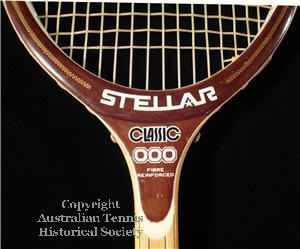
Stellar- imported from various countries (VIC)

Stevens & Rowe (SA) Claim production started in 1914 and concluded around 1933

Tasker Sporting Goods ( acquired Victorian Racquet Company 1971) – Victoria
(started late 1940’s by ex Hedleys staff- brands Champion & Southern Star)

Waddell’s Racket Co. ( Alexandria, NSW)

Walbow Racquet Company (1930’s) Alfred St Mascot, Sydney

We intend developing sections for each company over time and would appreciate any contributions to the list above and information about the racquets produced, brand names etc.

Learn more under the individual racquet manufacturers headings.

Known Australasian player models with signature or photo decal made and, or sold in Australia.

Anthony Wilding & Sidney N. Doust (signature models F.H Ayres UK 1905-1915)
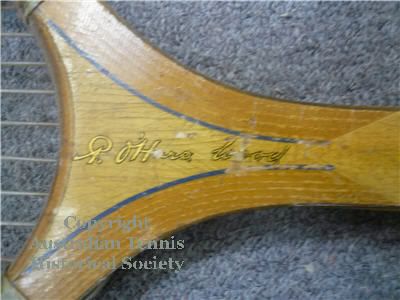
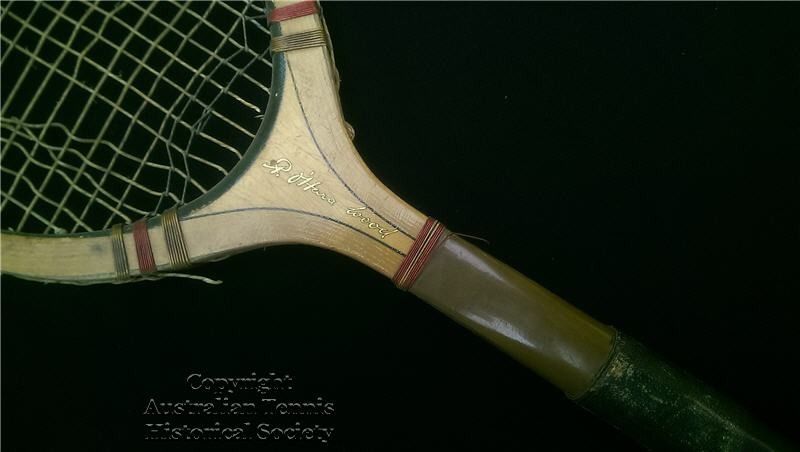
Pat O’Hara Wood Bancroft and Spalding signature models
J.O.Anderson Slazenger, Alexander, Chesterfield and own brand signature & photo decal models (Alexander photo decal 1932)
Gerald Patterson Slazenger signature model
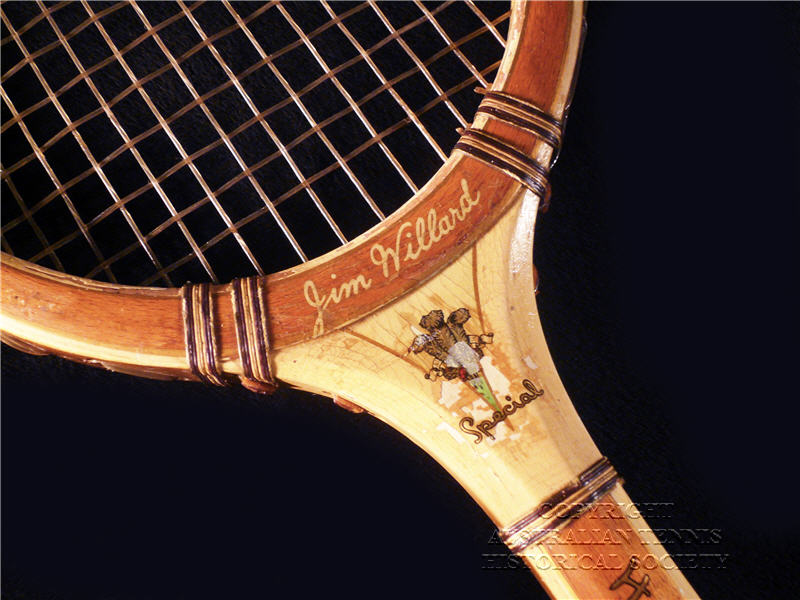
Jim Willard Alexander Signature model
Aubrey Willard had a named racquet by Chesterfield
Dinny Pails Hedley Photodecal
Nancye Wynne Bolton Spalding photo decal
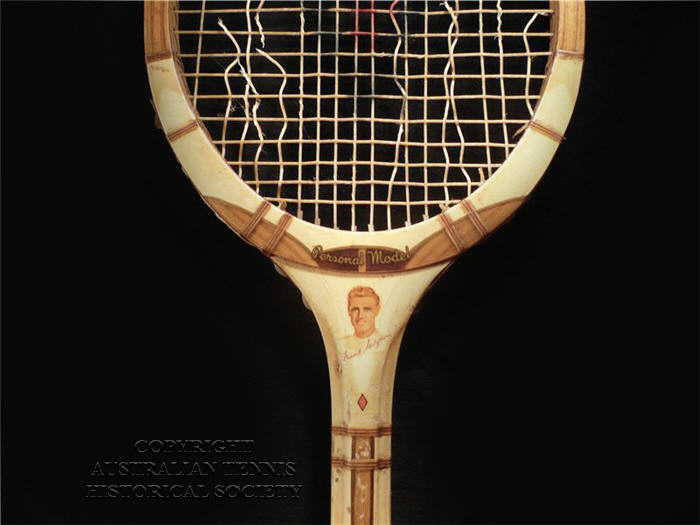
Frank Sedgman Oliver signature, Oliver Photodecal, Dunlop Photodecal, Oliver signature,         Spalding signature, Master QLD signature, Sfida signature
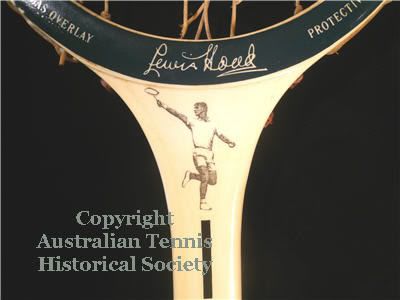
Lew Hoad Dunlop numerous photo decal
Owen Davidson Spalding Photodecal, Chemold signature
Ken Rosewall numerous Slazenger signature and photo decal
Ashley Cooper Spalding signature
Mal Anderson Oliver and Spalding signature
Fred Stolle Spalding signature
Margaret Court Slazenger photo decal
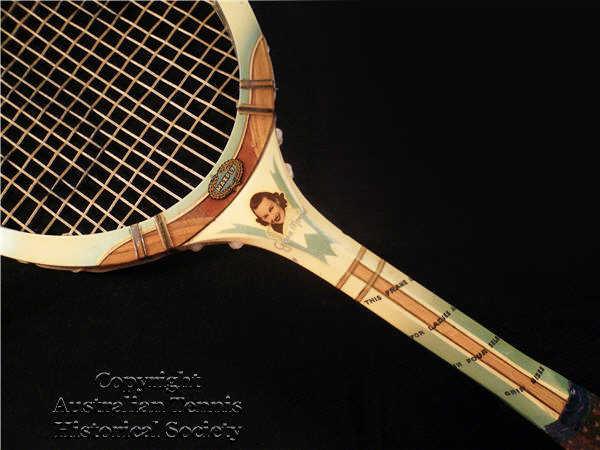
Evonne Goolagong Dunlop photodecal & signature, Emrik signature
Ken McGregor Slazenger signature
Russell Hedge Photodecal coaching model
John Hillebrand Photodecal (special Spalding production run of a coaching model)
Rod Laver Dunlop Photodecal and signature models
John Newcombe Slazenger Photodecal and signature models
Tony Roche Dunlop signature model
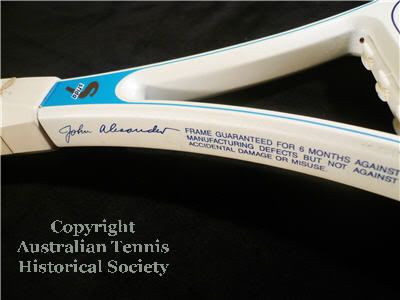
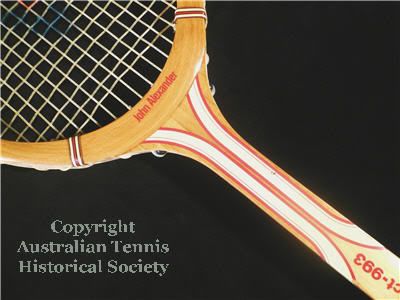
John Alexander had a Spalding named model but a couple Sfida signature models
Kim Warwick named Emrik model

More modern players having names on imported models includes:
Mark Philippoussis Dunlop signature with photo covers
Part Rafter Dunlop signature
Barry Phillips Moore branded models using his hi ten open stringing design

Also found  a Dunlop William Tilden photo decal model and a Slazenger Jack Kramer signature edition which he used here while on tour.

Harry Webeck invented a racquet which contained a mercury tube system that changed the weight distrubution during shot making.Subsequently banned but was tested and patent purchased by Slazenger.They did produce and market the racquet as the “FLOATING POWER” and below all the other pics is an ad in which it appears from 1934.
Subsequently, we found a racquet of a similar design was produced in the mid 1880’s and was called “The Mercury”

Stellar Taiwan Made as used by Pat Cash.  Dunlop UK Lew Hoad .

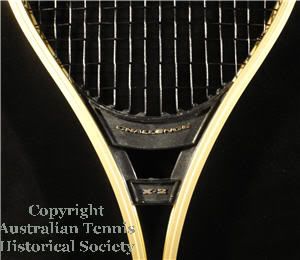
Australian Made Slazenger Challenge XII  with Qld Master Aluminium

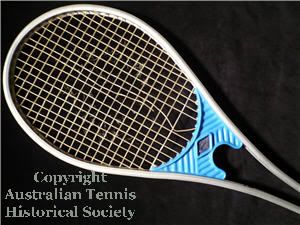
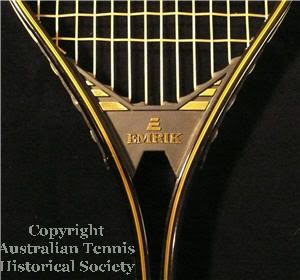
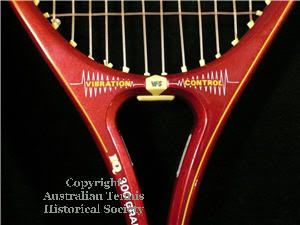
Asian Made Emrik and Fin with unique vibration dampening system

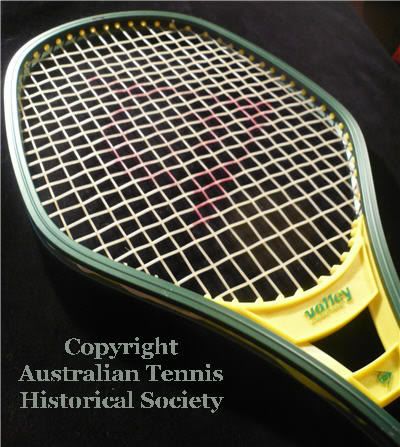
Australian Made Dunlop Volley Aluminium with imported John Alexander Sfida.

victorian racquet company victorian racquet company

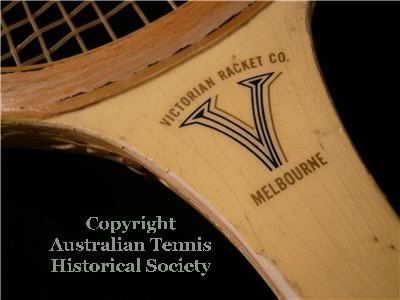
The Victorian Racquet Company evolved from the Tasker (Ex Hedley staff) business.  The primary business was in squash racquets as the ash wood racquets were being phased out due to the wood virtually no longer being available and as the alternate metal materials were arriving from the mainstream makers.

Australian Racket Company RENOWN Australian Racket Company RENOWN

A very obscure, Australian Racket Company model called Renown.  Very little known about this brand.

Moon

When confronted with some of the more obsure racquet companies it is very difficult to actually find out more information about them because they were often not in business long or the brands they marketed could easily have been be produced under a sub contract arrangement with a larger firm.

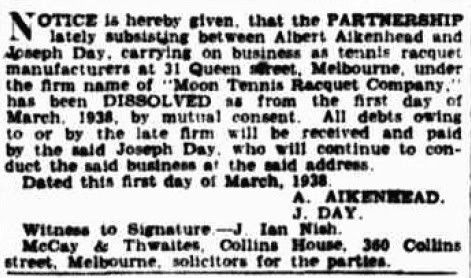
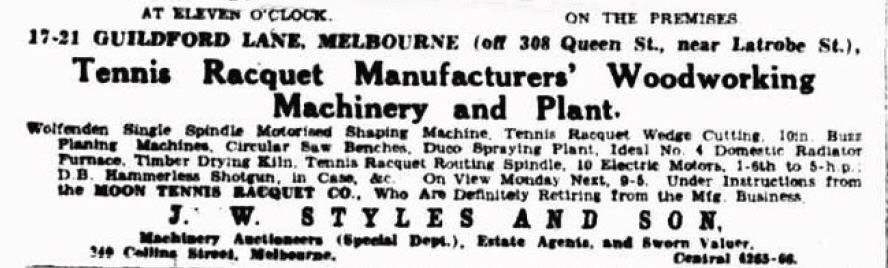
We thought the latter was the case in relation to Moon Racquets, from Melbourne, however they most certainly produced racquets. Our researchers found this great little ad for an auction sale on 12th February 1938 which unfortunately shows that Moon Tennis Racquet Company had to close it’s doors at their Guildford Lane workshop and sell by auction their manufacturing machinery. So in our view conclusive proof they made their own racquets.

Moon racquets

The owners of the business are listed as Albert Aikenhead and Joseph Day.  As  you read this notification, it is apparent that Joseph Day was intending to continue on with the business in another form.

Moon racquets

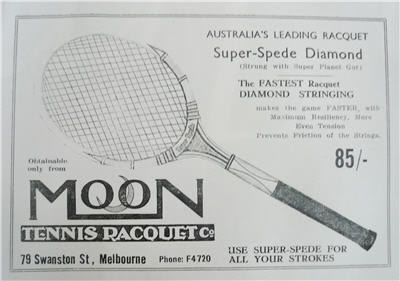
In relation to their actual racquets, we found this ad which identifies their Super-Spede Diamond strung racquets. Since the company stopped phyiscally making racquets in 1938 it would appear they had racquets like this made elsewhere as this came from a 1946 Tournament program.

Moon racquets

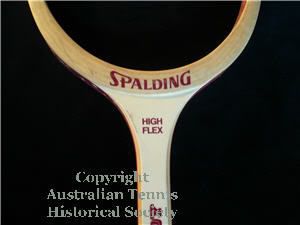
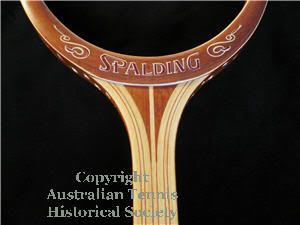
Spalding

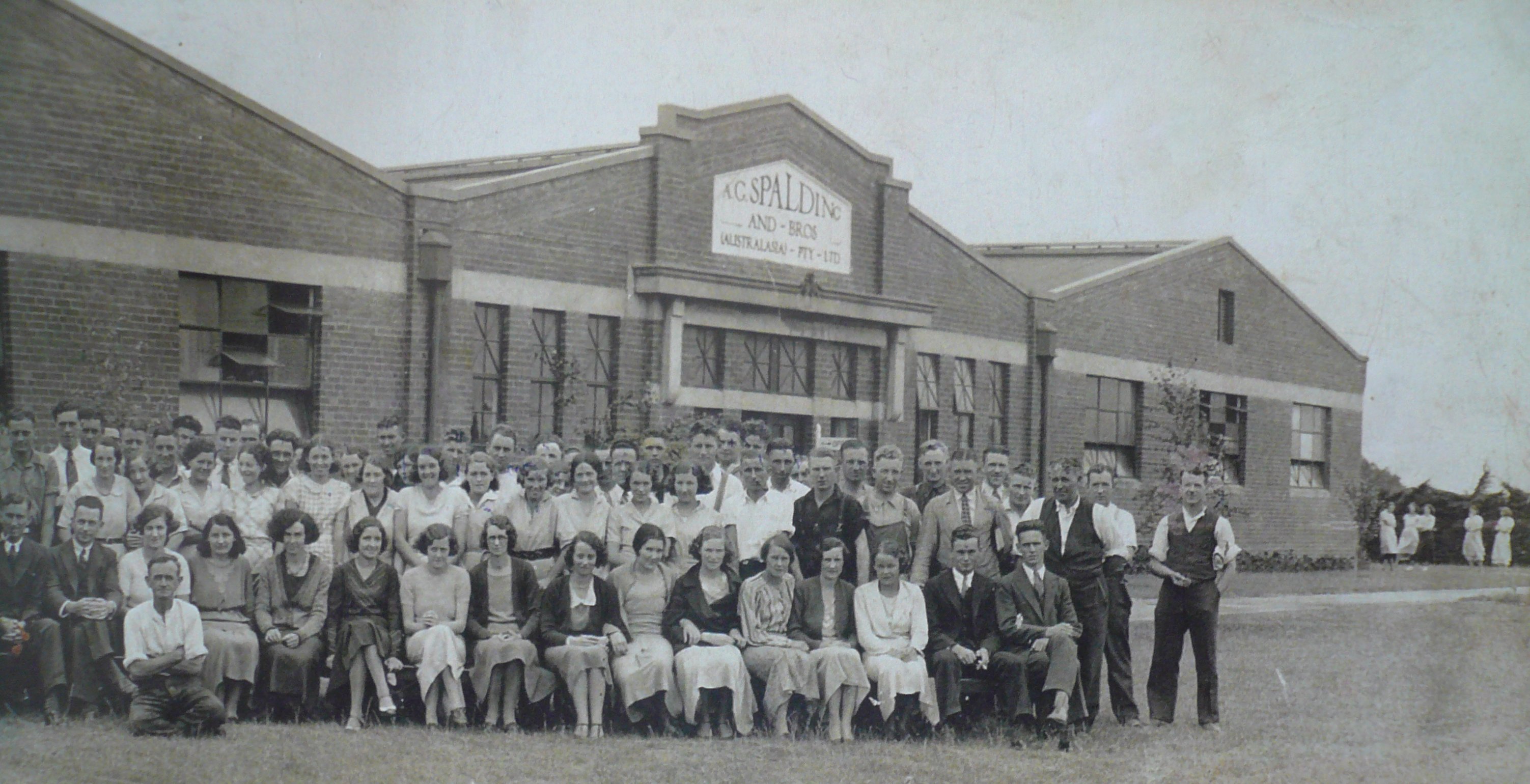
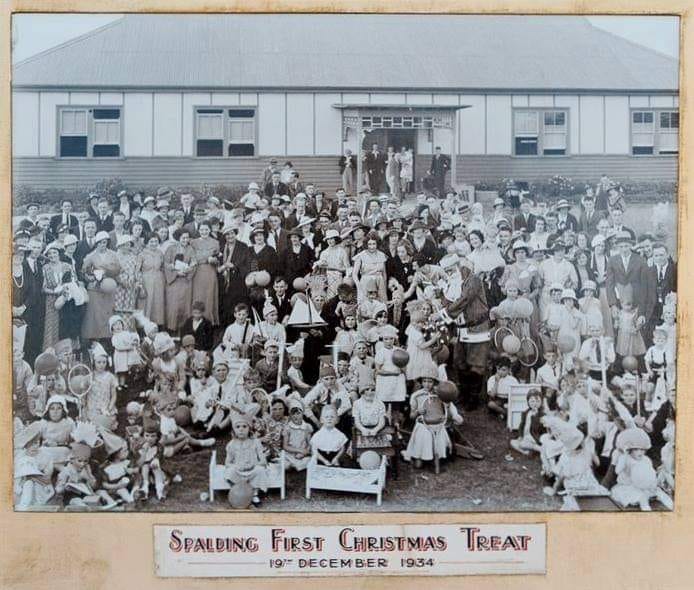
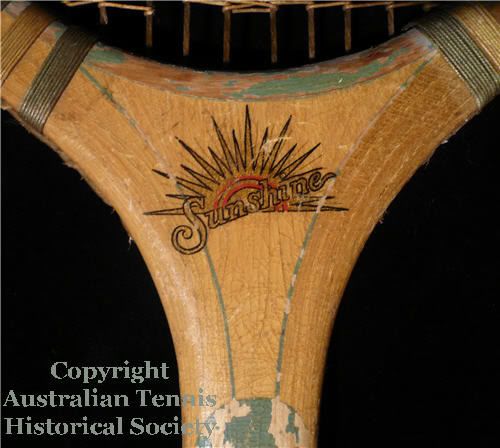
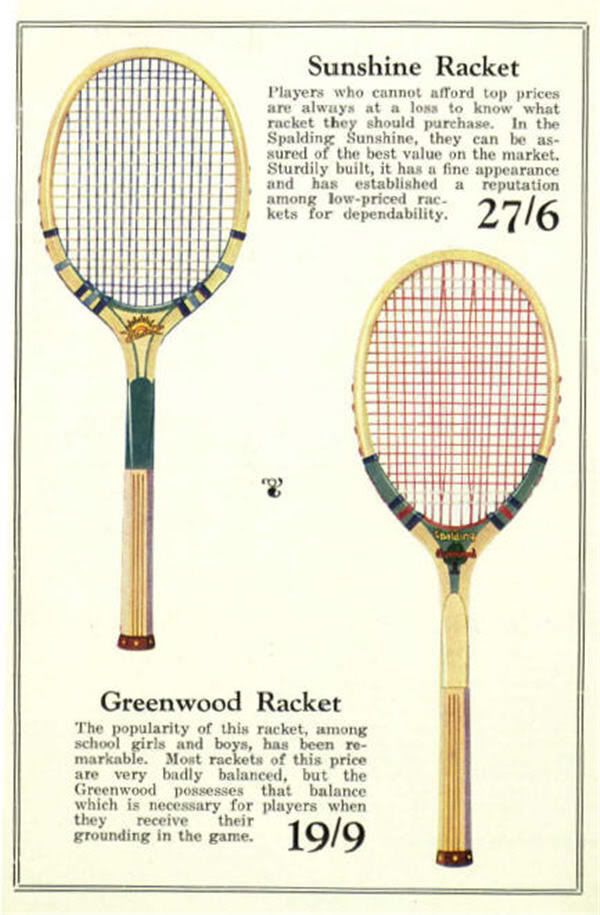
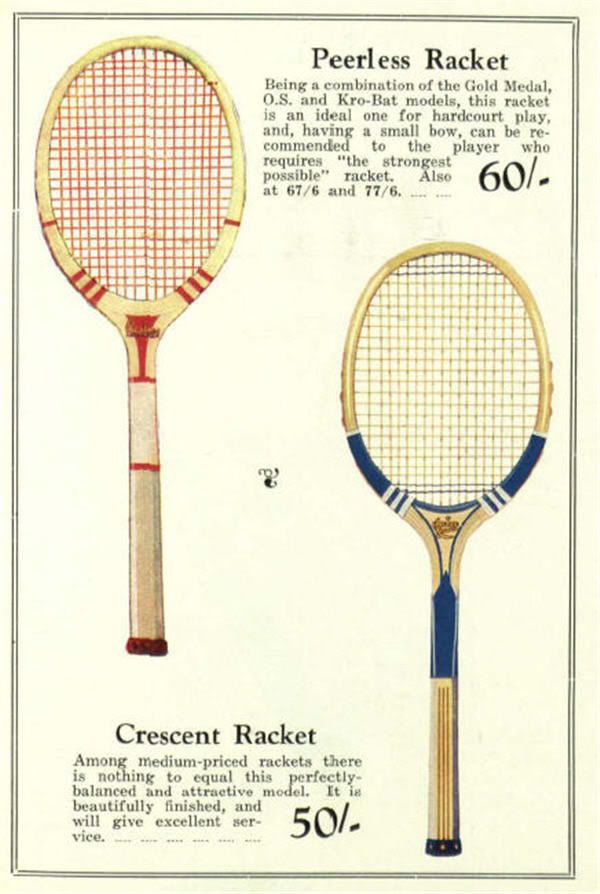
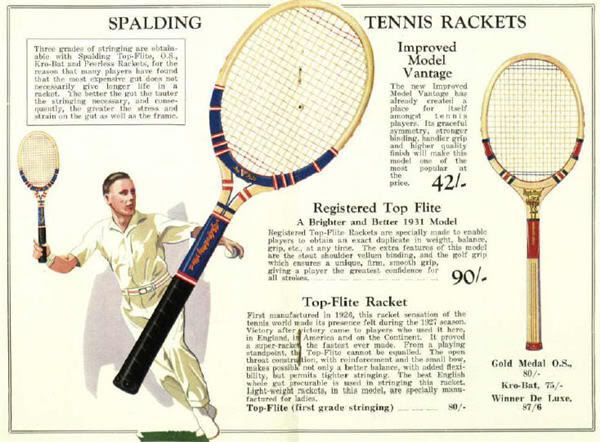
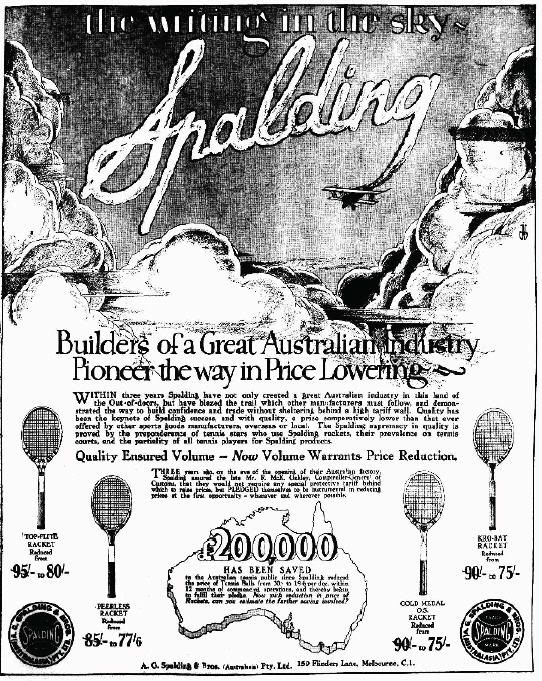
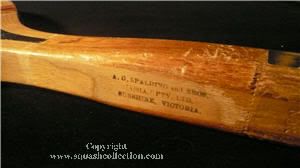
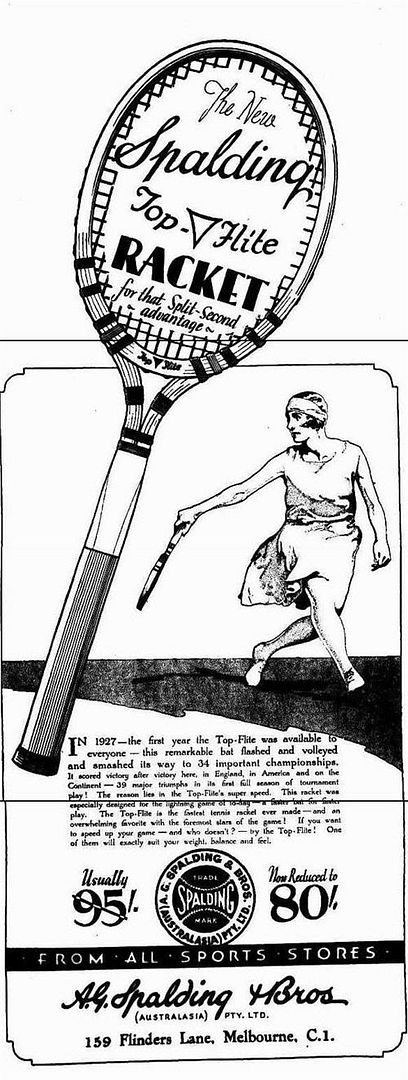
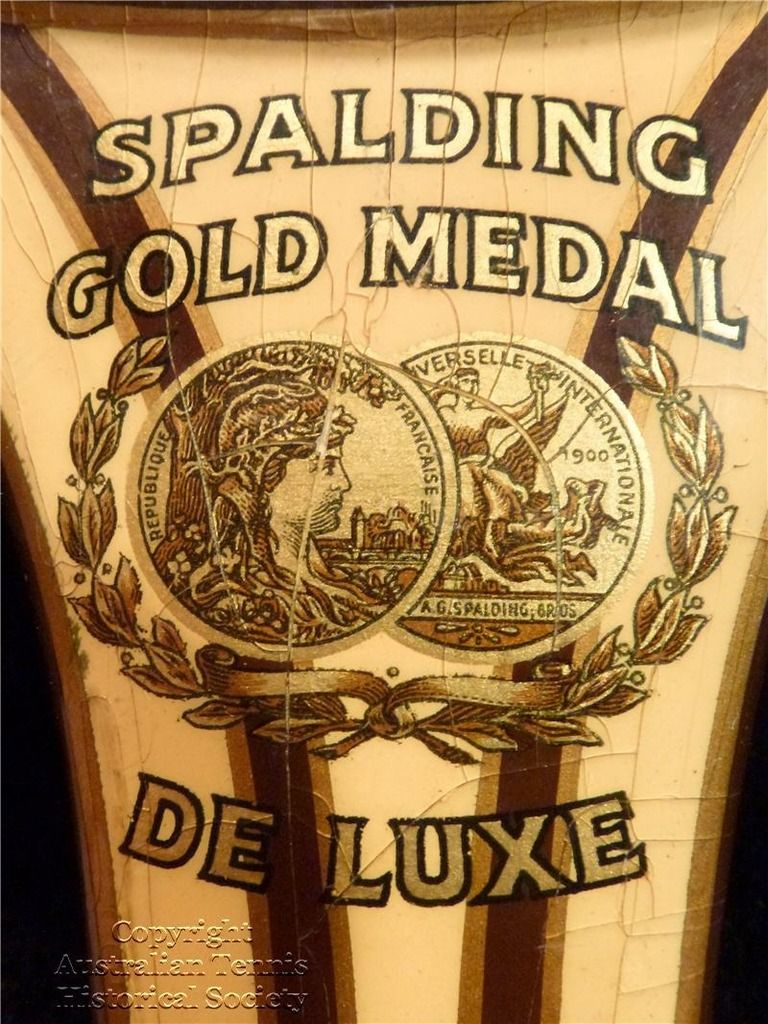
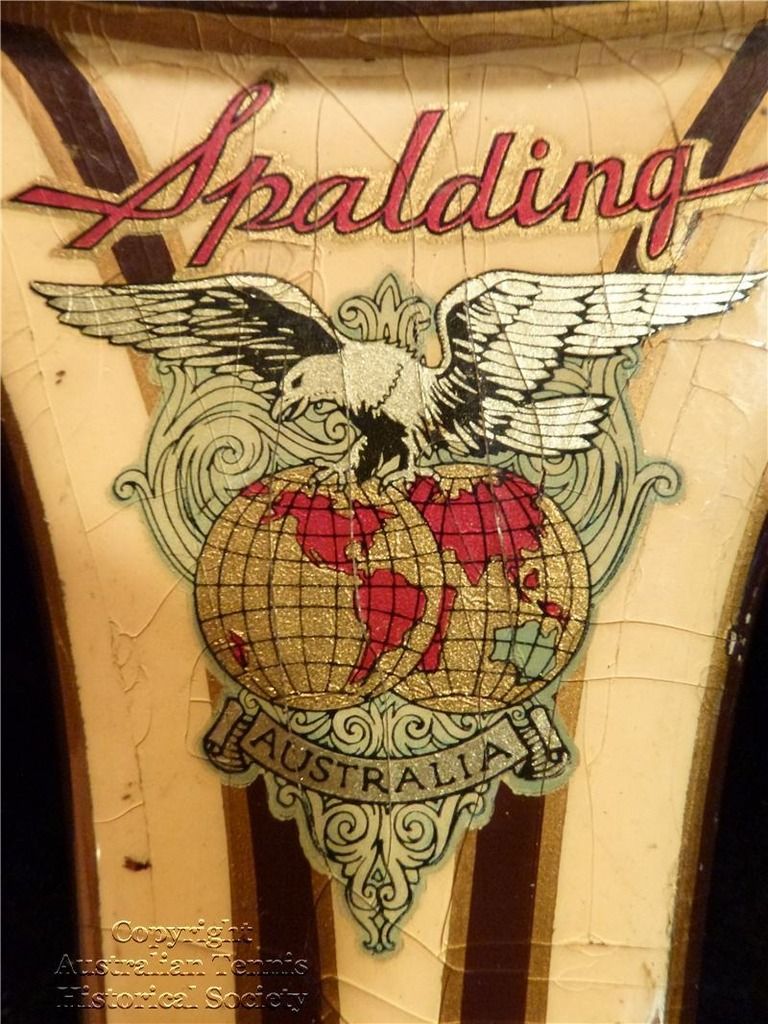
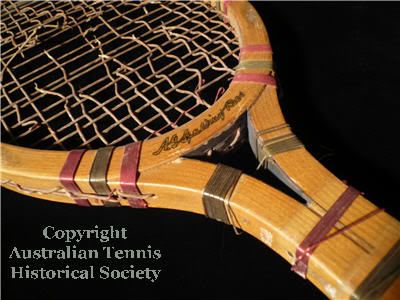
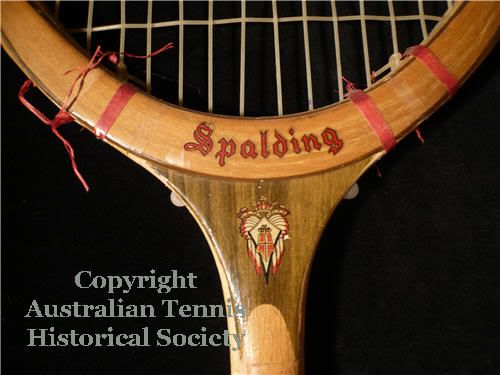
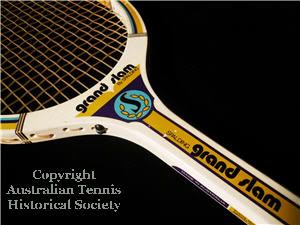
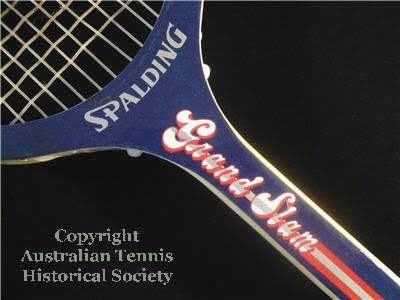
USA Company A.G.Spalding was founded in 1876 by Albert Goodwill Spalding a successful baseball player. While the business was based on baseball the company expanded into a variety of sports, tennis included and sold the famous name “Slocum Tennis Racket” after Henry Slocum who was the second US singles champion in 1888/1889. This racquet was made in Belgium. In 1925, Spalding made the decision to open their fifth plant globally in Australia, adding to those which already existed in the USA, Canada, UK and France. Melbourne was their preferred city and the suburb in which the new plant was constructed was Sunshine. Their decision to set up in Australia was based on the very protective trade tariff conditions which added quite considerably to the retail cost of imported racquets plus the growing popularity of tennis and golf in this country. Companies such as Alexanders and Chesterfield were taking advantage of local production and gearing up for growing demand. The plant was purpose built to make tennis racquets, tennis balls and golf balls. The tennis balls were the new two piece plugless and stitchless type which Spalding had invented. One of the first employees and Victorian Sales Manager was Gerald Patterson a famous Australian player of the era, known for his wins at Wimbledon in (1919 & 1922), the Australian Championship in 1927 and numerous Davis Cup teams. Tennis racquets were imported from the USA in a rough state and then on special machinery they were shaped to the various designs. They did however use Queensland maple and cedar woods for the handles. Projections in the first year were to produce 40,000 racquets. Key 1926 brands were the top of the range Kro-Bat, Gold Medal OS, Gold Medal HIC, Vantage, Greenwood, Crescent and the local (assumed) Sunshine models. Players of the era endorsing Spalding at the time in local advertising were W.Tilden, Bill Johnston and Australians Jack Hawkes, Pat O’Hara Wood and Gerald Patterson. By 1927, the famous Top Flite split throat made an appearance and given Spalding’s global marketing stance, racquets produced in the USA which are in more plentiful supply closely resemble designs made locally. In 1929, there was the Davis-Cup-De-Luxe and by 1930 models included the Peerless and the Endura.

SPALDINGFACTORYtennisracquets9-9-1926
Spalding Factory Don Coupe
Spalding factory 1934 Christmas Party Treat

Spalding Sunshine Model Spalding Sunshine Model

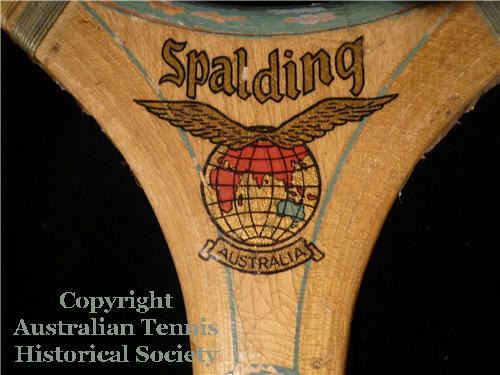
9th Sept. 1926 This is a very early truly Australian Spalding racquet featuring the suburb of “Sunshine” in the logo. Note Australia is highlighted in green which matched the paint colouring on the shaft. Spalding Hartley Catalogue Spalding Hartley Catalogue Spalding Hartley Catalogue These colourful images were part of the Hartley Retail product catalogue 1930-1931

Couretsy of State Library of Victoria. Note the Sunshine model. Spalding Pat Ohara Wood

The relationship between Pat O’Hara Wood and Spalding also saw an early signature racquet model being produced.

7th September1929

Spalding Greenwood Racquet made in Sunshine with a similar look and feel to the USA counterpart.

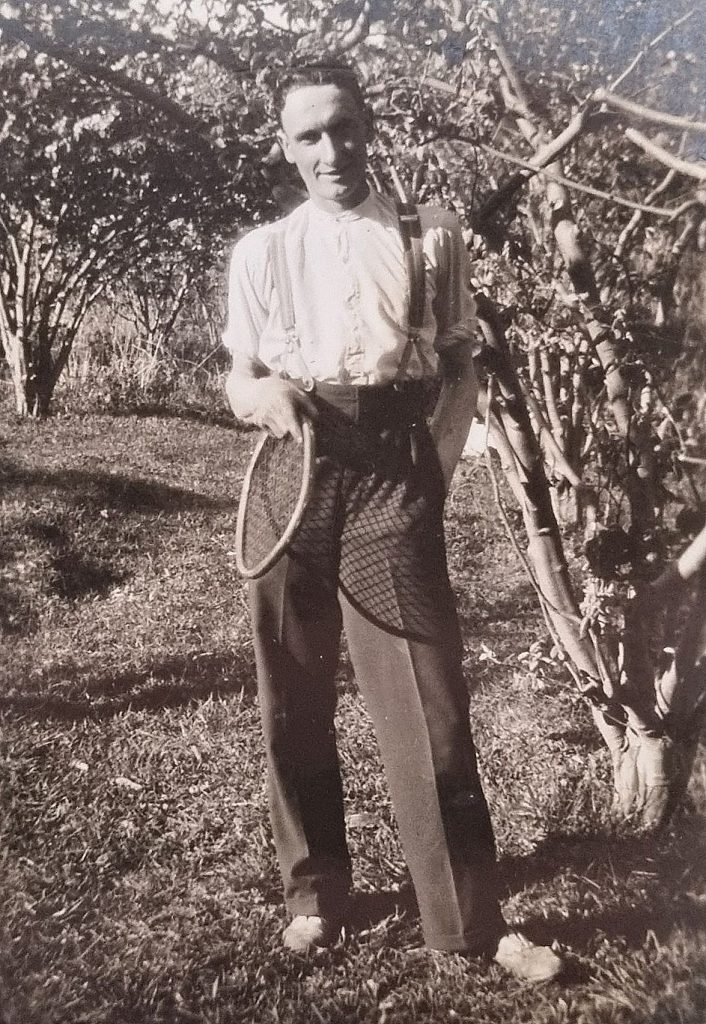
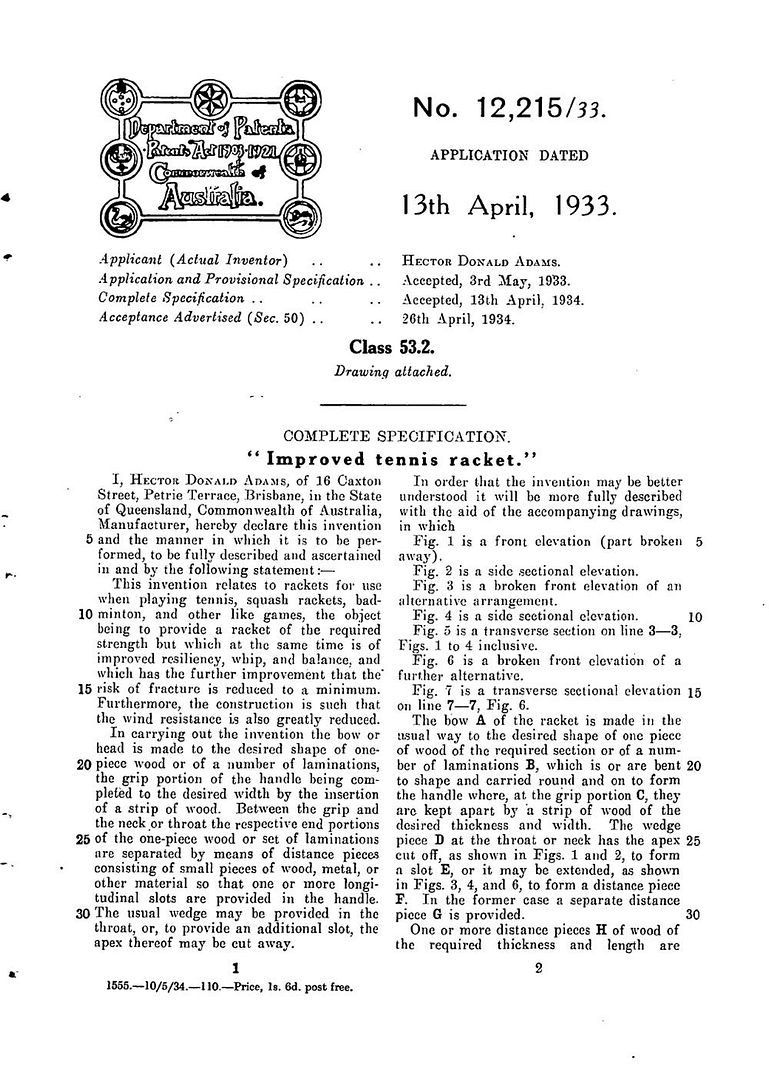
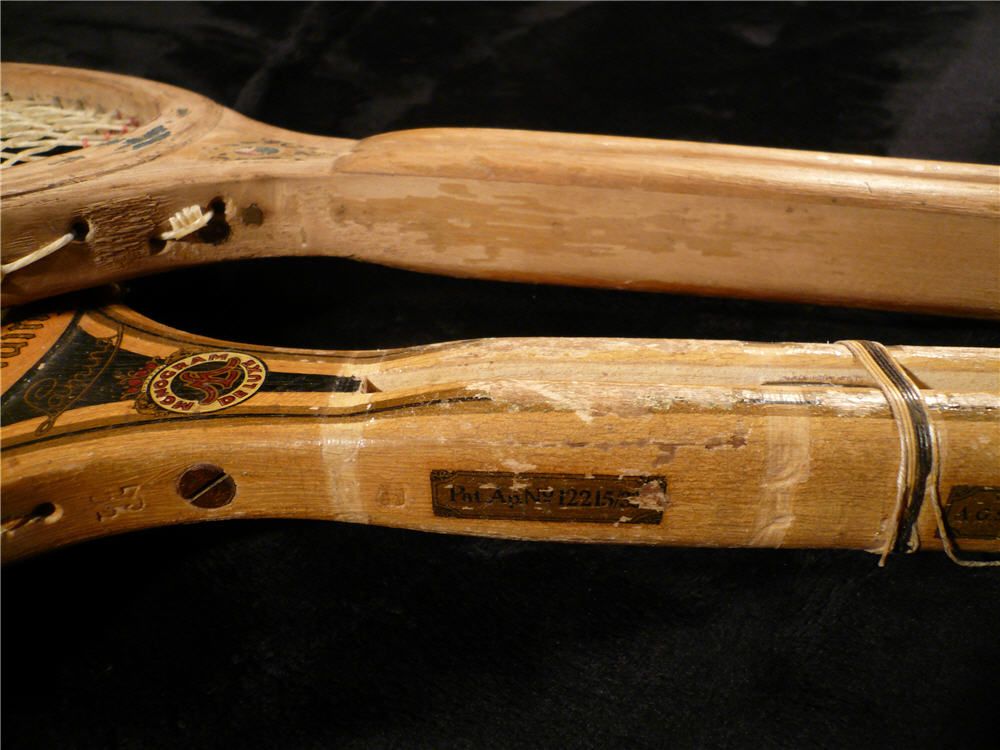
A USA made model but very similar to Australian specification by the look in these ads. In the mid 1930’s Spalding introduced a range of split shaft models against some of the other competitor innovations including balance weight adjustment and semi flat top models. We discovered this new design was invented by a Queenslander, Hector Donald Adams (pic) and patented here in Australia in 1933/1934 patent number 12215/33.

Bluebird proto-type design, below, presumed made in Qld by inventor, Hector Adams.

Another nice uncovering this year was this mid 1930′s Spalding retail store display stand used to hold 5 racquets


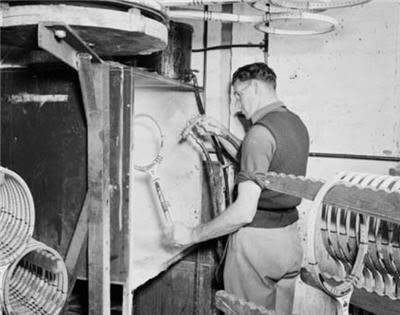
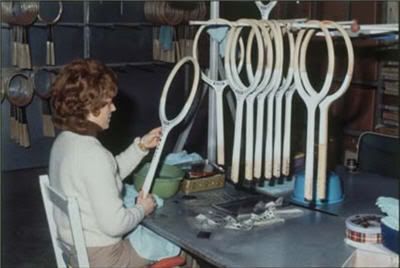
Above and below we have c 1945 shots from the Spalding Factory showing gloss finish application over a seemingly complete racquet and below the decal application process. Photos courtesy of National Archive of Australia above ref NAA A1200, L3187 below ref NAA B4498, 102A1

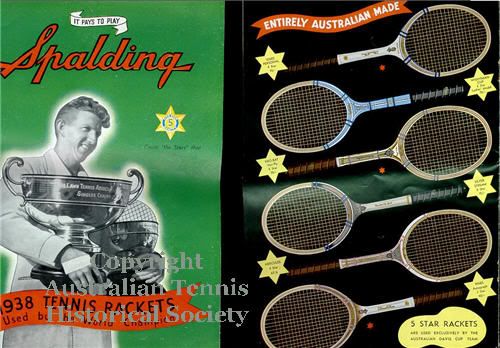
Below we have a shot of the first Grands Slam winner Don Budge who was used extensively as a Worldwide endorsed player. Racquets from the top are Vines Personal, Wightman Cup Ladies Model,Kro-bat Veri Ply, Silver Stream, Hercules (4 star), Vines Autograph (3 star). The first were 5 star as used by the Davis Cup Team.

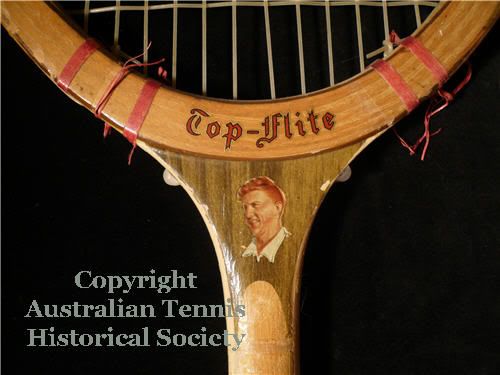
Reverse of Top Flite Don Budge (above) Similar Vintage Davis Cup model


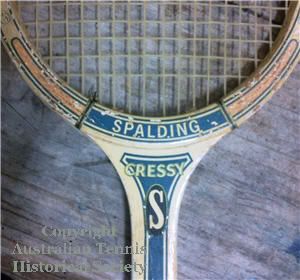
This locally made racquet from the late 1930-1940’s shows champion player Nancye Bolton (Wynne). She won the Australian Open in 1937, 1940, 1946, 1947, 1948, 1951, RU 1936, 1949 Spalding acquired Alexander Tennis Racquets over a period from 1957 to 1961 and integrated the machinery into the Sunshine plant. They even attempted to continue the ‘Cressy’ name with a Spalding model.

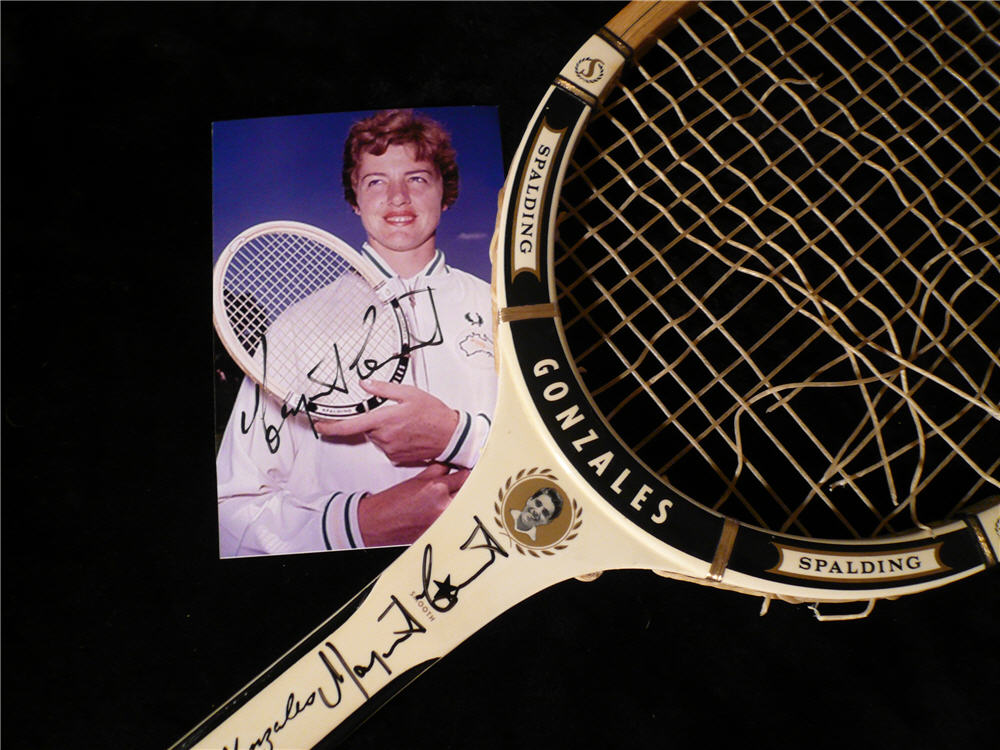
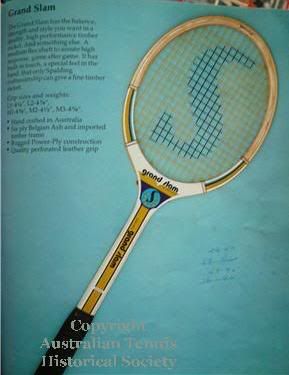
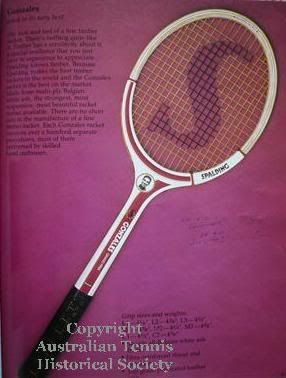
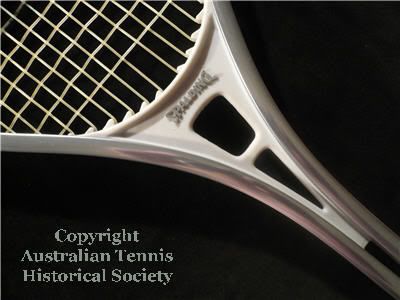
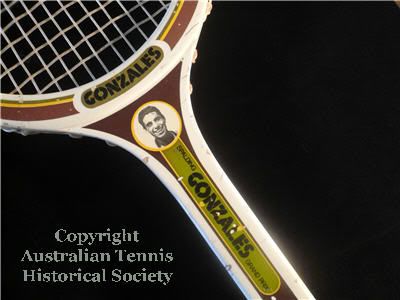
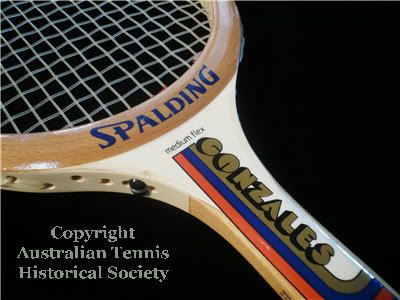
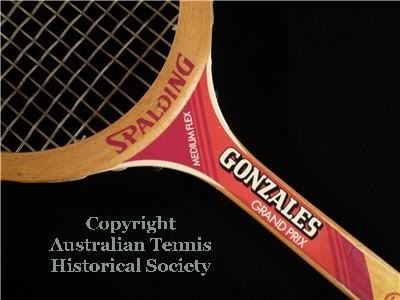
Margaret Smith (Court) won her first Australian Major singles title with a Spalding Gonzales model.

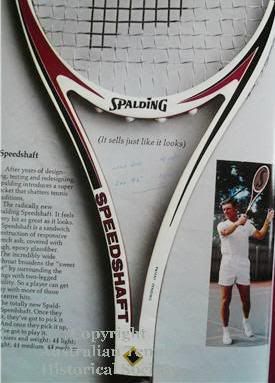
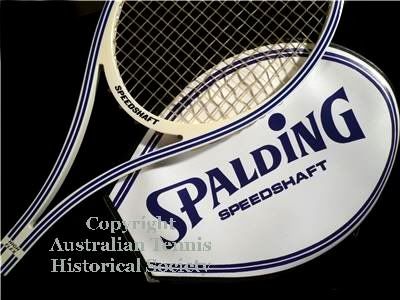
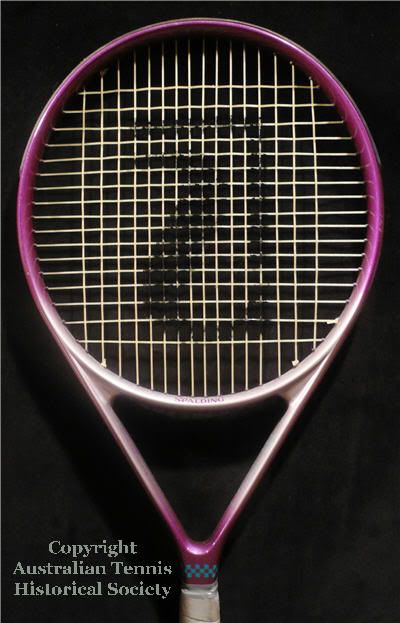
Spalding Speedshaft

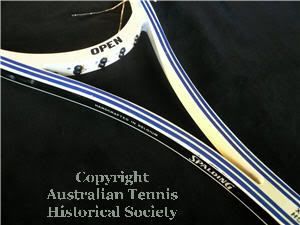
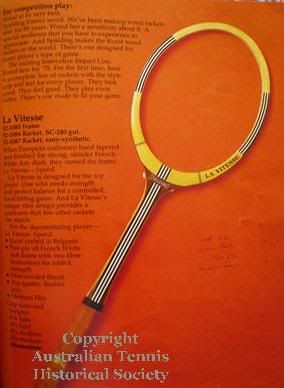
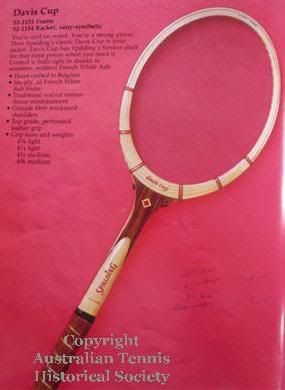
The very attractive Speedshaft racquets were made by Snauwaert in Belgium

Note the John Alexander model, made in Belgium by Snauwaert which was pretty much the case from the mid 1970’s on.

Gonzales Spalding

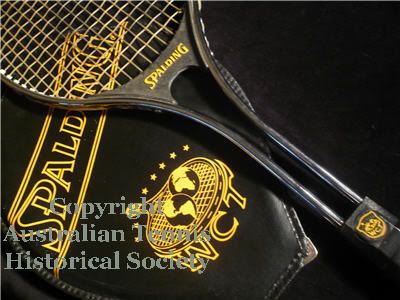
The WCT (World Championship Tennis) was launched with a group of professionals including Newcombe, Laver, Roche and Rosewall plus others. While Spalding made racquets in the mid 1970’s, a clash between the WCT owner, Lamar Hunt and Wimbledon saw all these players banned from the 1972 tournament.
Alexander Racquet Company

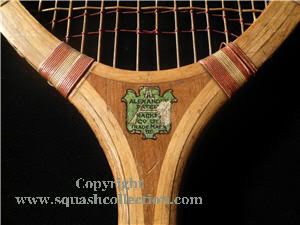
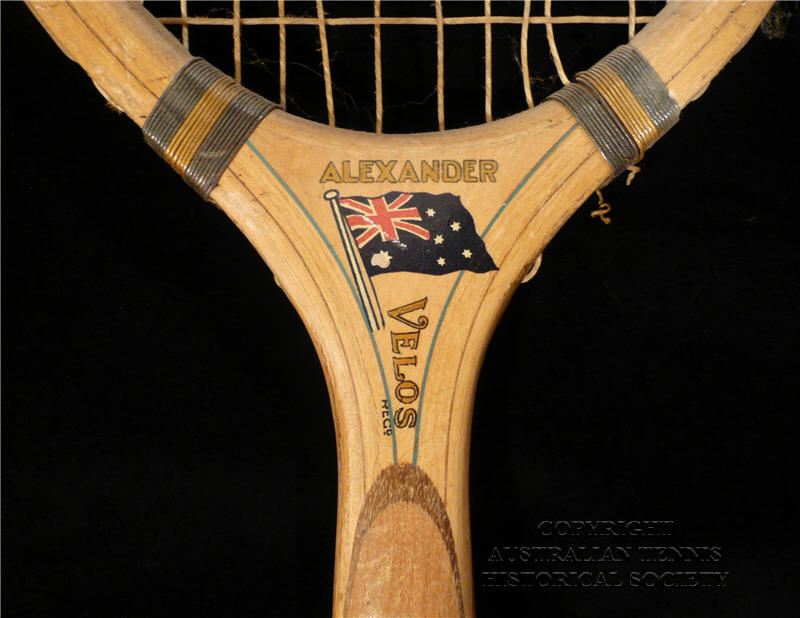
The Alexander Patent Racket Company is probably the most successful homegrown racquet manufacturer beginning in 1926 and operating until 1961. It is largely an untold story and thankfully family members have been researching the history to produce a book for release sometime mid 2011. (What A Racket by Gus Green)

The original owners of the business were first involved with sporting goods retailing and were importing French racquets. However, they met Alfred Alexander who experimented, invented and patented the first form of dry bent timber racquet frame laminating, a process which would change wood racquet construction techniques forever. With this opportunity, the Alexander Patent Racket Company was formed and became one of the Worlds most prestigious brands.

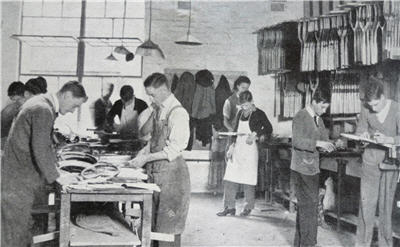
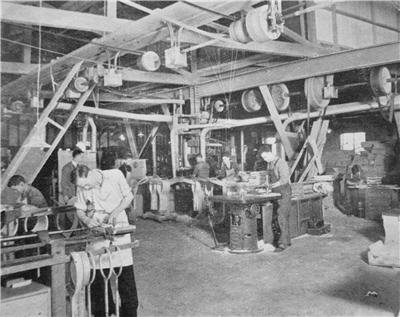
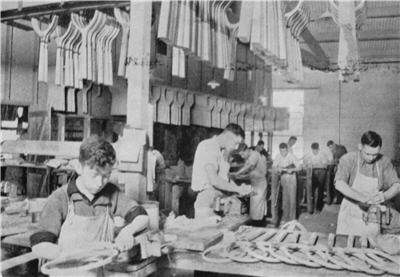
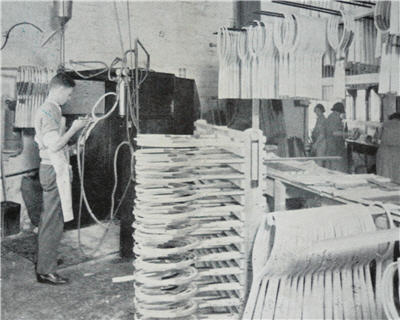
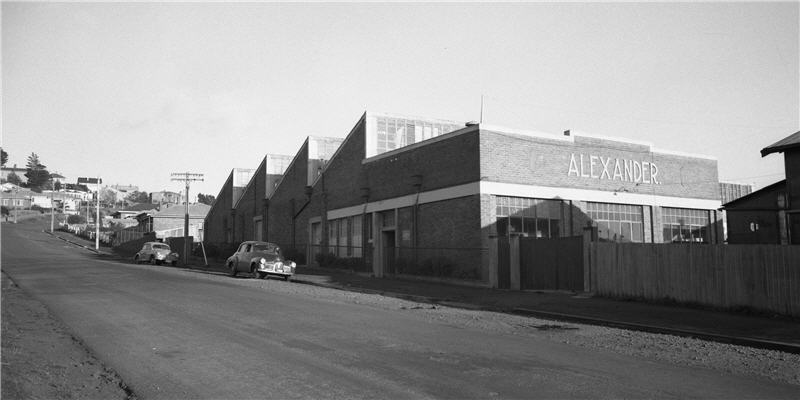
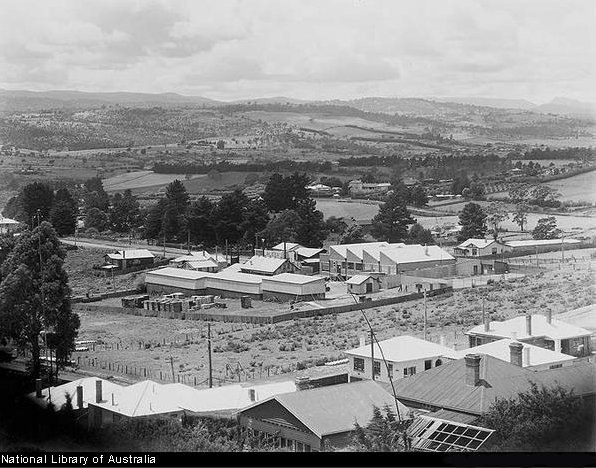
The Incoprorated Pty Ltd company was established in 1925 to acquire the patent and new factory facility commissioned by the existing owners Alfred Alexander and B.B. Hopwood a local sporting retailer opened in 1926.  It was located on the Newstead estate, Launceston on Gunn Street and was powered by electricity to not have a smoke impact on nearby residences.

The original patent was issued on the creation of frames with more than 4 plys and from the outset racquets of 5 plys were being produced. Once formed in a dry bent manner they would take about 16 hours to dry compared to steam bent timber which required months if  not years to dry as logs and then again for months after being shaped as racquets before being completed. The huge advantage with laminates is the speed at which racquets could be completed without tying up capital in inventory. The process revolutionised racquet production. As a laminated product, the company sometimes added Walnut strips in the middle of 4 English ash layers to create a a more attractive end result. Production numbers began at 140 per week with estimates of 530 per week within a few months using all the skills of mass production and modern machinery where possible and a workforce of 13.   Interestingly, the retail policy was only to sell racquets that had been instore for 2 months, I presume to monitor any post production issues. At this time, Australian Made was not always considered high standard compared to the English product players were used to so no mention of location was presented on the early racquets just the Alexander name.

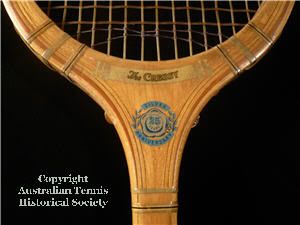
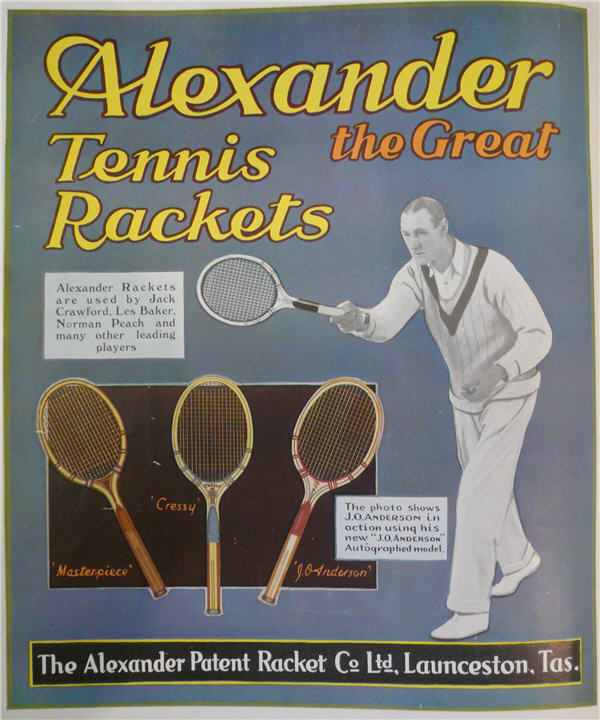
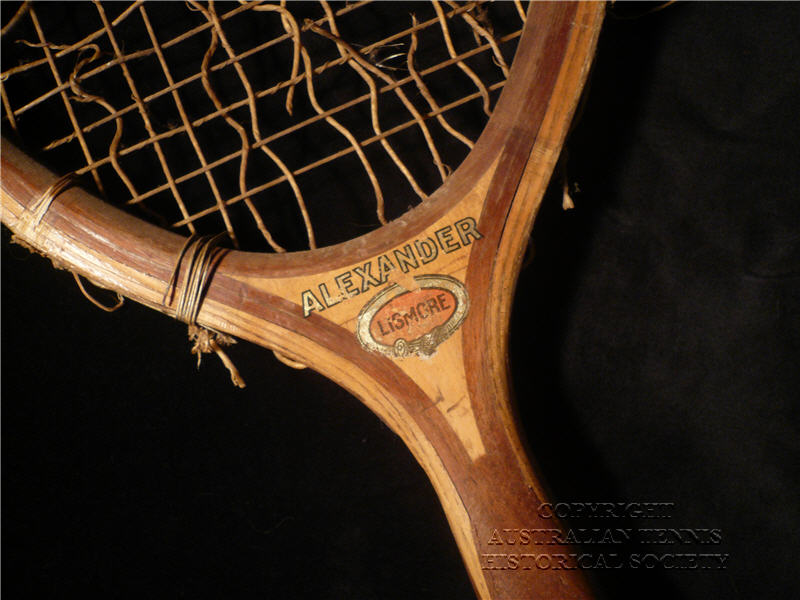
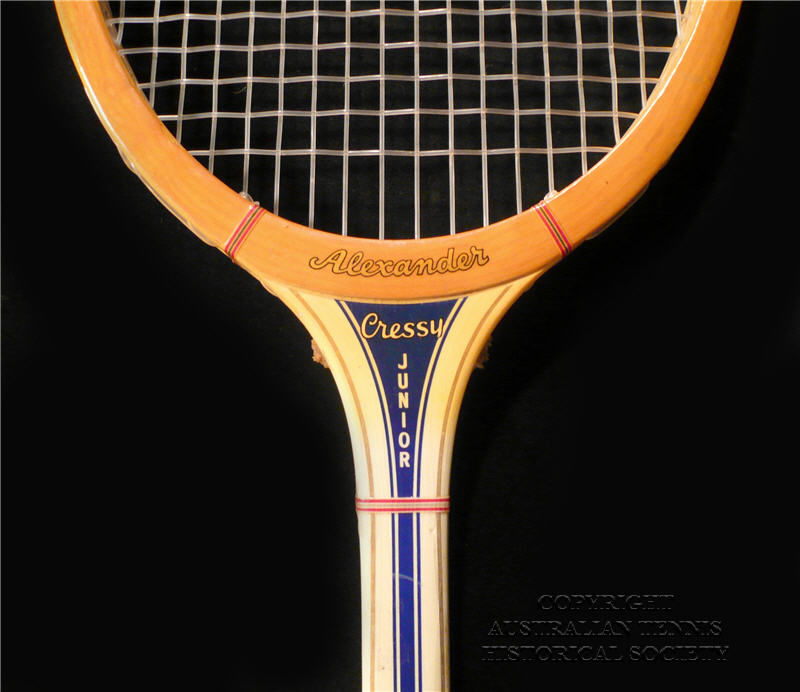
The first models included the: Dover, Murray, Understudy, Hunter, Cressy, Masterpiece, Mersey, Lismore and Red Seal. Naturally, other models followed, but it was the “Cressy” which remained a flag ship brand name from the start to the end. The name ‘Cressy’ is believed to have been derived from small town outside of Launceston which was the birthplace of one of Tasmania’s great champion players. When you think about it, Cressy’s longevity (37 years) as a brand certainly places it in the very rare group of long term brand names which includes the famous Dunlop Maxply model.

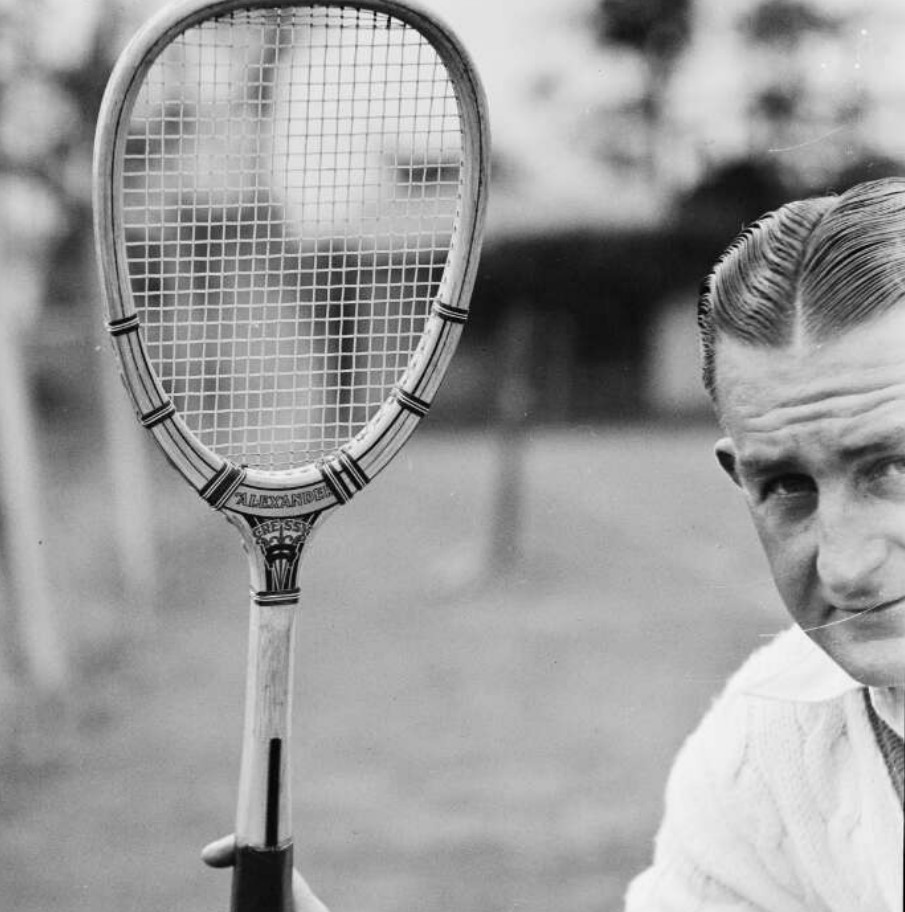
In 1927, a well known local Tennis player, champion and businessman from the area, Mr W.J.Sheehan,  was appointed the Business Manager and it was under his guidance that the firm embarked on new directions in decorating models with more paint, decals and bindings and also opened opportunities to develop player endorsements.  Very early on they signed up Australian Davis Cup and Champion J.O.Anderson and our lady Champion, Daphne Ackhurst. In the early 1930’s they company produced on the earliest known photo decal racquets featuring J.O.A.

The boom years came in the 1930’s & 40’s when Australian Champion, Jack Crawford won Wimbledon in 1933 using a Cressy “Wizard”. Also many of the Davis Cup players were using Alexander racquets as well. Jack Crawford’s racquet had a semi flat-top design reminiscent of the styles popular in the late 1880’s early 1900’s. In the early 1930’s,  Sir Norman Brookes while playing tennis at his Frankston holiday house showed Sheehan his early style racquet he played with in the 1900’s. Jack Crawford, who was also there, like the way it played and so Sheehan went back to the Alexander factory and fashioned a new style of semi flat-top racquet which was given the name “Wizard” from the nickname previously given to Norman Brookes during his Wimbledon winning days. This new flat top design, inspired the entire industry in Australia with many manufacturers producing both oval and flat-top models. Diamond stringing also became fashionable again at this time.

jack crawford flat top alexander 3.crop

The company produced a range of sporting goods including cricket bats, hockey sticks, golf clubs and squash racquets. As a promotional gimmick they produced a 12″ tall miniature “Cressy” replica tennis racquet hand mirror. They also produced a mandolin.

In the late 1950’s the Alexander factory was wound down and sold to Spalding in Victoria. The last racquets produced were in 1961 yet the Cressy name continued for a season under the Spalding banner when it was revived for just one more year in 1966.

The final days of the Alexander company really came about as Spalding, Dunlop and Slazenger dominated the mainland retail scene and also acquired most of the high profile players to endorse their racquets.

ALEXANDER CRESSY SPEDE MODEL (12)

The Cressy Wizard was used by Jack Crawford to win the 1933 Australian, French and Wilmbledon men’s singles titles

J.O.Anderson playing with alexander

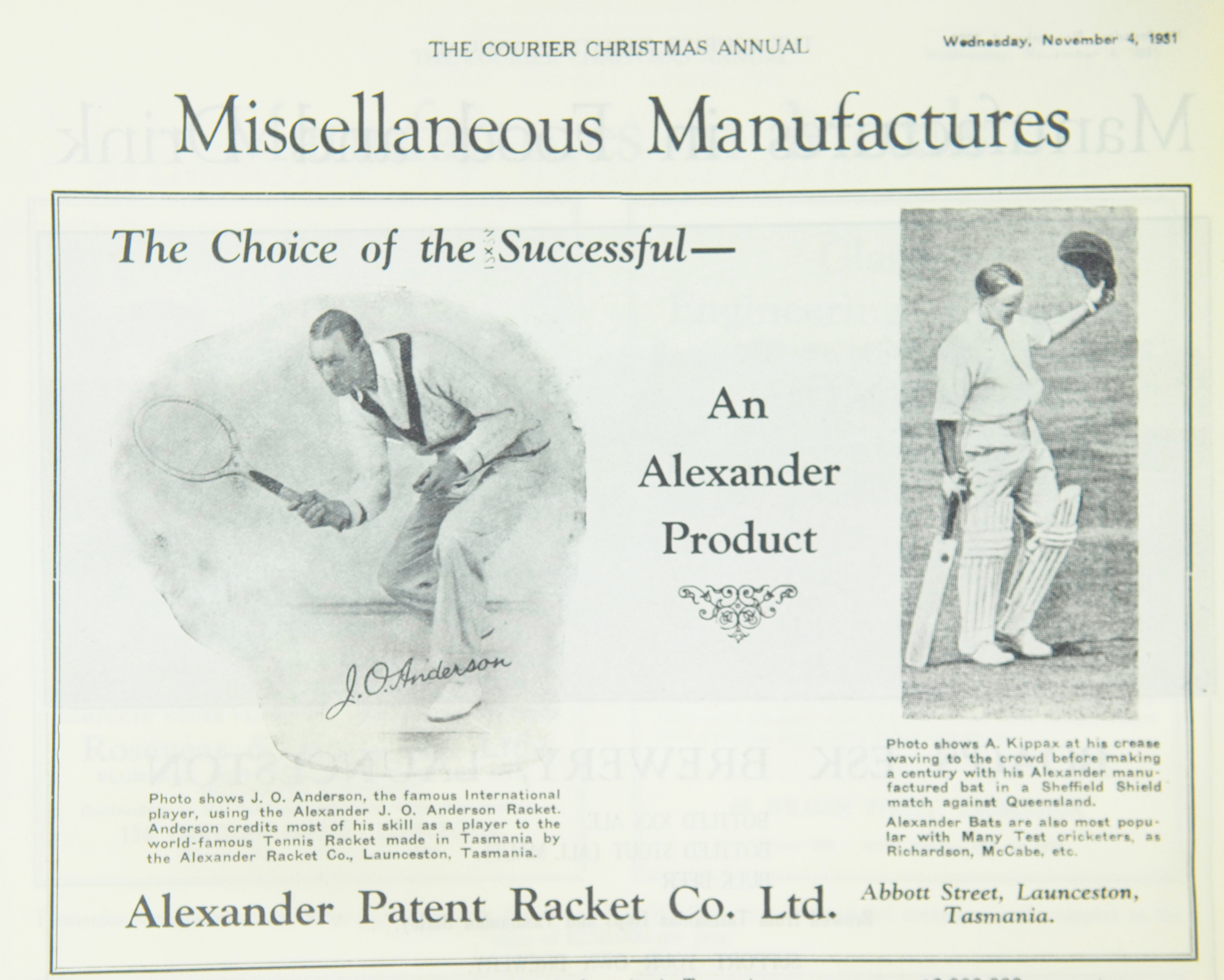
This ad from 1931 shows J.O.Anderson the primary sponsored player at this time.

JOA alexander ad


This full page story comes from the Launceston Examiner 14th Jan 1927 and shows the exterior
of the factory with various stages of production.

The actual patent related to the lamination of timber in a cross grain formation.

These words, kindly supplied by Gus Green (relative) are from the patent applied for in 1921 and granted to the company in 1922:

The Alexander Invention

Date line for the Patent application dated 12th July 1921 by Alfred Alexander jun. and his younger brother Douglas Davey Alexander both of Elphin Rd Launceston the complete Specification was accepted on 7th June 1922 and advertised on 20th June 1922

No 2594/21 Class 53.2.

The Complete Specification read  “ Improvements in the construction of rackets for tennis and other like games.”

We, Alfred Alexander, Junior, Technical School Instructor,and Douglas Davey Alexander, Carpenter, both of Elphin Road, Launceston, in the State of Tasmania, Commonwealth of Australia, hereby declare this invention and manner in which it is to be performed, to be fully described and ascertained in and by the following statement:-

Our invention relates to the construction of tennis and other like rackets the rims of which have usually been made of a solid piece of wood bent to the shape of the racket and secured to the handle.

According to this invention, we form the rim of the racket entirely of thin strips of wood or other flexible material that are glued or otherwise secured tightly together. The strips are long enough to extend down-wardly from the rim and to lie against the core of the handle, thus forming part thereof The handle proper is therefore much smaller than the ordinary handle and is flared outwardly at the top where it enters the rim, the joints being reinforced in the usual way.

The strips will be composed, preferably, of long grained and cross grained woods disposed alternately in the rim which, when secured together, provide a strong and satisfactory construction of racket. The gut or strings are stretched between the rim sides as at present.
The rim is made to the usual shape by bending the strips 4 upon a former or mandrill, these strips are then tightly pressed and secured together, the lower portions of the same being upon each side of the handle

This member is really the handle core and extends upwards into the rim, flaring therein to the sides where it can be secured in the usual way. The said core should also be slightly tapered and widest at the lower end. To complete the handle the ordinary covering or filling strips are paced in position, giving the required octagonal shape to the handle, which is finished at the end with the usual leather piece.


Alexander AB71313345aaa


This photo shows the original factory in Launceston, Tasmania (Photos Tasmania Libarary)

NAT LIB Alexander Tennis factory


As imported Ash supplies were becoming in short supply and hotly contested for by every other manufacturer (globally), Alexander’s actually attempted to develop a local industry. The Company acquired the land at Hollybank in the Underwood district in 1933, comprising a total of 170 acres with a target to plant 109,200 English trees.

One hundred 100 acres were to be English Ash, however in the first three years only fifteen acres had been cleared, ploughed and planted with 21,600 trees.

After close monitoring over a period of 10 years, it became obvious that the ash trees were failing to thrive and not growing as expected. Nothing could be done to stimulate the growth of the plantation due mainly to the issue that Ash normally grows in deep, alluvial soils in the Northern hemisphere and that is not what was at Hollybank, the soils were too acidic and moisture was also a problem.

The project was abandoned in 1950 with the sale of land to the Forestry Commission in November 1956 the year of the Olympic Games in Melbourne. The sale price was £2809.

P1140071

The Alexander Lismore is one of the earliest racquets promoted around Australia c1926. The patented lamination system is clearly visible, however, a feature of the design is the much thicker shoulder areas created by the additional layer on top of the wedge. It is advertised with sister racquet the ‘Cressy’ as being used by champions Messrs. Willard, Kalms (both NSW), Les, Baker and Dr. North. While Cressy and Lismore are both townships, we will need to dig around to find out how the Lismore connection came to be.

The workmanship is quite exceptional also due to the amount of contouring and beveling that exists.

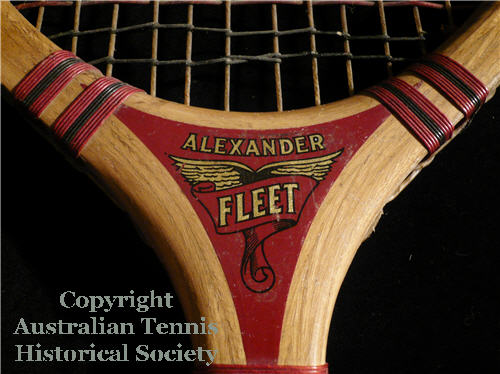
Alexander FLEET 1

The Fleet model was introduced in the late 1920’s. This one is quite early as it has a grooved wooden handle. It has the patent stamped into the handle as was sold by Hartley’s, also stamped into the handle.

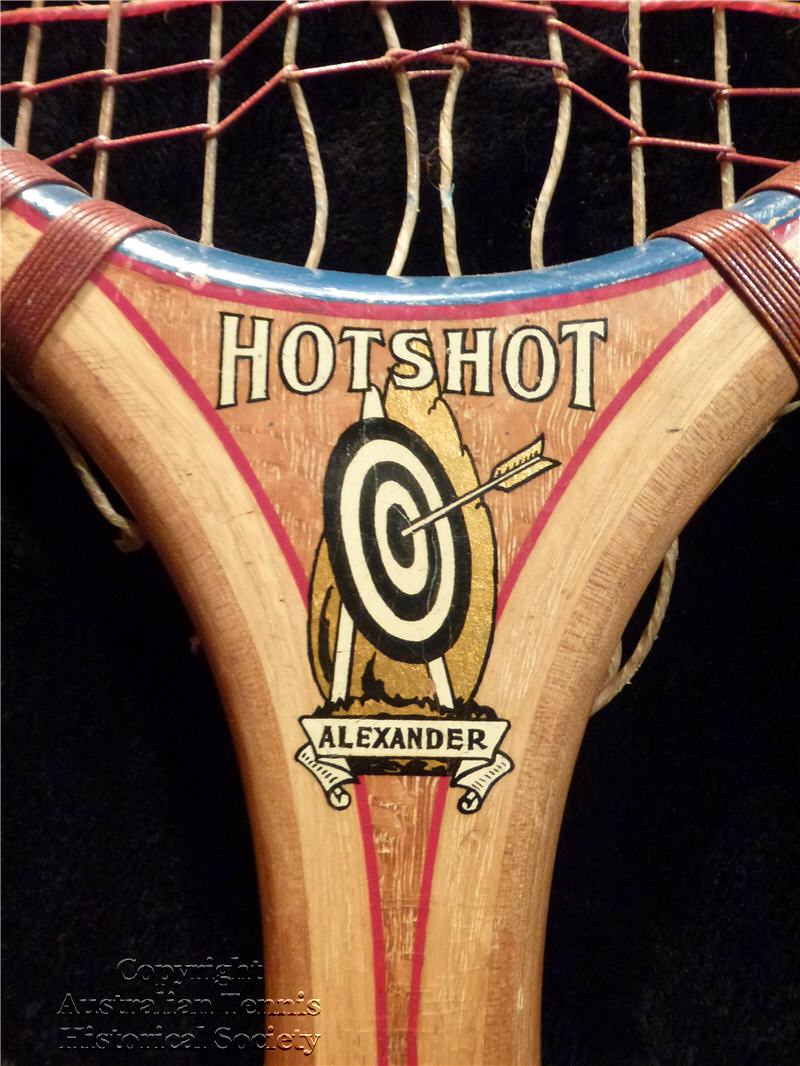
Alexander Hot Shot Close up (1)

The Hot Shot model was introduced in the early 1930’s. This one is quite early as it has a grooved wooden handle.

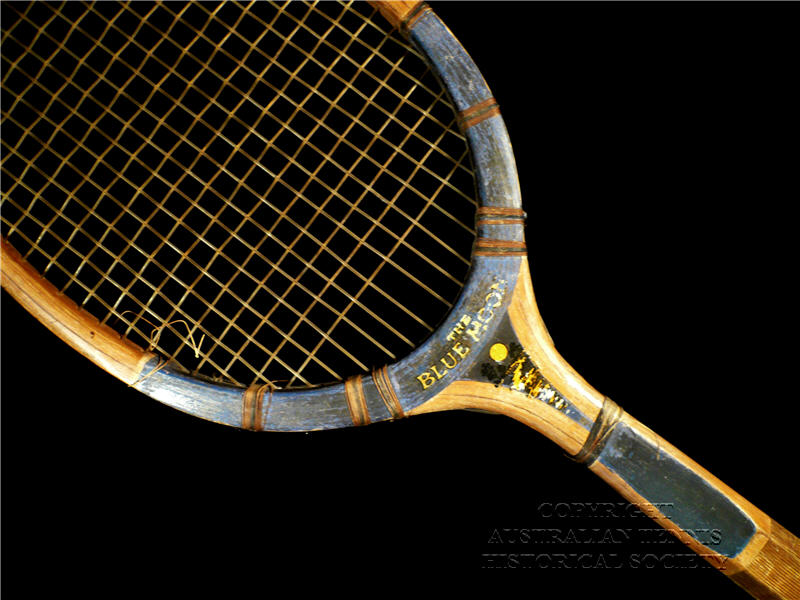
P1100597

This Blue Moon model is one of the more elaborate colour/decal treatments. The night scene with a dark tree silhouette and the moon reflecting over water is hand painted and the Blue Moon wording is a gold transfer. Given this also has a grooved wooden handle it must be late 1920’s early 1930’s. Apart from the graphics, one other very nice finishing item is the leather strip around the base of the handle. This has also been grooved to match the handle.

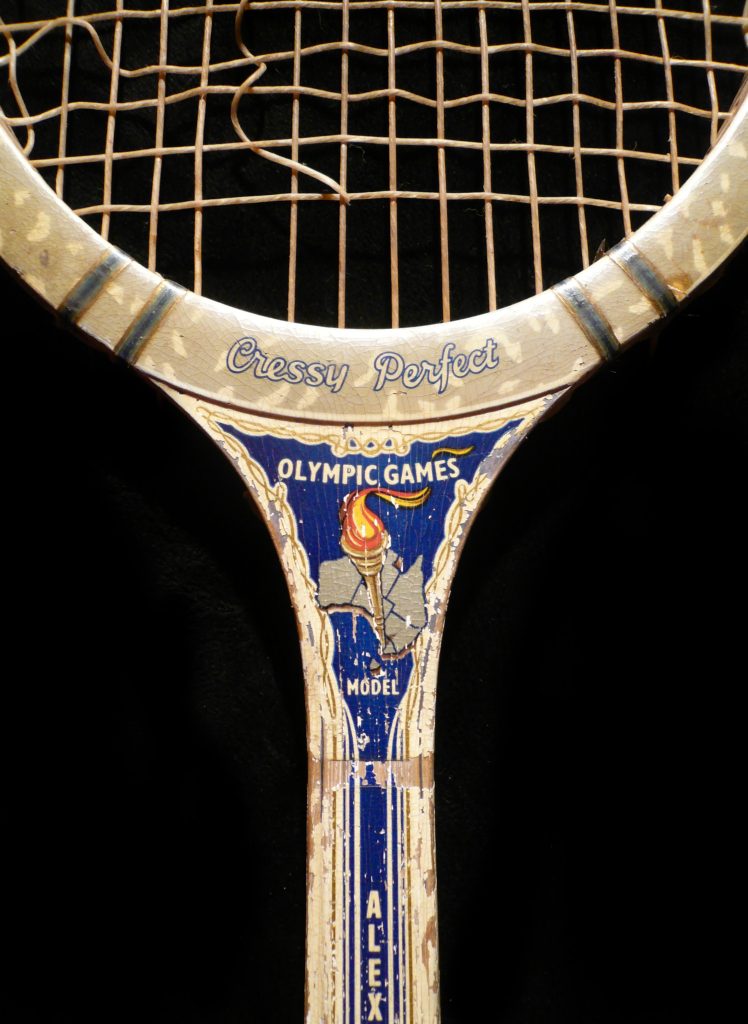
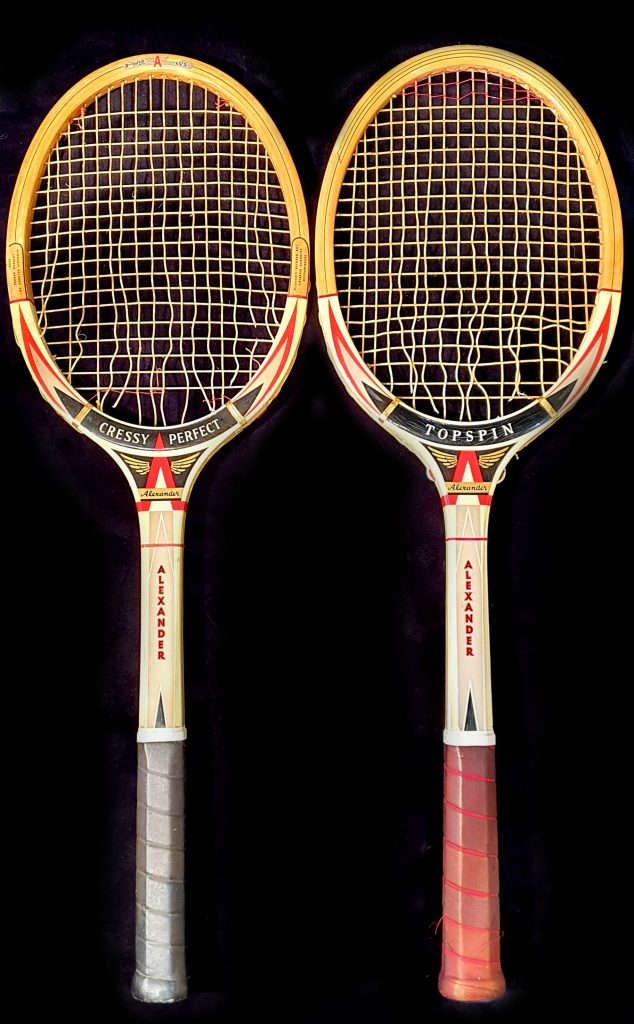
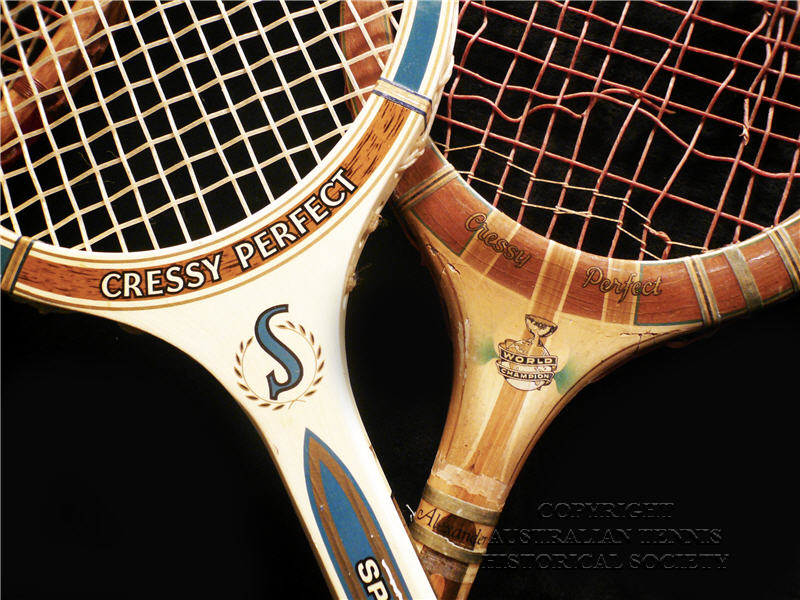
After Spalding took over in 1960, the Cressy name reappeared for a few seasons up to around 1966.

The last photo shows a Spalding Cressy Perfect model

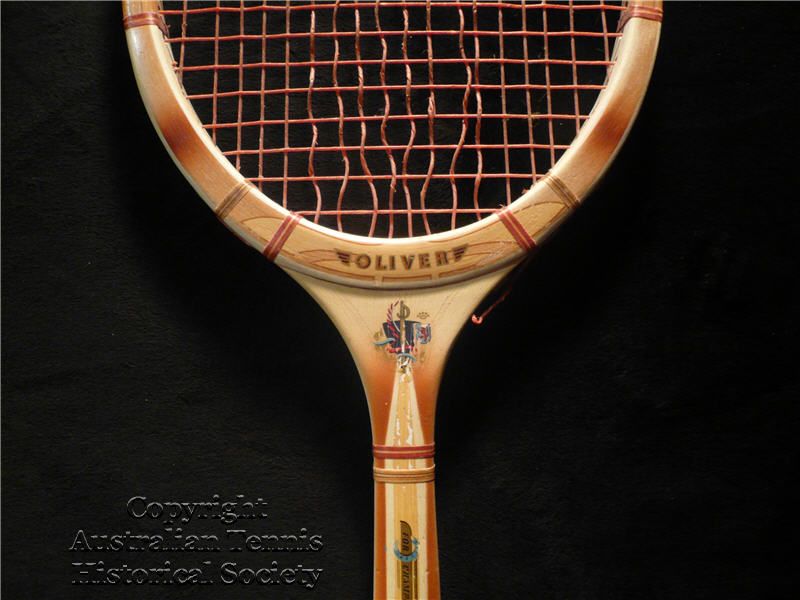
Oliver


Although born in Adelaide, Jack Oliver grew up in Port Pirie where his father was a carpenter. He left school at the end of grade 6 and went to work with his father where he no doubt learnt wood working skills. In addition, he was a competent sportsman and also also excelled as a painter winning many art prizes for his oil and water colour paintings. He was one of a handful of motor cycle enthusiasts who formed the Port Pirie Motor Cycle Club in the early 1920’s and went on to ride in the speedway in Adelaide.

By the late 20’s the family had returned to Adelaide and Jack opened a Sports Store on Henley Beach Road at Mile End near the corner of South Road, with tennis and fishing equipment (which he had grown up to enjoy in Port Pirie) his two major sales lines.

Jack played tennis for the Goodwood Tennis Club while living in Adelaide.

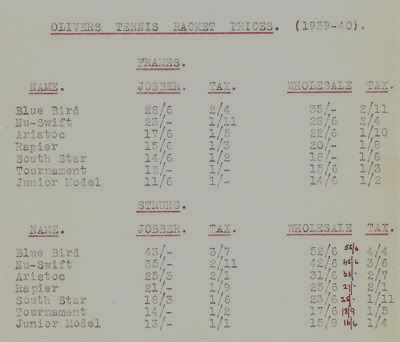
With the onset of the depression in the late 1920’s and early 1930’s, Jack was finding it difficulty to survive against the then 26 Tennis Racket Makers in Australia who would sell direct to the public at wholesale prices. (A clue for much research ahead)

And so, it was in the 1930’s Jack began “playing around” making his own rackets in his fathers carpenters shed at Grassmere Street at Grassmere (the now site of the K-Mart Complex on Anzac Highway at Kurralta Park).

The holes for the strings were drilled with a belly brace and bit, the rackets shaped with spoke shave and rasps and sprayed with the use of a Breager hand pump. The formers (what gave the rackets head shape) were of wood and the laminations which made up of the racket were all steam bent, wired to shape and left to dry before gluing.

At this stage his only outlet for these rackets was his own Sports Store located at Mile End.

In 1934 Jack married Marjory Gibbs and it was around this time that he bought at an engineering company’s bankruptcy sale a quantity of metal formers (racket head shape) and bands (to hold the laminations together). These had been ordered by a tennis racket maker who could not afford to pay for them at the time.

The Oliver tennis racquet company had begun.

By the mid 1930’s he was also making Table Tennis Bats and had bought a copying lathe (also at a bankruptcy sale) and started making Axe and other tool handles.

His early tennis rackets carried the name ‘Olivers’ which became just ‘Oliver’ by the late 1930’s (so anyone who has and ‘Olivers’ tennis racket knows its one of Jacks first Tennis Rackets). Jack at this time had purchased his fathers carpentry building and had commenced manufacturing tennis rackets full time.


By the late 1930’s Jack had established sales outlets for his tennis rackets in Melbourne, Sydney, Brisbane and Perth and had commenced exporting to Taylor’s (later to become Lord and Taylor) in New York. Post war, investment in new buildings at Grassmere and equipment led to a  capacity five times greater than pre-war. Export sales had blossomed to include many European countries as well as Canada/ USA. Much of the equipment had been designed and built by Oliver company in house to ensure uniformity. It was mentioned that there were 78 processes required to construct and finish a racquet.
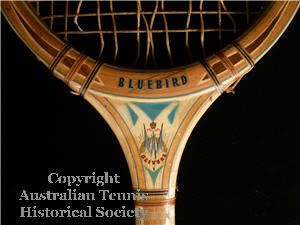
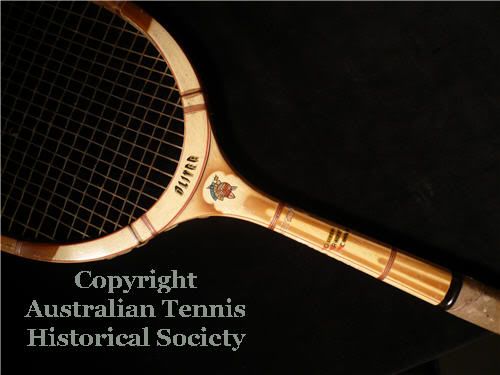
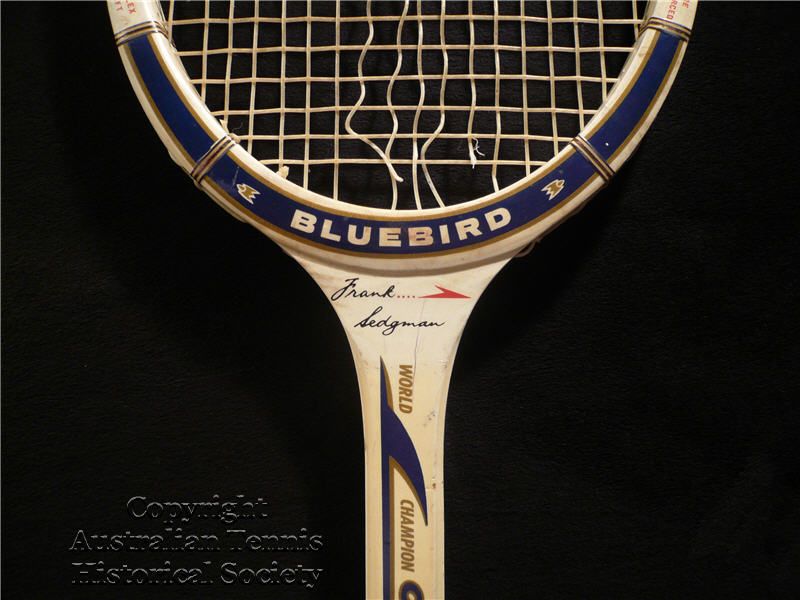
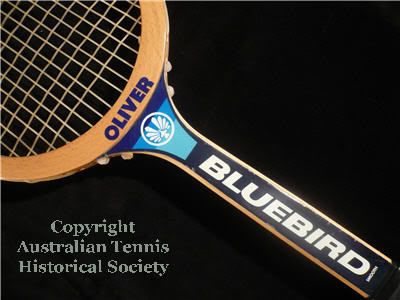
A Perth based department store (Boans later to become a Myer Store) who bought Jack’s rackets had registered the Trade Mark ‘Blue Bird’ which Jack purchased from them and thus the ‘ Blue Bird’ became the flagship model of the Oliver range of Tennis Rackets. The “Bluebird” model was named in honour of the 1930’s speed record holder, Malcolm Campbell’s famous car.
Wooden sporting goods manufacturing lasted 50 years until in 1984 the company could no longer justify local production as metal and graphite racquets produced in Asia began to dominate. In the mid 1970’s the factory was producing 50,000 + racquets a year, which by 1984 had fallen to fewer than 5,000.

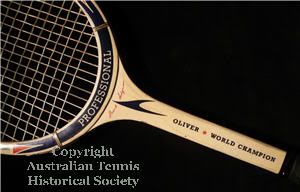
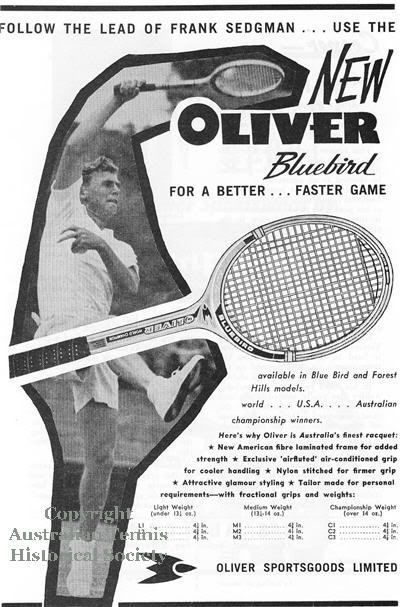
Key highlights for Oliver included Frank Sedgman winning Wimbledon in 1952 playing with an Oliver racquet and you will today still find examples of his signature models. In addition, another key Australian player to have a signature Oliver racquet was Mal Anderson.

By the time Oliver’s had made the decision to close all of the other major Australian makers had already ceased manufacturing here, making them the last. Indeed, much of Slazenger’s equipment went to Oliver’s when they closed their Sydney operation.

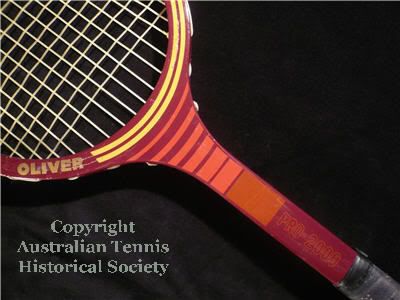
Despite the decline in Wood racquet production, the Oliver name did continue on with various metal and graphite models and they also were also involved with a merge/takeover of the local ARCO stainless Steel racquet business. (See Arco heading). Today Oliver squash racquets are still sold under a license agreement predominantly in Europe.

Jack’s son’s Bob and David were actively involved in the business and we have been fortunate enough to contact Bob who has kindly supplied the above information.

The Oliver business was sold to a US Firm in 1974 called ATO from Ohio. Sales were reported at the  time of $17 million.


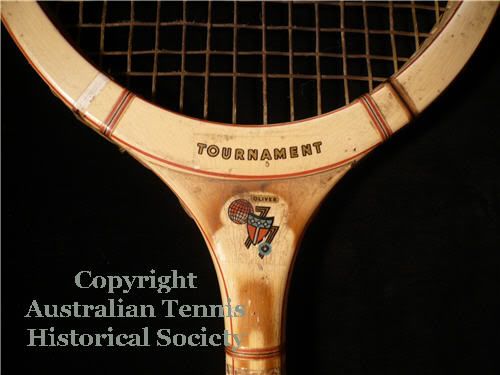
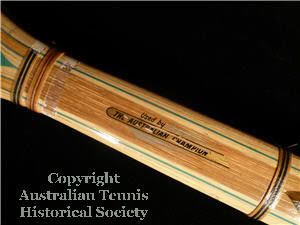
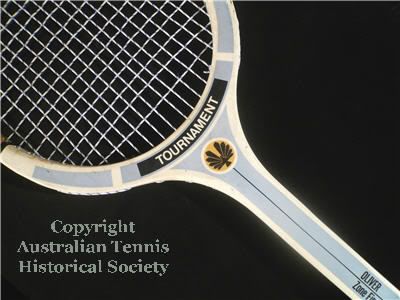
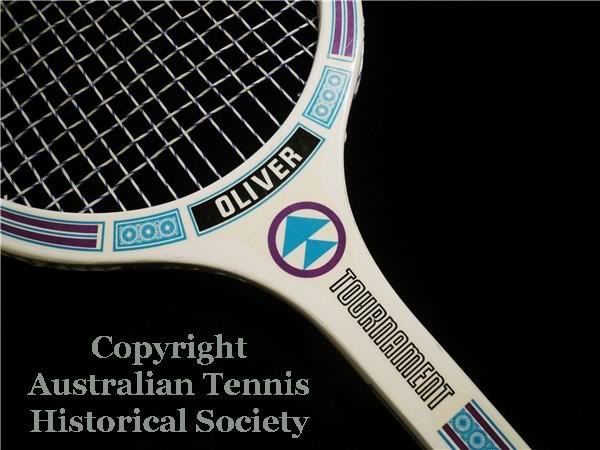
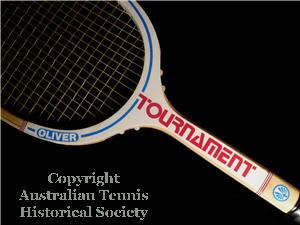
Tournament Model c late 1930-s 1940’s

The Frank Sedgman Bluebird Model c 1949 1950 (Frank used Oliver to win Australian and Wimbledon Championships.

Frank Sedgman Professional Model

The Frank Sedgman Bluebird 30th anniversary model

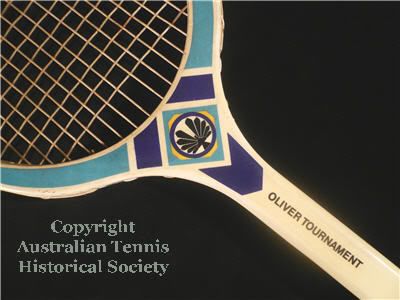
Oliver tournament


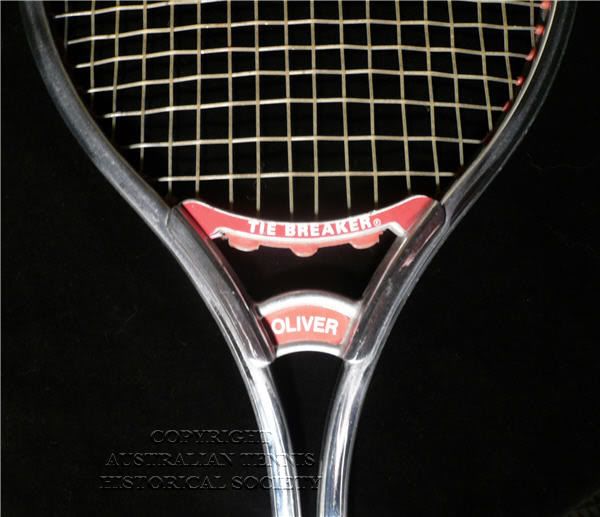
Aluminium Tie Breaker model, identical to Rawlings (USA) models including the John Newcombe signature version.

ARCO

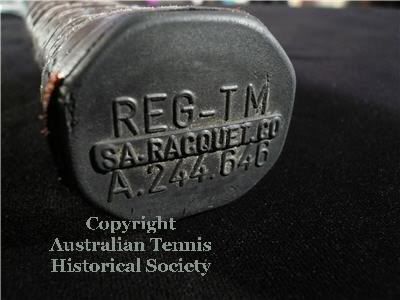
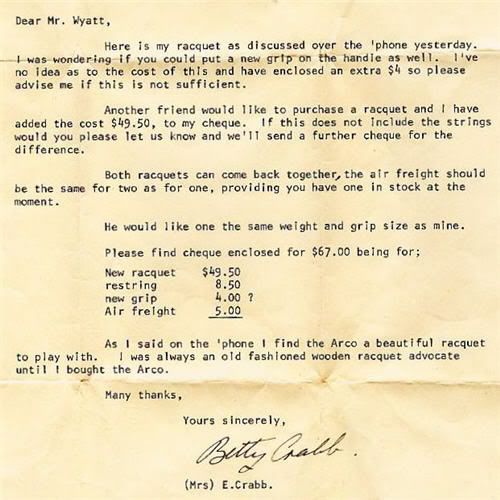
The South Australian Racquet Company began in South Australia in the early 1970’s as the Wilson T-2000 (Lacoste design), Yonex and other metal racquets were starting to gather momentum in the marketplace. The business was started and owned by Charlie Wyatt and he produced the SA Racquet & ARCO racquets at home in “the shed” with assistance from his son Gary.

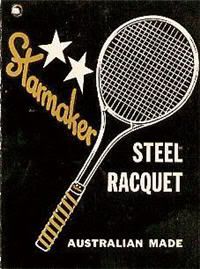
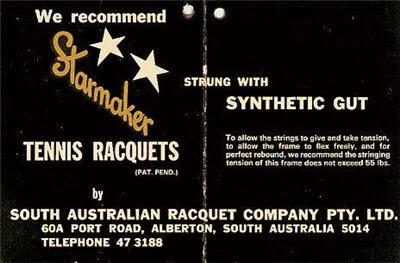
The decision to make racquets came from a conversation with a mate who owned a local squash centre and the first prototypes were squash racquets. These were not successful and so tennis racquets were tried. The very first models, called the Starmaker, were made from carbon steel like the Wilson’s but there were structual issues and so Charlie decided to try stainless steel. Stainless steel was not an easy material to work with and ARCO racquets may well have been a world first in this area, although we do have a photo of a Samuel Fox combination stainless steel/wood racquet, believed to be made in the 1930’s. Certainly, we have no additional knowledge of a full frame stainless steel racquet.

Charlie was an expert in Stainless Steel. He already had a business supplying stainless steel hospital trolleys and equipment and he was one of the pioneers in the development of stainless steel car exhaust systems, security doors and had worldwide patents on the construction of stainless steel yacht masts. His technology and skill included the creation of masts for the famous Australian yacht entered in the America’s Cup, Gretel 2.


Starmaker racquet South Australian Racquet Company

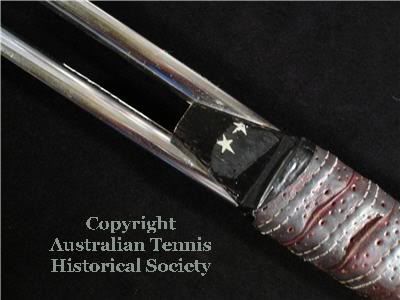
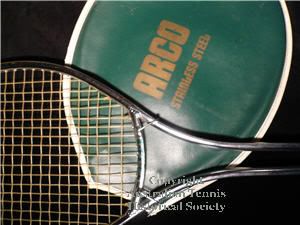
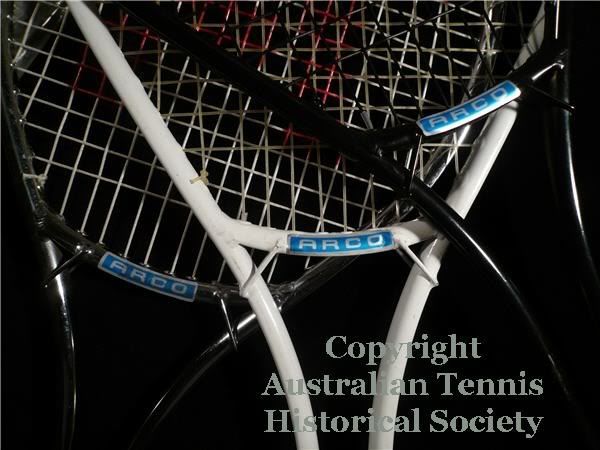
The only Australian made all steel racquet called the STARMAKER c 1970’s. Both the carbon and stainless steel models were of a similar design.  The pics below are of the stainless steel version branded ARCO.


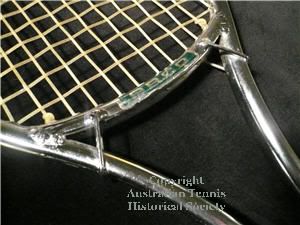
In collaboration with Tubemakers (a large Australia-wide metal fabrication business), Charlie had stainless steel tubing made in the right widths and lengths to create his racquets. The process involved pressing a groove on one side of the tube to create the indentations for the string holes and then the bending process to create the head shape and bringing the end pieces together to from part of the handle. As welding point strength at the throat was an issue in both the carbon steel and stainless steel designs, two support clips were also welded in place. Despite the clips not being overly attractive they made the racquet almost unbreakable. Customers often requested the clips be left off custom orders but they were essential to avoid some of the issues being faced by the likes of Yonex OPS, Spalding Smasher etc who experienced painfully high numbers of welding fracture warranty claims. Charlie was very secretive about the processes and techniques needed to work with stainless steel and guarded his production techniques closely. The racquets had quite a good deal of flex and were very strong, and after exhaustive testing using various string tensions typical for the era, 19lbs mains and 16lb cross tensions were recommended which gave the racquet excellent feel without the loss of power and control.


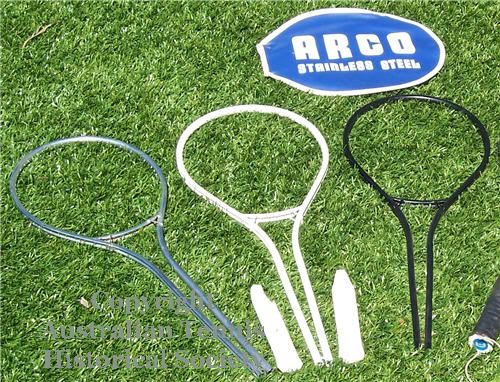
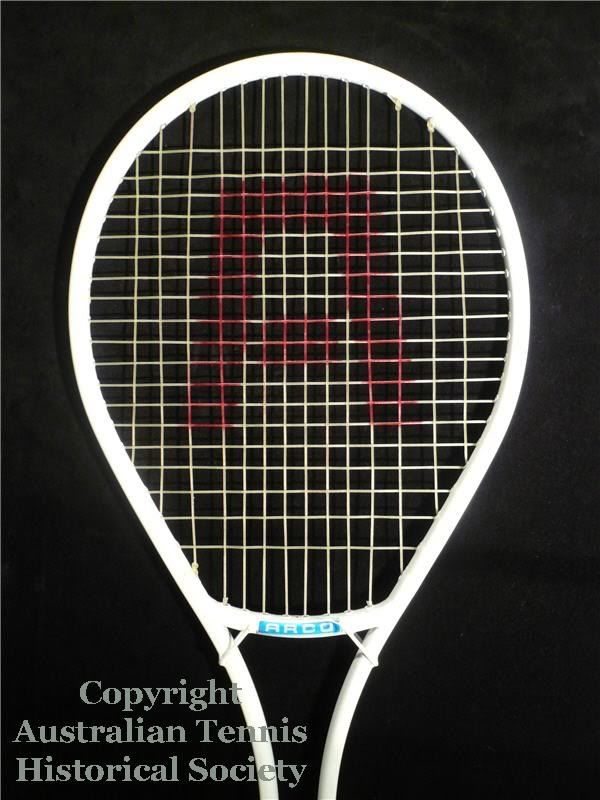
The very early ARCO’s came with a green cover, gold ARCO logo whereas later models came with blue covers, white ARCO logo and blue/white nylon strings. There were two weights medium M 4 3/8, 4 1/2, 4 5/8, 4 3/4 and Light 4 1/4, 4 3/8, 4 1/2.

As the mid 70’s saw the arrival of oversize racquets, ARCO developed a version in stainless steel and these proved to be even better than the traditional size versions. Charlie also introduced white and black powder coated variations.

While the initial Starmakers were sold in retail stores, the later stainless steel racquets never really made it into the mainstream retail store network and they were also sold via a Sydney distributor, LINC International. There was an attempt to merge with the Oliver Sporting Goods Company who were closing their wooden racquet production facility in 1984, but this JV did not proceed.

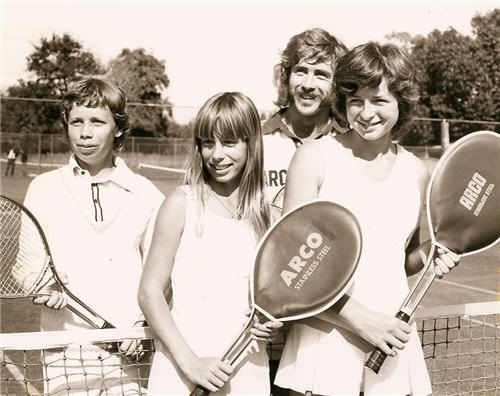
Most sales occurred due to Charlie’s own efforts building a very strong club and coach network which led to sales in the thousands. While most sales were in South Australia, racquets were sold to players throughout Australia and overseas. Charlie even sent a few over to the Wilson T-2000 legend Jimmy Connors but never heard back. Jimmy don’t hesitate to contact us if you recall a very powerful racquet from Oz landing on your doorstep.  In 1977 performance survey showed that in the last 3 state age titles (boys and girls up to U19) ARCO racquets had featured in 50 finals and won 38. Not a bad record.

Small original frame size on the left with powder coated oversize in white/black
in pre-finished stages


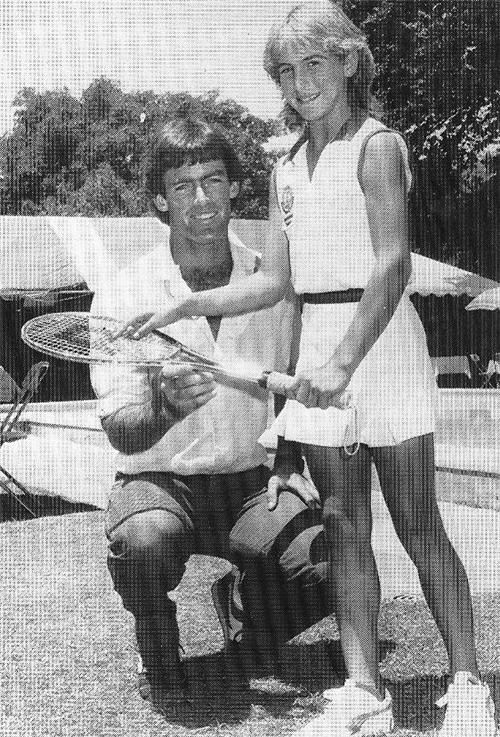
Juniors and Adults loved the racquet and below John Fitzgerald offers support.


ARCO tennis racquet

The finished over sized product in black and below in white.

ARCO tennis racquet


Charlie made a good living from racquet sales and was still making them when he passed away 20 years after starting production.

Here is a wonderful tribute to Charlie from a very happy customer:

For Charlie:

I know a man called Charlie whose skills are unsurpassed

He made my ARCO racquet which is another class

Some shots fly off my racquet that make me squeal with delight

While my opponents, beaten, just cringe in fright

Some may think I have a new invention

But no, my racquet is strung to a perfect tension

This ARCO of mine has given me pleasure

And hours of fun too many to measure

So sometime Charlie when you hear your name

It’s me saying thankyou for another game.

Alison November 1987


We thank Charlie’s wife Jean, son Gary and long time mate Ray Bastian for supplying this valuable information about ARCO. A wonderful tennis story about an ingenious Australian inventor.